
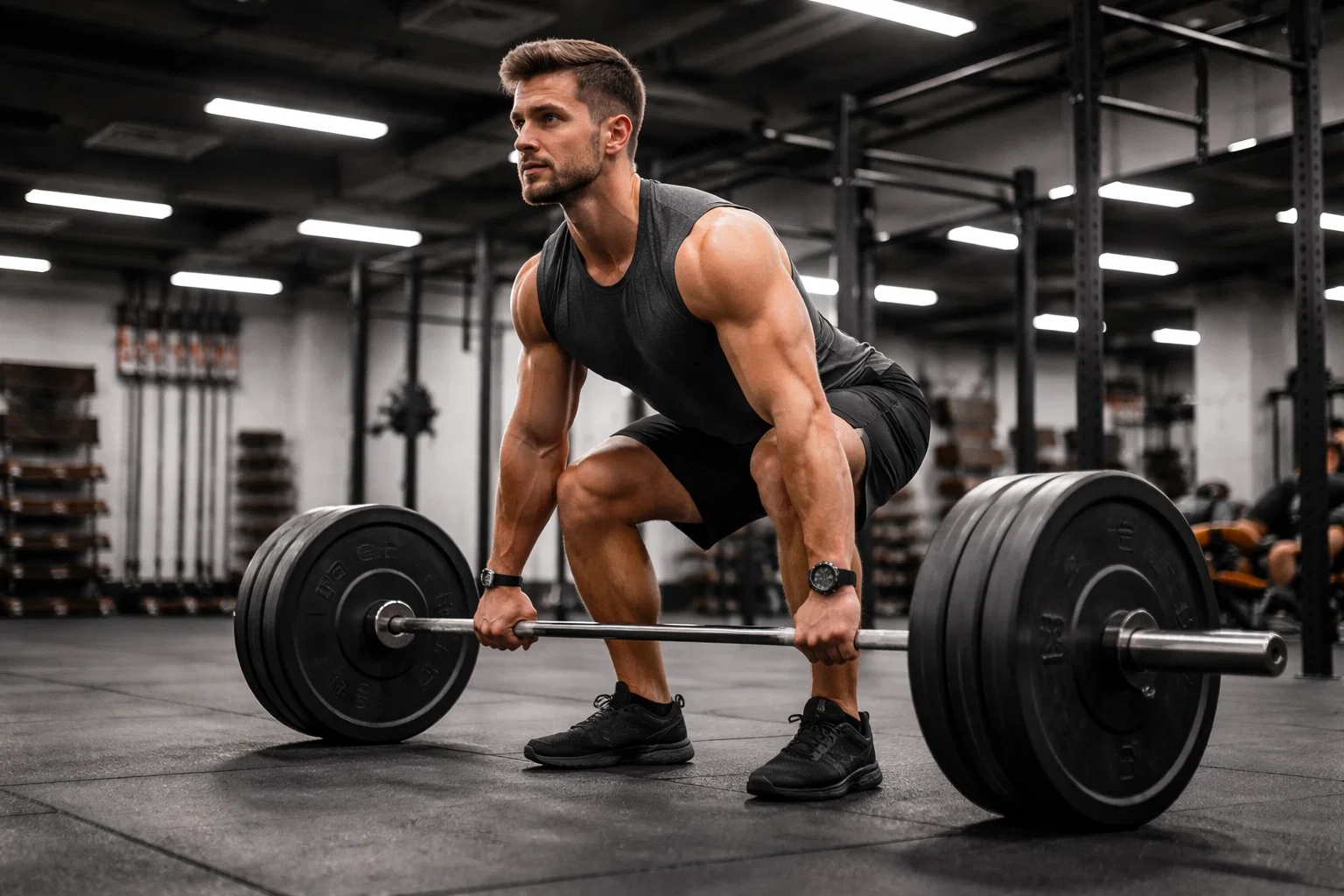
You’ve heard strength training is good for you, but maybe you’re wondering if it’s really worth adding to your routine. Between conflicting advice online and busy schedules, it’s easy to put off picking up weights. You might be curious about specific benefits beyond just building muscle or need solid reasons to start, especially if you’ve never lifted before and feel uncertain about where to begin or how it will actually help you.
This article breaks down 13 benefits of strength training backed by science, from building stronger bones and protecting your joints to boosting your metabolism and improving your mood. You’ll learn how lifting weights helps with everything from daily tasks to healthy aging, with research and practical advice throughout. Whether you’re completely new to fitness or looking to understand why trainers keep recommending strength work, you’ll find clear answers about what lifting can do for your body and mind. We’ll cover how much you need to do, who benefits most, and how to get started safely at any age or fitness level.

- Black balance board can help improve core strength, coordination, posture, and balance
- Suitable for a wide range of exercises, including push-ups, plank, standing balance poses, and targeted workouts for strengthening specific muscles, ligaments, tendons, and joints
- Solid wood top supports up to 265 pounds; non-slip surface for a secure grip
- For individuals and athletes; ideal for a rehab center, gym, or home workout space
- Measures 15.75 by 15.75 by 3.15 inches (LxWxH); backed by an Amazon Basics 1-year limited warranty

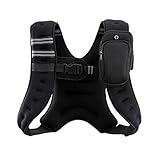
- Faster Fitness Gains: Zelus weighted vests (6/8/12/16/20/25/30 lb) feature evenly distributed iron sand to add extra resistance to your daily workout. They provide a simple way to push yourself harder without the need for bulky gear in your routine
- One Size Fits Most: Our weighted vest for women and men is equipped with adjustable buckle straps that offer a snug fit for chest sizes between 31.5″ and 45″. No matter your body type, it stays securely in place as you work to improve your strength
- Comfort That Lasts: Enjoy lasting comfort with the soft yet wear-resistant spandex fabric, designed to endure even the toughest workouts. For optimal care, just wipe down this weighted vest for walking with a damp cloth after use for extended longevity
- Convenient & Safe to Use: Bring along your keys, wallet, phone, or energy-boosting snacks in the provided armband pouch or the rear mesh pocket. Plus, the reflective strips of this running weighted vest ensure you’re easily seen while out and about
- Level Up Your Workouts: Enhance your performance in yoga, jogging, weightlifting, rope skipping, and more exercises with this weight vest. If you’re just starting out, begin with lighter weights to progressively build your strength

- 𝗘𝗿𝗴𝗼𝗻𝗼𝗺𝗶𝗰 𝗗𝗲𝘀𝗶𝗴𝗻 — Our hand grips feature a contoured shape that fits comfortably in your palms, reducing strain and fatigue during workouts. Strengthening your grip can reduce the risk of injuries during sports or everyday activities that involve handling objects.
- 𝗣𝗼𝗿𝘁𝗮𝗯𝗹𝗲 𝗮𝗻𝗱 𝗣𝗿𝗲𝗺𝗶𝘂𝗺 𝗠𝗮𝘁𝗲𝗿𝗶𝗮𝗹𝘀 — Designed for optimal comfort and performance, the FitBeast features a textured handle for a secure grip. The compact design makes it easy to carry these hand grips anywhere, ideal for home or office and convenient for travel or gym use, enabling you to strengthen your grip on the go. Crafted from superior quality, non-slip rubber, these grips offer excellent durability and provide a secure hold for every exercise.
- 𝗔𝗱𝗷𝘂𝘀𝘁𝗮𝗯𝗹𝗲 𝗥𝗲𝘀𝗶𝘀𝘁𝗮𝗻𝗰𝗲 — Easily customize the resistance level from beginner to advanced, allowing you to progress at your own pace. The adjustable resistance levels allow you to progress and challenge yourself over time, Ideal for individuals recovering from hand or wrist injuries, our hand grips can aid in rehabilitation and enhance dexterity.
- 𝗦𝘂𝗶𝘁𝗮𝗯𝗹𝗲 𝗙𝗼𝗿 𝗘𝘃𝗲𝗿𝘆𝗼𝗻𝗲 — Suitable for various activities, including strength training, rehabilitation, sports, and stress relief. Weightlifters, rock climbing, martial arts, tennis, golf, wrestling, and baseball, where grip strength is crucial for performance. In addition to this, musicians, particularly guitarists, pianists, and drummers, office workers and olders can benefit from using hand grippers.
- 𝗣𝗿𝗼𝗳𝗲𝘀𝘀𝗶𝗼𝗻𝗮𝗹 𝗔𝗳𝘁𝗲𝗿-𝘀𝗮𝗹𝗲𝘀 𝗦𝗲𝗿𝘃𝗶𝗰𝗲 — FitBeast has been committed to providing customers with better products and services. If you have any questions on the usage of the products, you can access to our after-sale customer service 24/7 and we will offer you any help you need.
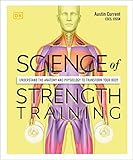
- Current, Austin (Author)
- English (Publication Language)
- 224 Pages – 05/04/2021 (Publication Date) – DK (Publisher)

- 100% Natural Latex
- Natural and Durable: Our pull up assistance bands are made of 100% natural latex from Malaysia, which makes WSAKOUE resistance bands soft and odorless. The resistance bands can remain high elastic after years of training and exercising
- Multifunctional for Workout: Adding resistance and weight to your workout with the workout bands makes exercise more effective. These exercise bands is ideal for pull up assistance, adding resistances to press-up, speed training, bench press, squat, shoulder press etc
- For All Strength Level: With different strength levels, these exercise bands will help you upgrade your fitness training from a newbie to a veteran. These fitness bands can be used alone or combined multiple workout bands to increase the challenge. Start now and build your dream body
- A Set Train Different Parts of Body: The gym bands is perfect for men and women tone their arms, back, legs, and butt, chest, core, ABS and increase your body flexibility. Our stretch bands also show their excellent performance in physical therapy, weight loss, injury rehabilitation, speed training and more
1. Guided support from Body Muscle Matters
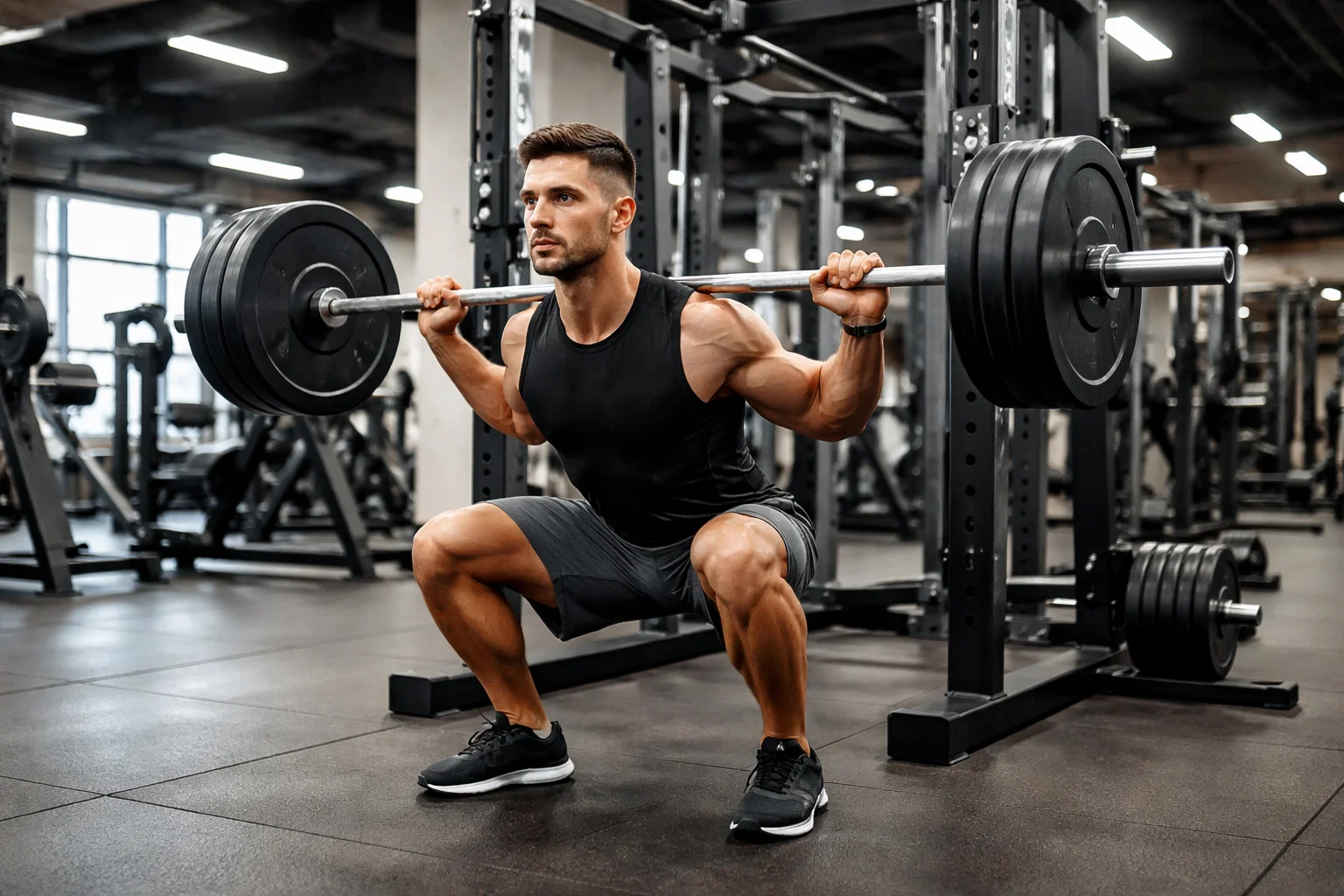
Before diving into specific strength training benefits, you need reliable information that cuts through the noise. Body Muscle Matters provides practical, no-nonsense guidance for your fitness journey, whether you’re picking up weights for the first time or trying to understand how lifting fits into your health goals. Our articles break down complex topics into easy-to-understand advice that you can put to work right away, helping you make sense of everything from technique to nutrition without feeling overwhelmed by conflicting information.
Why having a trusted guide multiplies the benefits
You can find endless fitness content online, but trustworthy sources backed by science help you avoid wasted time on ineffective methods. Body Muscle Matters combines research-based information with real-world experience so you understand not just what to do but why it works. This foundation lets you maximize every strength training benefit by making informed decisions about your routine.
How Body Muscle Matters simplifies strength training
Our categorized content covers body building, muscle science, nutrition, and fitness accessories in one place so you don’t have to piece together advice from dozens of sources. You’ll find beginner-friendly explanations alongside deeper dives for when you’re ready to learn more, with articles organized by topic for easy navigation when you need specific answers.
Using Body Muscle Matters to build a beginner plan
If you’re starting from zero, our articles on simple workouts and basic movement patterns give you a clear path forward. Body Muscle Matters provides step-by-step guidance on safe progression so you build strength without injury, with practical tips on tracking your progress and staying motivated through the early weeks.
When you have clear, reliable information from the start, you build confidence faster and avoid common mistakes that derail beginners.
When self-education is enough and when to seek a coach
Reading Body Muscle Matters articles gives you solid foundational knowledge for most training situations. However, if you have existing injuries, chronic conditions, or complex goals, consider working with a qualified personal trainer or physical therapist who can assess your individual needs and modify exercises for your specific situation.
2. More strength for daily life
The practical strength training benefits you notice first happen outside the gym when everyday movements suddenly feel easier. You build functional strength that directly transfers to carrying groceries, lifting luggage, or playing with your kids without getting winded. Research shows that regular resistance exercise improves your ability to perform daily activities by increasing muscle strength and endurance, making real-world tasks less taxing on your body.
How strength training builds usable muscle
When you lift weights, your muscles adapt by getting stronger and more efficient at producing force. Your body recruits more muscle fibers during each contraction and improves the coordination between muscle groups. This doesn’t just mean bigger muscles; it means better neuromuscular control that makes every movement more powerful and controlled, from standing up from a chair to reaching overhead.
Everyday tasks that get easier as you get stronger
You’ll notice significant improvements in routine activities after just a few weeks of consistent strength work. Carrying heavy items becomes manageable, climbing stairs stops leaving you breathless, and moving furniture no longer requires help. Your improved core stability makes bending and twisting safer, while stronger legs make getting up from low surfaces effortless.
Building strength through resistance training makes daily physical demands feel less challenging and helps you maintain independence as you age.
Performance benefits for sports and active hobbies
Strength training boosts your athletic performance across nearly every activity, from running faster to hitting a golf ball farther. You generate more power in explosive movements, maintain better form during long efforts, and recover quicker between activities. Sports that require speed, jumping, or repeated movements all benefit from a stronger muscular foundation.
Safe starting points if you feel very weak now
If you currently struggle with basic movements, start with bodyweight exercises like wall pushups, sitting down and standing up from a chair, or holding a plank position for a few seconds. You can also use resistance bands for gentler strength work that still challenges your muscles. Progress slowly by adding one or two reps each week rather than jumping to heavier weights too quickly.
3. More muscle and less body fat
One of the most visible strength training benefits is the change in your body composition over time. You gain lean muscle tissue while losing body fat, creating a leaner, more defined physique even if the scale doesn’t move much. Studies show that resistance training increases muscle mass while reducing fat, particularly around your midsection, giving you a healthier body composition that goes far beyond what weight alone can tell you.
Body composition basics and why muscle beats weight
Your body composition measures the ratio of muscle to fat in your body, which matters more than total weight for your health and appearance. Muscle tissue is denser than fat, meaning it takes up less space pound for pound. Two people at the same weight can look completely different depending on their muscle-to-fat ratio, with the more muscular person appearing leaner and more toned.
How lifting reshapes your physique over time
Strength training causes muscle protein synthesis that builds and repairs muscle fibers, gradually increasing muscle size and definition. You’ll notice your arms, shoulders, and legs developing more shape while your waistline shrinks. This reshaping happens slowly but consistently, with visible changes typically appearing after 8 to 12 weeks of regular training as your body replaces fat tissue with metabolically active muscle.
Building muscle through consistent lifting creates lasting changes in how your body looks and functions, delivering results that cardio alone can’t match.
Why strength training boosts fat loss results
Lifting weights creates a strong fat-burning environment in your body through multiple mechanisms. Your muscles require energy during and after workouts, burning calories even while you rest. Research demonstrates that combining strength training with calorie control leads to greater fat loss than diet alone, while helping you preserve the muscle tissue that keeps your metabolism running efficiently.
Common myths about getting bulky from lifting
Many people, especially women, worry that lifting weights will make them bulky or overly muscular. The truth is that building significant muscle mass requires years of dedicated training with heavy weights and specific nutrition. Your natural hormone levels, particularly testosterone, largely determine how much muscle you can build. Typical strength training simply creates a toned, athletic appearance without extreme size, giving you a stronger, leaner look rather than a bodybuilder physique.
4. Higher metabolism and weight control
Another major advantage among strength training benefits is how resistance exercise revs up your metabolism and helps you manage your weight for the long haul. Your body burns more calories at rest when you have more muscle tissue, making weight control easier without extreme dieting. Research shows that building muscle increases your metabolic rate significantly, helping you burn additional calories throughout the day even when you’re sitting at your desk or sleeping at night.
How muscle tissue raises your resting metabolic rate
Muscle is metabolically active tissue that requires constant energy just to maintain itself, unlike fat tissue which needs very little. Each pound of muscle you add burns approximately 6 to 10 extra calories per day at rest, and while that might sound modest, it adds up quickly as you gain strength. Your body works harder to support muscle tissue, creating a higher baseline calorie burn that makes maintaining or losing weight significantly easier over time.
The afterburn effect after a strength workout
Strength training creates excess post-exercise oxygen consumption (EPOC), meaning your body continues burning extra calories for 14 to 48 hours after you finish your workout. This afterburn effect happens because your body needs energy to repair muscle tissue, replenish fuel stores, and return to its normal state. Heavy resistance workouts with compound movements generate the strongest afterburn, giving you metabolic benefits that extend far beyond your gym session.
Building muscle through strength training creates a metabolic advantage that helps you control your weight without endless cardio or extreme calorie restriction.
Why lifting helps you keep weight off long term
When you lose weight through diet alone, you typically lose both fat and muscle, which slows your metabolism and makes regaining weight easier. Strength training preserves and builds muscle during weight loss, helping you maintain a higher metabolic rate that prevents the rebound weight gain many dieters experience. Your improved body composition means you can eat more food while staying lean.
Notes for women and older adults with slower metabolisms
Women and older adults often experience slower metabolic rates due to hormonal changes and natural muscle loss with age. Strength training becomes especially important for these groups because it counteracts metabolic decline by building and preserving muscle tissue. You can boost your metabolism at any age through consistent lifting, helping offset the natural slowdown that occurs after age 30 or during menopause.
5. Stronger bones and joint protection

Among the most important long-term strength training benefits is how lifting weights protects your skeletal system from age-related decline. Your bones become denser and stronger when you regularly stress them through resistance exercise, while the muscles surrounding your joints provide crucial stability that prevents injury. Research confirms that strength training increases bone density and reduces the risk of osteoporosis, making it one of the most effective ways to maintain skeletal health as you get older.
What happens to your bones and joints as you age
Your bone density naturally peaks around age 30 and then gradually declines, with women experiencing faster loss after menopause due to dropping estrogen levels. Joints lose cartilage cushioning over time, leading to stiffness and increased risk of osteoarthritis. Without intervention, these changes make fractures from falls much more likely and can significantly limit your mobility and independence in later decades.
How lifting tells bone-building cells to get to work
Weight-bearing exercises create temporary stress on your bones that signals specialized cells called osteoblasts to strengthen the skeleton. Your bones respond by laying down new mineral deposits and becoming denser where you apply force. This process happens progressively as you increase the load on your bones through heavier weights or more challenging bodyweight movements.
Strength training sends your body a clear message to rebuild stronger bones, counteracting the natural loss that comes with aging.
Joint stability and fewer sprains and overuse injuries
Building muscle around your joints creates natural protective support that reduces wobbling and improper movement patterns. Stronger muscles take pressure off ligaments and tendons, lowering your risk of sprains, strains, and repetitive stress injuries. You’ll notice better knee tracking during stairs, more stable ankles during walking, and less shoulder pain from overhead activities.
Why women around menopause need strength training
Women lose bone density up to 20% in the five to seven years following menopause, putting them at dramatically higher risk for osteoporosis and fractures. Strength training becomes essential during this period because it’s one of the few proven methods to slow or reverse bone loss even after menopause begins. Starting a lifting routine before or during this transition provides the strongest protection against future fractures.
6. Better balance mobility and flexibility
One of the often overlooked strength training benefits is how building muscle improves your balance, mobility, and flexibility in ways that keep you moving well through daily life. You develop better body control and coordination as stronger muscles stabilize your joints and support smoother movement patterns. Research shows that resistance training increases joint range of motion and flexibility just as effectively as traditional stretching, while also providing the added benefit of stronger muscles to support that improved mobility.
How stronger muscles improve balance and coordination
Your muscles contain proprioceptors that tell your brain where your body is in space, and stronger muscles send clearer signals that improve your balance and coordination. You maintain better postural control during single-leg movements and respond faster when you lose balance. This neuromuscular improvement happens because strength training challenges your stabilizer muscles to work harder, creating better overall body awareness.
Strength training for more range of motion not less
Contrary to the old myth that lifting makes you stiff, properly performed strength exercises increase your flexibility by taking joints through their full range of motion under load. You build strength at end ranges of movement that many people never access, creating both mobility and the muscular control to use it safely. Full-depth squats, overhead presses, and Romanian deadlifts all stretch and strengthen simultaneously.
Building strength through full range of motion exercises creates flexible, mobile joints supported by muscles strong enough to control them.
Fewer slips trips and falls with better control
Improved balance from strength training dramatically reduces your fall risk, particularly as you age. Your body catches itself faster when you stumble, and you have the leg strength needed to recover from awkward positions without going down. This protection becomes increasingly valuable after age 65 when falls become a leading cause of serious injury.
Strength moves that double as mobility work
You get excellent mobility work from compound exercises like lunges, step-ups, and Turkish get-ups that challenge your range of motion while building strength. Focus on controlled movement through the deepest position you can safely reach, gradually expanding your range as your strength improves.
7. Lower risk of injury and pain
One of the most protective strength training benefits is how resistance exercise reduces your injury risk and helps manage existing pain conditions. You build stronger connective tissues and more resilient joints that withstand daily stress better, while improved muscle balance corrects movement patterns that cause chronic discomfort. Studies show that strength training cuts acute sports injuries by one-third and reduces overuse injuries by nearly 50%, making it one of your best defenses against both sudden and gradual damage.
Building resilient knees hips shoulders and back
Your joints stay healthy when the muscles surrounding them are strong enough to absorb impact and maintain proper alignment during movement. Stronger quads and hamstrings protect your knees from tracking problems, while robust glutes and core muscles keep your hips and lower back stable. Regular lifting creates thick, resilient tendons and ligaments that resist tears and strains, giving your joints the support system they need to handle whatever you throw at them.
Using strength training to manage chronic pain
Research demonstrates that progressive resistance exercise effectively reduces chronic low back pain, arthritis discomfort, and neck pain when performed correctly. You strengthen the muscles that support painful areas while improving blood flow to damaged tissues, promoting healing and reducing inflammation. Many people find that consistent strength work provides better long-term pain relief than medications or passive treatments.
Building strength in muscles that support vulnerable areas often provides lasting pain relief that other approaches can’t match.
Technique and progression to avoid overuse injuries
You prevent overuse injuries by learning proper form for each exercise before adding weight and progressing gradually rather than jumping to heavy loads. Focus on controlled movement through the full range of motion, and avoid increasing weight by more than 5-10% per week. Listen to your body and back off when you feel sharp pain or unusual discomfort.
When to get medical clearance before you start
Get approval from your doctor before starting strength training if you have heart disease, uncontrolled high blood pressure, recent surgery, or chronic joint problems. Anyone over 40 who hasn’t exercised recently should also check with their physician first. Your doctor can identify any medical limitations and help you start safely.
8. Heart health and blood pressure
Among the cardiovascular strength training benefits, resistance exercise improves your heart health and blood pressure in ways that complement traditional cardio work. Your heart becomes more efficient, your blood vessels function better, and your cardiovascular disease risk drops significantly when you lift weights regularly. Research from the American Heart Association confirms that regular strength training decreases blood pressure and improves overall heart health markers, making it an essential part of any heart-protective fitness program.
What research shows about lifting and heart disease risk
Studies demonstrate that strength training reduces your risk of heart disease by improving multiple cardiovascular factors simultaneously. You experience better cholesterol ratios with higher HDL (good cholesterol) and lower LDL (bad cholesterol) levels after consistent lifting. Research shows that people who strength train regularly have significantly lower rates of heart attacks and strokes compared to those who don’t, with benefits appearing even at moderate training volumes.
Effects on blood pressure cholesterol and circulation
Lifting weights lowers your blood pressure both immediately after workouts and over the long term through sustained adaptations. Your blood vessels become more elastic and responsive, improving circulation throughout your body and reducing strain on your heart. Regular strength work also decreases total cholesterol levels and reduces inflammation markers that contribute to arterial plaque buildup.
Building strength through resistance training protects your heart by improving blood pressure, cholesterol, and circulation in ways that reduce your cardiovascular disease risk.
How often and how hard to lift for heart benefits
You gain significant heart protection from two to three strength sessions per week, with each workout lasting 20 to 30 minutes. Focus on moderate intensity that challenges your muscles without maxing out, as this provides cardiovascular benefits without excessive stress. Compound movements like squats and rows offer the strongest heart benefits because they engage large muscle groups.
Tips if you already have heart or blood pressure issues
Get clearance from your doctor before starting if you have diagnosed heart disease or uncontrolled hypertension. Avoid holding your breath during lifts, which spikes blood pressure, and instead breathe steadily throughout each repetition. Start with lighter weights and higher reps until your doctor confirms your condition is stable, then progress gradually under medical supervision.
9. Better blood sugar control
One of the most powerful metabolic strength training benefits is how resistance exercise helps your body manage blood sugar levels more effectively. Your muscles become better at pulling glucose from your bloodstream and using it for energy, which reduces insulin resistance and lowers your risk of type 2 diabetes. Research shows that strength training significantly improves blood sugar control and can reduce your diabetes risk by up to 30% compared to people who don’t lift weights.
The role of muscle in using glucose and insulin
Your skeletal muscle acts as a massive glucose disposal system that removes sugar from your blood and stores it for energy. When you build more muscle through strength training, you create additional storage capacity for glucose and improve insulin sensitivity throughout your body. Stronger muscles pull glucose from your bloodstream more efficiently during and after exercise, helping keep your blood sugar stable.
Benefits for prediabetes and type 2 diabetes
Lifting weights provides significant help if you have prediabetes or type 2 diabetes by making your cells more responsive to insulin. You’ll likely see lower fasting blood sugar readings and better A1C levels after several weeks of consistent training. Many people with type 2 diabetes reduce their medication needs when they combine strength work with proper nutrition.
Building muscle through regular lifting creates a powerful glucose management system that helps prevent and control diabetes naturally.
Combining strength training with nutrition changes
You maximize blood sugar improvements by pairing strength training with controlled carbohydrate intake and consistent meal timing. Focus on protein-rich meals that support muscle growth while avoiding blood sugar spikes. This combination works better than either approach alone.
Safety tips for training with diabetes
Check your blood sugar before and after workouts, especially if you take insulin or diabetes medications that can cause low blood sugar. Carry fast-acting glucose and avoid training when your blood sugar is already too low or too high. Work with your doctor to adjust medications as your insulin sensitivity improves through consistent lifting.
10. Better mood and brain health
The mental and cognitive strength training benefits extend far beyond physical changes, as resistance exercise significantly improves your mood, stress response, and brain function over time. Lifting weights alters your brain chemistry in positive ways while providing psychological benefits that enhance your mental health. Research shows that regular strength training reduces symptoms of anxiety and depression while protecting against age-related cognitive decline, making it a powerful tool for maintaining both emotional well-being and mental sharpness throughout your life.
How lifting changes brain chemistry and stress response
Strength training triggers the release of endorphins and other mood-boosting neurotransmitters that create feelings of well-being and reduce stress. Your body also produces more brain-derived neurotrophic factor (BDNF), a protein that supports brain cell growth and protects existing neurons from damage. These chemical changes improve your ability to handle stress and create a more positive emotional baseline that carries over into your daily life.
Evidence for less anxiety and depression with lifting
Studies demonstrate that resistance exercise significantly reduces anxiety symptoms and depressive feelings in people across all age groups. You experience mood improvements even if you don’t have diagnosed mental health conditions, with benefits appearing after just a few weeks of consistent training. The combination of chemical changes, accomplishment feelings, and improved self-image creates multiple pathways through which lifting enhances mental health.
Building strength creates measurable improvements in brain chemistry and mental health that help you feel better emotionally and handle stress more effectively.
Strength training and sharper memory as you age
Older adults who lift weights show better memory function and cognitive performance compared to those who don’t strength train. The increased BDNF levels and improved blood flow to your brain during and after workouts support brain health and may slow age-related decline. Regular lifting helps protect against cognitive impairment and keeps your mind sharp as you get older.
Mental skills you build under the bar
Lifting teaches you valuable psychological skills like discipline, patience, and goal-setting that transfer to other areas of your life. You learn to push through discomfort, track progress systematically, and celebrate small wins. The mental toughness you develop facing challenging sets builds confidence that extends beyond the gym.
11. Healthy aging and independence
The long-term strength training benefits become most evident as you age, when maintaining muscle mass directly determines your quality of life and independence. You preserve your ability to live without assistance and reduce your risk of the frailty that limits so many older adults when you keep lifting weights into your later decades. Research shows that strength training is essential for healthy aging because it counteracts the natural muscle loss that begins around age 30 and accelerates after 60, helping you maintain the physical capacity to care for yourself and enjoy life fully.
Why muscle is a key to healthy lifespan and healthspan
Your muscle mass serves as a metabolic reserve that protects you against illness and helps you recover from injuries or surgery faster as you age. People with more muscle live longer on average and spend fewer years dealing with disability before death, a measure called healthspan. Maintaining strength keeps your body functioning optimally and delays the onset of age-related limitations.
Staying independent with strength as you get older
Lifting weights preserves your ability to perform essential daily activities like bathing, dressing, grocery shopping, and climbing stairs without help. Your maintained muscle strength means you can continue living independently in your own home rather than requiring assisted care. This independence contributes enormously to life satisfaction and mental health in your senior years.
Maintaining muscle through regular strength training keeps you independent and able to care for yourself as you age, dramatically improving your quality of life.
Strength training falls and fracture risk in seniors
Older adults who lift weights experience significantly fewer falls and fractures compared to those who don’t train. Your improved balance and bone density combine to protect you from the devastating injuries that often lead to nursing home placement. Even modest strength improvements reduce fall risk substantially.
Simple weekly plans for older beginners
Start with two 20-minute sessions per week focusing on bodyweight exercises like chair squats, wall pushups, and standing leg lifts. Add light dumbbells or resistance bands once bodyweight movements feel comfortable. Progress slowly by adding repetitions before increasing weight.
12. Better body image and confidence
The psychological strength training benefits extend to how you see yourself and your confidence levels across all areas of life. You develop a more positive relationship with your body when you focus on what it can do rather than just how it looks, while achieving measurable goals builds self-esteem that carries into work and relationships. Research shows that strength training significantly improves body image and self-worth, particularly for women and adolescent girls who often struggle with appearance-based pressures.
How focusing on strength improves body image
When you train for strength, you shift your attention from appearance metrics to performance achievements, which creates a healthier body image over time. You start appreciating your body for its capabilities rather than judging it purely on aesthetics. This mindset change reduces the negative self-talk and body dissatisfaction that plague so many people.
Focusing on what your body can accomplish rather than how it looks creates lasting improvements in how you feel about yourself.
Self esteem benefits especially for women and girls
Studies in young women and adolescent girls demonstrate significant increases in self-esteem and physical self-worth after participating in strength training programs. You build confidence through concrete evidence of your growing capabilities, which combats the external pressure to meet unrealistic beauty standards. Lifting creates a sense of empowerment that extends far beyond the gym.
Setting performance goals instead of scale goals
You maintain better motivation by tracking strength gains like adding weight to your squat or completing more pullups rather than obsessing over scale weight. Performance goals give you clear targets to work toward and celebrate regular progress, while scale-based goals often lead to frustration and unhealthy behaviors.
Tracking progress to stay motivated over the long term
Recording your workouts and measuring strength improvements helps you see consistent advancement even during plateaus. You build lasting motivation by reviewing how far you’ve come over weeks and months of training.
Putting strength to work

You now understand how the thirteen strength training benefits covered in this article can transform your health, from stronger bones and better blood sugar control to improved mood and lasting independence as you age. These advantages work together to create a healthier, more capable version of yourself that handles daily life with greater ease and confidence.
Starting your lifting journey doesn’t require expensive equipment or hours at the gym. You can begin with bodyweight exercises at home and progress at your own pace, building strength gradually while minimizing injury risk. The key is consistency over weeks and months rather than perfection in any single workout.
Your next step is putting this knowledge into action with a structured plan that fits your schedule and goals. Body Muscle Matters offers practical guides and science-backed advice to help you design your strength routine, choose the right exercises, and stay motivated through every stage of your fitness journey. Start with two sessions per week and build from there, tracking your progress as you experience these benefits firsthand.
