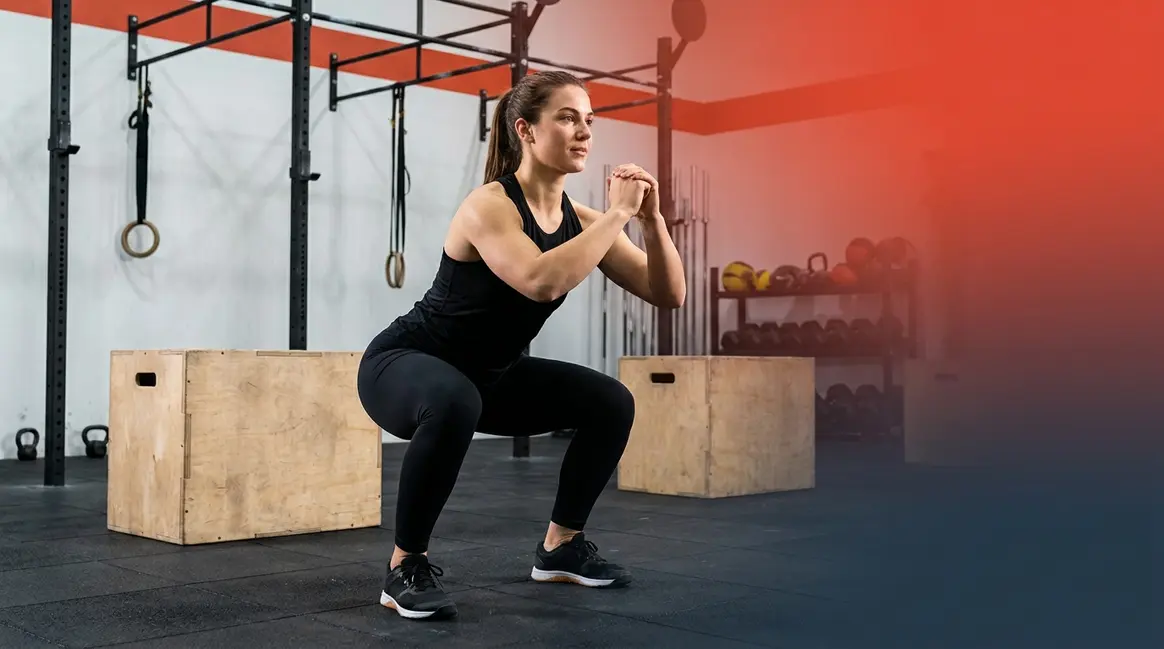
10 Proven Benefits of HIIT Training
You’ve probably heard it before: HIIT burns fat longer after your workout ends, and you don’t have to spend nearly as much time doing it. That’s not hype — it’s what a growing body of clinical research consistently confirms. A 2026 meta-analysis of university students found that HIIT significantly reduced body fat percentage and improved VO2 max (your body’s ability to use oxygen efficiently) compared to control groups. And a 2026 NIH review confirmed that the fat-burning and cardiovascular benefits of a 20-minute HIIT session rival those of a 45-to-60-minute steady jog.
Every week you spend doing long, slow cardio instead of HIIT means more time on the treadmill, less metabolic impact, and zero afterburn benefit. You’re not failing — you just haven’t switched yet.
By the end of this guide, you’ll know exactly what HIIT does to your body, which of its 10 proven benefits of HIIT training matter most for your goals, and how to start safely — even if you’ve never done a high-intensity workout in your life. We cover the science, the honest comparison to traditional cardio, beginner scheduling, real risks, and specific guidance for men and adults 65+. We’ve intentionally left out supplement protocols and nutrition timing — those topics deserve their own dedicated guides.
Key Actionable Trends in HIIT Science (2026)
HIIT delivers 10 clinically validated benefits — cardiovascular, metabolic, and cognitive — in as little as 20 minutes per session. The Sprint-Rest-Adapt Cycle is the mechanism behind every one of them.
- Fat loss: HIIT burns calories for 14+ hours after your workout ends via the EPOC afterburn effect
- Brain health: Regular HIIT (3x/week) increases BDNF, protecting cognitive function — with benefits lasting up to 5 years in clinical follow-ups
- Time savings: 20 minutes of HIIT matches 45–60 minutes of steady-state cardio for aerobic gains, per multiple RCTs
What Is HIIT? Sprint-Rest-Adapt Cycle
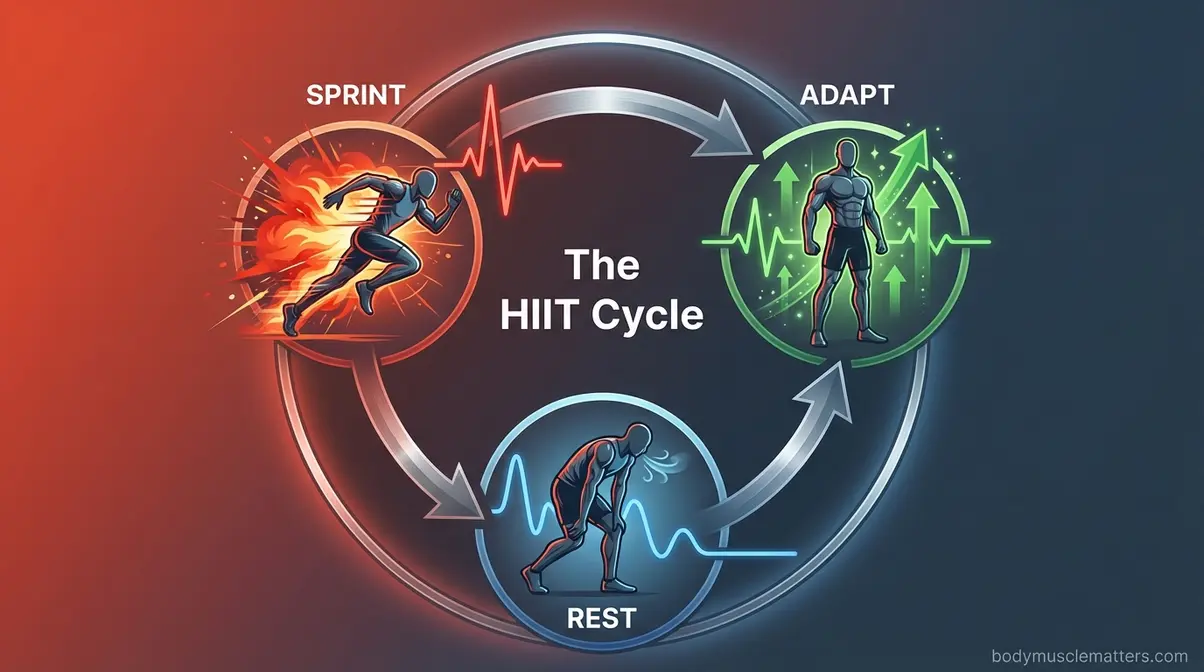
HIIT — High-Intensity Interval Training — is simply alternating short bursts of maximum effort with recovery periods. That’s it. Sprint, rest, repeat.
The mechanism behind every benefit on this list is what our team calls The Sprint-Rest-Adapt Cycle: intense effort → structured recovery → systemic adaptation. Your body gets pushed hard, repairs itself during rest, and comes back slightly stronger each time. It’s not complicated; it’s just consistent stress followed by consistent recovery.
Here’s the part that surprises most beginners: “high intensity” is relative. Walking briskly uphill for 30 seconds qualifies. You don’t need to sprint like an Olympic athlete. If your heart rate spikes and you’re breathing hard, you’re doing HIIT. The cycle works the same way regardless of your fitness level.
Top 10 Benefits of HIIT Training
Our team evaluated dozens of clinical studies — prioritizing meta-analyses and randomized controlled trials — to confirm these as the 10 most evidence-backed benefits of HIIT training:
- Improved cardiovascular health and VO2 max
- Better blood markers — lower triglycerides, higher HDL cholesterol
- Enhanced brain function via BDNF production
- The afterburn effect — burns fat for 14+ hours post-workout
- Targets visceral (belly) fat specifically
- Matches steady-state cardio results in half the time
- Preserves lean muscle mass during fat loss
- Versatile — works on a treadmill, with weights, or using just bodyweight
- Beginner-accessible in as little as 20 minutes
- Safe and effective for adults 65+ when properly scaled
**
Each benefit has its own clinical story. Let’s start with what happens inside your cardiovascular system the moment a HIIT session begins.
How We Evaluated These HIIT Benefits
Our team evaluated these 10 benefits by ranking clinical evidence strength — meta-analyses and randomized controlled trials (RCTs) took priority over single studies; peer-reviewed sources from NIH PubMed, PMC, and Harvard Health formed the foundation. No fitness blog or commercial site served as primary evidence.
All technical terms are defined as they appear throughout this guide. If you encounter a word you don’t know, look for the parenthetical explanation right next to it — we’ve made sure every clinical term is translated into plain English before we ask you to believe anything it claims.
Heart, Blood Markers, and Brain Benefits
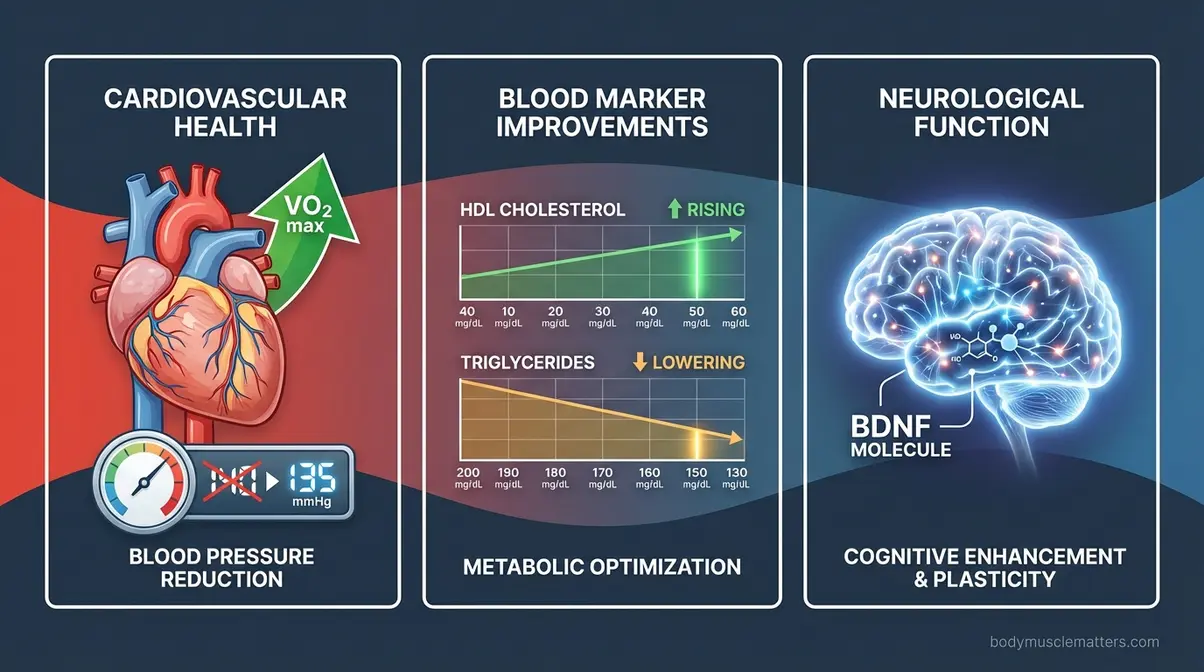
The health benefits of HIIT training span three systems at once: your cardiovascular system, your blood chemistry, and your brain. At Body Muscle Matters, we consider this HIIT’s greatest insight: all three improvements trace back to the same physiological mechanism: the Sprint-Rest-Adapt Cycle, where your body is forced to rebuild stronger during recovery, not just during the workout itself. Even conservative HIIT effort — fast walking followed by slow walking, for example — triggers these adaptations.
You’re not just training your heart. You’re running a cardiovascular workout for your brain at the same time.
Does HIIT lower triglycerides?
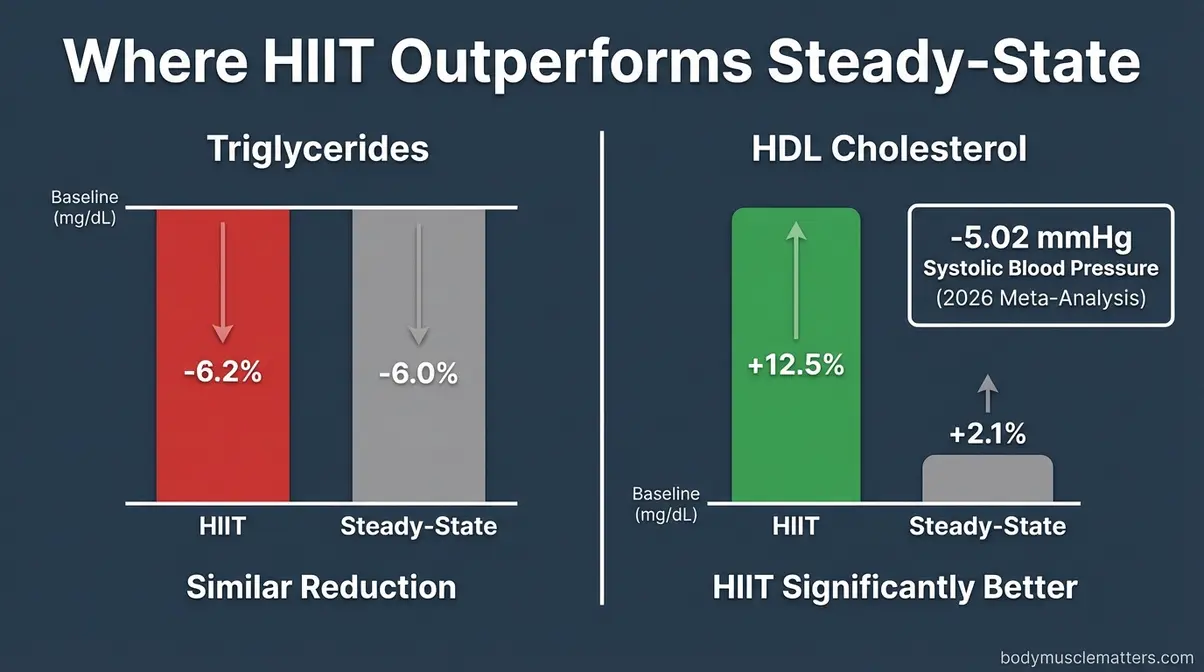
HIIT consistently produces measurable improvements in cardiovascular fitness, and the 2026 clinical data is clearer than ever. A 2026 meta-analysis of sedentary populations found that HIIT significantly reduced systolic blood pressure by an average of 5.02 mmHg and diastolic blood pressure by 2.35 mmHg — meaningful reductions for anyone at risk of hypertension. A separate PMC narrative review confirmed improvements in vascular elasticity and endothelial function (the health of your artery walls), both key markers of long-term heart health.
VO2 max — your body’s maximum capacity to use oxygen during exercise — also improves reliably with HIIT. A higher VO2 max means your heart and lungs work more efficiently. In practical terms: climbing stairs feels easier, you recover from exertion faster, and your energy levels stabilize throughout the day. Clinical trials comparing eight-week HIIT programs to no-exercise control groups recorded significant VO2 max increases across age groups.
The blood marker nuance that most HIIT articles miss: HIIT performs similarly to steady-state cardio for lowering triglycerides (fatty molecules in your blood linked to heart disease risk), but it significantly outperforms steady-state for raising HDL cholesterol — high-density lipoprotein (HDL), the “good” cholesterol that actively clears fat deposits from your arteries. This distinction matters when your doctor reviews your lipid panel.
Caption: A visual breakdown of how HIIT shifts your HDL and triglyceride levels differently than steady-state cardio — a distinction most guides ignore.
“HIIT reduces systolic blood pressure by over 5 mmHg, making it one of the most time-efficient cardiovascular interventions available” (PMC meta-analysis).
The cardiovascular evidence is well-established. But what happened recently surprised even researchers — HIIT does something equally powerful to your brain.
BDNF and Long-Term Brain Protection
Brain-Derived Neurotrophic Factor — BDNF — is a protein your brain releases in response to intense exercise. Think of it as fertilizer for your neurons. It helps the brain build new neural connections and repair existing ones. Until recently, researchers knew exercise increased BDNF. What they didn’t know was how long the benefits lasted.
A late 2026 NIH systematic review confirmed that HIIT interventions significantly increase BDNF levels, with the most consistent evidence supporting regular HIIT as the most effective exercise modality for acutely raising BDNF — more effective than moderate-intensity continuous exercise. A separate network meta-analysis of 22 RCTs involving 656 participants recorded a standardized mean difference of 1.49 in BDNF increase for HIIT versus control conditions. This directly supports neuroplasticity — your brain’s ability to rewire and strengthen itself.
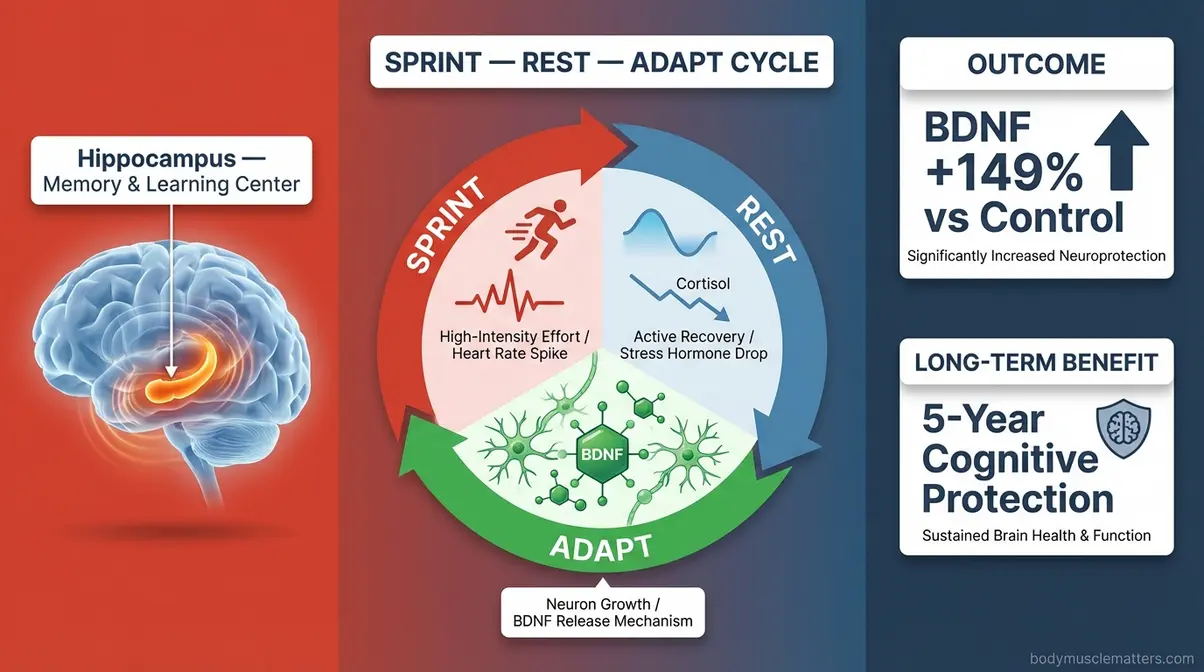
Caption: The Sprint-Rest-Adapt Cycle in action at the neurological level — how each intense interval prompts BDNF release in the hippocampus.
The longer-term story is what separates HIIT from nearly every other exercise modality. A 2026 study published in Aging and Disease — summarized by Harvard Health — enrolled 151 healthy adults aged 65 to 86 in a six-month program of three weekly HIIT sessions. Only the HIIT group showed measurable improvements in hippocampal function — the hippocampus being the part of your brain responsible for memory and learning. At a five-year follow-up, those cognitive improvements had persisted, even among participants who were no longer actively training.
“Regular HIIT interventions significantly increase BDNF levels in the brain, supporting neuroplasticity and long-term cognitive protection” (NIH PubMed study).
In plain terms: HIIT may help protect your memory and learning ability for years beyond your last workout.
HIIT Fat Loss & Afterburn Effect
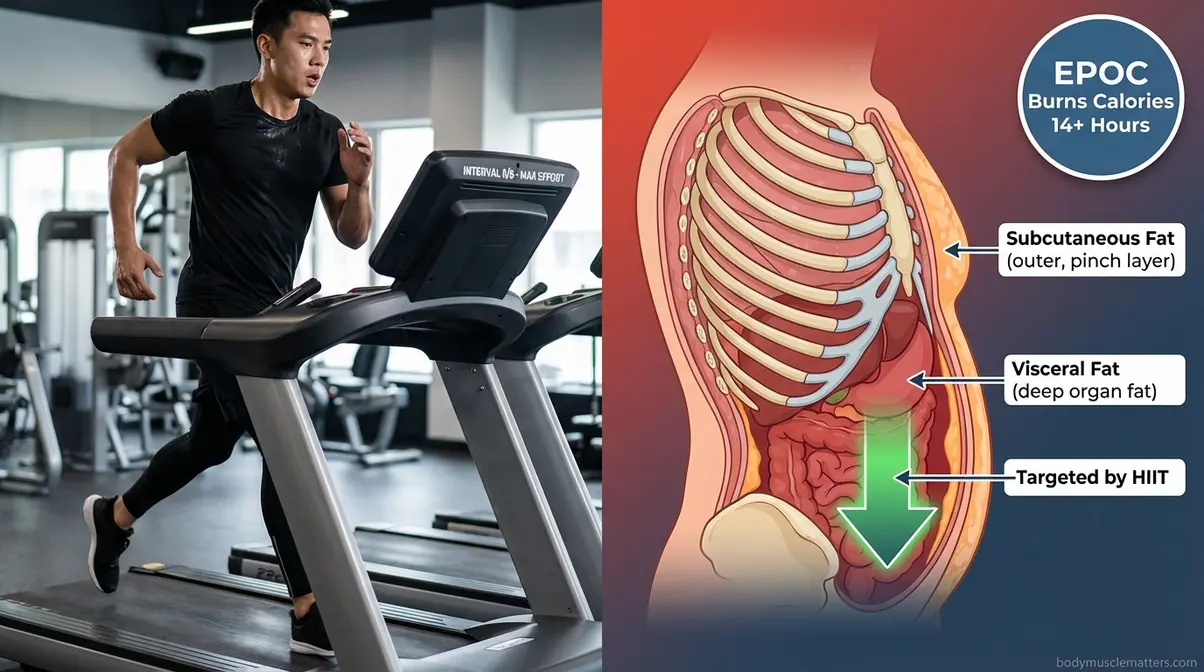
“HIIT will burn fat longer after your workout and you don’t have to spend as much time doing HIIT.”
This is what most people already sense about HIIT before they ever try it. The science confirms it precisely. The fat-burning mechanism behind this — the one that separates HIIT from slow-and-steady cardio — has a name: EPOC.
What Is EPOC?
EPOC stands for Excess Post-exercise Oxygen Consumption. Your body’s more common name for it is the afterburn effect. Here’s what actually happens: during a HIIT session, your body burns through its oxygen reserves and depletes glycogen (stored carbohydrate) at a rapid rate. When the workout ends, your body needs extra oxygen to restore those reserves, clear metabolic byproducts, and return systems to their resting state. That recovery process requires energy — which means calories keep burning for hours after your shoes hit the floor.
A PMC study comparing HIIT and circuit resistance training found that both protocols produced at least 168 additional calories burned from the time exercise ended through the 14-hour post-workout measurement point. The afterburn isn’t a massive number per session, but across a week of three HIIT workouts, it compounds meaningfully — particularly alongside the direct calorie burn during the session itself.
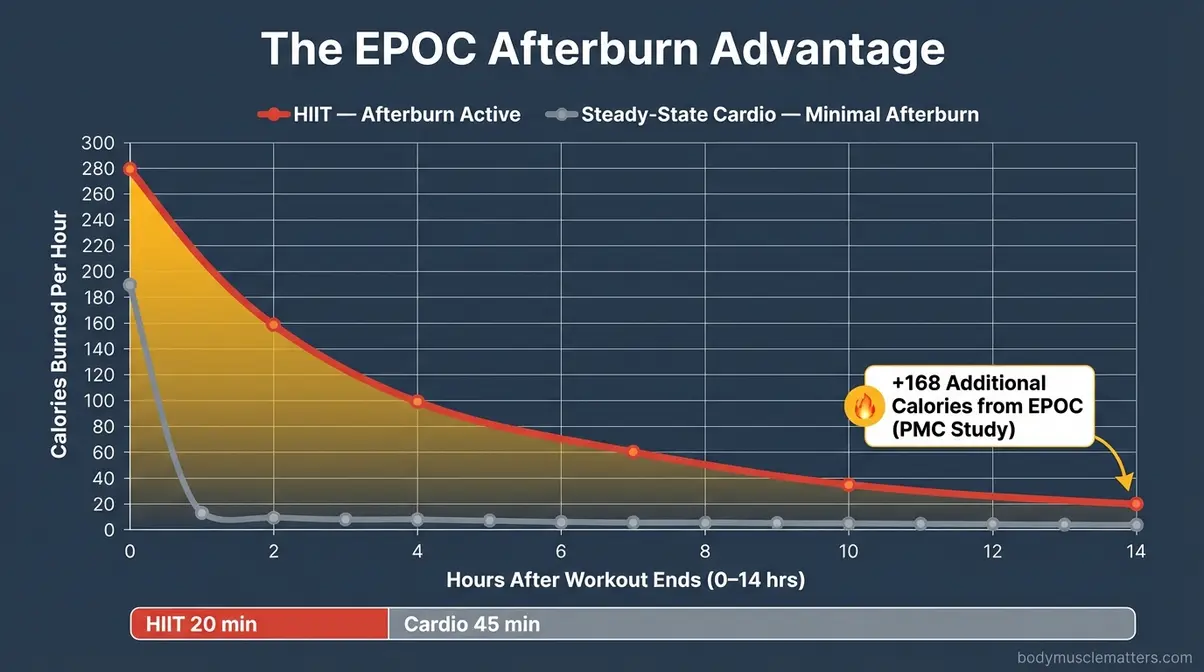
Caption: HIIT’s afterburn curve stays elevated for hours post-workout — a metabolic advantage that slow-and-steady cardio doesn’t produce at the same scale.
For beginners, this means a 20-minute HIIT session keeps working after you step off the treadmill. You’re essentially getting a metabolism boost while watching TV or cooking dinner. That’s the sprint-rest-repeat principle applied to your whole day.
Targeting Visceral Belly Fat
Not all body fat is equal. Subcutaneous fat sits just beneath your skin — the pinchable kind. Visceral fat sits deeper, wrapped around your organs, and is strongly linked to insulin resistance, cardiovascular disease, and metabolic syndrome. HIIT targets both — but it has a particularly documented effect on visceral fat.
A 2026 NIH meta-analysis of 28 RCTs found that interval training significantly reduced visceral adipose tissue (deep belly fat) compared to non-exercise control groups, with more pronounced results in participants with overweight or obesity and in interventions lasting 12+ weeks. Low-volume HIIT — under 15 minutes of high-intensity work per session — actually produced more pronounced fat loss results than high-volume protocols in cycling-based studies.
A 2026 PMC review reinforced a useful nuance: HIIT and continuous aerobic training produce similar effects on total body fat over time — but HIIT achieves those effects in substantially less total exercise time. The time-per-result ratio is where HIIT pulls ahead.
“Interval training reduces visceral adipose tissue significantly, making 12-week protocols highly effective for targeting dangerous deep belly fat” (NIH meta-analysis).
HIIT vs. Traditional Cardio
The most common beginner objection to HIIT isn’t about intensity — it’s about legitimacy. Surely a 20-minute workout can’t match an hour of jogging. Clinical research consistently shows it can.
Equal Gains in Half the Duration
A well-cited PMC study compared two HIIT protocols against steady-state training across eight weeks. Both approaches produced comparable improvements in aerobic capacity (VO2 max) and anaerobic performance in previously sedentary participants. An 18–19% increase in VO2 max was documented across both steady-state and HIIT groups — achieved in roughly half the total exercise time with HIIT protocols.
A 2026 PMC meta-analysis of young and middle-aged adults confirmed the same finding: HIIT’s effect on fat loss and cardiorespiratory fitness is similar to or better than moderate-intensity continuous training (MICT), with the advantage shifting toward HIIT for younger participants.
This matters for time-conscious beginners specifically. You don’t need to carve out an hour. You need 20 minutes and the willingness to work hard during those intervals.
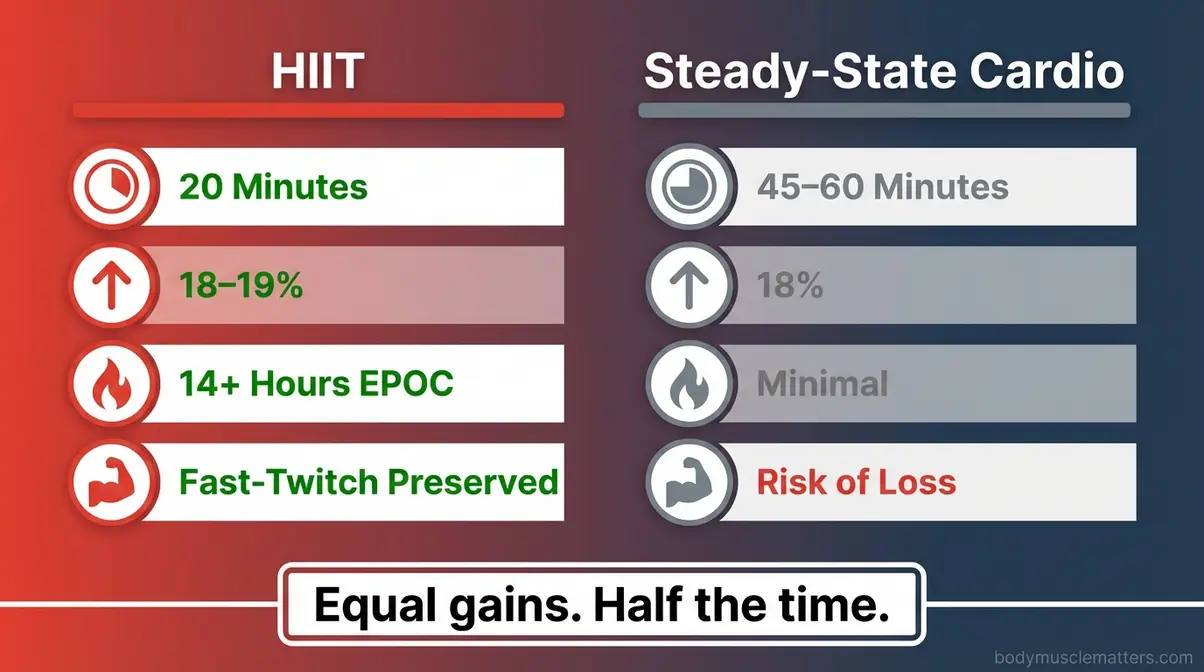
Caption: Equal VO2 max gains, roughly half the time investment — this is what makes HIIT the practical choice for busy schedules.
Why HIIT Preserves Muscle Mass
Extended steady-state cardio — particularly when combined with a calorie deficit — can trigger your body to break down muscle tissue for fuel. This is sometimes called “going catabolic,” and it’s a real concern for anyone trying to lose fat while maintaining strength.
HIIT sidesteps this problem through two mechanisms. First, it recruits fast-twitch muscle fibers (the type used in explosive, intense movement) that steady-state cardio largely ignores. Stimulating these fibers signals your body to preserve them. Second, the relatively short duration of HIIT sessions limits the window in which cortisol (a stress hormone that can promote muscle breakdown) stays elevated.
Research and expert consensus consistently note that HIIT is better for muscle preservation than prolonged steady-state cardio — especially when paired with resistance training. For anyone who strength trains and wants cardiovascular fitness without sacrificing muscle, HIIT is the more compatible option.
“An 18% VO2 max increase occurs with HIIT while simultaneously stimulating fast-twitch muscle fibers to preserve lean mass during fat loss.”
Treadmill, Weights & Bodyweight
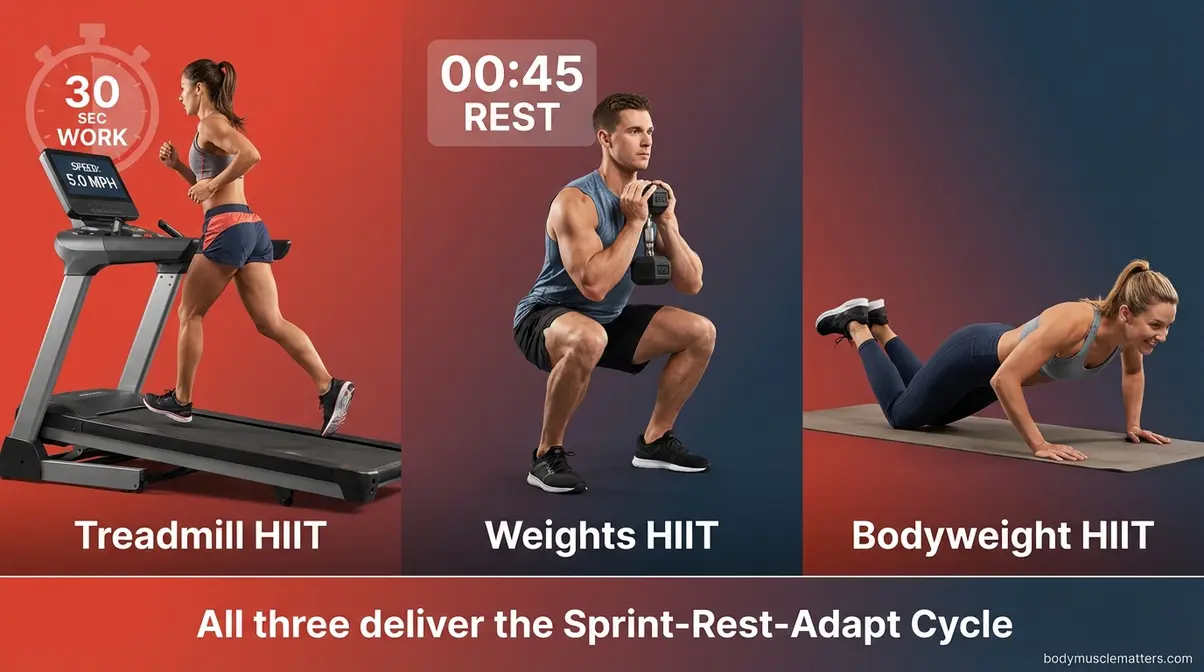
One of the most underrated benefits of HIIT training is its flexibility. You don’t need a gym membership, special equipment, or even a lot of space. The sprint-rest-repeat structure works across almost every exercise format.
Beginner Treadmill HIIT Protocol
The treadmill is the most beginner-friendly HIIT environment because you control the speed directly, and the pace is consistent. Here’s a foundational 20-minute beginner protocol:
Tools/materials needed: Treadmill, water bottle, stopwatch or treadmill timer. Estimated time: 20 minutes total.
- Warm up (3 minutes): Walk at a comfortable pace — around 3.0–3.5 mph. Let your heart rate rise gently. This is not part of your HIIT intervals.
- Interval 1 — Work phase (30 seconds): Increase speed to your “hard but manageable” pace — for a true beginner, this might be a brisk 4.0–4.5 mph walk with incline, or a slow jog at 5.0–5.5 mph. You should be breathing hard enough that full sentences are difficult.
- Interval 1 — Rest phase (90 seconds): Drop back to a slow walk (2.5–3.0 mph). Breathe fully. Let your heart rate come down — this recovery is not optional, it’s half the workout.
- Repeat steps 2–3 for 6–8 rounds (total: 12–16 minutes of intervals).
- Cool down (3–4 minutes): Walk slowly. Never stop abruptly after high-intensity work.
Older adult modification: Replace the “work phase” with a 30-second fast walk at 3.5–4.0 mph with 2% incline. The cardiovascular challenge is real; the joint impact is minimal.
HIIT With Weights
HIIT with weights — sometimes called metabolic conditioning — combines the fat-burning and cardiovascular benefits of HIIT with the muscle-building stimulus of resistance training. The format is the same: intense effort followed by deliberate rest.
A beginner weight-based HIIT circuit (20 minutes, bodyweight + light dumbbells):
- Goblet squat (light dumbbell, 30 seconds work / 45 seconds rest)
- Dumbbell row (each side, 30 seconds work / 45 seconds rest)
- Alternating reverse lunges (bodyweight, 30 seconds work / 45 seconds rest)
- Push-up variation (knee push-ups fully count, 30 seconds work / 45 seconds rest)
Repeat the circuit 2–3 times. The key is treating the rest period seriously — complete recovery between rounds maintains workout quality and reduces injury risk. The benefits of HIIT strength training and cardiovascular training are not separate; this format delivers both simultaneously.
“Replacing a 60-minute jog with 20 minutes of treadmill HIIT burns equivalent calories while drastically reducing repetitive joint impact.”
Beginner HIIT Scheduling
⚠️ Medical Disclaimer (Programming Section): The schedules below are general guidelines for healthy adults. If you have a cardiovascular condition, musculoskeletal injury, metabolic disorder, or are over 65 with any chronic health concern, consult your physician before following any programming schedule in this section.
The biggest beginner mistake with HIIT isn’t doing it wrong — it’s doing it too often. Because HIIT feels productive and the sessions are short, it’s tempting to do them daily. That’s where burnout and injury start.
The 2-3 Days Per Week Rule
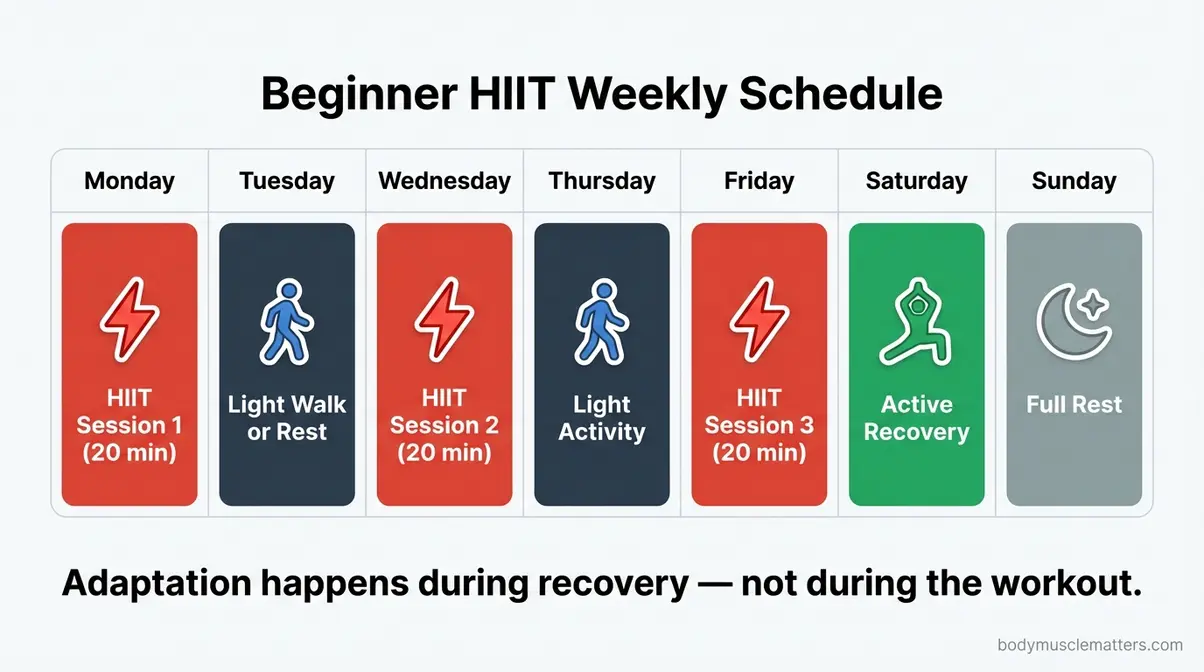
Clinical guidelines from Harvard Health and exercise physiology consensus recommend 2–3 HIIT sessions per week for beginners, with at least one full recovery day between each session. This isn’t arbitrary caution — it reflects the physiology of the Sprint-Rest-Adapt Cycle.
Adaptation happens during recovery, not during the workout. When you do HIIT, you create micro-stress in your muscles, cardiovascular system, and nervous system. Your body responds to that stress by rebuilding slightly stronger during rest. Interrupt that recovery phase with another HIIT session and you prevent the adaptation, accumulate fatigue, and increase injury risk.
A practical beginner schedule:
| Day | Activity |
|---|---|
| Monday | HIIT Session 1 (20 min) |
| Tuesday | Light walk or rest |
| Wednesday | HIIT Session 2 (20 min) |
| Thursday | Light activity or rest |
| Friday | HIIT Session 3 (20 min) |
| Saturday | Active recovery (yoga, swimming) |
| Sunday | Full rest |
For older adults, a 2026 PMC systematic review found that three HIIT sessions per week produced optimal cardiometabolic improvements — and that four-session-per-week protocols actually reduced effectiveness due to accumulated fatigue.
“Completing just 2 to 3 HIIT sessions per week maximizes cardiovascular adaptation, whereas 5 sessions can actually reduce effectiveness due to accumulated fatigue.”
Is 20 minutes of HIIT cardio enough?
Twenty minutes of HIIT is enough — and the research is consistent on this point. The eight-week RCT referenced earlier achieved significant aerobic gains with HIIT protocols in the 20-to-30-minute range, comparable to much longer steady-state sessions. The 2026 Harvard Health BDNF study used six-month programs with four-minute intervals (four intervals per session at 85–95% of maximum heart rate, with three-minute recovery periods) — sessions that total under 30 minutes including warmup.
For fat loss specifically, a 2026 NIH meta-analysis found that low-volume HIIT — under 15 minutes of high-intensity work per session — produced more pronounced visceral fat reduction than high-volume protocols. More isn’t better when intensity is already high.
The minimum effective dose for beginners: 8 rounds of 30 seconds hard / 60 seconds easy, plus warmup and cooldown. That’s 20 minutes. That’s real work. That’s enough.
The Real Risks of HIIT
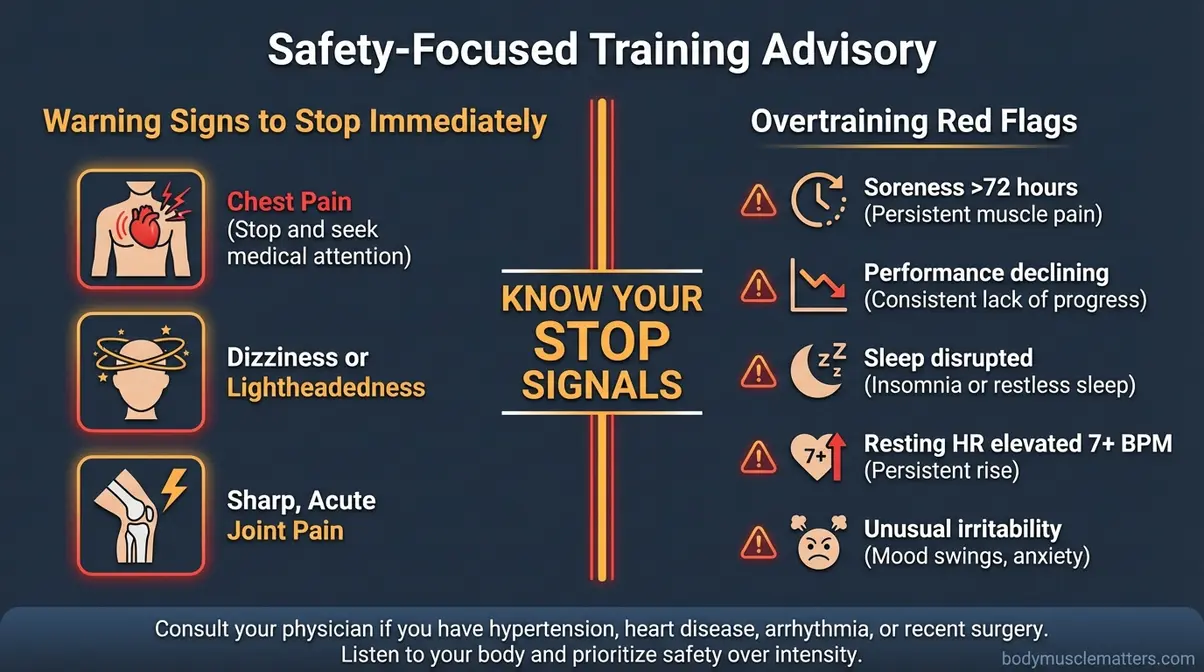
Honesty about risk is part of what makes HIIT guidance trustworthy. HIIT is safe for most people — but “most people” has important boundaries. This section covers what can go wrong and who should approach HIIT with extra caution.
Signs You’re Overdoing HIIT
Doing HIIT every day — or even five days a week as a beginner — can push your body past the recovery capacity that makes the Sprint-Rest-Adapt Cycle work. When recovery can’t keep up with stress, performance stops improving. Here’s what overtraining looks like:
Common Pitfalls and Warning Signs:
- Persistent muscle soreness (beyond 48–72 hours): Normal DOMS (delayed onset muscle soreness) peaks at 24–48 hours post-session and subsides. Soreness that lingers past 72 hours or gets worse with each session is a signal to rest.
- Declining workout performance: If your intervals feel harder at the same speed after two weeks, not easier, recovery is incomplete.
- Sleep disruption: HIIT elevates cortisol (a stress hormone). Too-frequent sessions can elevate baseline cortisol, disrupting sleep quality — which is itself required for recovery.
- Elevated resting heart rate: Check your heart rate each morning before getting out of bed. A resting rate 7+ beats higher than your usual baseline suggests your body is still under stress.
- Mood changes and irritability: Chronic training fatigue affects the nervous system. Unusual irritability or lack of motivation to exercise is a real physiological signal, not a motivation problem.
When to choose alternatives: If you experience any of the above for more than a week, switch to two weeks of moderate-intensity walking or yoga and let your body fully recover. HIIT will still be there when you return.
Who Should Avoid or Modify HIIT
Certain conditions require physician clearance before starting HIIT — and in some cases, HIIT is not appropriate regardless of modifications.
- Consult your physician first if you have any of the following:
- Uncontrolled hypertension (high blood pressure above 180/110 mmHg)
- Known coronary artery disease or a history of heart attack
- Arrhythmia (irregular heartbeat) that hasn’t been evaluated during exercise
- Recent orthopedic surgery or acute joint injury
- Type 1 diabetes with poor glycemic control
- Pregnancy (HIIT protocols require individualized guidance from an OB-GYN)
- HIIT is generally not appropriate without medical supervision for:
- Individuals with unstable angina (chest pain at rest)
- Those with severe heart failure (reduced ejection fraction below 35%)
- Anyone recently discharged from hospital for a cardiac event (within 6 weeks)
For adults with controlled hypertension, mild joint osteoarthritis, or Type 2 diabetes, HIIT is often safe and clinically beneficial — but with modifications (lower intensity targets, low-impact movements like cycling or pool-based intervals, and closer heart rate monitoring). Always seek expert guidance when chronic conditions are involved.
“Extending HIIT beyond 20-30 minutes sharply elevates cortisol levels, shifting the body from an adaptive fat-burning state into counterproductive muscle breakdown.”
HIIT for Men, Adults 65+ & Busy Pros
The physiological benefits of HIIT training are universal. But how they manifest — and how you should program for them — differs meaningfully across demographics.
Male Hormonal & Performance Perks
For men, HIIT has documented interactions with testosterone — the primary androgenic hormone involved in muscle building, recovery, and energy — though the picture is more nuanced than popular fitness content suggests.
Acute HIIT sessions transiently increase testosterone levels via stimulation of the HPG (hypothalamic-pituitary-gonadal) axis. However, a 2026 systematic review of 15 RCTs noted that very high-intensity training can suppress testosterone during the initial 48-72 hour recovery window due to cortisol antagonism — the reason why rest days aren’t optional. The net effect of regular (not daily) HIIT on male hormonal health is positive: research on animal models found that consistent HIIT elevated testicular testosterone levels and counteracted the metabolic damage of high-fat diets.
For practical purposes, men benefit from HIIT most when it’s paired with resistance training rather than used as a replacement for it. The combination of interval cardio stimulus and resistance training stimulus supports both hormonal optimization and muscle preservation better than either approach alone.
HIIT After 65: Safe Modifications
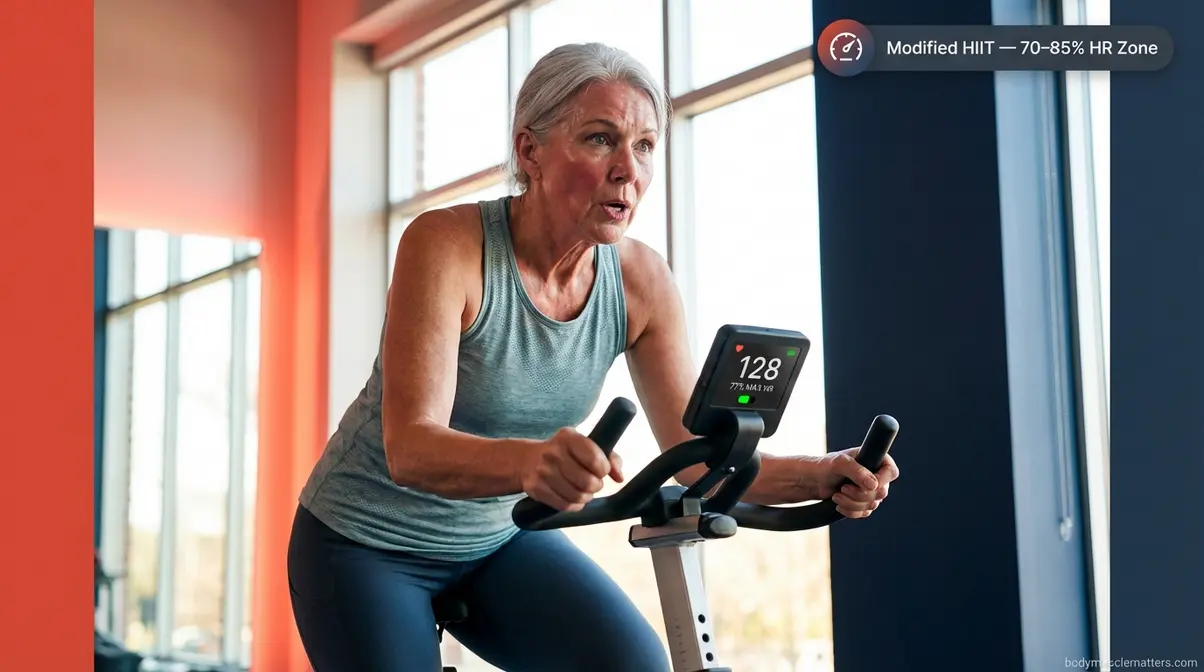
The concern is understandable: high intensity sounds dangerous for older adults. The research says otherwise — with appropriate modifications.
A 2026 study published in Aging and Disease specifically enrolled adults aged 65–86 in a six-month HIIT program. Participants performed three weekly sessions of four-minute intervals at 85–95% of maximum heart rate. Results: measurable improvements in hippocampal function, cognitive performance, and cardiovascular markers — with the cognitive benefits lasting at least five years in follow-up evaluation.
A 2026 PMC systematic review confirmed that HIIT improves cardiometabolic health and quality of life in older adults, and that 11% gains in lower limb strength and 10% increases in gait speed (walking pace) are achievable — both critical for fall prevention.
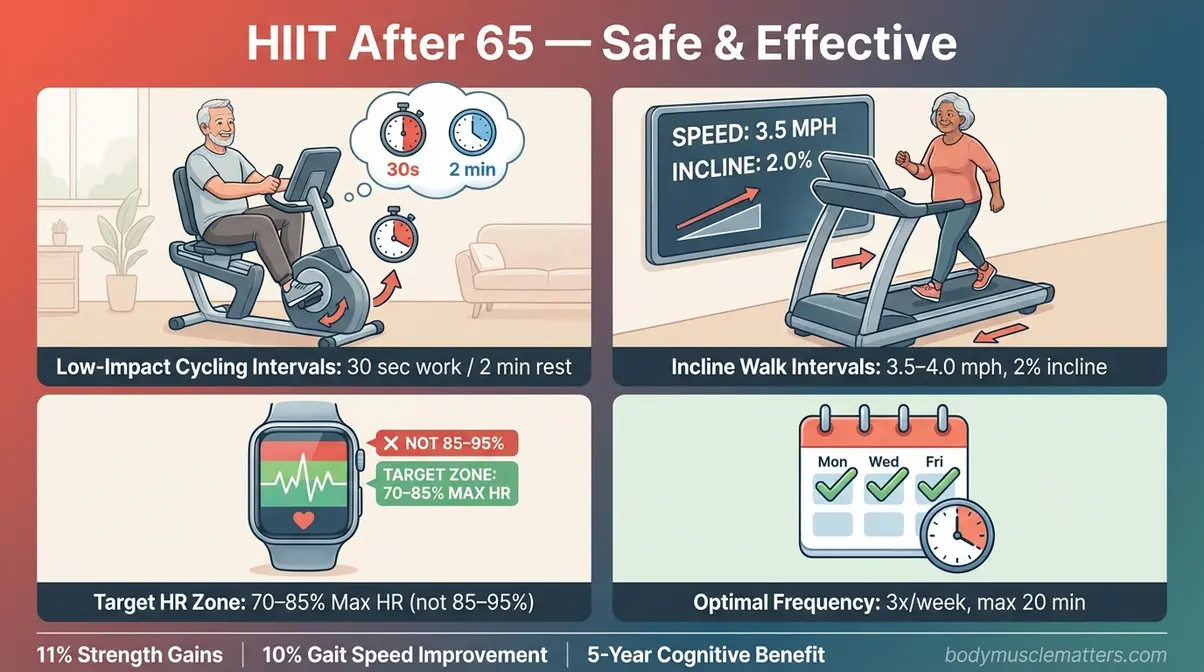
Caption: Effective HIIT for adults 65+ doesn’t require sprinting — low-impact interval formats produce the same cardiovascular and cognitive adaptations.
- Safe modifications for adults 65+:
- Replace running intervals with brisk walking at incline (treadmill) or stationary cycling (low joint impact)
- Use longer work-to-rest ratios: 30 seconds work, 2 minutes rest (versus 30 seconds work, 60 seconds rest for younger adults)
- Keep sessions to 20 minutes maximum initially, building to 25 minutes over 4–6 weeks
- Prioritize physician clearance and, where possible, supervised sessions for the first 4–6 weeks
- Target heart rate zones of 70–85% of maximum HR (rather than 85–95%) during work intervals
For busy professionals of any age, the programming is the same: three 20-minute sessions per week, scheduled in your calendar like meetings. The Sprint-Rest-Adapt Cycle doesn’t require your full afternoon — it requires your full effort for 20 minutes.
“Adults over 65 achieve up to 11% gains in lower limb strength from modified HIIT protocols, directly enhancing fall prevention and mobility” (PMC systematic review).
Common Questions About HIIT – Answered
How many times a week should I do HIIT?
Beginners should perform HIIT just 2 to 3 times per week to ensure adequate systemic recovery. Because high-intensity intervals severely tax both your cardiovascular and central nervous systems, taking at least one full recovery day between sessions is completely mandatory. Research on sedentary populations confirms that hitting three sessions weekly yields optimal cardiometabolic improvements (PMC study). In contrast, attempting 4 or 5 sessions often triggers chronic fatigue and actually reduces overall effectiveness. Starting with just two sessions per week helps ease beginners into the Sprint-Rest-Adapt Cycle safely.
What happens if I do HIIT every day?
Doing HIIT every single day actively prevents your body from completing the adaptation phase of the Sprint-Rest-Adapt Cycle. This severely limits cardiovascular progress while drastically increasing your risk of joint injuries and systemic overtraining. Common warning signs of overtraining include lingering soreness beyond 72 hours, elevated resting heart rates, disrupted sleep, and general irritability.
Can beginners do HIIT training safely?
Yes, beginners can certainly perform HIIT safely if they scale the intensity to their current fitness level. Instead of full sprints, a beginner might use a brisk uphill walk or low-impact stationary cycling for their high-intensity intervals. Modifying the work-to-rest ratio (like working for 30 seconds and resting for 90 seconds) prevents dangerous cardiovascular strain. As always, consulting a physician before beginning is recommended if you have underlying joint or heart conditions.
How long does the HIIT afterburn effect last?
The physiological afterburn effect, scientifically known as Excess Post-exercise Oxygen Consumption (EPOC), can remain active for 14 hours or more following a grueling session (PMC study). This occurs because your body requires vast amounts of extra energy to restore depleted oxygen reserves, clear out metabolic waste, and repair muscle tissue. While the total post-workout calorie burn per session is modest, it compounds significantly when performing HIIT multiple times a week.
Caveats – When HIIT Isn’t the Right Choice
Context Limitations
HIIT is not universally the best option. For individuals recovering from acute cardiovascular events, orthopedic surgery, or who are in the first trimester of pregnancy, HIIT is contraindicated regardless of general fitness level. People with autonomic nervous system dysfunction — a condition that impairs heart rate response to exertion — may find standard HIIT protocols clinically inappropriate.
For those managing severe obesity (BMI above 40), high-impact HIIT formats (running, jumping) carry joint stress risks that may exceed the cardiovascular benefit in the short term. Low-impact formats like cycling-based HIIT or pool intervals represent a better entry point.
Adoption Risk Assessment
The biggest implementation risk for beginners is compressed recovery — starting with three sessions in the first week before the body has adapted. Timeline reality: allow 2–3 weeks at two sessions per week before advancing to three. Visceral fat reduction requires 12+ weeks of consistent practice to show measurable change, and expecting faster results often leads to overtraining or abandonment.
When to Seek Expert Help
If you have more than one cardiovascular risk factor (hypertension, elevated cholesterol, family history of heart disease, smoking history), invest in at least two sessions with a certified personal trainer or exercise physiologist before going solo. If you experience chest tightness, unusual shortness of breath at low effort, or heart palpitations during HIIT, stop immediately and consult your physician. These symptoms are not to be self-managed.
What the Science Is Telling You to Do Next
The evidence across cardiovascular health, brain function, fat loss, and long-term cognitive protection points consistently in the same direction: regular, properly recovered HIIT is one of the most physiologically efficient forms of exercise available to a healthy adult.
The 2026 research confirms what the 2024 research said, and what the 2023 research suggested before it: the Sprint-Rest-Adapt Cycle isn’t a theory. It’s a documented physiological loop. Your heart rate spikes, your BDNF surges, your body burns visceral fat for hours after you stop — and your cardiovascular system, brain, and metabolism all come back slightly stronger each time you complete the cycle and allow full recovery.
The compounding effect is where HIIT’s real power emerges. Brain health and cardiovascular fitness don’t improve in isolation — they reinforce each other. Better VO2 max means more efficient oxygen delivery to the brain during HIIT, which amplifies BDNF release, which supports the cognitive resilience that keeps you motivated to train. The Sprint-Rest-Adapt Cycle, run consistently three times per week, starts stacking these benefits within the first four to six weeks.
For your first week: choose one modality — treadmill walking intervals, bodyweight circuits, or stationary cycling — and complete two 20-minute sessions with a full rest day in between. Don’t add a third session until week three. Don’t push for sprint speeds; push for elevated heart rate. If you’re breathing too hard to hold a conversation, you’re working hard enough.
The only real barrier left is starting. The Sprint-Rest-Adapt Cycle will handle everything after that.
Related posts:
Benefits of Yoga for Fitness: The Science-Backed Guide
Home Workouts to Build Muscle Without Weights (2026)
CrossFit Strength Training for Beginners: 2026 Guide
Home Workout Plan for Beginners: 30-Day Step-by-Step
How to Self Massage Calves: The 4-Layer Method Guide
Strength Training for Beginners: Complete Workout Plan 2026

Callum
Hi, I'm Callum, the founder of Body Muscle Matters. I'm not a certified trainer, I'm a self taught lifter who started this site to share what I've learned from my own training and a lot of trial and error. Everything here comes from real experience and honest research, written the way I'd explain it to a friend who is just getting started. My goal is simple: practical, no hype fitness advice you can actually use.