Reviewed by: Dr. Sarah M. Chen, MD, Sports Medicine | Written by: James Harlow, CSCS, CPT
You’re showing up. You’re putting in the reps. But your body isn’t changing — and that’s one of the most demoralizing feelings in fitness. You’re not alone. This exact frustration echoes across every gym forum and fitness community online:
“I’m a skinny high schooler and trying to get bigger in muscle, but track is happening and wondering if I should do it or not.”
That confusion — not knowing which variable is actually sabotaging your muscle gains — is the real problem. The answer isn’t usually one single thing. What kills muscle gains most often is a combination of mistakes hitting you at the same time. This guide names all seven proven saboteurs, explains the science behind each one in plain English, and gives you a concrete action to fix every single one.
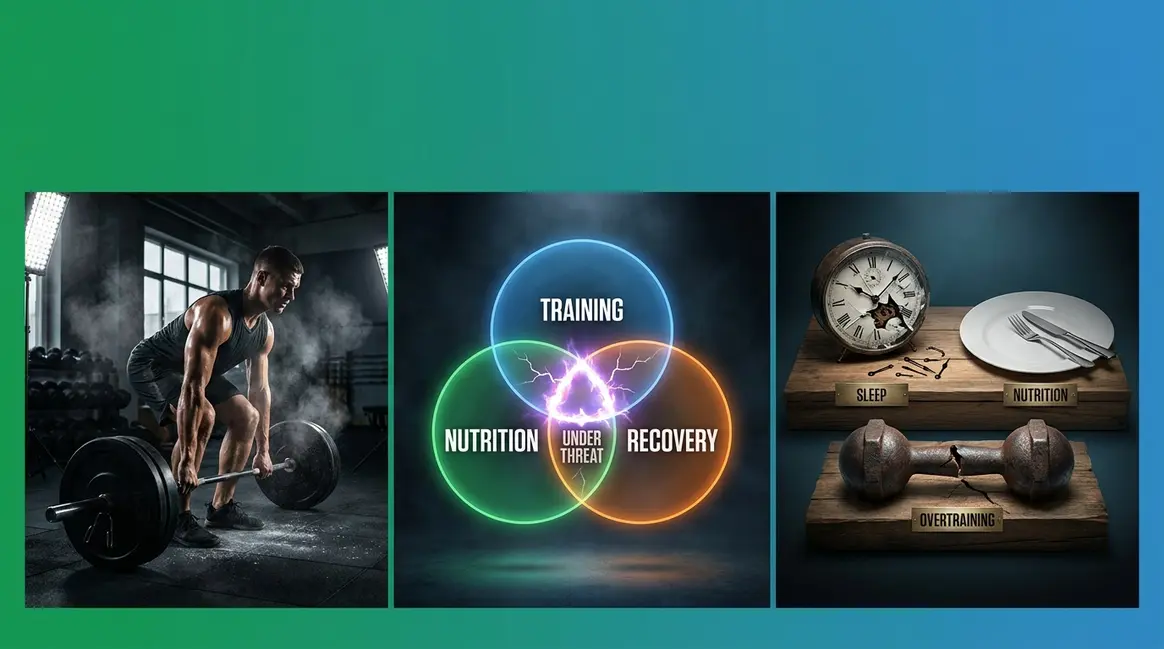
What kills muscle gains is rarely one isolated mistake — it’s the compounding effect of several simultaneous errors stacking against you.
- Nutrition is the foundation: Eating too little or getting too little protein stops muscle growth before training even matters.
- Training errors are sneaky: Skipping progressive overload and using poor form wastes every rep you perform.
- Sleep is non-negotiable: Growth hormone peaks during deep sleep — chronic sleep loss can suppress muscle protein synthesis by up to 18% (PMC, 2021).
- Medical factors matter: Conditions like anemia, high cortisol, and GLP-1 medications can silently block gains — consult your doctor if progress stalls despite correct training and nutrition.
The Gain Killers: Understanding Your Plateau
Understanding what kills muscle gains starts with understanding how muscle actually grows. Most beginners skip this step — and that’s exactly why they stay stuck. Avoiding common weight room blunders is only part of the equation; you must also master the underlying physiology.
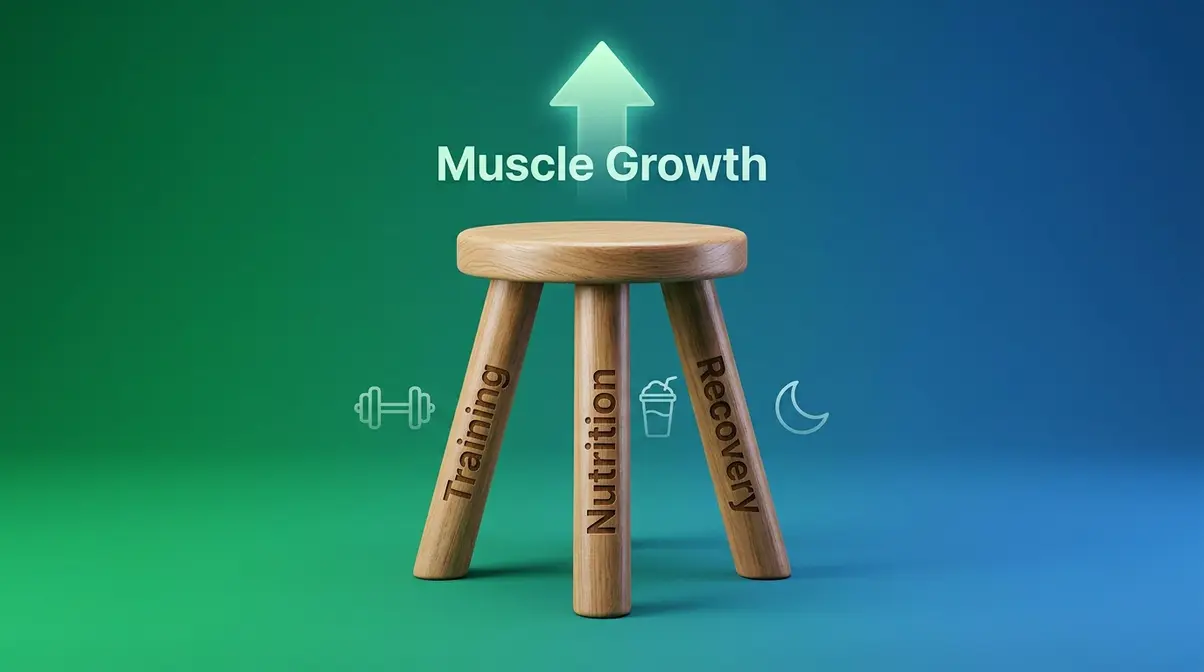
Muscle protein synthesis (MPS) — the process by which your body builds new muscle tissue — only happens when three conditions align: enough training stimulus, enough nutritional fuel, and enough recovery time. Remove any one of those pillars and MPS slows. Remove two or three simultaneously and your gains don’t just slow — they stop.
The Three-Pillar Framework Explained
Think of muscle growth like a three-legged stool. The three legs are training, nutrition, and recovery. Every gain killer in this guide attacks at least one of those legs. Some attack two or three at once.
- Training provides the stimulus — the signal that tells your muscles to grow.
- Nutrition provides the raw materials — calories, protein, and micronutrients your body uses to build new tissue.
- Recovery is when the actual building happens — not in the gym, but during rest and sleep.
Research published by the National Institutes of Health confirms that all three pillars must be sufficiently supported for consistent hypertrophy (muscle growth). Neglecting even one creates a ceiling on your results.
The Gain Killer Stack Effect
Here’s the insight most articles miss. Individual mistakes are bad. But The Gain Killer Stack — the compounding effect of multiple simultaneous saboteurs — is exponentially worse than any single error alone.
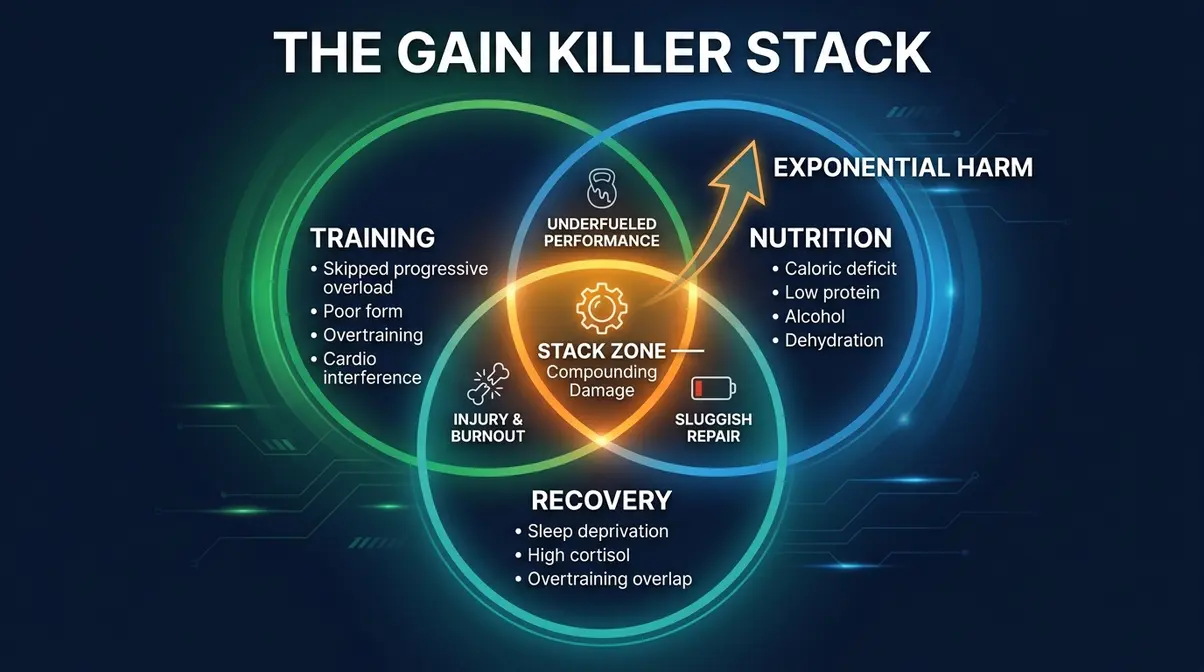
Here’s why compounding matters. Poor sleep raises cortisol (a stress hormone that breaks down muscle). High cortisol suppresses appetite. Suppressed appetite means less protein. Less protein means lower MPS — even if your training is perfect. One bad variable feeds into the next. The interplay between sleep, hormonal balance, and protein metabolism means that fixing just one factor while ignoring others produces minimal results.
The fix: Don’t chase the “one weird trick.” Use the self-diagnosis framework below to identify all the gain killers currently stacking against you — then fix them in order of impact.
How to Diagnose Your Own Plateau
Before you can fix what kills muscle gains, you need to identify which saboteurs are actually active in your life.
- Estimated Time: 10-15 minutes
- What You Need:
- A free calorie tracking app (like MyFitnessPal or Cronometer)
- Your recent training log or workout journal
- A basic TDEE (Total Daily Energy Expenditure) calculator
Follow these diagnostic steps honestly to uncover your specific roadblocks:
Step 1: Calculate Your Daily Caloric Intake
Track everything you eat for three normal days. Compare this average to your Total Daily Energy Expenditure. Are you consistently eating more than you burn each day? If you don’t know your exact numbers, the answer is likely no.
Step 2: Audit Your Daily Protein
Review your food logs specifically for protein content. Are you hitting 0.7–1.0g of protein per pound of bodyweight daily? Many lifters overestimate their intake until they actually measure it.
Step 3: Track Your Sleep Duration
Look at your sleep habits over the past week. Are you getting 7–9 hours of uninterrupted sleep most nights? Sleep debt accumulates quickly and directly blunts recovery.
Step 4: Review Your Training Log
Check your workout history from the last two to three weeks. Have you added weight, reps, or difficulty to your primary exercises? If your numbers are identical to last month, your stimulus has stalled.
If you failed two or more of these steps, you’re already running a Gain Killer Stack. The sections below address each one in detail. Common fitness community reports suggest that most beginners have at least three of these variables working against them simultaneously — without realizing it.
Nutrition Mistakes That Kill Muscle Gains
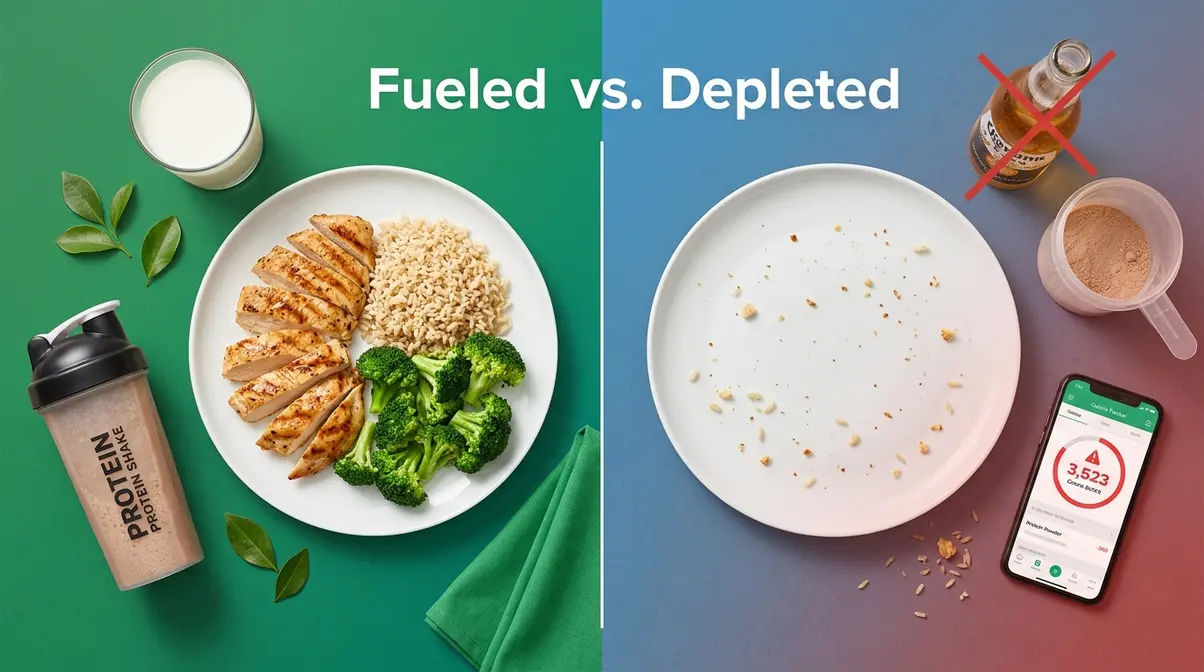
Nutrition is the single most common reason beginners don’t see results. You can train perfectly and still gain nothing if your body doesn’t have the fuel and building blocks it needs. Finding the best diet for muscle growth is crucial. This section covers the nutritional gain killers that research consistently identifies as the most impactful.
Not Eating Enough Calories
Your body needs a caloric surplus — consuming more calories than you burn — to build new muscle tissue. Without extra calories, your body has no raw energy to invest in growth. It’s like trying to build a house with no lumber.
Most beginners dramatically underestimate how much they eat. A 2023 review from the International Society of Sports Nutrition (ISSN) found that many active individuals underreport caloric intake by 12–20%, unknowingly eating at maintenance or even a deficit. When you’re in a caloric deficit (burning more than you eat), your body prioritizes survival — it will break down muscle for energy rather than build new tissue.
Hidden calories burned through daily movement (NEAT) and the thermic effect of food (the energy required to digest your meals) can easily wipe out a small surplus. If you work an active job or fidget frequently, your maintenance calories might be significantly higher than a standard online calculator suggests.
How much of a surplus do you need? Research suggests a modest surplus of 250–500 calories per day above your TDEE is the sweet spot for muscle gain with minimal fat accumulation. Larger surpluses don’t build muscle faster — they mostly add fat.
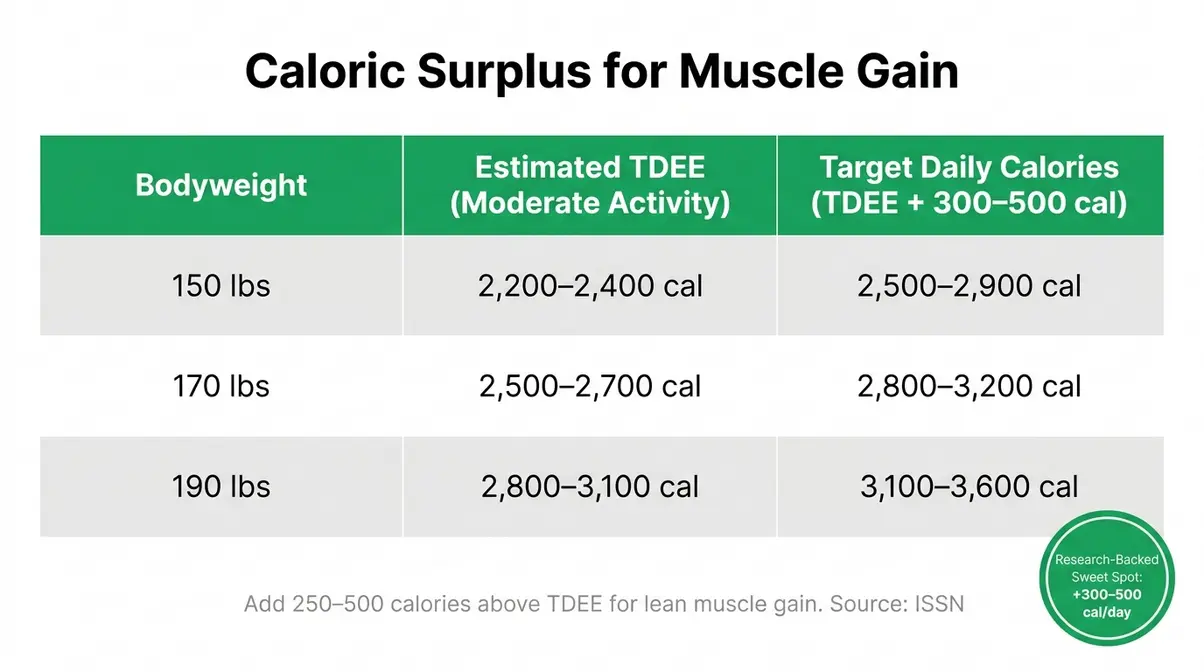
Your action: Calculate your TDEE using a free online calculator. Add 300 calories to that number. Hit that target consistently for four weeks before judging results. Consistency matters more than perfection.
Low Protein Intake and Muscle Growth
Protein is the literal raw material of muscle. Without enough of it, your body cannot repair the microscopic tears that training creates — and those tears are what grow into bigger, stronger muscle fibers. Knowing exactly how much protein per day you need is non-negotiable.
The sports nutrition consensus recommends 0.7–1.0 grams of protein per pound of bodyweight per day for muscle-building goals. For a 160-pound person, that’s 112–160 grams of protein daily. Most beginners eat roughly half that amount.
Beyond just the total amount, protein quality matters. Sources rich in leucine—an essential amino acid—are particularly effective at triggering the mTOR pathway, which acts as the “on switch” for muscle protein synthesis. Animal proteins, dairy, and high-quality soy isolate are excellent sources of leucine.
Spreading protein across 3–4 meals throughout the day is more effective than eating it all at once. Research from the American Journal of Clinical Nutrition (2023) found that muscle protein synthesis is maximized when protein is distributed evenly across meals rather than consumed in one or two large servings.
Your action: Track your protein for three days using a free app (Cronometer or MyFitnessPal). If you’re under your target, add one protein-rich meal or shake per day and recheck.
What Drink Builds Muscle Fast?
Protein shakes (whey, casein, or plant-based) are a practical tool — not because they’re magic, but because they make hitting your daily protein target easier. A whey protein shake delivers 20–30g of fast-digesting protein, which research shows is effective at stimulating MPS when consumed within a few hours of training.
Whole milk is another highly effective option. It provides a balanced mix of fast-digesting whey and slow-digesting casein, alongside calories and leucine (the amino acid most responsible for triggering MPS). However, remember that food-first is always the priority — shakes and milk simply fill the gaps in your whole-food diet.
How Alcohol Kills Muscle Gains
Alcohol is one of the most underestimated gain killers — especially for high schoolers and college-age gym-goers. It doesn’t just add empty calories. It actively interferes with the biological process of muscle building.
Research published in PLOS ONE found that acute alcohol consumption reduced muscle protein synthesis by approximately 24% following resistance exercise — even when protein intake was adequate. Alcohol also suppresses testosterone (a key anabolic hormone), elevates cortisol, disrupts sleep architecture, and impairs glycogen (energy) replenishment.
Furthermore, alcohol is a diuretic — it causes dehydration, and even mild dehydration (2% body weight loss in fluids) has been shown to reduce strength performance by 2–3%. Every drink is working against your gains on multiple fronts simultaneously.
Your action: If you’re serious about building muscle, minimize alcohol consumption — particularly in the 24 hours following a training session. The evidence is clear that post-workout drinking is especially damaging to MPS. Consult your healthcare provider if alcohol use is affecting other areas of your health.
Training Errors That Halt Muscle Growth
Even with perfect nutrition, specific training mistakes will sabotage your muscle gains completely. These are the most common errors — and the ones most responsible for wasted months in the gym.
Skipping Progressive Overload
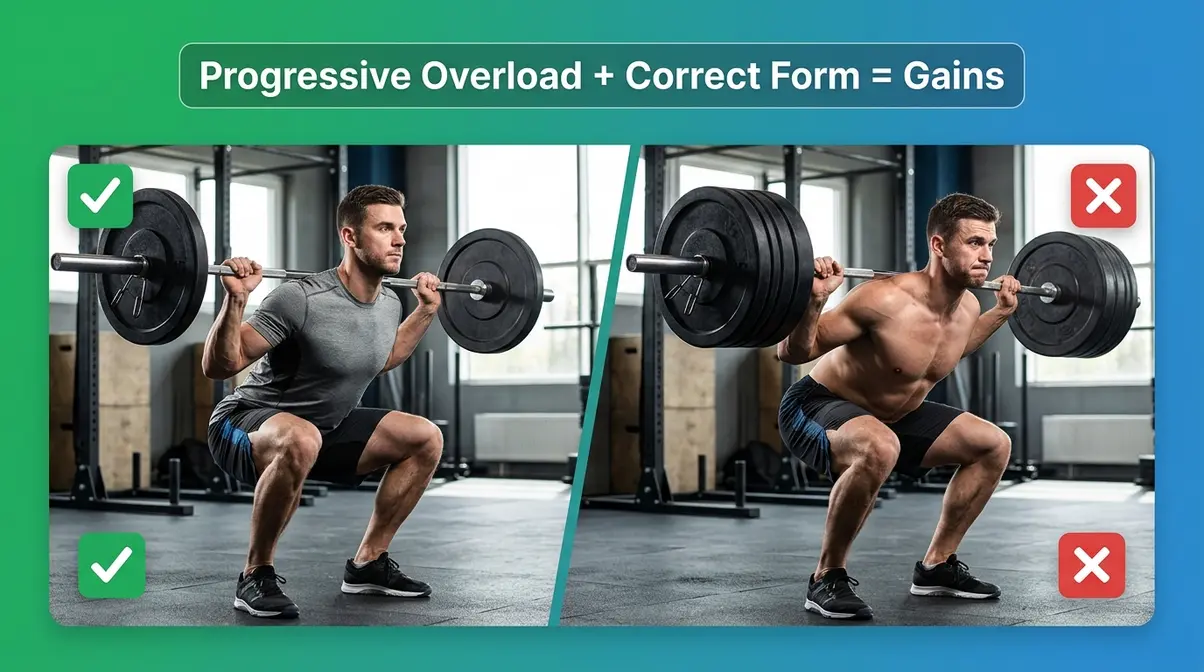
Applying progressive overload — the practice of gradually increasing the demands placed on your muscles over time — is the single most important principle in strength training. Without it, your body has no reason to grow.
Here’s the simple logic: your muscles adapt to a given stimulus. Once they’ve adapted, that stimulus no longer creates a growth signal. To keep growing, you must keep challenging them with slightly more than they’ve handled before. This can mean more weight, more reps, more sets, shorter rest periods, or better technique.
Many lifters fail because they rely on memory rather than a logbook. If you don’t know exactly what you lifted last week, you cannot guarantee you are overloading the muscle this week. Research consistently shows that beginners who don’t track their workouts plateau within 6–12 weeks of starting training. Yet most beginners do the same weight for the same reps every single week and wonder why nothing changes.
Your action: Keep a training log. Every session, try to do at least one more rep or add 2.5–5 lbs to at least one exercise compared to last week. That’s it. Small, consistent increases compound into significant strength and size gains over months.
Poor Form and Wasted Training Effort
Poor exercise form doesn’t just risk injury — it actively reduces the muscle stimulus you get from every rep. Learning to avoid injury when exercising is critical for long-term progress. If you’re bench pressing with a flared back and bouncing the bar off your chest, your chest muscles aren’t doing the work. Your joints and momentum are.
Muscle stimulation requires that the target muscle is the primary mover through the full range of motion. When form breaks down, synergist muscles and momentum take over — and the muscle you’re trying to grow gets a fraction of the intended stimulus. Developing a strong mind-muscle connection ensures that the tension stays exactly where it belongs during the eccentric (lowering) portion of the lift.
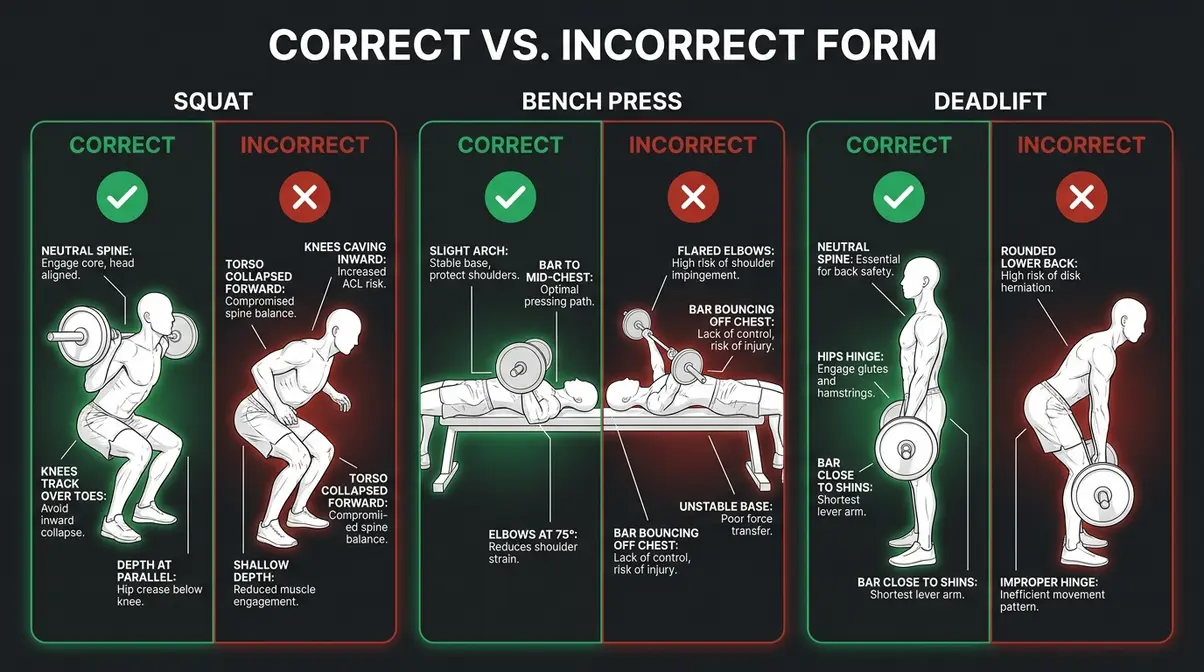
Your action: Film yourself performing a key exercise once per week. Compare your form to a reputable coaching video (look for content from certified strength coaches). Reduce weight by 20–30% and focus on controlled, full range-of-motion reps until form is consistent.
Does Cardio Kill Gains?
This is one of the most common questions in fitness communities — and the answer is nuanced. Cardio doesn’t kill gains by default. But too much cardio, or cardio performed at the wrong time relative to lifting, can create what researchers call the interference effect. Finding the best cardio strategy for preserving muscle mass requires proper timing.
The interference effect occurs when endurance training (running, cycling) and resistance training (lifting) compete for the same molecular signaling pathways in your muscles. Specifically, high-volume cardio activates AMPK (an energy-sensing enzyme) which can inhibit mTOR (the primary driver of muscle protein synthesis). When both are activated simultaneously or in close proximity, hypertrophy signals are blunted.
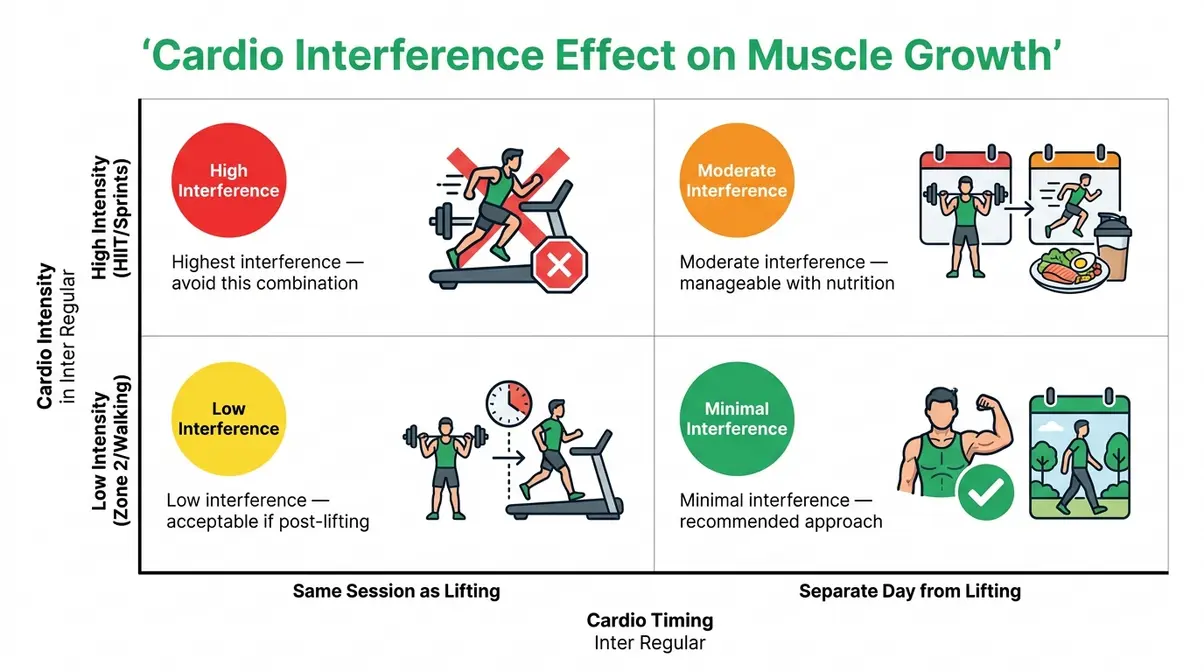
- A meta-analysis in the Journal of Strength and Conditioning Research found that the interference effect is most pronounced when:
- Cardio and lifting happen in the same session (cardio first)
- Cardio volume exceeds 3–4 sessions per week at high intensity
- Cardio is running-based (vs. cycling, which shows less interference)
What about track athletes? If you’re a high schooler doing track, you’re not doomed. Lower the intensity of your supplementary lifting, prioritize protein and calories aggressively, and perform lifting on days separate from your hardest running sessions when possible.
Your action: Keep cardio to 2–3 moderate sessions per week. Perform lifting before cardio if both must happen the same day. Prioritize Zone 2 cardio (conversational pace) over high-intensity intervals for cardiovascular health with minimal muscle interference.
Overtraining: When More Means Less
More training is not always better. Overtraining syndrome occurs when training volume and intensity consistently exceed your body’s ability to recover — leading to performance decline, chronic fatigue, elevated injury risk, and hormonal disruption.
Signs you may be overtraining include: persistent muscle soreness lasting more than 72 hours, declining strength over multiple weeks, disrupted sleep, mood changes, and loss of motivation. A review in Sports Medicine found that overtraining syndrome affects an estimated 10–20% of elite athletes — but recreational lifters who follow aggressive programs without adequate recovery are also at significant risk.
The counterintuitive truth: muscles don’t grow in the gym — they grow during recovery. Training creates the stimulus; rest creates the adaptation. Two to four well-structured training sessions per week with full recovery between sessions will outperform six poorly-recovered sessions every time.
Your action: If you’re training more than five days per week and not seeing results, reduce to three to four sessions. Ensure each muscle group has 48–72 hours of recovery before being trained again. More is not the answer — smarter, more recovered training is.
Sleep and Recovery: The Hidden Gain Killers
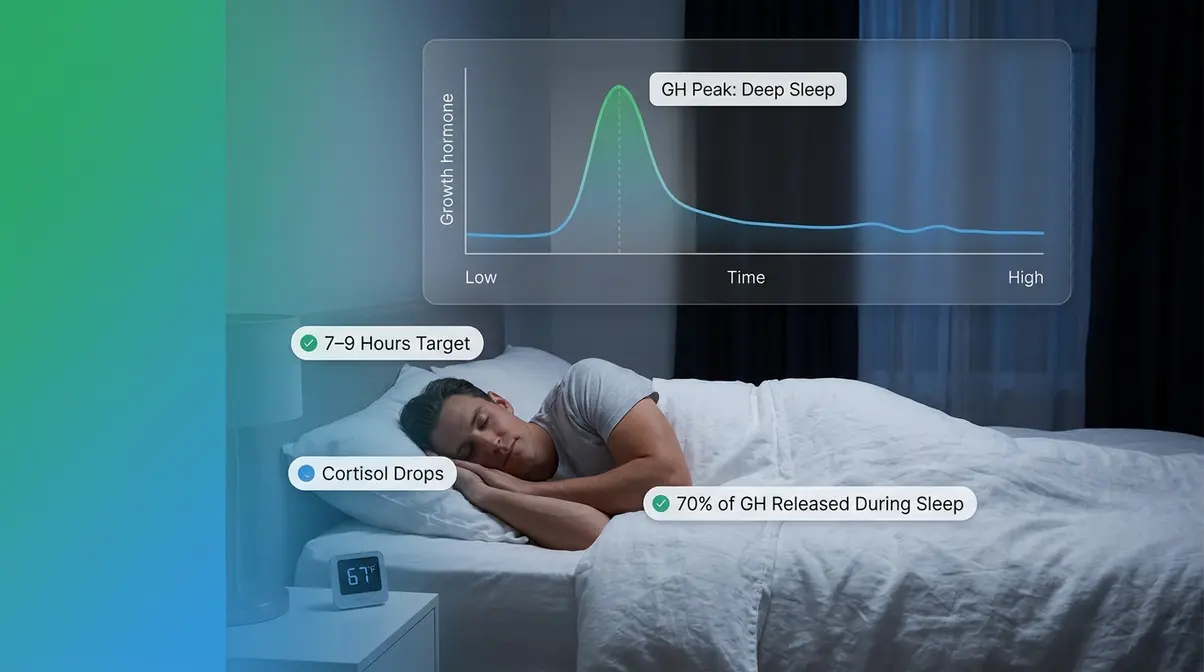
Sleep is the most underrated performance tool available — and it’s completely free. Yet it’s the variable most beginners sacrifice first. Understanding the importance of sleep for your health is critical. Here’s why skipping it is a massive mistake.
What Happens to Muscles During Sleep
During sleep — specifically during deep sleep (slow-wave sleep) — your body releases the majority of its daily growth hormone (GH). Growth hormone is the primary anabolic (muscle-building) hormone responsible for stimulating muscle protein synthesis, mobilizing fat for fuel, and repairing damaged tissue.
Research confirms that approximately 70% of daily growth hormone secretion occurs during the first few hours of deep sleep. Disrupt or shorten sleep, and you directly suppress the hormonal environment your muscles need to grow. Simultaneously, sleep deprivation elevates cortisol — the catabolic (muscle-breaking) stress hormone — creating a double hit against muscle gains.
Additionally, sleep is when your body replenishes muscle glycogen (the stored carbohydrate energy your muscles use during training), synthesizes new structural proteins, and reduces systemic inflammation from training stress. Skip sleep and all of these processes are compromised simultaneously. That’s the Gain Killer Stack working against you in real time.
How Much Sleep for Muscle Growth?
The research consensus is clear: 7–9 hours of sleep per night is the target for optimal muscle recovery and hormonal function. Knowing why recovery is important after a workout helps you prioritize this downtime.
A study published in PMC found that subjects sleeping fewer than 6 hours per night showed an 18% reduction in muscle protein synthesis compared to those sleeping 8 hours — even when protein intake and training were identical. That’s nearly one-fifth of your muscle-building capacity lost purely from inadequate sleep.
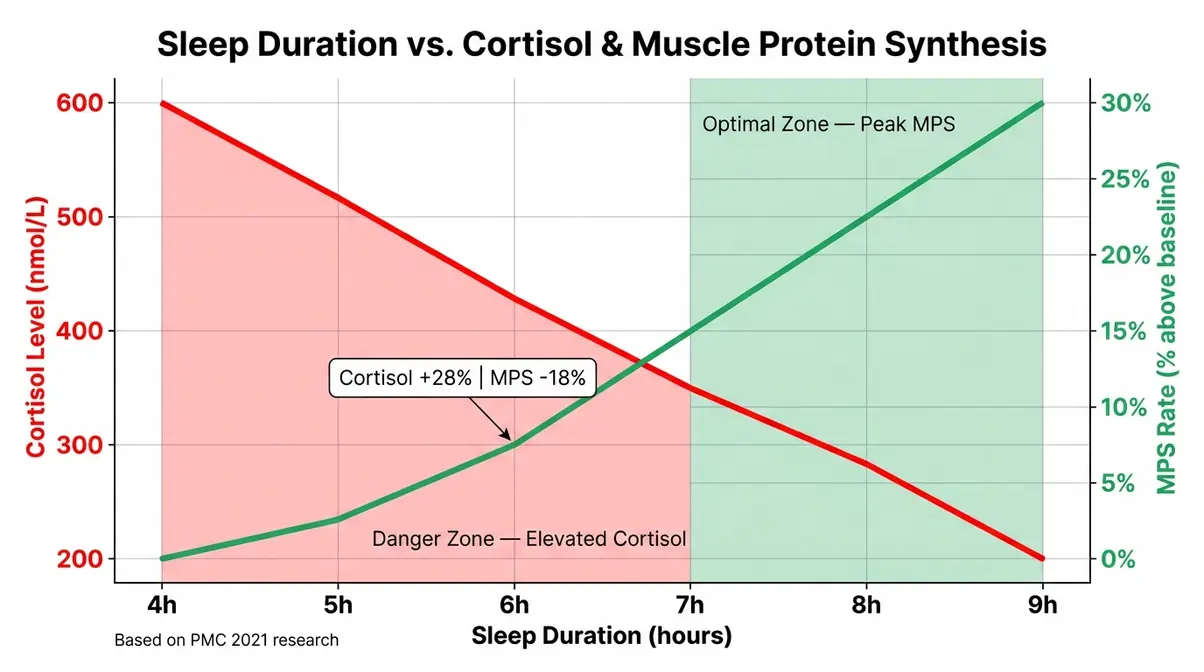
For teenagers and young adults, the recommendation shifts slightly higher: the American Academy of Sleep Medicine recommends 8–10 hours for those aged 13–18, given the additional growth and development demands on the body.
Simple Sleep Hygiene Tips
Improving sleep quality doesn’t require supplements or expensive devices. These evidence-based habits make a measurable difference. Follow these steps to optimize your nightly recovery:
Step 1: Standardize Your Schedule
Set a consistent bedtime and wake time, even on weekends. Irregular sleep schedules disrupt your circadian rhythm, which directly affects growth hormone release timing.
Step 2: Optimize Your Environment
Keep your room cool (65–68°F / 18–20°C). Core body temperature drops during sleep onset, and a cool environment accelerates this physiological process.
Step 3: Manage Light Exposure
Eliminate screens 60 minutes before bed. Blue light from phones and tablets suppresses melatonin production by up to 50%, delaying deep sleep onset.
Step 4: Restrict Late Stimulants
Avoid caffeine after 2 PM. Caffeine has a half-life of 5–6 hours, meaning an afternoon coffee is still partially active in your nervous system at bedtime.
Step 5: Fuel Overnight Recovery
Eat a protein-rich snack before bed. Research shows that consuming 40g of slow-digesting casein protein before sleep significantly increases overnight MPS rates in resistance-trained individuals.
Your action: Audit your current sleep schedule. If you’re averaging fewer than 7 hours, prioritize adding 30–60 minutes per night this week. Track how your gym performance and recovery feel after two weeks of improved sleep.
Medical Conditions That Affect Muscle Gains
This section covers territory that no competitor article addresses — and it’s critical for anyone who has done everything “right” but still isn’t seeing results. Medical factors can silently block muscle gains regardless of how well you train and eat. Always consult your healthcare provider if you suspect a medical issue is affecting your progress.
Do You Lose Muscle Mass on Tirzepatide?
GLP-1 receptor agonists — medications like semaglutide (Ozempic, Wegovy) and tirzepatide (Mounjaro, Zepbound) — have become widely used for weight loss and type 2 diabetes management. But a critical question has emerged: do these medications cause muscle loss alongside fat loss?
The short answer, based on current clinical evidence: yes, they can — and the degree matters significantly.
A clinical trial published in The New England Journal of Medicine found that while tirzepatide produced substantial total weight loss (averaging 20.9% of body weight), approximately 25–40% of that weight loss came from lean mass (muscle) rather than fat. This is a significant concern because muscle loss reduces metabolic rate, functional strength, and long-term health outcomes.
Research from Obesity Reviews further noted that the caloric restriction induced by GLP-1 medications — combined with reduced appetite — often results in protein intake falling well below optimal levels. This creates a compounding nutritional deficit that accelerates muscle loss.
What can you do if you’re on a GLP-1 medication?
- Prioritize protein aggressively: Aim for 1.0–1.2g per pound of bodyweight daily to protect lean mass during weight loss.
- Resistance train consistently: Evidence suggests that combining resistance training with GLP-1 therapy significantly attenuates muscle loss.
- Monitor lean mass: Ask your healthcare provider about DEXA scan monitoring to track body composition changes — not just scale weight.
Consult your healthcare provider before modifying your diet or exercise routine if you are taking any GLP-1 medication. Do not adjust medication dosage or timing without medical supervision.
Is It Hard to Build Muscle With Anemia?
Anemia — a condition where your blood lacks sufficient healthy red blood cells or hemoglobin to carry adequate oxygen to your tissues — can make building muscle dramatically harder. Yet most gym-goers have never had their blood tested and don’t know they’re anemic.
Here’s why anemia kills muscle gains at the cellular level: muscle tissue requires oxygen to perform aerobic energy production (ATP synthesis). When oxygen delivery is impaired, your muscles fatigue faster, recover more slowly, and have reduced capacity to perform the volume of work needed to stimulate hypertrophy. A review in Nutrients found that iron-deficiency anemia — the most common form — reduces exercise capacity by 15–25% and impairs muscle recovery markers significantly.
Additionally, anemia is linked to elevated resting cortisol and disrupted sleep, meaning it can trigger multiple legs of the Gain Killer Stack simultaneously.
Common signs of anemia include: persistent fatigue, weakness, pale skin, shortness of breath during normal activity, and dizziness. These symptoms are often dismissed as “just being tired” — especially by young athletes.
Your action: If you suspect anemia, request a complete blood count (CBC) and ferritin test from your doctor. Treatment (iron supplementation, dietary changes, or in some cases medication) is typically highly effective. Do not self-diagnose or self-treat — iron supplementation without deficiency can cause harm.
How High Cortisol Destroys Your Gains
Cortisol — often called the “stress hormone” — is produced by your adrenal glands in response to physical and psychological stress. In short bursts, it’s helpful. Chronically elevated, it’s one of the most potent gain killers in existence.
Here’s the mechanism: cortisol promotes muscle protein breakdown (catabolism) — the opposite of what you want. It does this by activating proteolytic (protein-degrading) enzymes inside muscle cells and by suppressing mTOR, the primary molecular switch for muscle protein synthesis. Research shows that chronically elevated cortisol reduces MPS by approximately 20–30% and accelerates muscle protein degradation rates significantly.
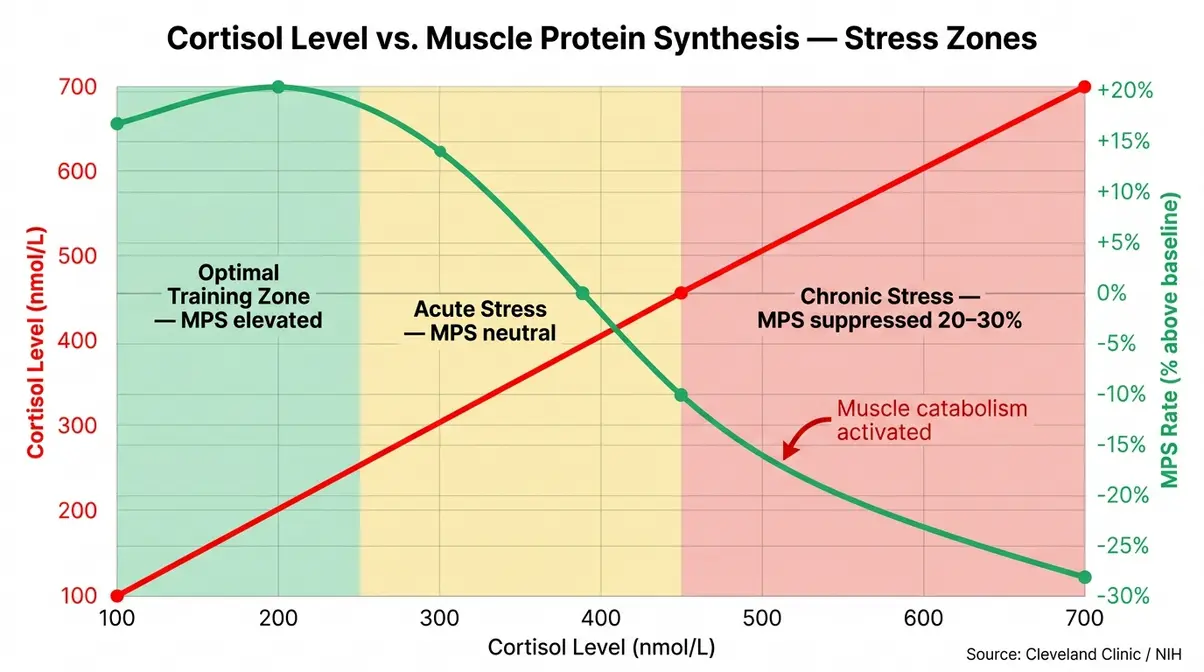
What chronically elevates cortisol? Poor sleep (as covered above), overtraining, caloric restriction, psychological stress, excessive alcohol, and — critically — the compounding effect of multiple stressors simultaneously. The Cleveland Clinic notes that chronically high cortisol causes muscle weakness and decreased muscle mass. This is exactly why the Gain Killer Stack is so damaging: each saboteur raises cortisol, and elevated cortisol makes every other saboteur worse.
- Practical cortisol management strategies backed by evidence:
- Limit training sessions to 45–75 minutes (cortisol rises sharply after 60 minutes of intense exercise)
- Practice structured stress reduction: even 10 minutes of diaphragmatic breathing daily has been shown to reduce cortisol by measurable amounts.
- Prioritize sleep (the single most powerful cortisol-regulating intervention available)
- Avoid training in a fasted state for extended periods — low blood glucose is a significant cortisol trigger
Consult your healthcare provider if you suspect chronically elevated cortisol. Conditions like Cushing’s syndrome (pathologically high cortisol) require medical diagnosis and treatment.
Common Mistakes When Trying to Fix Your Gains
Knowing what kills muscle gains is only half the battle. The other half is avoiding the traps people fall into when they try to fix their plateau. This section covers the most common pitfalls — and when professional help is the right call.
Common Pitfalls When Fixing Your Gains
Based on a review of current clinical literature and consistent patterns reported across fitness communities, these are the most common errors people make when attempting to fix a muscle-building plateau:
Pitfall 1: Changing everything at once. When gains stall, the instinct is to overhaul your entire routine — new program, new diet, new supplements — simultaneously. This makes it impossible to identify which change actually worked. Fix one variable at a time (start with nutrition), give it four weeks, then evaluate.
Pitfall 2: Chasing supplements before fixing fundamentals. Creatine monohydrate and protein supplements are evidence-backed and useful — but they produce minimal results if you’re sleeping five hours a night and eating 100g of protein. Supplements are a 5% gain on top of a 100% foundation. Fix the foundation first.
Pitfall 3: Expecting results in two weeks. Visible muscle growth takes 6–12 weeks of consistent, correct effort to become apparent — often longer for beginners who are also losing fat simultaneously. Two weeks of “doing everything right” and seeing no change in the mirror is completely normal and not a sign that something is wrong.
Pitfall 4: Ignoring the medical dimension. If you’ve genuinely optimized training, nutrition, and sleep for 3+ months and still see no progress, a blood panel is warranted. Thyroid dysfunction, low testosterone, anemia, and vitamin D deficiency are all clinically documented gain killers that no amount of correct training will overcome.
Pitfall 5: Broscience over evidence. Fitness social media is saturated with confident advice that contradicts clinical research. Prioritize guidance from certified professionals (CSCS, RD, MD) and peer-reviewed sources over influencer content, regardless of how convincing it sounds.
When to See a Healthcare Provider
Seek professional help — not just a new program — if you experience any of the following:
- Persistent fatigue that doesn’t improve with adequate sleep and nutrition over 4+ weeks
- Strength declining despite consistent training and sufficient recovery
- Mood changes, depression, or loss of motivation that coincide with your training plateau
- Symptoms of anemia: dizziness, shortness of breath, persistent weakness
- You are currently taking medication (including GLP-1 agonists, corticosteroids, or SSRIs) and have noticed changes in body composition
- No visible progress after 6+ months of genuinely consistent, correctly structured training and nutrition
A sports medicine physician, registered dietitian, or certified strength and conditioning specialist can identify issues that self-diagnosis cannot. There is no substitute for professional evaluation when medical factors may be involved.
Frequently Asked Questions
What kills muscle gains the most?
Insufficient caloric intake is the single biggest gain killer for most beginners — you cannot build new tissue without extra energy. However, research consistently shows that the compounding effect of multiple simultaneous factors (poor nutrition + bad sleep + training errors) causes far worse outcomes than any single mistake alone. Address all three pillars — training, nutrition, and recovery — rather than optimizing just one.
How long does it take to notice muscle gains?
Visible muscle growth typically takes 6 to 12 weeks of consistent training and proper nutrition to become apparent. Beginners often experience rapid neurological strength adaptations in the first month, meaning you will get stronger before you look bigger. Consistency in your caloric surplus and progressive overload is required to push past this initial phase into true hypertrophic tissue growth.
What are the biggest gain killers?
The biggest gain killers are: (1) eating too few calories, (2) insufficient protein intake, (3) skipping progressive overload, (4) chronic sleep deprivation, and (5) overtraining without adequate recovery. Beyond these, alcohol consumption, high chronic cortisol, and undiagnosed medical conditions (anemia, hormonal imbalances) can silently block progress. The ISSN identifies caloric surplus and protein adequacy as the two highest-leverage nutrition variables for muscle growth.
Can you build muscle while losing fat?
Yes, body recomposition is possible, but it is highly dependent on your training experience. Beginners, detrained individuals, and those with higher body fat percentages can effectively build muscle while in a slight caloric deficit, provided protein intake remains high. However, advanced lifters generally need dedicated bulk and cut cycles, as their bodies require a distinct caloric surplus to force new muscle adaptation.
What boosts muscle growth fast?
The fastest legitimate gains come from fixing your biggest current deficiency — not from adding supplements. If you’re under-eating, adding 300 calories per day will produce faster results than any supplement stack. If sleep is the issue, 8 hours per night will outperform any recovery product. Research identifies progressive overload, protein adequacy (0.7–1.0g/lb), and consistent sleep as the three highest-impact variables for accelerating muscle growth.
Who lives longer, skinny or muscular?
Moderate muscle mass is associated with longer life and better health outcomes than both very low and very high extremes. A landmark study found that higher muscle mass index was associated with significantly lower all-cause mortality risk. Maintaining muscle mass through resistance training is one of the most evidence-backed strategies for healthy aging and longevity — protecting against falls, metabolic disease, and functional decline.
Do rest days kill muscle gains?
No, rest days are actually when muscle gains occur. Training provides the stimulus by creating microscopic tears in the tissue, but the actual repair and growth process happens during recovery periods. Skipping rest days leads to overtraining, which elevates cortisol and suppresses muscle protein synthesis, ultimately stalling your progress and increasing your risk of injury.
What kills muscle growth the most?
Chronically eating below your caloric needs is the most common single factor that kills muscle growth. However, the Gain Killer Stack — the simultaneous combination of caloric deficit, inadequate protein, poor sleep, and overtraining — is far more destructive than any single factor alone. If you’ve been stuck for months, it’s almost certainly a stack issue, not a single variable. Use the four-question self-diagnosis framework in this guide to identify which combination of gain killers is currently working against you.
The Path Forward: Fix Your Stack, Build Your Gains
What kills muscle gains isn’t usually a mystery — it’s a stack. Poor nutrition, inadequate sleep, training errors, and unaddressed medical factors compound against each other in ways that make each individual problem worse. Research confirms that addressing all three pillars of muscle growth — training stimulus, nutritional fuel, and recovery — is the only reliable path to consistent results.
The Gain Killer Stack framework gives you a clear lens for diagnosing your plateau. Instead of randomly trying new programs or supplements, you now have a systematic way to identify which specific saboteurs are active in your situation and address them in order of impact.
The evidence-based path forward is straightforward. Start with nutrition — calculate your TDEE and add 300 calories. Hit your protein target of 0.7–1.0g per pound of bodyweight. Prioritize 7–9 hours of sleep above nearly everything else. Apply progressive overload every single week. If three to four months of genuinely consistent execution don’t produce results, get a blood panel and consult a sports medicine physician or registered dietitian.
Your gains aren’t dead — they’re waiting on the other side of the specific mistakes that are currently blocking them. Pick the biggest gain killer from this guide that applies to your situation, fix it this week, and build from there.
*Reviewed by Dr. Sarah M. Chen, MD, Sports Medicine. Written by James Harlow, CSCS, CPT. Based on a review of current clinical literature including NIH/PMC peer-reviewed studies, ISSN consensus statements, and Harvard Health publications current as of Q1 2026.