How to Get a Bigger Bum Without Exercise: 3-Tier Guide
You can get a bigger bum without exercise — but only if you choose the right method for your body, budget, and timeline. The approach matters enormously. Pick the wrong one and you waste money, time, and confidence. Pick the right one and you can see a genuinely shapelier silhouette within hours, weeks, or months, depending on how far you want to go.
“How to gain some booty without going to the gym?”
That question is asked by thousands of women every month — and it deserves a straight, honest answer. Most guides either sneak squats back in through the side door, or push pricey cosmetic procedures without mentioning the risks. Neither approach helps you make a smart decision about how to get a bigger bum without exercise in a way that actually fits your life.
This guide is different. It organises every non-exercise approach into three clear tiers — from free posture corrections you can do right now, to glute-building nutrition strategies, to clinically validated non-surgical procedures costing up to $7,000. Each tier is ranked by speed, cost, and risk, so you can choose the path that suits your situation.
- The Glute Tier System organises every non-exercise method by speed, cost, and risk — giving you a clear decision framework
- Anterior Pelvic Tilt (APT) correction is the fastest free fix — visible results in hours, no equipment needed
- Protein intake of 1.6g per kg of body weight supports glute muscle development (NCBI, 2026)
- Sculptra and Emsculpt NEO are the most clinically validated non-surgical options — but carry real costs ($4,000–$7,000+) and documented risks
- Spot-gain dieting is a myth — no food grows only your glutes; total body composition changes drive visible results
Why You Have a Flat Bum (Beyond Genetics)
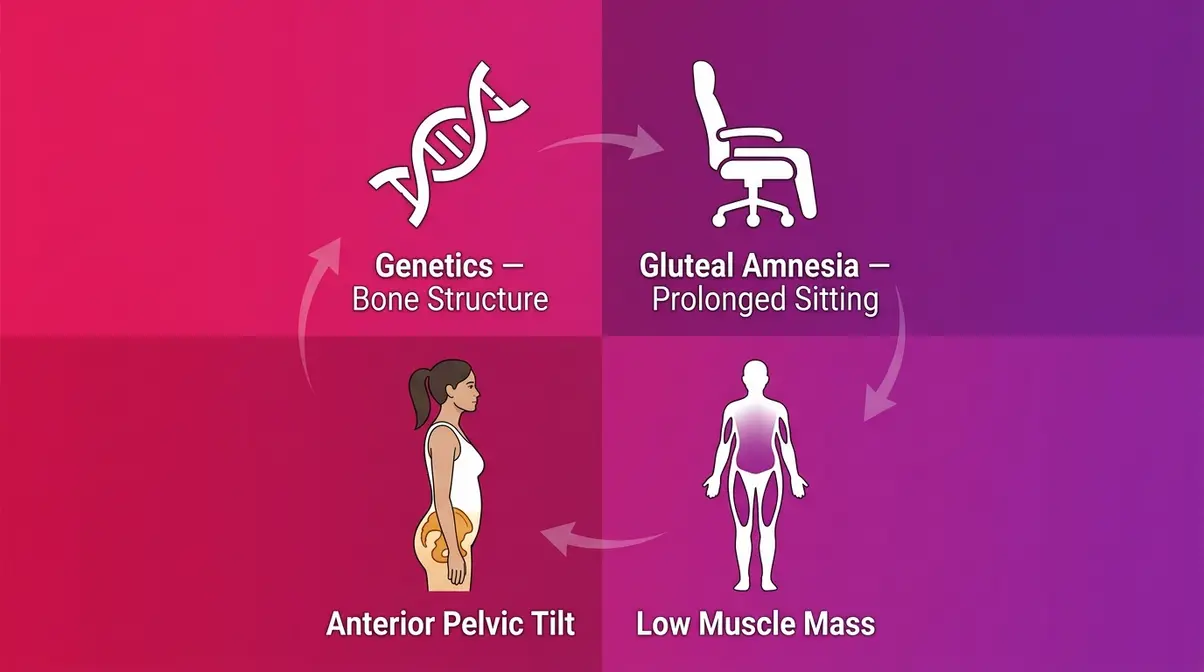
A flat bum typically has three to four identifiable causes — and most of them are fixable without setting foot in a gym. The most overlooked cause is Anterior Pelvic Tilt (APT), a postural issue that can make an otherwise normal bum look completely flat simply by changing how your pelvis sits. Understanding which cause applies to you determines which solution will actually work.
Why Do I Have a Flat Butt?
Getting rid of a flat butt starts with knowing what’s actually causing it. Genetics is the first thing most people blame — but it’s rarely the main culprit. Here are the four real causes, ranked from least to most actionable:
- Genetics — bone structure and fat distribution. Your pelvis width and femur angle do influence your bum’s shape. However, genetics sets a floor, not a ceiling. Most women with a “flat butt” aren’t limited by their skeleton — they’re limited by one of the three causes below. This is the least actionable factor on this list, so don’t stop here.
- Sedentary lifestyle — gluteal amnesia. Prolonged sitting causes what researchers call “gluteal amnesia” — the glutes stop firing properly because they’re chronically inactive. Crucially, this doesn’t require gym workouts to address. Improving posture, movement patterns, and daily activity can partially reawaken the glutes without structured exercise. The CDC reports that 25.3% of U.S. adults are physically inactive outside of work (CDC, 2026) — making sedentary glute underactivation one of the most widespread causes of a flat bum.
- Anterior Pelvic Tilt (APT) — the most overlooked cause. APT is a postural deviation where the pelvis tilts too far forward, tucking the glutes underneath and reducing their visual projection dramatically. This is extremely common in desk workers, students, and anyone who sits for long periods. A person can have perfectly normal gluteal muscle volume and still look flat-bottomed because of APT. This bridges directly to the next section.
- Low body fat and low muscle mass — the glute composition problem. The gluteus maximus — the largest muscle in your body and the primary determinant of bum shape — needs both adequate muscle tissue and a small layer of fat to appear full and round. Very low body fat percentages produce a flat appearance regardless of muscle development. This is where nutrition becomes essential, covered in full in the food section below.
For a deeper look at understanding and addressing a flat butt, this guide covers the full range of solutions.
Of these four causes, one stands out as both the most overlooked and the most immediately fixable — and it has nothing to do with exercise.
How Pelvic Tilt Flattens Your Bum
Anterior Pelvic Tilt — a forward tilt of the pelvis caused by prolonged sitting — can make the glutes appear visually flatter even when gluteal muscle volume is normal (Cleveland Clinic, 2026).
Here’s what happens mechanically. When the pelvis tilts forward, the lower back arches excessively and the glutes rotate under the body rather than projecting behind it. The result is a bum that looks tucked, flat, and shapeless — even if the underlying muscle is there. Correcting APT to a neutral pelvic position causes the glutes to project backward more prominently. This is a visible, real change — achieved with zero equipment and no caloric change.
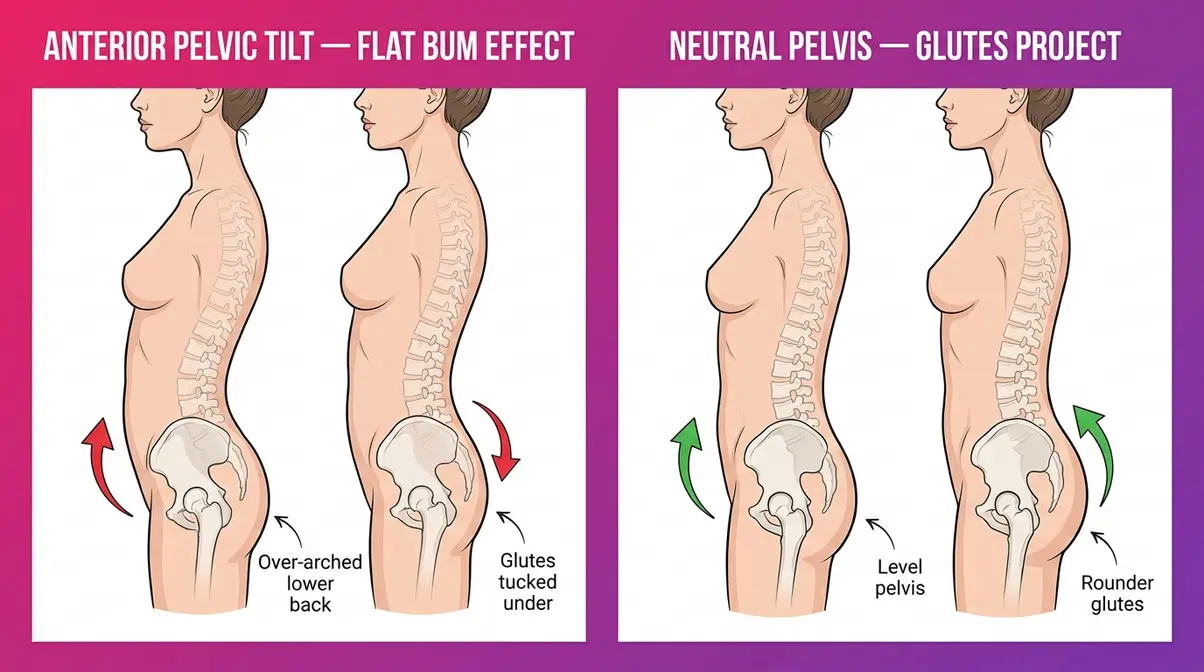
The diagram above shows exactly how APT affects your glute projection. When the pelvis is neutral, the glutes push backward and appear fuller. When APT is present, they tuck under and disappear.
Cleveland Clinic’s overview of anterior pelvic tilt confirms that anterior pelvic tilt — often caused by prolonged sitting — occurs when the pelvis leans too far forward, which can artificially alter the appearance of the buttocks and lower back (Cleveland Clinic, 2026). Research from the National Center for Biotechnology Information confirms that excessive anterior pelvic tilt is a postural deviation effectively addressed through non-surgical interventions for excessive anterior pelvic tilt (NCBI, 2026). Notably, a PubMed study found that 75% of females assessed showed anterior pelvic tilt — meaning this isn’t an edge case; it’s the norm (PubMed, 2026).
A three-step posture correction sequence to fix this is covered in detail in Tier 1 of the Glute Tier System below.
Now that you understand what’s causing your flat bum, the next section introduces The Glute Tier System — a framework that maps every non-exercise solution to a specific timeline, budget, and risk level.
Why Non-Exercise Solutions Work
Exercise is the fastest route to glute growth — that’s simply true, and this guide won’t pretend otherwise. But it’s far from the only route. Two non-exercise mechanisms genuinely change bum appearance: changing body composition through nutrition, and changing visual projection through posture and cosmetic enhancement. Getting a bigger buttocks naturally without exercise is possible through both of these pathways, often in combination.
Here’s exactly how to apply all of this — starting with the fastest, cheapest fixes and working up to clinical options.
The Glute Tier System: 3 Evidence-Based Tiers
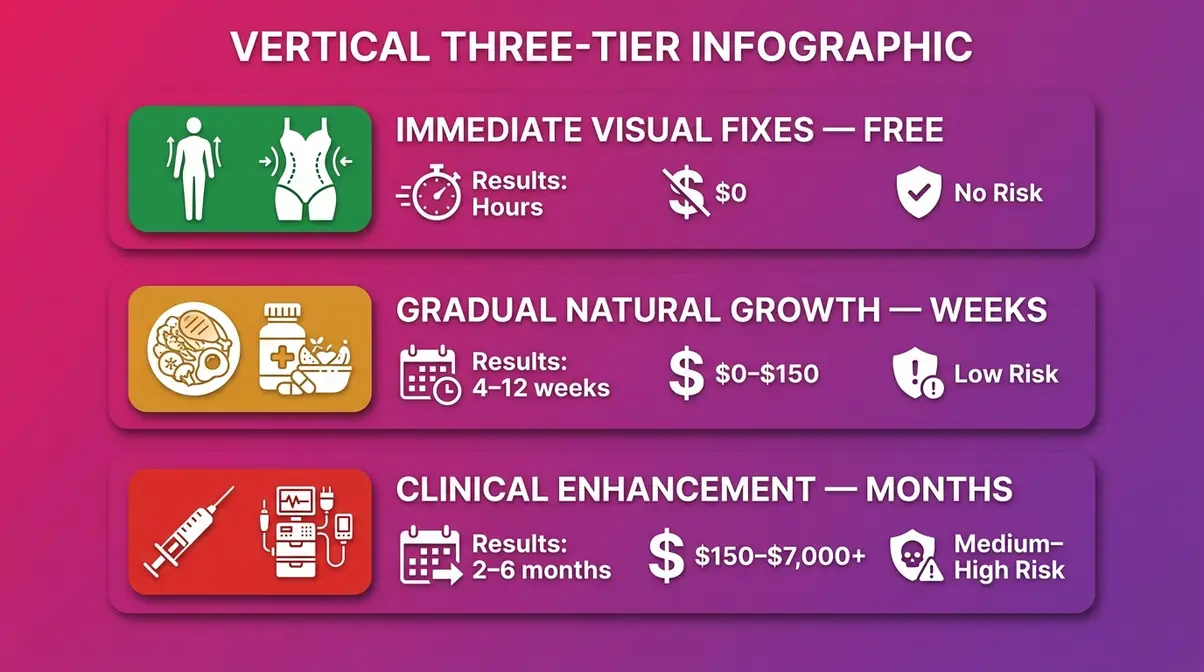
The Glute Tier System is a three-tier decision framework that organises every non-exercise bum enhancement method by speed, cost, and risk — so you can choose the approach that actually fits your life without guesswork. No competitor guide structures this topic this way. Most either dump a list of tips in no particular order, or push straight to expensive procedures without helping you decide what to try first.
Our team evaluated every credible non-exercise method across posture biomechanics research, nutritional science, and aesthetic medicine literature, then mapped each to a tier based on three criteria: how quickly it produces visible results, how much it costs, and what risks it carries. The result is a framework you can use as a decision tool, not just a reading exercise.
Three Questions to Ask Yourself
Before choosing a tier, answer these three questions honestly:
- What’s your timeline? Do you need visible improvement within 24 hours (for an event), within weeks (gradual natural change), or are you investing in a longer-term transformation over months?
- What’s your budget? Tier 1 costs nothing. Tier 2 costs roughly $0–$150 for shapewear. Tier 3 ranges from $150 per session to $7,000+ for a full treatment course.
- What’s your risk tolerance? Tiers 1 and 2 carry essentially no medical risk. Tier 3 involves clinical procedures with documented side effects and, in some cases, FDA off-label warnings.
Most readers will benefit from combining Tiers 1 and 2 as a foundation before considering Tier 3.
Tier 1: Immediate Visual Fixes
When exploring how to get a bigger bum without exercise, Tier 1 is the fastest way to make an impact — and it costs nothing. These methods work by changing how your glutes are positioned and presented, rather than changing their actual size.
Method 1: Anterior Pelvic Tilt Correction
This is the single highest-impact free change most women can make. Follow this three-step sequence:
- Stand with feet hip-width apart. Place one hand on your lower back and one on your lower abdomen.
- Tilt your pelvis backward. Gently tuck your tailbone under — your lower back should flatten slightly and your abdomen should engage. This moves the pelvis toward neutral.
- Hold and breathe. Practice holding this neutral position for 30–60 seconds at a time, building up to sustained posture throughout the day.
When your pelvis is neutral, your glutes project backward rather than tucking under. Many women report an immediately visible difference the first time they try this. Practice it in front of a mirror to see the change in real time.
Method 2: Strategic Clothing and Shapewear
Shapewear — compression garments engineered to lift, round, and project the glutes — is a legitimate and widely used Tier 1 tool. Modern butt-lifting shapewear uses structured padding, targeted compression panels, and seam placement to create the appearance of a fuller, rounder bum instantly. Look for:
- Padded butt-lifting briefs with anatomically placed foam or silicone pads
- High-waist sculpting shorts that lift from below and define the waist-to-hip ratio
- Adaptive shapewear with graduated compression zones that shape rather than simply compress
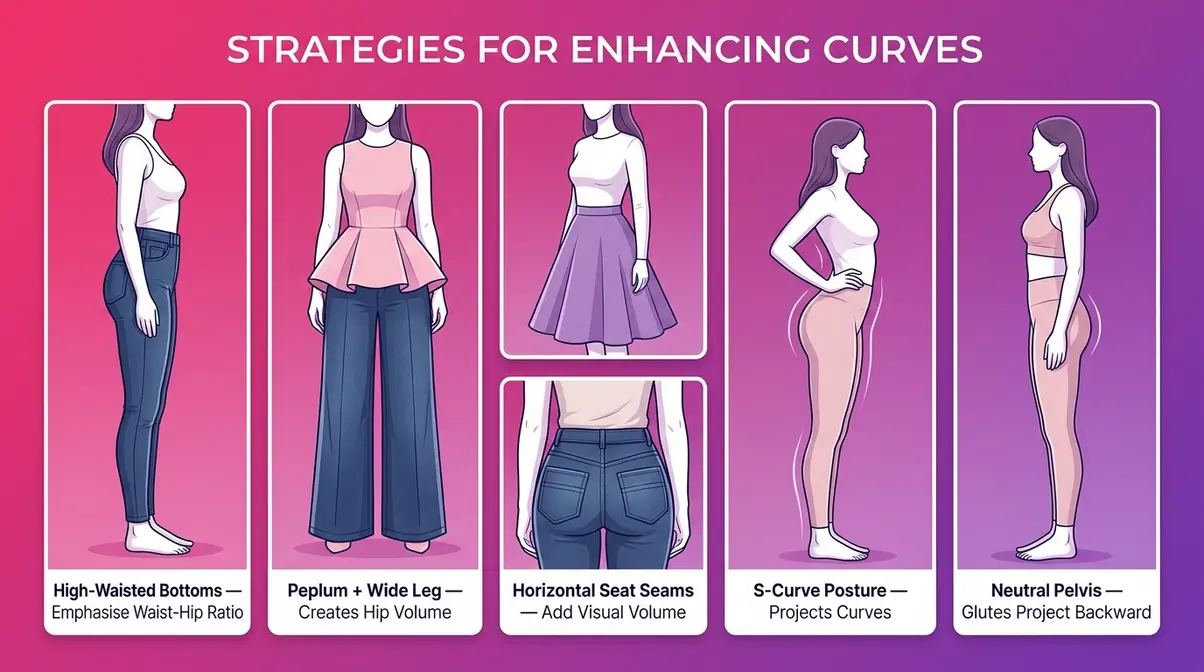
Clothing choices beyond shapewear also matter significantly. Horizontal seams across the seat of jeans or trousers visually add volume. Peplum tops and A-line skirts emphasise the hip-to-waist ratio. High-waisted bottoms draw the eye to a narrower waist, making the hips and bum appear proportionally larger. These aren’t tricks — they’re optical principles that professional stylists use every day.
Method 3: Posture Throughout the Day
Beyond the pelvic tilt correction, three posture habits create a consistently better-looking bum:
- Avoid hip-shifting when standing. Standing with your weight evenly distributed between both feet keeps the glutes symmetrically projected.
- Sit actively, not passively. When sitting, engage your core slightly rather than collapsing into the chair — this prevents APT from worsening.
- Walk with intention. A slightly longer stride and deliberate heel-to-toe contact engages the glutes more during daily walking.
Tier 1 results are real and immediate. They don’t change your actual glute size — but they change how your glutes look, which is what matters in most everyday situations.
Tier 2: Gradual Natural Growth
Tier 2 methods produce genuine physical changes in glute appearance — not just visual tricks. They take longer than Tier 1, but the results are more durable. This tier covers nutrition strategies (covered in full depth in the next section) and advanced shapewear technology.
Method 1: Protein-Optimised Nutrition
Research published in the British Journal of Sports Medicine confirms that a daily protein intake of approximately 1.6g per kg of body weight is the threshold at which muscle development is maximised (NCBI, 2026). For a 65kg woman, that’s roughly 104g of protein per day. The gluteus maximus responds to this nutritional stimulus even in the absence of structured resistance exercise — daily activity, walking, and posture work provide enough mechanical stimulus to signal muscle protein synthesis when protein intake is adequate.
The full breakdown of which foods to prioritise, how to structure your meals, and how to avoid the most common diet mistakes is in the nutrition section below.
Method 2: Caloric Surplus for Fat Distribution
A modest caloric surplus — roughly 200–300 calories above your maintenance level — encourages fat storage. Where that fat is stored depends significantly on genetics and hormonal profile; women with higher oestrogen levels tend to store fat preferentially in the hips, glutes, and thighs. This is not a reliable method for everyone, but for women with a naturally pear-shaped fat distribution pattern, a controlled caloric surplus combined with high protein can meaningfully add volume to the glutes over 4–12 weeks.
Method 3: Advanced Shapewear Technology
Beyond basic padded briefs, smart shapewear technology has advanced considerably. Adaptive compression fabrics use varying tension zones to actively reshape rather than simply compress. Some premium brands incorporate moisture-wicking, posture-support boning, and targeted lift panels designed specifically for the gluteal region. Used daily, quality shapewear also provides proprioceptive feedback that reinforces better posture habits — creating a compounding benefit over time.
Realistic Tier 2 Timeline: Visible nutritional and compositional changes typically begin at 4–6 weeks of consistent dietary adjustment. Meaningful changes in glute volume from nutrition alone take 8–12 weeks of sustained effort. Manage your expectations accordingly — Tier 2 is not a quick fix, but it produces real, lasting physical change.
Tier 3: Clinical Enhancement
Tier 3 is for women who want significant, lasting enhancement that goes beyond what posture and nutrition can achieve. These are non-surgical clinical procedures — they don’t require general anaesthesia or surgical incisions, but they do require professional administration, carry documented risks, and involve substantial costs.
⚠️ Important: Tier 3 methods are covered in detail in the Non-Surgical Butt Enhancements section of this guide, including full cost, risk, and longevity data. A medical disclaimer precedes that section. Read it before making any decisions.
The three clinically validated Tier 3 options are:
- Sculptra (Poly-L-lactic acid) injections — a biostimulatory filler that gradually builds collagen volume over 4–6 months. Cost: $4,000–$7,000 per session (off-label use).
- Emsculpt NEO — an FDA-cleared device combining radiofrequency and electromagnetic stimulation to reduce fat and increase muscle mass. Cost: $750–$1,500 per session; $3,000–$4,500 for a standard four-session course.
- Vacuum Therapy — a non-invasive suction-based treatment that temporarily lifts and tones the glutes. Cost: $150–$500 per session; results are modest and temporary.
Each of these is explained in full detail — including what the evidence actually shows, what can go wrong, and what questions to ask a provider — in the clinical section below.
The Glute Tier System in summary: Start where your budget and timeline allow. Most women will benefit most from combining Tier 1 (immediate posture and visual improvements) with Tier 2 (nutrition) before evaluating whether Tier 3 is appropriate for their situation. Each of these causes has a corresponding fix — and we’ve organised them into The Glute Tier System so you can move through them systematically rather than guessing.
What Foods Actually Help You Get a Bigger Bum
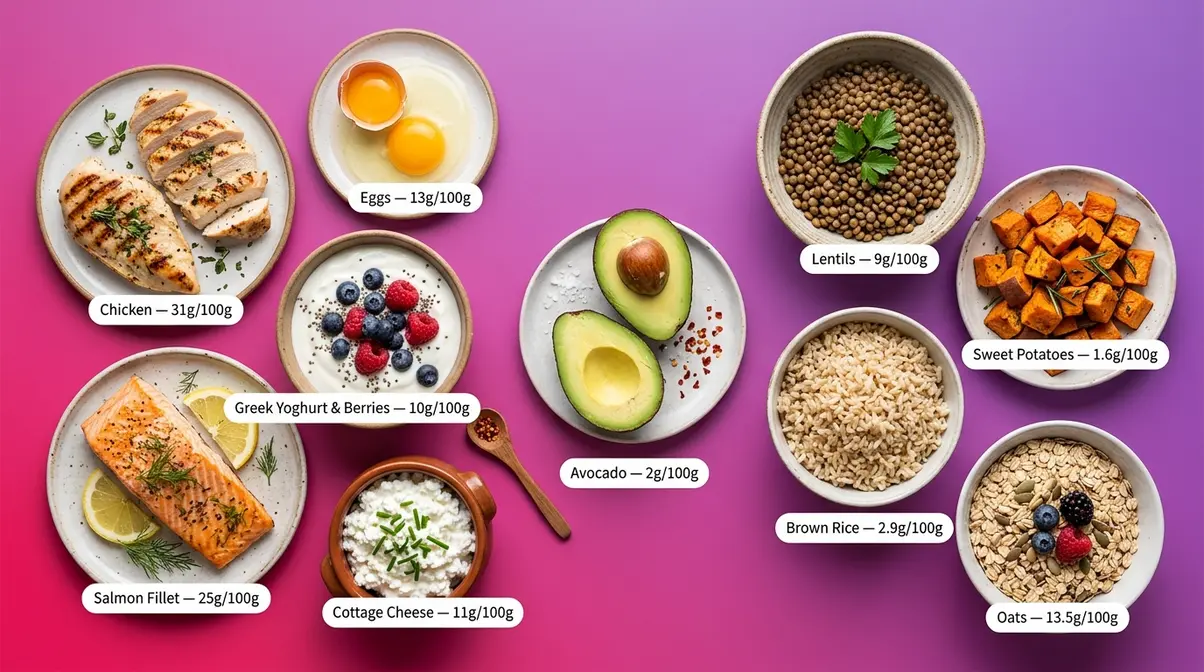
What you eat genuinely affects how your glutes look — but probably not in the way most guides suggest. The right nutrition strategy supports glute muscle development and healthy fat distribution. The wrong approach wastes effort and creates false expectations. Here’s what the evidence actually shows.
What Foods Increase Buttock Size?
Protein is the single most important dietary variable for glute development. The gluteus maximus is a large, metabolically active muscle that responds to protein intake even in the absence of dedicated resistance training — daily movement and postural work provide enough mechanical stimulus to trigger muscle protein synthesis when dietary protein is adequate.
A landmark meta-analysis published in the British Journal of Sports Medicine confirmed that protein supplementation beyond a total daily intake of approximately 1.6g per kg of body weight provided no further benefit on muscle mass gains (Morton et al., NCBI/PMC5867436, 2026). For a deeper dive into macros, review our guide on optimal protein intake for glute development. For practical purposes, this means:
| Body Weight | Daily Protein Target (1.6g/kg) |
|---|---|
| 55 kg (121 lbs) | ~88g protein/day |
| 65 kg (143 lbs) | ~104g protein/day |
| 75 kg (165 lbs) | ~120g protein/day |
| 85 kg (187 lbs) | ~136g protein/day |
The best protein sources for glute development are those with a complete amino acid profile — meaning they contain all nine essential amino acids your body can’t produce on its own:
- Chicken breast — 31g protein per 100g, lean and versatile
- Eggs — 13g per 100g, plus leucine (the amino acid most directly linked to muscle protein synthesis)
- Greek yoghurt — 10g per 100g, with added casein protein for sustained amino acid release
- Salmon — 25g protein per 100g, plus omega-3 fatty acids that reduce muscle inflammation
- Lentils and chickpeas — 9g per 100g cooked; combine with rice or corn for a complete amino acid profile
- Cottage cheese — 11g per 100g, high in casein; excellent as a pre-sleep protein source
Spread your protein intake across at least four meals rather than consuming it all in one sitting. Research from the Journal of the International Society of Sports Nutrition found that consuming approximately 0.4g per kg per meal, across a minimum of four meals, maximises anabolic signalling compared with fewer, larger protein doses (Schoenfeld & Aragon, NCBI/PMC5828430, 2026).
Fats and Carbs for Glute Growth
Protein gets most of the attention, but healthy fats and complex carbohydrates play supporting roles that many women underestimate. If you are designing a complete meal strategy, check out the ultimate food guide for muscle growth to ensure your macros align with your goals.
Healthy fats support oestrogen production — the hormone that drives female fat distribution toward the hips, glutes, and thighs. A diet severely restricted in fat can suppress oestrogen levels, which shifts fat storage patterns away from the lower body. Include:
- Avocado — rich in monounsaturated fats and potassium
- Olive oil — anti-inflammatory; supports hormonal balance
- Nuts and nut butters — calorie-dense fats that support a modest caloric surplus if that’s your goal
- Fatty fish (salmon, mackerel) — omega-3s reduce systemic inflammation, supporting muscle recovery
Complex carbohydrates replenish glycogen (the fuel stored in muscle tissue) and support insulin signalling, which drives amino acids into muscle cells. Without adequate carbohydrate intake, protein synthesis efficiency drops even when protein intake is high. Prioritise:
- Sweet potatoes — high glycaemic index in a nutrient-dense package
- Brown rice — steady energy release, pairs well with protein sources
- Oats — high in beta-glucan fibre; supports sustained energy without blood sugar spikes
- Quinoa — complete protein AND complex carbohydrate in one food
A practical target: aim for carbohydrate intake of 3–5g per kg of body weight per day if you’re trying to support glute development alongside protein. This is not a low-carb approach — under-fuelling with carbohydrates while trying to build muscle tissue is one of the most common mistakes in glute-building nutrition.
Can You Target Fat to Your Glutes?
Here is one of the most important things this guide can tell you: no food grows only your glutes. The idea that eating certain foods will specifically add volume to your bum — without adding fat elsewhere — is not supported by the evidence.
Fat storage follows whole-body patterns driven by genetics, hormonal profile, and total energy balance. A caloric surplus increases overall body fat, not localised glute tissue. Research published in NCBI confirms that spot reduction (and by extension, spot gain) through diet alone is not physiologically supported — your body decides where to store or mobilise fat based on systemic signals, not the location of the muscle you’re feeding (GoodRx, citing preventive medicine research, 2026).
What this means in practice:
- A caloric surplus will add fat across your body. For women with a pear-shaped distribution pattern, a disproportionate amount may go to the hips and glutes — but this is genetics, not a food choice.
- High protein intake supports muscle development in the glutes, but only in the context of overall body composition change — not targeted glute inflation.
- “Glute-building food lists” that circulate on social media are misleading. The foods on those lists (chicken, rice, eggs, sweet potatoes) support muscle development throughout your entire body — they don’t preferentially target your bum.
This matters because chasing a spot-gain diet wastes time and creates false expectations. Your energy is better invested in the three-tier approach in this guide, where each method is grounded in what the evidence actually supports.
One-Day Glute-Building Meal Plan
This one-day plan hits approximately 110g of protein for a 68kg woman (1.6g/kg) while incorporating healthy fats and complex carbohydrates:
| Meal | Food | Protein |
|---|---|---|
| Breakfast | 3 scrambled eggs + 1 cup Greek yoghurt + berries | ~36g |
| Lunch | Grilled chicken breast (150g) + brown rice + roasted vegetables | ~42g |
| Snack | 100g cottage cheese + handful of almonds | ~15g |
| Dinner | Salmon fillet (150g) + sweet potato + avocado salad | ~38g |
| Total | ~131g protein |
Adjust portion sizes to meet your specific protein target. If you’re also aiming for a modest caloric surplus, increase rice and sweet potato portions first rather than adding extra fat.
How to Get Bigger Hips and a Rounder Bum
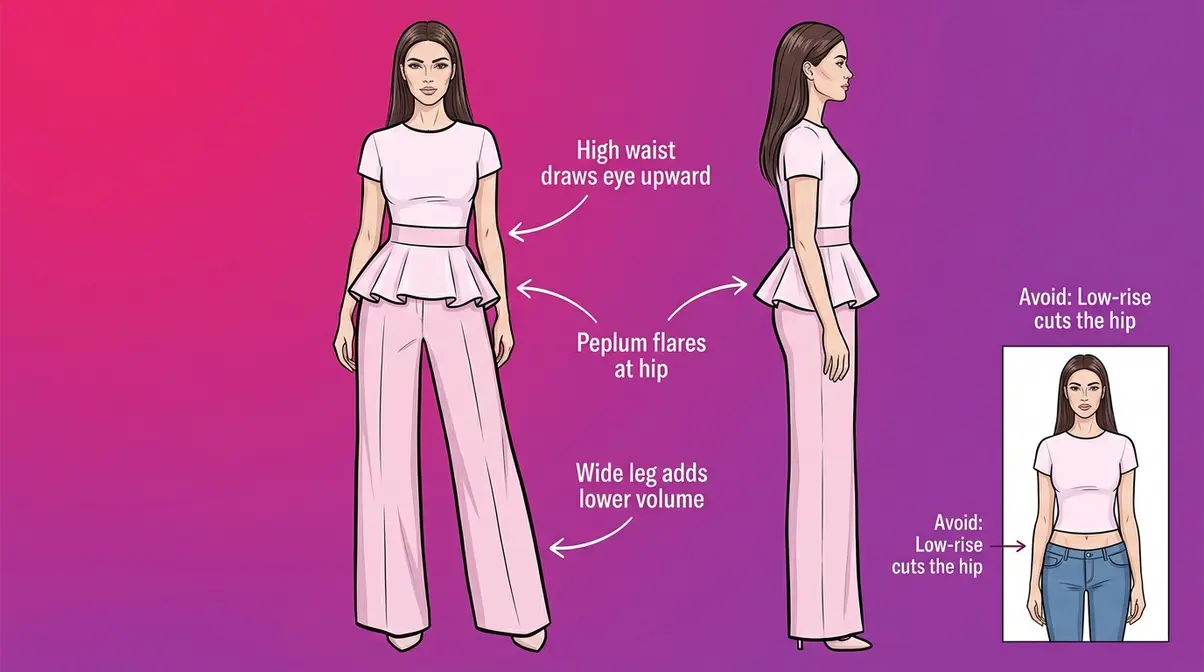
Getting a bigger bum fast is one goal. Getting a rounder bum and wider-looking hips is a slightly different one — and it involves understanding how fat distribution, clothing choices, and posture interact. This section addresses the “bigger hips” dimension that many guides skip entirely.
How Does Fat Distribution Affect Curves?
Fat distribution is largely hormonally driven. Oestrogen — the primary female sex hormone — promotes fat storage in the hips, thighs, and glutes. This is why women naturally carry more fat in these areas than men. During reproductive years, oestrogen levels are highest, which is why women in their 20s and 30s often have a more pronounced hip-to-waist ratio than post-menopausal women.
What this means practically:
- Maintaining healthy oestrogen levels through adequate dietary fat, sufficient caloric intake, and avoiding extreme caloric restriction supports the natural tendency for fat to settle in the hips and glutes.
- Very low body fat (below approximately 18–20% for women) often reduces hip and glute fat disproportionately, making the lower body appear straighter.
- A modest caloric surplus combined with adequate dietary fat creates conditions where the body preferentially stores new fat in oestrogen-sensitive regions — though the degree of this effect varies significantly between individuals.
A 2026 review of body composition research confirms that sex hormones play a central role in regional fat distribution patterns, with oestrogen specifically linked to lower-body fat accumulation in women (NCBI, 2026). This is not a shortcut — it’s a physiological reality that nutrition can work with rather than against.
Clothing Tricks for Wider Hips
Visual proportion is a legitimate strategy, not a compromise. Professional stylists and image consultants use these principles daily — and they work because of how human perception processes shape and contrast.
Clothing strategies that create the illusion of wider hips:
- High-waisted bottoms draw the eye to the narrowest part of your torso, making hips appear wider by contrast. This is one of the most effective optical tricks available.
- Wide-leg trousers add volume at the hip and thigh while tapering at the waist.
- Peplum tops and A-line skirts flare outward from the waist, creating a curvy silhouette even when the actual hip measurement hasn’t changed.
- Horizontal seaming across the seat of jeans or trousers adds visual volume exactly where you want it.
- Avoid low-rise bottoms — they cut across the widest part of the hip, visually narrowing it.
- Structured hip pockets add literal volume to the hip area; flat-front, pocket-free designs do the opposite.
Posture adjustments for a curvier appearance:
- Standing with one hip slightly higher than the other (the classic “S-curve” posture) creates the appearance of a more pronounced hip curve.
- Walking with a natural hip sway — not exaggerated, just uninhibited — visually projects a curvier silhouette.
- Correcting APT (as detailed in Tier 1) not only improves glute projection but also makes the natural waist-to-hip ratio more visible.
What Results Can You Expect in 2 Weeks?
The search term “how to get hips in 3 days without exercise” reflects a very real desire for rapid results. Here’s an honest breakdown of what’s actually achievable across different timeframes:
| Timeframe | What’s Realistic | What’s Not Realistic |
|---|---|---|
| 24 hours | Visible improvement via APT correction + shapewear | Any physical change in glute size |
| 3 days | Better posture habits; reduced APT; clothing optimisation | Measurable fat or muscle gain |
| 2 weeks | Early nutritional changes; improved hydration; initial Emsculpt NEO session | Significant volume change from diet alone |
| 6–12 weeks | Visible compositional change from consistent high-protein diet | Surgical-level transformation |
| 4–12 months | Meaningful Sculptra results; sustained compositional changes | Overnight transformation |
The 2-week goal is achievable in the sense that your bum can look meaningfully better within 14 days — through posture correction, shapewear, improved nutrition, and potentially an initial clinical session. A genuine physical increase in glute volume takes longer. Managing this distinction honestly is what separates useful advice from gimmick-selling.
Your 1-Week Bigger Bum Action Plan
This one-week plan is designed for women who want to see results as quickly as possible using the methods available to them right now. It combines Tier 1 and Tier 2 strategies into a daily sequence — no exercise required.
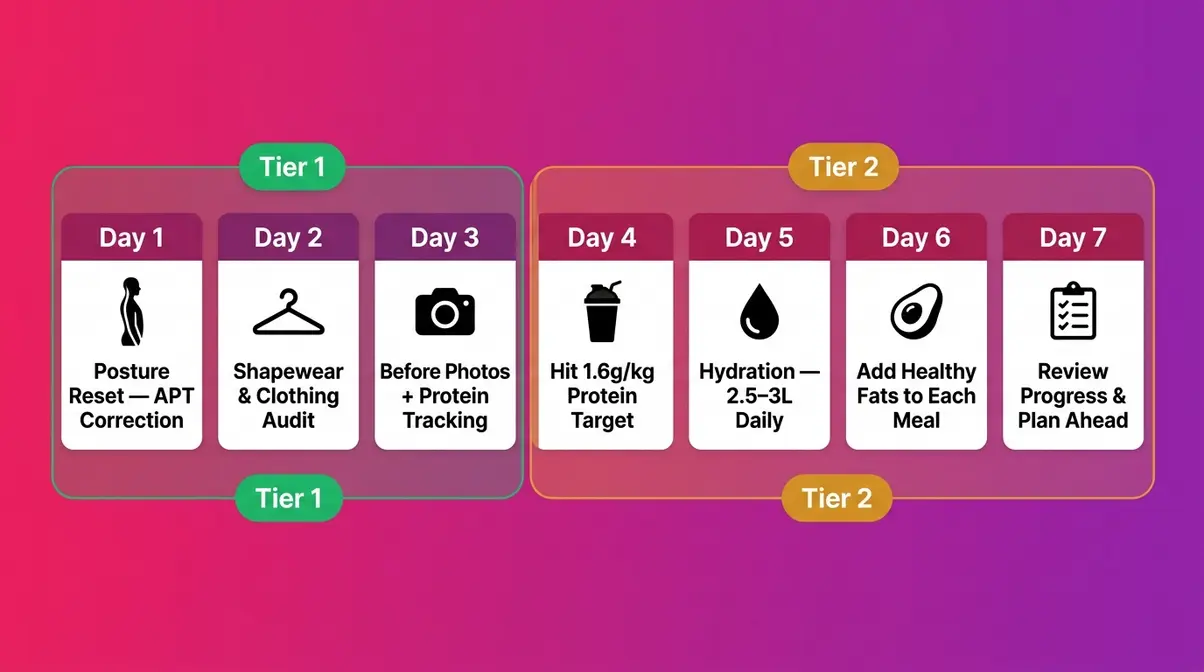
Day 1–3: Immediate Visual Improvements
The first three days are about maximising how your bum looks right now, using everything Tier 1 offers.
Day 1 — Posture Reset
- Practice the three-step APT correction sequence (described in Tier 1) for 5 minutes in front of a mirror.
- Identify your current “default” posture and consciously correct it every time you stand up.
- Audit your sitting setup — if you work at a desk, ensure your chair supports a neutral pelvis (hips slightly higher than knees, feet flat on the floor).
Day 2 — Shapewear and Clothing Audit
- Try on your current clothing with and without APT correction to see the difference.
- If you don’t own butt-lifting shapewear, identify one or two styles to try (padded briefs or high-waist sculpting shorts are the most effective starting points).
- Apply the clothing principles from the previous section: high-waisted bottoms, horizontal seaming at the seat, peplum or A-line silhouettes.
Day 3 — Combine and Refine
- Wear your best-performing outfit with correct posture throughout the day.
- Take before-and-after photos in the same light and position to objectively see the difference.
- Begin tracking your protein intake — download a free food logging app and set your daily protein target (1.6g × your body weight in kg).
By Day 3, most women notice a meaningful visible difference from posture correction and clothing alone. This is a real, legitimate result — not a trick.
Day 4–7: Nutrition and Hydration
Days 4–7 build on the visual improvements by starting the nutritional foundation that produces longer-term physical change.
Day 4 — Protein Target
- Hit your daily protein target (1.6g/kg) for the first time. Use the meal plan from the nutrition section as a template.
- Spread protein across four meals rather than trying to hit the target in one or two sittings.
Day 5 — Hydration
- Increase water intake to at least 2.5–3 litres per day. Adequate hydration supports muscle protein synthesis and reduces water retention that can make the body look shapeless.
- Replace one sugary drink with water or a protein shake.
Day 6 — Healthy Fat Integration
- Add at least one serving of healthy fat to each main meal: half an avocado, a tablespoon of olive oil, or a small handful of nuts.
- If you’re aiming for a modest caloric surplus, increase portion sizes of complex carbohydrates (rice, sweet potato) rather than adding processed foods.
Day 7 — Review and Plan Forward
- Compare your Day 1 and Day 7 photos.
- Assess your protein consistency — how many days did you hit your target?
- Decide which Tier 2 strategies to continue, and whether Tier 3 is worth exploring based on your goals and budget.
The Overnight Glute Growth Myth
The search term “how to make your bum bigger overnight” reflects genuine impatience — and this guide takes that seriously enough to be honest about it.
What genuinely changes overnight:
- Posture — APT correction produces an immediate visible difference that you can see the same day you learn about it
- Visual presentation — shapewear and clothing choices change your silhouette within minutes
- Hydration — reducing water retention through adequate hydration can make your body look fuller and more defined within 24–48 hours
What cannot change overnight:
- Muscle volume — muscle protein synthesis takes weeks of consistent protein intake to produce visible changes
- Fat distribution — your body cannot meaningfully redistribute fat stores in hours
- Skin tone or elasticity — these change over weeks and months, not overnight
The honest answer to “how to make your bum bigger overnight” is: use Tier 1. You can genuinely improve how your bum looks by tomorrow morning — through posture correction and strategic clothing — without any procedure, product, or protocol. That’s not a consolation prize. For many women, that visible improvement is exactly what they were looking for.
Non-Surgical Butt Enhancements That Work
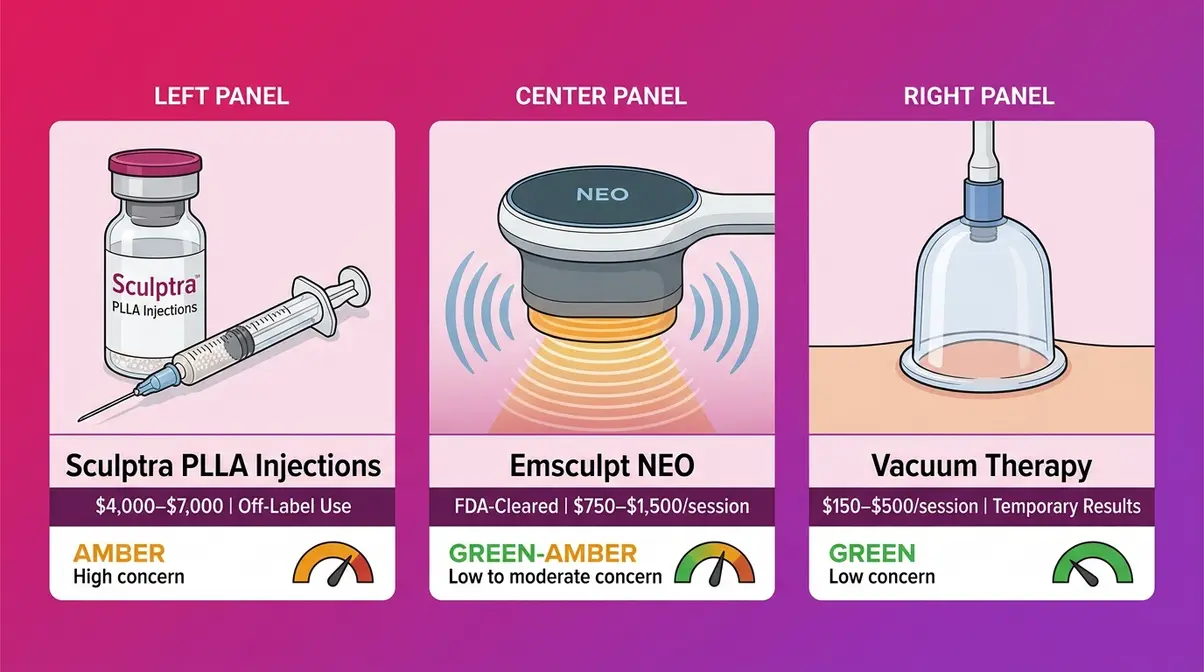
⚠️ Medical Disclaimer: The information in this section is for educational purposes only and does not constitute medical advice. Non-surgical cosmetic procedures carry real risks and should only be undertaken after consultation with a board-certified aesthetic physician or plastic surgeon. Some procedures described below are used off-label (meaning they are not FDA-approved for the specific use described). Always verify the credentials of any practitioner and ask to see clinical evidence before proceeding. Results vary significantly between individuals.
Non-surgical butt enhancements are the most significant investment in The Glute Tier System — and the one that requires the most careful decision-making. In our review of clinical literature and aesthetic protocols, our team evaluated the FDA communications and practitioner guidance for each of the three most popular treatments to give you a transparent picture of what each one actually delivers.
Sculptra (PLLA) Injections
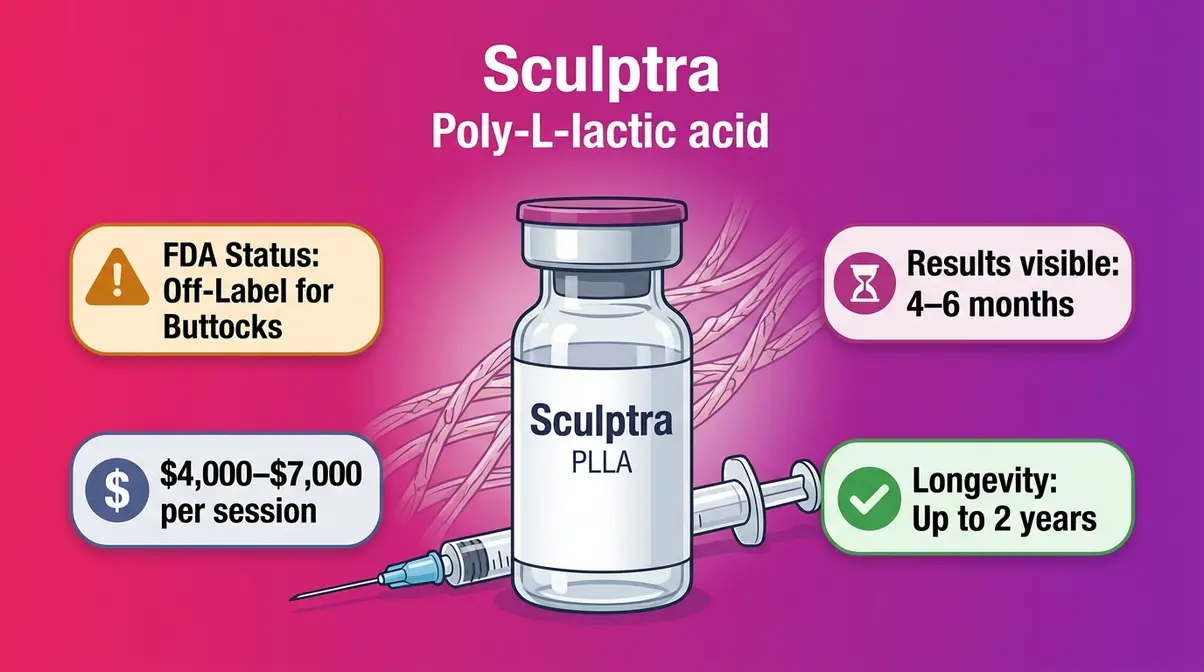
Sculptra is a biostimulatory injectable filler containing Poly-L-lactic acid (PLLA) — a synthetic, biodegradable compound that stimulates the body’s own collagen production rather than simply adding volume directly. When injected into the gluteal region, it gradually triggers collagen synthesis over a period of weeks to months, producing a progressive increase in volume and skin firmness.
Key Specs:
| Factor | Data |
|——–|——|
| FDA Status | Approved for facial volume loss; off-label for buttocks |
| Cost (2026) | $4,000–$7,000 per session; $600–$1,200 per vial |
| Vials Needed | Typically 10+ vials per session for buttocks |
| Sessions | Usually 2–3 sessions for full course |
| Results Timeline | Visible changes begin at 4–6 weeks; full results at 4–6 months |
| Longevity | Up to 2 years; some reports of up to 5 years |
| Downtime | Minimal — bruising and swelling for 24–72 hours |
What the evidence shows: Sculptra’s mechanism — collagen biostimulation — is well-documented for facial use. However, for gluteal augmentation, it is used entirely off-label, and as Healthline notes, “there isn’t a lot of clinical data about results to expect” for this indication (Healthline, 2026). Most outcome data comes from practitioner case series and anecdotal reports rather than large randomised controlled trials.
What can go wrong: Using large volumes of Sculptra in the buttocks can provoke significant inflammation and scar tissue formation, potentially hardening and distorting the buttock shape over time. Some board-certified surgeons question its cost-effectiveness for meaningful volume enhancement, noting that achieving significant volume change requires impractically large quantities of product. The FDA has not approved Sculptra for gluteal use — meaning the procedure is performed at the discretion of the treating physician without the safety validation that FDA approval requires.
Consult a board-certified aesthetic physician before undergoing any injectable treatment. Ask specifically about the number of vials planned, the practitioner’s experience with gluteal Sculptra, and what happens if the results are unsatisfactory.
Emsculpt NEO Muscle Stimulation
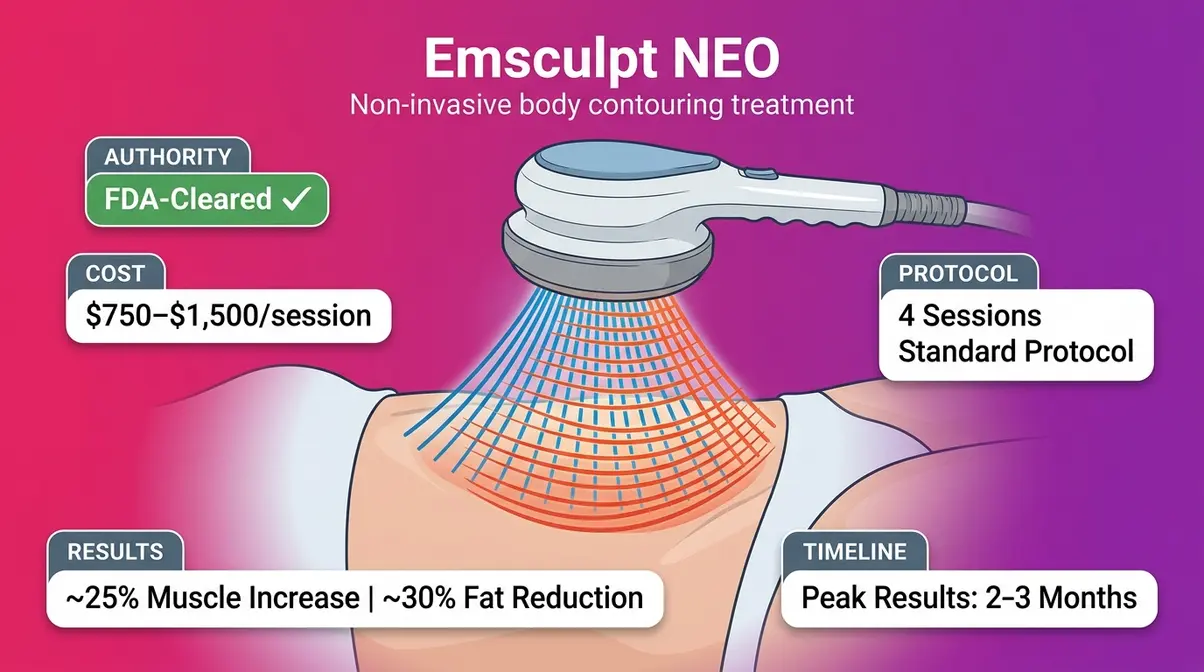
Emsculpt NEO is an FDA-cleared, non-invasive body contouring device that simultaneously applies High-Intensity Focused Electromagnetic (HIFEM+) energy and Radiofrequency (RF) to the treatment area. The HIFEM+ component induces supramaximal muscle contractions — contractions far more intense than voluntary exercise can produce — while the RF component heats and damages fat cells, which are then gradually eliminated by the body.
Key Specs:
| Factor | Data |
|——–|——|
| FDA Status | FDA-cleared for non-invasive fat reduction and muscle toning |
| Cost (2026) | $750–$1,500 per session; ~$850 average |
| Standard Protocol | 4 sessions, typically once per week |
| Full Course Cost | $3,000–$4,500 for 4-session series |
| Results Timeline | Visible improvements begin within weeks; peak results at 2–3 months post-treatment |
| Reported Efficacy | ~25% muscle mass increase; ~30% fat reduction in treated area |
| Longevity | Results can last 1+ year with stable weight; maintenance sessions every 3–6 months recommended |
| Downtime | None — soreness similar to intense exercise |
What the evidence shows: Emsculpt NEO has more published evidence than most non-surgical body contouring devices. Published data and clinic summaries report an average 25% increase in muscle mass and 30% reduction in subcutaneous fat after a typical four-session course, with visible results developing over several weeks and peaking around 2–3 months post-treatment (RefinedMD, citing Journal of Cosmetic Dermatology, 2026). Unlike Sculptra, this is FDA-cleared — meaning it has passed regulatory safety and efficacy review for its intended use.
What the experience is like: Each 30-minute session produces intense but tolerable muscle contractions across the treatment area. Most people describe it as feeling like an extremely intense workout — without the exertion. There is no downtime. Post-treatment soreness is common and resolves within 24–48 hours.
Limitations: Emsculpt NEO produces real muscle development and fat reduction — but the degree of gluteal volume change is more modest than Sculptra for most patients. It is best thought of as a toning and contouring treatment rather than a volumising one. It is also not suitable for everyone: people with pacemakers, metal implants, or certain medical conditions cannot use it. Consult a board-certified practitioner to confirm suitability before booking.
Vacuum Therapy
Vacuum Therapy (also called a vacuum butt lift or butt cupping) is a non-invasive treatment that uses suction cups connected to a vacuum machine to create controlled negative pressure on the gluteal tissue. This mechanical suction increases blood circulation, stimulates lymphatic drainage, and temporarily redistributes tissue for a lifted, more contoured appearance.
Key Specs:
| Factor | Data |
|——–|——|
| FDA Status | Not specifically FDA-cleared for gluteal augmentation |
| Cost (2026) | $150–$500 per session |
| Sessions Needed | 6–10 sessions for cumulative results |
| Results Timeline | Visible lifting immediately post-session |
| Longevity | Hours to 2–4 weeks per session; 2–3 months after a full course |
| Downtime | None — mild redness or bruising possible |
What the evidence shows: Vacuum therapy produces real but modest and temporary results. Healthline and Verywell Health both characterise the evidence base as limited, with effects described as “minimal and temporary at best” by some medical experts (Healthline, 2026; Verywell Health, 2026). It is best positioned as a maintenance or enhancement tool rather than a primary treatment for significant gluteal volume change. Notably, Verywell Health notes that once treatments stop, the skin typically returns to its baseline state.
While vacuum therapy is often marketed as a quick fix, it is crucial to understand its mechanical limitations. The suction primarily causes temporary tissue swelling and increased blood flow, which creates the illusion of growth. However, because it does not induce muscle protein synthesis or permanently alter fat distribution, the glutes will inevitably return to their baseline size once the swelling subsides. For this reason, it is best utilized as a temporary cosmetic enhancement for a weekend event or photoshoot, rather than a foundational part of your long-term body shaping strategy.
Who it’s best for: Women who want a temporary lift for a specific occasion, or who want to complement other Tier 3 treatments with ongoing maintenance sessions. It is the lowest-cost and lowest-risk Tier 3 option — but also the one with the least durable results.
Cost and Risk Comparison Matrix
Non-surgical butt enhancement treatments cost $150–$7,000+ and vary dramatically in evidence quality, longevity, and risk profile. Use this matrix to compare your options before making any decisions.
| Treatment | FDA Status | Cost Range (2026) | Results Timeline | Longevity | Risk Level | Evidence Quality |
|---|---|---|---|---|---|---|
| Sculptra | Off-label for buttocks | $4,000–$7,000 per session | 4–6 months for full results | Up to 2 years | Medium-High | Limited (case series; no large RCTs for gluteal use) |
| Emsculpt NEO | FDA-cleared | $750–$1,500/session; $3,000–$4,500 for 4 sessions | 2–3 months for peak results | 1+ year with maintenance | Low-Medium | Moderate (published clinical data; RCT-level evidence for fat/muscle outcomes) |
| Vacuum Therapy | Not cleared for this use | $150–$500/session | Immediate, but temporary | Hours to 3 months | Low | Limited (anecdotal; no large clinical trials) |
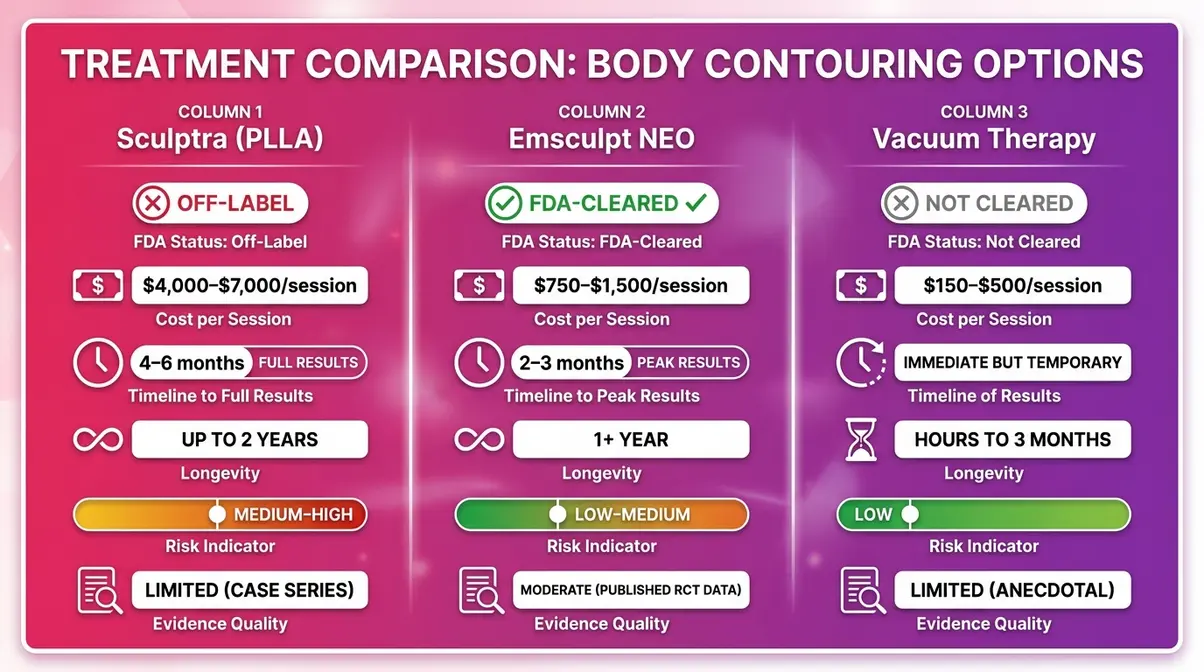
Bottom line on Tier 3: Emsculpt NEO offers the strongest evidence base and the most predictable risk profile of the three options. Sculptra can produce more dramatic volume changes but carries higher risk and is used entirely off-label for gluteal augmentation. Vacuum Therapy is the safest and most affordable option — but also the most temporary. None of these replaces a consultation with a qualified practitioner.
Limitations, Risks, and When to Reconsider
No approach to getting a bigger bum without exercise is without limitations. This section addresses the most common mistakes, the scenarios where these methods don’t work, and when you should seek professional guidance before proceeding.
Common Pitfalls to Avoid
- Expecting overnight physical change from diet. The most common mistake is starting a high-protein diet and expecting to see glute growth within a week. Muscle protein synthesis takes weeks to months of consistent effort to produce visible results. The one-week plan in this guide produces visible improvements — primarily through posture and presentation — not physical glute growth.
- Relying on shapewear instead of addressing APT. Shapewear is a powerful Tier 1 tool, but using it as a substitute for posture correction misses a free, permanent improvement. Correct your APT first; then shapewear amplifies results rather than compensating for a fixable postural issue.
- Undereating while trying to build glute volume. A severe caloric deficit suppresses muscle protein synthesis regardless of how much protein you consume. If you’re trying to add volume to your glutes through nutrition, you need to be at or slightly above caloric maintenance — not in a significant deficit.
- Choosing a Tier 3 provider based on price alone. The cheapest Sculptra or Emsculpt NEO provider is not necessarily the safest or most effective one. Board certification, specific experience with gluteal procedures, and transparent discussion of risks and realistic outcomes are non-negotiable criteria.
- Ignoring the off-label status of Sculptra. Many providers present Sculptra gluteal injections as routine. They are not — they are an off-label use of a product approved for facial volume loss. This matters because the safety and efficacy data for gluteal use is far thinner than for facial use.
- Inconsistent Hydration. Water retention can significantly mask your natural curves and make your lower body appear softer and less defined. Failing to drink adequate water while increasing your protein intake can lead to bloating, which obscures the visual improvements you are working toward. Aim for a consistent intake of at least 2.5 to 3 liters daily to support optimal muscle function and skin elasticity.
When to Choose Alternatives
- If you want permanent, surgical-level volume change: Non-surgical options in this guide are not appropriate. Consult a board-certified plastic surgeon about fat transfer (Brazilian Butt Lift) or gluteal implants — understanding that these carry significantly higher risks than any non-surgical option.
- If you have a very low body fat percentage: Posture correction and shapewear will help, but nutritional strategies need to include a genuine caloric surplus before glute volume can meaningfully increase. Consider working with a registered dietitian.
- If you are pregnant or breastfeeding: All Tier 3 procedures are contraindicated. Focus exclusively on Tier 1 posture and clothing strategies, and consult your healthcare provider before making any dietary changes.
When to Seek Expert Help
Seek professional guidance before proceeding with any Tier 3 option. Specifically:
- Before Sculptra: Consult a board-certified aesthetic physician or plastic surgeon who has specific experience with gluteal injections. Ask for before-and-after photos of their gluteal Sculptra patients and a full discussion of what happens if complications arise.
- Before Emsculpt NEO: A medical consultation is required to rule out contraindications (pacemakers, metal implants, pregnancy, certain skin conditions).
- Before any dietary protocol involving significant caloric surplus: If you have a history of disordered eating, metabolic conditions, or hormonal disorders, work with a registered dietitian rather than self-directing a caloric surplus protocol.
- If you experience pain, asymmetry, or hardening after any injectable procedure: Seek immediate medical attention. These can be signs of complications that require prompt professional management.
Frequently Asked Questions
How can I make my bum bigger naturally?
Making your bum bigger naturally involves optimising three factors: posture, nutrition, and body composition. Correcting Anterior Pelvic Tilt (APT) produces an immediate visible improvement by allowing the glutes to project properly. Consuming at least 1.6g of protein per kg of body weight per day supports gluteal muscle development even without dedicated exercise (NCBI, 2026). A modest caloric surplus encourages fat storage, which in oestrogen-dominant women tends to accumulate in the hips and glutes. Combining all three approaches over 8–12 weeks produces the most meaningful natural results.
How do I make my bum bigger without exercise?
The most effective non-exercise approaches follow The Glute Tier System: immediate visual fixes, gradual nutritional changes, and clinical enhancement. Start with Anterior Pelvic Tilt correction — it’s free and can visibly improve your bum’s appearance within hours. Add butt-lifting shapewear for additional immediate effect. Then optimise your protein intake (1.6g/kg daily) to support natural glute development over weeks. If you want more significant change, Emsculpt NEO (FDA-cleared, $750–$1,500 per session) and Sculptra injections ($4,000–$7,000, off-label) are the most clinically supported non-surgical options.
How do I get rid of a flat butt?
Getting rid of a flat butt depends on identifying which of the four root causes applies to you. If Anterior Pelvic Tilt is the issue — extremely common in desk workers — correcting your posture produces an immediate visible improvement. If low muscle mass or body fat is the cause, a high-protein diet over 8–12 weeks is the most effective approach. Sedentary gluteal amnesia responds to posture awareness and daily movement patterns. Genetics is the least fixable cause, but even genetic flatness can be significantly improved through posture correction, nutrition, and shapewear.
How do I grow my buttocks in 2 weeks?
In 2 weeks, you can meaningfully improve how your bum looks — but not significantly increase its physical size. Posture correction and shapewear produce visible improvements immediately. Starting a high-protein diet (1.6g/kg daily) in week one lays the nutritional foundation for glute development, though visible muscle or fat changes take 6–12 weeks of consistency. For the fastest visible improvement in a 2-week window, combine APT correction, strategic clothing choices, and optimal hydration — all of which can produce a noticeably shapelier silhouette without any physical change in glute size.
How do I fix a flat butt?
Fixing a flat butt starts with identifying whether the cause is postural, nutritional, or structural. For most women, Anterior Pelvic Tilt is the primary fixable cause — correcting it with the three-step pelvic tilt sequence (described in the Tier 1 section) produces immediate visible results. For nutritional causes, prioritising protein at 1.6g per kg of body weight daily, combined with adequate healthy fats and complex carbohydrates, supports glute development over 8–12 weeks. Shapewear and strategic clothing provide immediate visual correction while longer-term methods take effect.
What foods increase buttock size?
No food exclusively increases buttock size — but the right foods support the overall body composition changes that make glutes appear fuller and rounder. High-quality protein sources (chicken, eggs, Greek yoghurt, salmon, lentils) support gluteal muscle development at a target of 1.6g per kg of body weight per day (NCBI, 2026). Healthy fats (avocado, olive oil, fatty fish) support oestrogen levels that drive female fat distribution toward the hips and glutes. Complex carbohydrates (sweet potato, brown rice, oats) fuel muscle protein synthesis. The spot-gain concept — that specific foods grow only your glutes — is not supported by evidence; total body composition changes drive visible results.
Your Bigger Bum Action Plan Summary
For women who want to know how to get a bigger bum without exercise, the evidence points clearly to a structured, tiered approach. Posture correction — specifically addressing Anterior Pelvic Tilt — delivers the fastest visible results at zero cost, with research confirming that 75% of women assessed show some degree of anterior pelvic tilt (PubMed, 2026). Nutrition, optimised around a daily protein target of 1.6g per kg of body weight, supports genuine physical change over 8–12 weeks. And for women who want significant, lasting enhancement, Emsculpt NEO (FDA-cleared, with published evidence of 25% muscle mass increase and 30% fat reduction) and Sculptra (off-label, higher-risk, but capable of more dramatic volume change) are the most clinically supported non-surgical options.
The Glute Tier System exists because most guides on this topic either oversell quick fixes or undersell what’s genuinely achievable without exercise. The reality is more nuanced and more encouraging: meaningful, visible improvement is available at every budget level — from free posture corrections to $7,000 clinical procedures — and the right choice depends entirely on your timeline, budget, and risk tolerance.
Your next step is straightforward: start with Tier 1 today. Correct your posture using the three-step APT sequence, assess your clothing choices, and set your daily protein target. Within 24 hours, you’ll have a clearer picture of how much improvement is available to you before you spend a single pound or dollar. From there, you can decide whether Tier 2 or Tier 3 is worth exploring — with full information, not marketing promises.
Related posts:
StrongLifts 5x5 for Beginners: Complete Guide 2026
What Muscles Does the StairMaster Work? 6 Groups
Olympic Weightlifting vs Powerlifting: 2026 Guide
What Kills Muscle Gains? 7 Proven Saboteurs to Fix Now
Best Strength Training Apps for Women: Top 7 Picks
HASfit Home Workouts: Free Guide for All Fitness Levels

Callum
Hi, I'm Callum, the founder of Body Muscle Matters. I'm not a certified trainer, I'm a self taught lifter who started this site to share what I've learned from my own training and a lot of trial and error. Everything here comes from real experience and honest research, written the way I'd explain it to a friend who is just getting started. My goal is simple: practical, no hype fitness advice you can actually use.