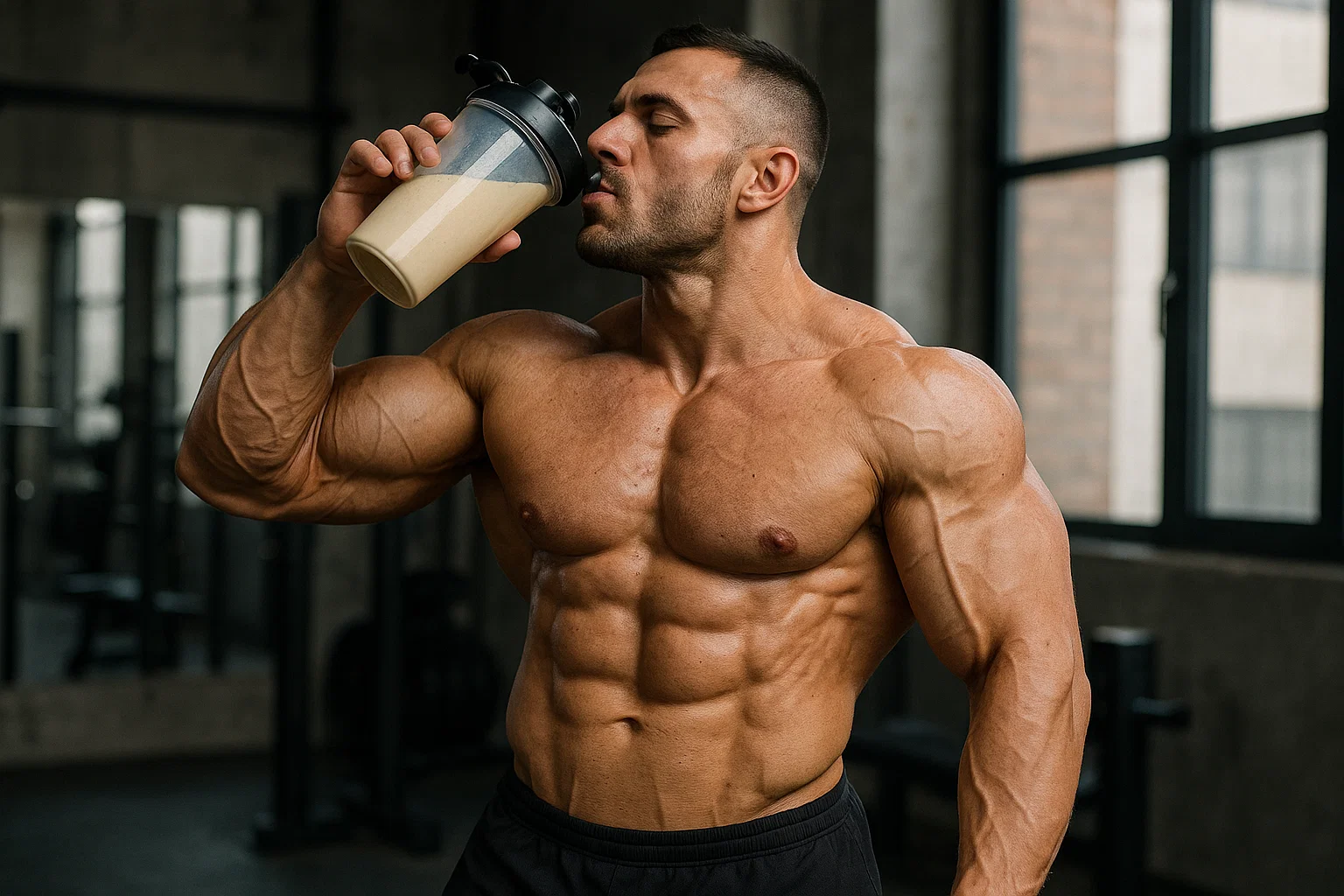
You want to know how much protein to build muscle. You train hard. But are you eating enough protein to actually see results?
Protein is the building block your body uses to repair and grow muscle tissue. Without adequate protein intake, your workouts won’t translate into the gains you’re after. The question isn’t whether protein matters but how much you actually need each day to maximize muscle growth. Get it wrong and you’ll struggle to add size no matter how perfect your training program is.
Most fitness advice throws around generic numbers without context. Should you aim for 150 grams daily or 200? Does timing matter? What about splitting it across meals? This article breaks down exactly how much protein you need based on your body weight, when to eat it for best results, and how to distribute it throughout your day. You’ll learn the optimal daily targets backed by research, per meal amounts that trigger muscle protein synthesis, and practical strategies to hit your numbers consistently. No guessing. No confusion. Just clear targets you can start using today.

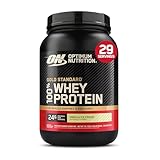
- 24 g High-Quality Whey Protein per Scoop – 100% of the protein from whey for a fast-absorbing, complete protein source that supports muscle maintenance and growth.
- 5.5 g Naturally-Occurring BCAAs + 11g of naturally occurring EAAs – Delivers essential amino acids including leucine, isoleucine, and valine to support post-workout muscle recovery, muscle strength and muscle building when taken over time with regular resistance training.
- Low Sugar, Low Carb, Low Fat — Ideal for Lean Muscle or Cutting Phases – With just ~1 g sugar, ~3 g carbs per serving, and whey protein isolate as the primary ingredient with further carbs and fat “isolated” out. It’s a high quality choice for athletes focused on lean muscle, weight management, or body-composition goals.
- Instantized & Easy-Mix Formula (Great Mixability) – Designed to dissolve smoothly in water, milk, or smoothies with a spoon, shaker, or blender — perfect for fast post-workout shakes or convenient protein boosts.
- Trusted Brand, Tested Quality & Versatile Use – For 35 years, athletes have trusted Optimum Nutrition to fuel their training. Gold Standard Whey is the trusted choice for gym-goers, athletes, and everyday fitness enthusiasts worldwide — use post-workout or as a protein supplement anytime.
- 24 g High-Quality Whey Protein per Scoop – 100% of the protein from whey for a fast-absorbing, complete protein source that supports muscle maintenance and growth.
- 5.5 g Naturally-Occurring BCAAs + 11g of naturally occurring EAAs – Delivers essential amino acids including leucine, isoleucine, and valine to support post-workout muscle recovery, muscle strength and muscle building when taken over time with regular resistance training.
- Low Sugar, Low Carb, Low Fat — Ideal for Lean Muscle or Cutting Phases – With just ~1 g sugar, ~3 g carbs per serving, and whey protein isolate as the primary ingredient with further carbs and fat “isolated” out. It’s a high quality choice for athletes focused on lean muscle, weight management, or body-composition goals.
- Instantized & Easy-Mix Formula (Great Mixability) – Designed to dissolve smoothly in water, milk, or smoothies with a spoon, shaker, or blender — perfect for fast post-workout shakes or convenient protein boosts.
- Trusted Brand, Tested Quality & Versatile Use – For 35 years, athletes have trusted Optimum Nutrition to fuel their training. Gold Standard Whey is the trusted choice for gym-goers, athletes, and everyday fitness enthusiasts worldwide — use post-workout or as a protein supplement anytime.

- High-Protein Formula to Support Muscle Health – Delivers 24g of fast-absorbing 100% whey protein per scoop to support post-workout muscle recovery, muscle strength and muscle building when taken over time with regular resistance training.
- Enhanced Muscle Recovery With BCAAs – Includes naturally occurring BCAAs and EAAs that help get you back to your best, faster and speed up recovery after intense training sessions.
- Optimized Support for Strength & Hypertrophy Goals – Whey protein isolate is the primary ingredient with excess carbs and fat “isolated” out. Ideal for athletes looking to increase muscle strength or boost recovery between workouts.
- Mixes Smoothly for Rapid Post-Workout Use – Instantized powder dissolves quickly in water or milk, making it a convenient shake immediately after training.
- Backed by thousands of hours of research – For 35 years, athletes have trusted Optimum Nutrition to fuel their training. Optimum Nutrition delivers proven quality. Whey is backed by science and trusted by athletes, we set the Gold Standard in protein
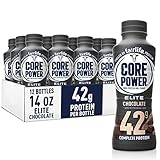
- MAXIMIZE RECOVERY: To help refuel, rehydrate and rebuild muscles post-workout. Made from ultra-filtered milk and providing complete proteins, Core Power helps to maximize your recovery.
- HIGH-QUALITY PROTEIN: Recovery starts with protein. Protein works to repair and rebuild muscle to help you power on to your next workout.
- CONTAINS ALL 9 ESSENTIAL AMINO ACIDS: Core Power protein shakes also contain the calcium, vitamin D, and electrolytes your body needs.
- LACTOSE FREE and SHELF STABLE: refrigerate after opening.
- NUTRITION: Contains fairlife Core Power 42g high-quality protein milk shakes, chocolate, 14 fl oz bottles (12 pack).

- CLEANER INGREDIENTS: 21g of Organic plant based protein and 1g sugar. Our protein blend contains Organic peas, brown rice & chia seeds with all 9 essential amino acids. Each serving has low net carbs and features 6g of prebiotic + fiber* for gut support.
- HIGHER STANDARDS: This product is vegan, contains no erythritol, gluten-free, kosher, made without soy ingredients & Non-GMO. You also won’t find any carrageenan, lactose & dairy ingredients, artificial colors, flavors, sweeteners, or preservatives.
- USDA ORGANIC & CERTIFIED PLANT-BASED: To ensure we are delivering on high-quality products, we use third parties to verify that we are certified USDA Organic and plant based.
- CUSTOMIZE ANY WAY: You can mix this with any liquid like water, almond milk, oat milk, or blend it to create a delicious shake or smoothie. For even more creative ways you can add it to overnight oats and other baked goods for a protein and energy boost.
- PERFECT FOR ANY LIFESTYLE: This protein powder is perfect for men and women alike, whether you’re maintaining a healthy lifestyle, working out, looking to add more protein to your diet, following a diet regimen or an on the go meal replacement.
Why protein intake matters for muscle building

Your muscles are constantly breaking down and rebuilding. When you lift weights, you create microscopic tears in muscle fibres that need repair. Protein provides the amino acids your body uses as raw materials to fix this damage and add new muscle tissue. Without adequate protein, your body cannot complete this repair process efficiently. You might train perfectly, but your muscles will lack the building blocks they need to grow stronger and larger. Understanding how much protein to build muscle starts with recognizing that dietary protein directly fuels the muscle building process your workouts trigger.
Muscle protein synthesis vs breakdown
Your body runs on a constant cycle of muscle protein synthesis (building) and muscle protein breakdown (degradation). Training tips the balance toward breakdown during your workout. Eating protein shifts it back toward synthesis afterward. You build muscle when synthesis exceeds breakdown over time. This balance requires consistent protein intake throughout the day, not just one large meal. Every time you eat protein, you trigger a spike in synthesis that lasts several hours.
Maintaining a positive protein balance is essential for adding muscle mass.
What happens when you don’t eat enough
Insufficient protein intake leaves your body unable to fully recover from training. Your muscles remain in a catabolic state longer, breaking down faster than they rebuild. You’ll notice slower progress, increased soreness, and difficulty adding strength. Your body may even sacrifice existing muscle tissue to meet its amino acid needs for other critical functions. Training hard without adequate protein wastes your effort in the gym.
How to calculate your daily protein target
Figuring out how much protein to build muscle starts with simple math based on your body weight. The most reliable approach uses your weight in either pounds or kilograms as the foundation. Research consistently shows that protein needs scale with body mass because larger bodies contain more muscle tissue that requires amino acids for maintenance and growth. You don’t need complicated formulas or expensive testing. A basic calculation gives you an accurate daily target that supports muscle building effectively.
Body weight based calculation method
The standard recommendation for muscle building is 1.6 to 2.2 grams of protein per kilogram of body weight daily. If you prefer pounds, that translates to 0.73 to 1.0 grams per pound. Someone weighing 150 pounds (68 kg) would target 109 to 150 grams of protein daily. A 200 pound (91 kg) person would aim for 146 to 200 grams. These ranges come from multiple studies examining muscle protein synthesis rates in trained individuals.
Most people building muscle do best at the higher end of this range. Start at 0.8 to 1.0 grams per pound if you train consistently four or more days weekly. Beginners can start at the lower end (0.73 grams per pound) and increase intake as training intensity rises. Your exact needs depend on training volume, but staying within this range ensures your body has enough protein to support muscle growth.
Consistent protein intake at 0.8 to 1.0 grams per pound optimizes muscle building for most trained individuals.
Adjusting for your training intensity
Your training frequency and volume directly affect how much protein you need. Lifting weights five to six days weekly with higher volume creates more muscle damage that requires repair. You’ll benefit from targeting the upper range (0.9 to 1.0 grams per pound) to support recovery. Someone training three days weekly with moderate volume can stick to the middle range (0.8 grams per pound) effectively.
Cutting calories to lose fat while maintaining muscle requires even more protein. Aim for 1.0 to 1.2 grams per pound of body weight during a caloric deficit. The extra protein helps preserve muscle tissue when your body faces an energy shortage. Endurance athletes who lift weights should also consider higher targets because both activities demand recovery resources.
Calculate your baseline using body weight, then adjust based on your specific training demands and goals. Track your intake for two weeks to establish consistency before fine tuning the amount.
Per meal and post workout protein targets
Knowing your total daily protein target matters, but how you distribute that protein throughout the day affects muscle building results. Your muscles respond best to protein when you spread intake across multiple meals rather than one large serving. Each time you eat protein, you trigger muscle protein synthesis for several hours. Strategic timing ensures your muscles receive a steady supply of amino acids when they need them most. Understanding how much protein to build muscle per meal and after training helps you maximize the effectiveness of your total daily intake.
How much protein per meal
Research shows that 20 to 40 grams of protein per meal optimizes muscle protein synthesis in most people. This amount provides enough amino acids to fully stimulate the muscle building process without waste. Your body can only use so much protein at once for muscle growth, and amounts beyond 40 grams in a single meal don’t significantly increase synthesis rates. Someone targeting 150 grams daily would split this into four meals of approximately 37 grams each or five meals of 30 grams.
Larger individuals may benefit from the higher end of this range (35 to 40 grams per meal) because they have more muscle mass to support. Smaller people can stick to 20 to 30 grams per meal effectively. Spacing meals three to four hours apart maintains elevated protein synthesis throughout the day. This consistent stimulus keeps your muscles in an anabolic state longer than eating large amounts infrequently.
Eating 20 to 40 grams of protein every three to four hours maintains optimal muscle building conditions.
Post workout protein timing
Your muscles become especially responsive to protein within two hours after training. Consuming 20 to 40 grams of protein during this window supports recovery and maximizes synthesis when your muscles need it most. You don’t need to rush from the gym to a shake immediately, but eating protein within one to two hours post workout helps capitalize on heightened sensitivity. Whole food meals work just as effectively as protein shakes if they fit your schedule. Your total daily intake matters more than precise timing, but post workout protein still provides a practical advantage for muscle building.
Best protein sources for muscle growth
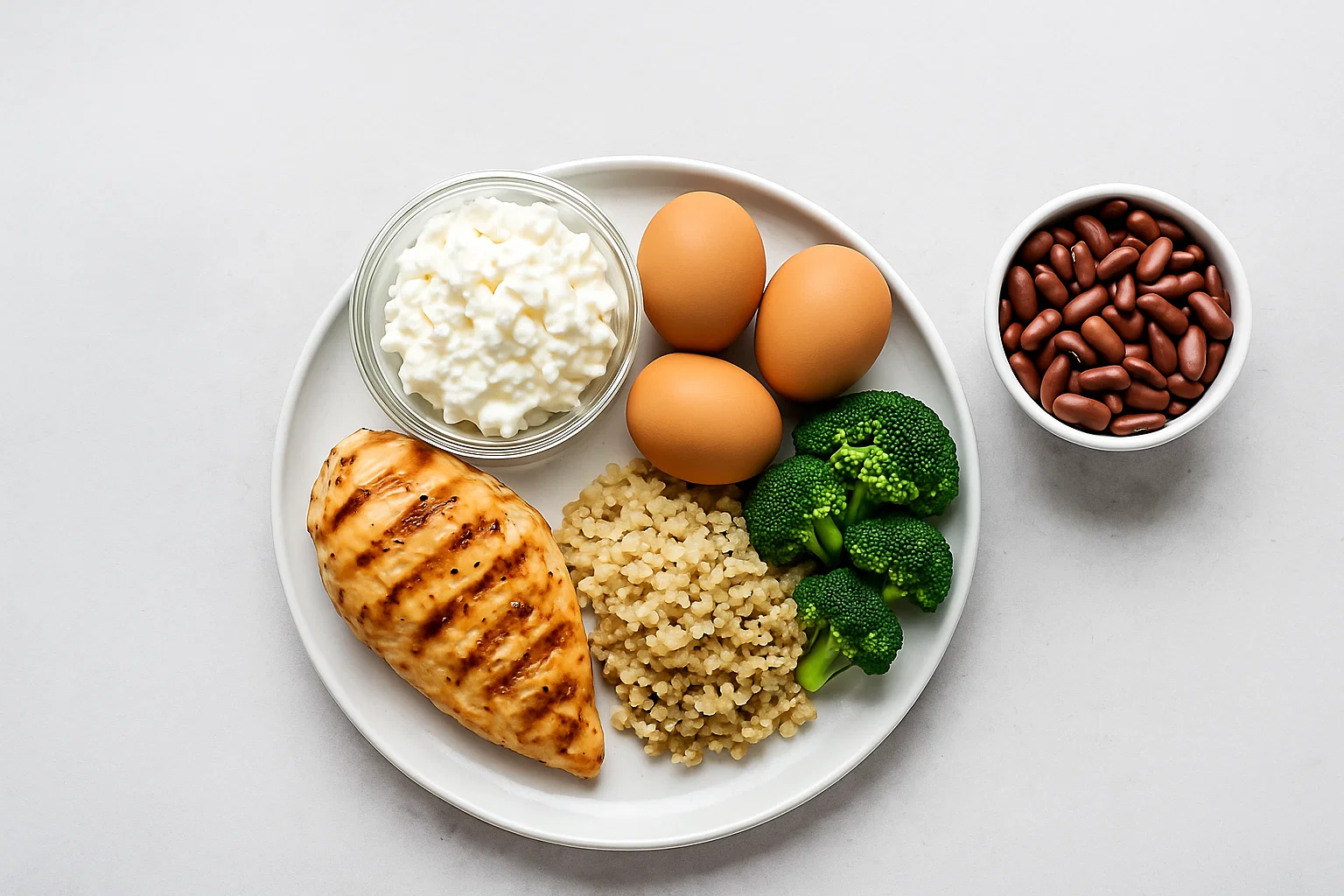
Choosing the right protein sources affects how effectively your body builds muscle. Not all proteins provide the same benefits. Complete proteins contain all nine essential amino acids your body needs for muscle repair and growth. Animal sources typically offer complete proteins with high bioavailability, meaning your body absorbs and uses them efficiently. Plant based options require more planning but work just as well when combined properly. Understanding which foods deliver the most muscle building protein helps you hit your daily targets without unnecessary calories or cost.
Complete protein sources
Animal proteins dominate when you need high quality, easily absorbed protein. Chicken breast provides 31 grams of protein per 3.5 ounces with minimal fat. Lean beef delivers similar protein plus additional iron and zinc that support recovery. Fish like salmon and tuna offer 20 to 25 grams per serving along with omega 3 fatty acids that reduce inflammation. Eggs pack 6 grams of complete protein each and cost less than most alternatives. Greek yogurt contains 17 grams per cup with the bonus of probiotics for digestion. These sources help you reach your targets for how much protein to build muscle without excessive meal prep or complicated planning.
Complete animal proteins provide all essential amino acids your muscles need in a single food source.
Plant based protein options
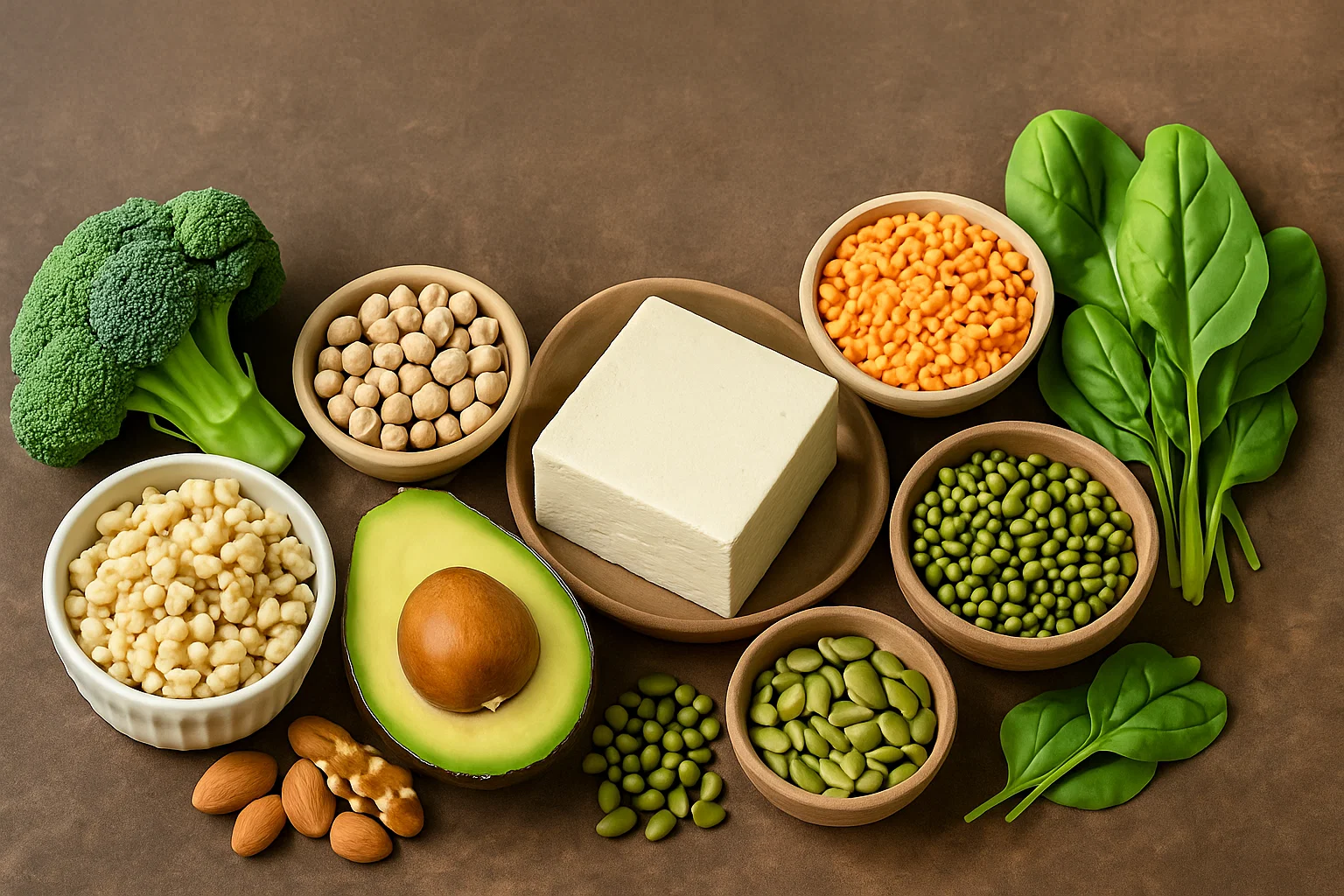
Plant proteins require combining different sources to create complete amino acid profiles. Beans and lentils offer 15 to 18 grams per cooked cup but lack certain amino acids found in grains. Pairing rice with beans or bread with peanut butter creates complete proteins your body can use for muscle building. Tofu and tempeh from soy provide 10 to 20 grams per serving as naturally complete plant proteins. Quinoa stands out as a grain with all essential amino acids, offering 8 grams per cup. You can meet your protein needs on a plant based diet by varying your sources throughout the day and ensuring adequate total intake. Plant proteins often contain more fiber, which helps with satiety during muscle building phases.
Common protein mistakes to avoid
Understanding how much protein to build muscle matters, but avoiding common mistakes ensures you actually benefit from that knowledge. Many people sabotage their results through simple errors that undermine their training efforts. These mistakes waste time, money, and potential gains you worked hard to earn. Recognizing what doesn’t work helps you focus on strategies that deliver actual results. You can fix most protein related problems quickly once you identify them.
Consuming all protein in one or two meals
Eating your entire daily protein target in one or two large meals severely limits muscle building. Your body can only use 20 to 40 grams of protein effectively for muscle synthesis at once. A single 100 gram protein meal doesn’t triple your results compared to spreading that amount across multiple servings. Excess protein from large meals gets converted to energy or stored as fat rather than building muscle. Distribute your intake across three to five meals daily for sustained synthesis.
Spreading protein across multiple meals maintains muscle building conditions throughout the day.
Obsessing over timing while ignoring total intake
Many people stress about post workout timing while falling short of their daily protein target. Your total daily protein intake matters far more than consuming a shake within 30 minutes of finishing your workout. Missing your daily goal by 30 grams causes bigger problems than delaying post workout protein by an hour. Focus on hitting your overall daily target consistently before worrying about precise meal timing. Get the basics right first.
Bringing it all together
You now have the exact targets you need to build muscle effectively. Start with 0.8 to 1.0 grams of protein per pound of body weight daily, spread across three to five meals of 20 to 40 grams each. Prioritize complete protein sources like chicken, fish, eggs, and Greek yogurt to simplify hitting your numbers. Track your intake for two weeks to establish consistency.
Understanding how much protein to build muscle removes the guesswork from your nutrition plan. Focus on total daily intake first, then optimize meal timing. Your training creates the stimulus, but protein provides the building blocks your muscles need to grow. For more evidence-based guidance on building muscle, explore Body Muscle Matters for practical advice you can implement today.