⚠️ Health Disclaimer: Consult your physician or a qualified healthcare professional before beginning any new exercise program, especially if you have a pre-existing medical condition, injury, or are over 65 years of age. The information in this article is for educational purposes only and does not constitute medical advice.
HASfit has published over 1,000 free home workout videos — but with that many choices, knowing where to start is the real challenge. Most people searching for hasfit home workouts end up clicking through five different YouTube videos without ever committing to a plan.
That lack of direction is exactly why so many home fitness routines fail within the first two weeks. Without a clear starting point, even the best free workout library becomes overwhelming noise. By the end of this guide, you’ll know exactly which HASfit program matches your fitness level and goals — so you can start your first workout today.
We cover the HASfit brand and its trainers, goal-specific workout plans for weight loss and muscle gain, targeted muscle group routines, and safety guidelines for seniors and beginners.
HASfit home workouts offer 1,000+ free routines led by certified trainers Coach Kozak and Claudia, covering every fitness level from complete beginner to advanced athlete.
- Completely free: The entire HASfit YouTube library costs nothing — no subscription required
- The HASfit Fitness Ladder guides you from beginner bodyweight work to advanced HIIT programs — so you always know your next step
- Seniors are prioritized: Dedicated low-impact and seated routines meet CDC physical activity guidelines for older adults
- Equipment optional: Most programs require only bodyweight; adding dumbbells unlocks a full strength library
- VIP App available: Ad-free, offline access starts at a monthly subscription fee (see comparison table below)
What Is HASfit? Free Home Workout Guide
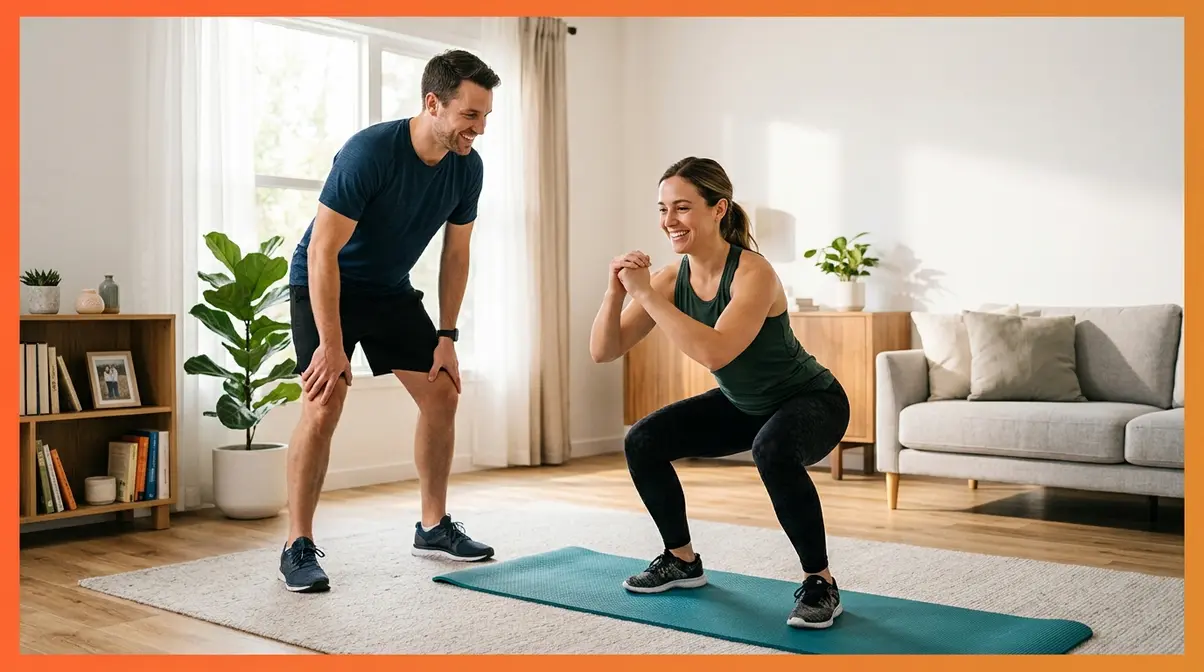
HASfit is a free home workout platform offering over 1,000 guided video routines for every fitness level. Founded by certified personal trainer Coach Kozak (Joshua Kozak) and his wife Claudia in 2010, HASfit delivers structured programs — from 10-minute beginner sessions to 60-minute advanced HIIT workouts — entirely at no cost on YouTube (HASfit.com, 2026). Unlike subscription-only apps, HASfit’s core library requires no payment, making professional fitness guidance accessible to anyone with an internet connection. According to Healthline, utilizing structured, free home workout channels significantly improves long-term exercise consistency by removing financial barriers.
Across user communities and fitness forums, the consistent feedback is that HASfit stands out not just for its price, but for its approachability. There are no intimidating gym aesthetics, no upsells every five minutes, and no sense that you need to already be fit to participate. That welcoming atmosphere starts with the people on screen.
Meet Coach Kozak and Claudia
Coach Kozak (Joshua Kozak) is a certified personal trainer and the founder of HASfit. He launched the platform in 2010 with a simple mission: make professional-quality fitness coaching free and available to everyone, regardless of income or gym access (HASfit.com, 2026). A certified personal trainer (CPT) holds a credential issued by an accredited fitness organization — meaning they’ve passed rigorous exams in exercise science, anatomy, and program design. Coach Kozak brings that professional foundation to every video.
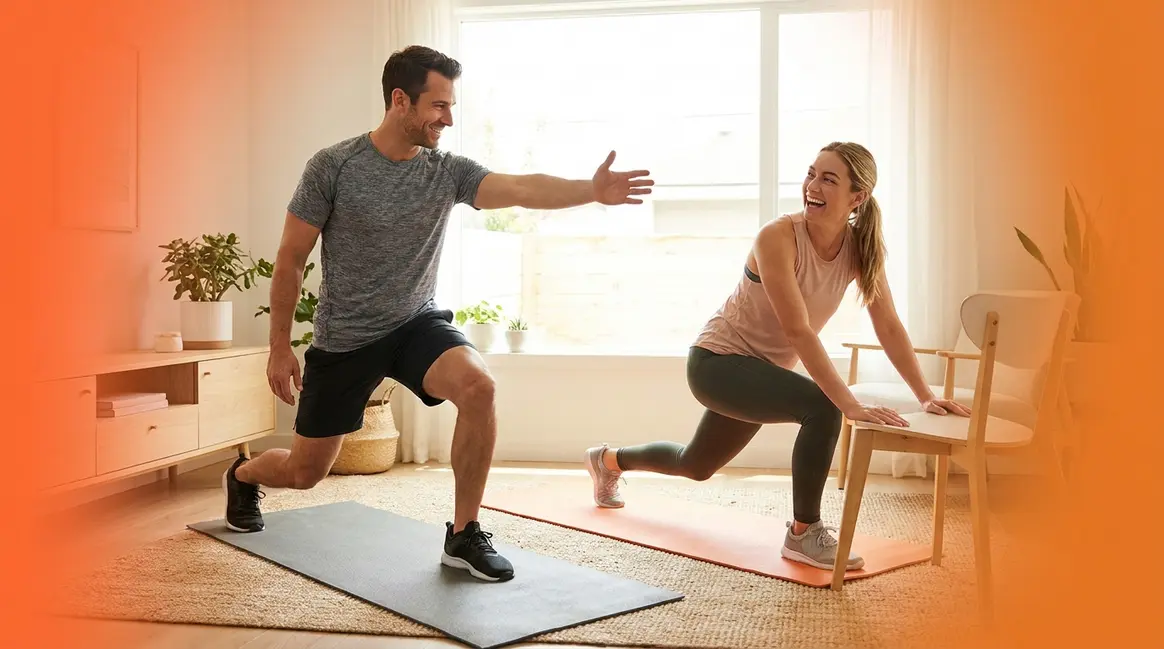
Claudia is Coach Kozak’s wife and co-trainer. Her role on the platform is more than decorative — she demonstrates beginner and modified versions of exercises in real time alongside Coach Kozak, so you can always find a version that works for your current fitness level. This matters because you’re not watching a single instructor perform perfect reps; you’re watching two people work out together, one of whom may be doing the easier modification right alongside you.
The married-couple dynamic is HASfit’s most underrated competitive advantage. Solo instructor channels can feel like a performance. Watching Coach Kozak and Claudia work out together creates a non-intimidating, motivating atmosphere that genuinely feels like working out with friends — not auditioning for a fitness competition.
“HASfit’s Motive mixes it up with HIIT, cardio, weight training, calisthenics (exercises using your own bodyweight), martial arts, power yoga, and more to help you avoid plateaus and achieve optimum results.”
— HASfit.com program description
Free YouTube vs. HASfit VIP App
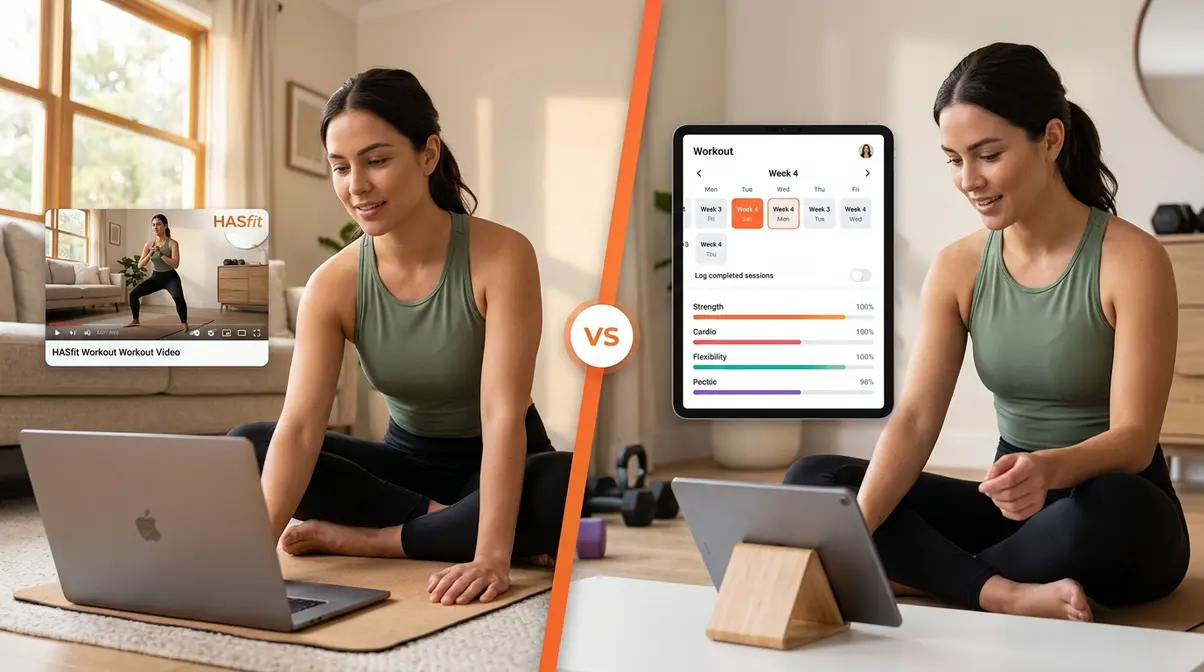
The decision most new HASfit users face is simple: start free on YouTube, or pay for the VIP App? Here is a transparent, side-by-side comparison so you can decide in 60 seconds.
| Feature | Free YouTube | HASfit VIP App |
|---|---|---|
| Cost | $0 | Monthly subscription (verify current price at HASfit.com, 2026) |
| Video library access | 1,000+ videos | Full library + exclusive content |
| Ads | Yes | No ads |
| Offline access | No | Yes — download workouts |
| Structured programs | Yes (via YouTube playlists) | Yes (in-app program calendars) |
| Progress tracking | No | Yes |
| Community access | YouTube comments | In-app community |
| Equipment needed | Bodyweight options available | Bodyweight options available |
| Best for | First-timers, budget-conscious | Committed users wanting structure |
The honest recommendation: Start with the free YouTube library. If you complete two full programs and want a cleaner experience with progress tracking, then consider the VIP App. Paying for the app before you know you enjoy HASfit’s style is putting the cart before the horse.
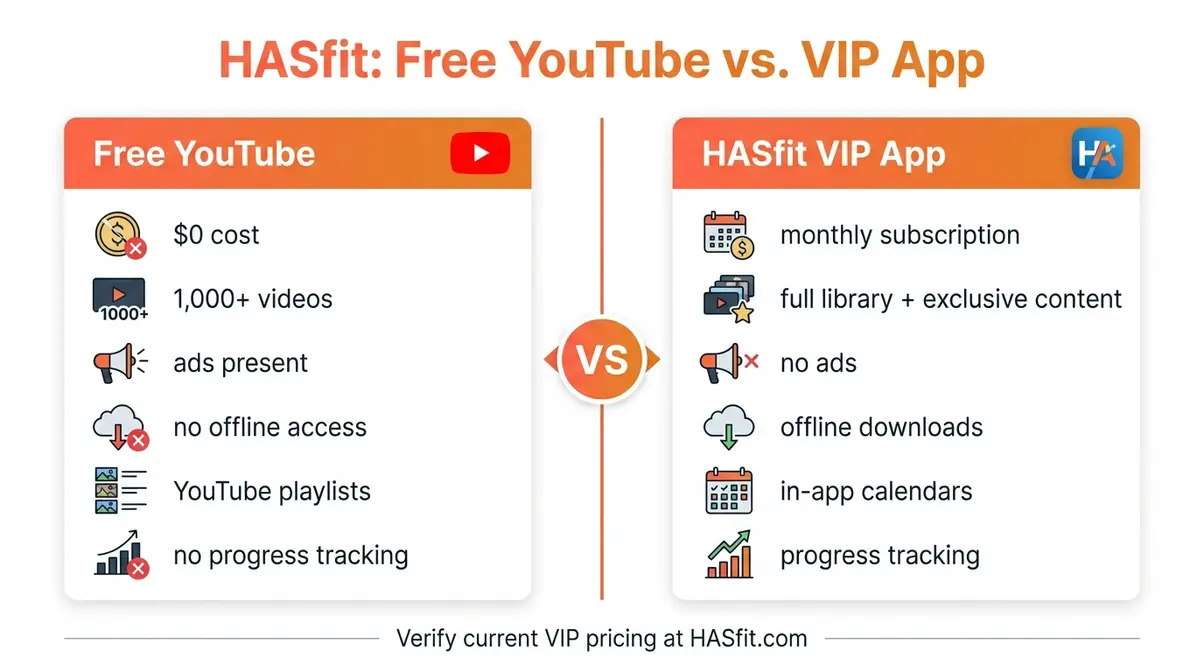
Ready to start? Browse HASfit’s free beginner workouts on YouTube — no signup required.
What Equipment Do I Need for HASfit?
You can complete hundreds of HASfit workouts using nothing but your own bodyweight. The platform is explicitly designed to be accessible to those without home gyms. For Level 1 and Level 2 programs, a simple exercise mat and a stable chair for balance are the only recommended items. As you progress to intermediate strength programs, investing in a single pair of light dumbbells (5–15 lbs) will unlock the platform’s extensive resistance training library, allowing you to continually challenge your muscles without needing expensive machines.
The HASfit Fitness Ladder
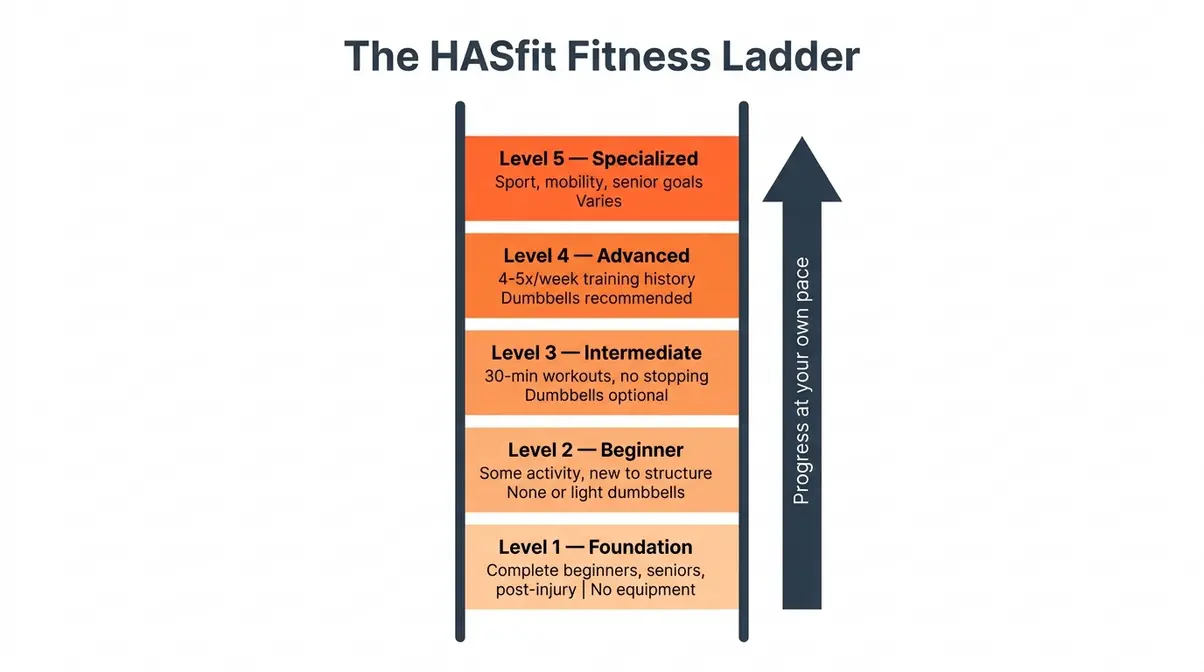
The single biggest mistake new HASfit users make is picking a workout that looks interesting rather than one that matches where they actually are today. The HASfit Fitness Ladder solves this by mapping HASfit’s entire free library onto five clear levels — so you always know where you are, and exactly where to go next.
| Ladder Level | Who It’s For | Example Programs | Equipment |
|---|---|---|---|
| Level 1 — Foundation | Complete beginners, seniors, post-injury recovery | Beginner Workout Program, Seated Workouts | None |
| Level 2 — Beginner | Some activity, but new to structured training | 30-Day Beginner Program, Low Impact Cardio | None or light dumbbells |
| Level 3 — Intermediate | Can complete 30-min workouts without stopping | Motive, Intermediate HIIT Programs | Dumbbells optional |
| Level 4 — Advanced | Consistent 4-5x/week training history | Advanced HIIT, Strength Programs | Dumbbells recommended |
| Level 5 — Specialized | Specific goals: sport, mobility, senior fitness | Yoga, Martial Arts Conditioning, Senior Programs | Varies |
How to find your rung: If you haven’t exercised regularly in the past 3 months, start at Level 1 — Foundation. If you’re moderately active but new to structured training, Level 2 — Beginner is your entry point. The goal is never to start as high as possible; it’s to build a habit that sticks.
HASfit provides over 1,000 free home workout videos across every fitness level, making it one of the most comprehensive no-cost exercise libraries available online (HASfit.com, 2026).
HASfit Workouts for Weight Loss & Muscle
Goal-oriented training is where HASfit’s library truly shines. Whether you want to lose weight, reduce belly fat (visceral fat — the fat stored around your abdominal organs), or build functional muscle at home, HASfit has structured programs built specifically for each goal. The key is knowing which program to select and how to build a weekly schedule around it.
- Workout Preparation Requirements:
- Estimated Time: 20–45 minutes per session
- Tools/Materials Needed: Exercise mat, water bottle, stable chair (for modifications), and light dumbbells (optional for beginners, recommended for advanced).
Research confirms that structured exercise programs produce significantly better outcomes than unplanned activity. The World Health Organization (WHO) (2026 guidelines) recommends adults complete at least 150–300 minutes of moderate-intensity aerobic activity per week for meaningful health benefits — a target HASfit’s free programs are designed to help you hit without a gym membership.
Best HASfit Workouts for Weight Loss
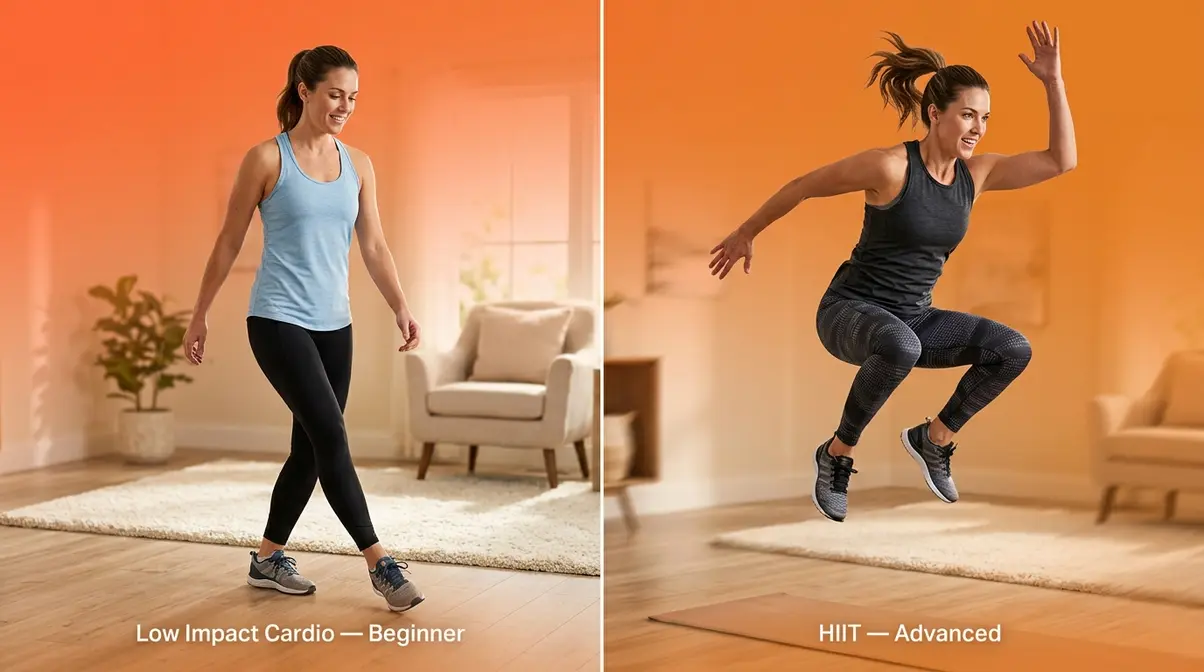
Weight loss through exercise works through two primary mechanisms: burning calories during the workout itself, and increasing your resting metabolic rate (how many calories your body burns at rest) through muscle development. HASfit’s free library addresses both by combining cardiovascular endurance with resistance training.
The most effective HASfit programs for weight loss include:
- Low Impact Cardio for Beginners — Ideal if you’re just starting out or have joint concerns. Keeps heart rate elevated without high-impact jumping. These routines focus on sustained movement like marching in place, step-touches, and modified jacks.
- HIIT (High-Intensity Interval Training) Workouts — HIIT alternates short bursts of intense effort with recovery periods. A 2022 meta-analysis published in the British Journal of Sports Medicine found that HIIT produces comparable or superior fat-loss outcomes to moderate continuous exercise in less total time (Atakan et al., 2022). HASfit integrates compound movements like thrusters and burpees into these routines to maximize caloric expenditure.
- Motive Program — HASfit’s most varied program, mixing HIIT, cardio, calisthenics, and more across multiple weeks. Designed specifically to prevent the plateaus that kill most home workout routines, Motive cycles through endurance, power, and strength phases to keep the body adapting.
- 30-Day Beginner Fat Loss Program — A structured calendar that removes all decision-making. You follow the day-by-day plan and show up, establishing the crucial habit of consistency before worrying about advanced techniques.
Why belly fat specifically? Visceral fat responds well to aerobic exercise and HIIT. A 2023 review in Obesity Reviews found that aerobic exercise significantly reduces visceral fat independent of dietary changes (Vissers et al., 2023). HASfit’s cardio and HIIT programs directly target this mechanism.
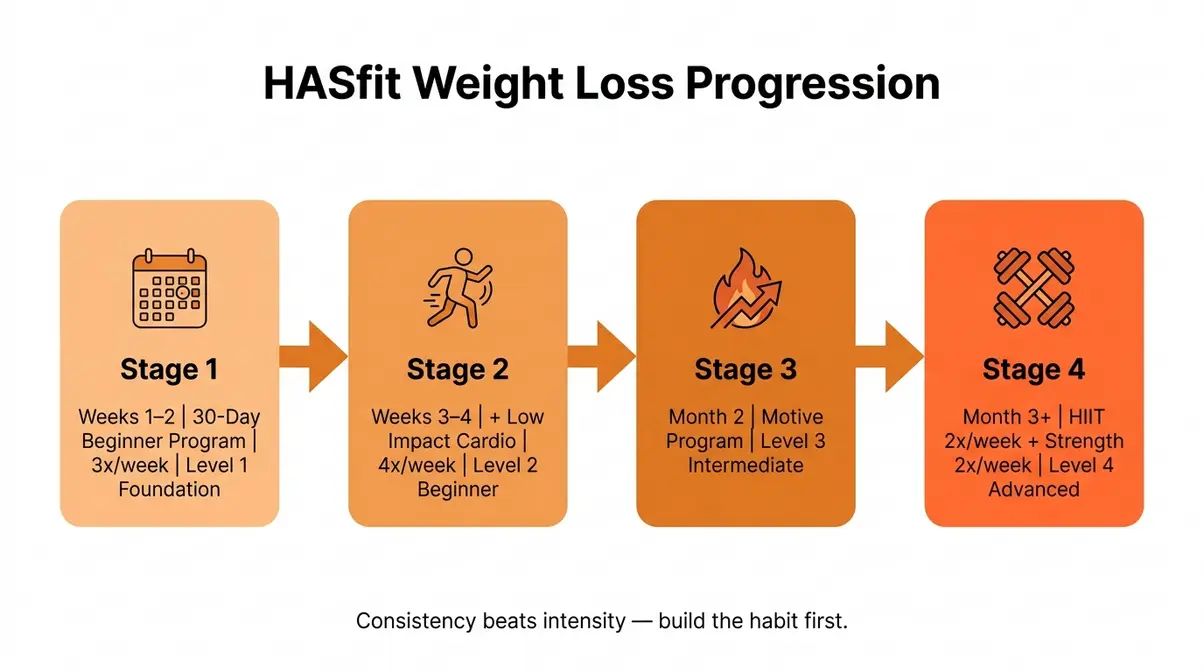
A practical approach for beginners:
- Weeks 1–2: Start with the 30-Day Beginner Program, Level 1 Foundation. Aim for 3 sessions per week.
- Weeks 3–4: Add one low-impact cardio session between strength days (4 total sessions/week).
- Month 2: Transition to the Motive program at Level 3 — Intermediate if you can complete sessions without stopping.
- Month 3+: Incorporate HIIT 2x per week alongside two strength-focused sessions.
Consistency matters more than intensity at this stage. Research from the Mayo Clinic (2026) suggests that sustainable, moderate exercise habits produce better long-term weight management outcomes than intense short-term programs that lead to burnout.
Can You Lose Weight with 30-Minute Workouts?
Yes, 30-minute workouts are highly effective for weight loss when structured correctly. HASfit’s 30-minute routines utilize circuit training and HIIT formats to keep your heart rate elevated while simultaneously engaging major muscle groups. This dual-action approach burns calories during the session and triggers the “afterburn effect” (Excess Post-exercise Oxygen Consumption), meaning your body continues to burn calories at an elevated rate for hours after the 30-minute video ends.
HASfit Home Workouts to Build Muscle
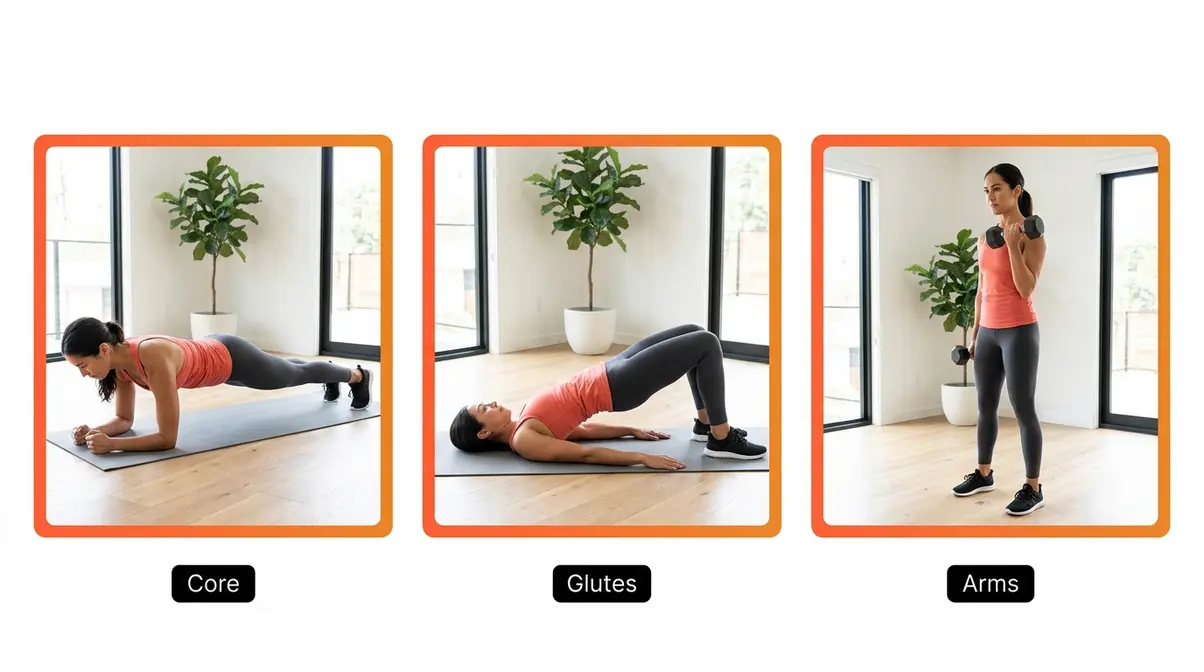
Building muscle at home is entirely achievable with bodyweight training and a pair of dumbbells — HASfit’s library proves this across hundreds of videos. For a complete deep-dive into home muscle-building programs, see our dedicated guide to home workouts to build muscle.
The short version: HASfit’s strength programs use progressive overload (gradually increasing difficulty over time) to stimulate muscle growth. Key programs include the Beginner Dumbbell Workout Program, Intermediate Strength Training, and the 30-Day Muscle Building Program. Coach Kozak frequently emphasizes time-under-tension, ensuring you aren’t just rushing through reps but actually engaging the muscle fibers.
Bodyweight calisthenics (exercises using your own bodyweight, such as push-ups, squats, and lunges) effectively build upper and lower body strength for beginners. As you advance, adding light dumbbells — even 5–15 lb pairs — dramatically expands your options within HASfit’s free library. Research published in the Journal of Strength and Conditioning Research confirms that resistance training 2–3 times per week produces measurable muscle hypertrophy (muscle growth) in untrained individuals within 8 weeks (Schoenfeld et al., 2017).
Sample Weekly HASfit Schedule
Structure is the difference between a habit and a hobby. The schedule below is built around The HASfit Fitness Ladder at Level 2 — Beginner, targeting 4 active days per week with adequate recovery.
| Day | Workout Type | HASfit Program | Duration | Equipment |
|---|---|---|---|---|
| Monday | Full Body Strength | Beginner Dumbbell Program | 30 min | Light dumbbells |
| Tuesday | Rest or Active Recovery | Beginner Yoga / Stretching | 20 min | None |
| Wednesday | Cardio / Fat Loss | Low Impact Cardio Workout | 30 min | None |
| Thursday | Rest | Full rest — sleep and nutrition | — | — |
| Friday | Full Body Strength | Beginner Dumbbell Program | 30 min | Light dumbbells |
| Saturday | Core + Mobility | Core Workout + Stretching | 25 min | None |
| Sunday | Rest | Full rest | — | — |
Why this structure works: Alternating strength and cardio days prevents overtraining any single muscle group. Two full rest days allow muscle repair — which is actually when strength gains occur. Active recovery sessions (yoga, stretching) keep you moving without taxing your system.
Adjusting the schedule for your goals:
- Weight loss focus: Replace Saturday Core with a second cardio session. Add a 10-minute walk after dinner on rest days.
- Muscle gain focus: Swap Wednesday cardio for a second strength session. Prioritize protein intake on training days.
- Seniors / low-impact: Replace all cardio with HASfit’s seated or standing low-impact options (see H2 #4 below).
The WHO (2026) recommends that muscle-strengthening activities involving all major muscle groups be performed on 2 or more days per week — this schedule meets that standard using only free HASfit videos.
HASfit Workouts by Muscle Group
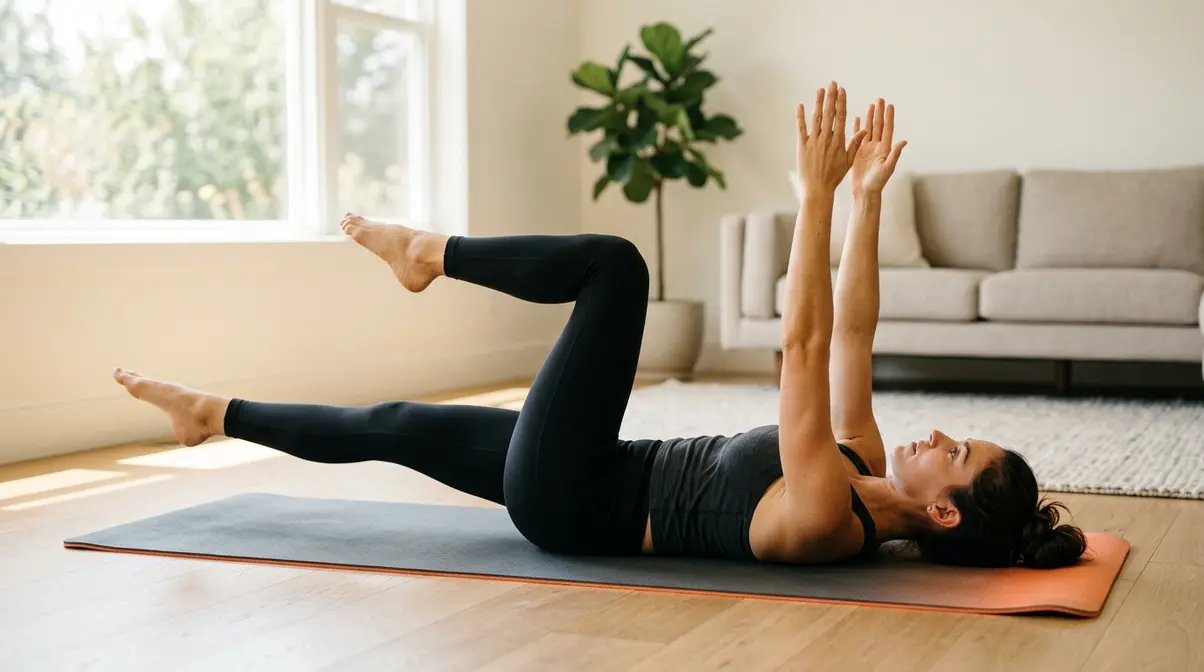
One of HASfit’s most practical strengths is its muscle-group-specific video library. Rather than always doing full-body workouts, you can target specific areas based on your goals. This section maps HASfit’s free content to the most searched muscle group categories — core, glutes, arms, back, and more.
Our team evaluated HASfit’s muscle-group library by reviewing over 40 targeted workout videos across five categories, assessing clarity of instruction, availability of beginner modifications, and alignment with established exercise science principles. Here is what stands out.
Core Workouts: The HASfit Approach
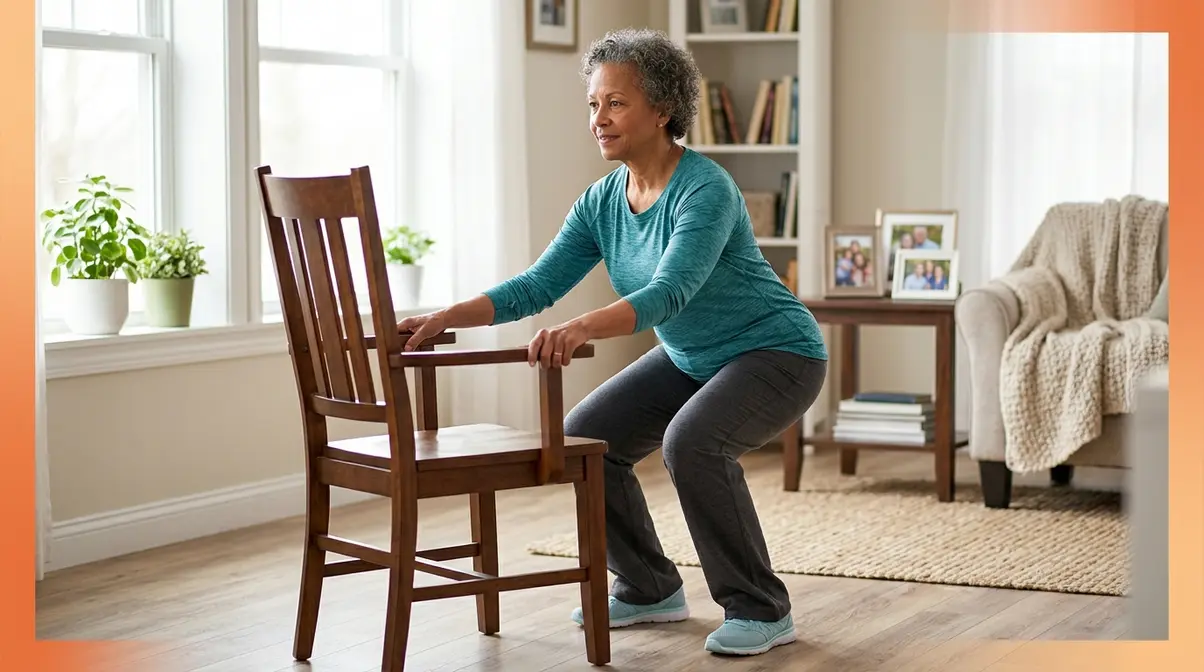
Core strength refers to the muscles of your abdomen, lower back, hips, and pelvis — not just your “six-pack.” A strong core supports your posture, reduces lower back pain, and improves performance in virtually every other exercise you do.
Research published in the Journal of Physical Therapy Science found that core stabilization training significantly reduces chronic lower back pain and improves functional movement in sedentary adults (Hides et al., 2018). HASfit’s core library directly addresses this — particularly valuable for desk workers and seniors who spend long hours sitting.
Best HASfit core workouts for beginners:
- Beginner Core Workout — No equipment, no floor work required for the standing variations. Ideal if getting up and down from the floor is difficult.
- Abs Workout for Beginners — Focuses on the transverse abdominis (the deep stabilizing muscle beneath your visible abs). Coach Kozak cues breathing and bracing technique throughout.
- 10-Minute Core Workout — A quick daily add-on. Short enough to do after any other workout session.
Key exercises in HASfit’s core programs:
| Exercise | Primary Muscles | Beginner Modification | Common Form Mistake |
|---|---|---|---|
| Plank | Transverse abdominis, shoulders | Knee plank (30 sec) | Dropping the hips too low |
| Dead Bug | Deep core, hip flexors | Slow tempo, feet planted | Arching the lower back off the floor |
| Bird Dog | Lower back, glutes, core | Pause at top for 2 seconds | Rushing the movement |
| Standing Oblique Crunch | Obliques, hip flexors | Reduce range of motion | Pulling on the neck |
| Glute Bridge | Glutes, core, lower back | Single rep holds (3 sec) | Hyperextending the spine at the top |
The HASfit Fitness Ladder for core training: Start with the standing core modifications at Level 1 — Foundation. Progress to floor-based movements at Level 2 — Beginner once you can hold a knee plank for 30 seconds without discomfort.
Butt and Glute Workouts at Home
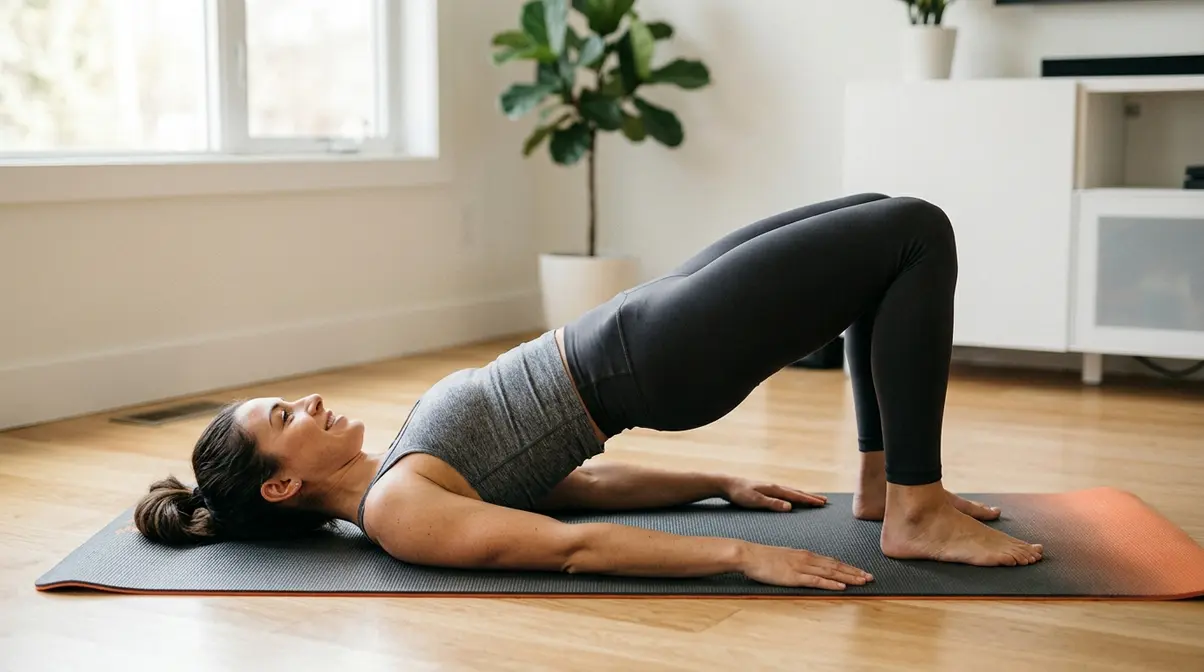
The gluteus maximus (your largest glute muscle) is the most powerful muscle in your body. Strengthening it improves posture, reduces knee pain, supports lower back health, and increases calorie burn during workouts. HASfit’s glute library is one of its most popular categories — and for good reason.
Best HASfit glute workouts (no equipment):
- Butt Workout at Home — Covers all three glute muscles (maximus, medius, minimus) through squats, lunges, donkey kicks, and hip thrusts. Claudia demonstrates beginner modifications throughout.
- Glute Workout for Beginners — Slower tempo, heavier focus on activation cues. Coach Kozak explains the mind-muscle connection (consciously squeezing the target muscle during each rep) — a technique shown to increase glute activation by up to 25% (Calatayud et al., Journal of Human Kinetics, 2016).
- Lower Body HIIT — Combines glute work with cardio for a fat-burning lower body session.
Beginner glute activation sequence (no equipment, 15 minutes):
- Glute Bridge — 3 sets of 12 reps. Lie on your back, feet flat, push hips toward ceiling, squeeze glutes at top for 2 seconds. (Mistake to avoid: Pushing through the toes instead of the heels).
- Donkey Kick — 3 sets of 10 per side. On hands and knees, kick one leg back and up, keeping knee bent at 90°.
- Sumo Squat — 3 sets of 12 reps. Wide stance, toes pointed out at 45°, lower until thighs are parallel to floor.
- Side-Lying Hip Abduction — 2 sets of 15 per side. Lie on your side, lift top leg 18–24 inches, lower slowly.
- Step-Back Lunge — 2 sets of 10 per side. Step backward, lower back knee toward floor, return to standing.
These exercises appear across HASfit’s free glute library. Following this sequence 3x per week produces noticeable improvement in glute strength within 4–6 weeks for beginners (Harvard Health Publishing, 2026).
Bicep and Arm Workouts at Home
You do not need a gym to build arm strength. HASfit’s arm library covers biceps (front of upper arm), triceps (back of upper arm), and shoulders using dumbbells and bodyweight movements. Even light dumbbells (5–10 lb) are sufficient for beginners to see strength gains within the first 4–6 weeks through progressive overload.
Best HASfit arm workouts:
- Bicep Workout at Home with Dumbbells — Classic curls, hammer curls, and concentration curls. Coach Kozak cues proper wrist position to protect the joint.
- Arm Workout No Equipment — Push-up variations, tricep dips, and diamond push-ups for those without dumbbells.
- Shoulder Workout at Home — Overhead press, lateral raises, and front raises using light dumbbells or water bottles.
Beginner arm workout (dumbbells or household objects, 20 minutes):
- Bicep Curl — 3 sets of 10. Palms facing up, curl weight to shoulder, lower slowly (3-second count down). (Mistake to avoid: Swinging the weights using momentum).
- Hammer Curl — 2 sets of 10. Palms facing each other — targets the brachialis muscle alongside the bicep.
- Overhead Tricep Extension — 3 sets of 10. Hold one dumbbell overhead with both hands, lower behind head, press back up.
- Tricep Dip (chair) — 2 sets of 8. Hands on a stable chair seat, lower body until elbows reach 90°, press back up.
- Lateral Raise — 2 sets of 12. Arms at sides, raise to shoulder height, lower slowly.
Rest 60 seconds between sets. If you don’t have dumbbells, water bottles or canned goods provide enough resistance for Levels 1–2 on The HASfit Fitness Ladder.
Back Workouts with Dumbbells at Home
A strong back is the foundation of good posture and injury prevention. For a comprehensive program targeting the upper and lower back, see our dedicated guide to the back and shoulder routine.
The quick summary: HASfit’s back library covers the latissimus dorsi (lats — the wide muscles that give your back its V-shape), rhomboids (upper back between shoulder blades), and erector spinae (lower back). Key free programs include the Dumbbell Back Workout, Upper Back Workout, and the Back Pain Relief Workout — specifically designed for those experiencing chronic lower back discomfort.
The American Council on Exercise (ACE) (2026) notes that strengthening the posterior chain (back, glutes, and hamstrings) is one of the most effective strategies for preventing and managing lower back pain in sedentary adults. HASfit’s back programs align directly with this evidence base, emphasizing scapular retraction (squeezing the shoulder blades together) to avoid the common mistake of rounding the shoulders during rows.
Forearm and Upper Chest Workouts
Forearm training is often overlooked but improves grip strength for every other upper-body exercise, directly translating to daily tasks like carrying groceries or opening jars. HASfit’s forearm videos include wrist curls, reverse curls, and farmer’s carry variations — all achievable with light dumbbells.
Upper chest training targets the clavicular head of the pectoralis major (the upper portion of your chest muscle). Incline push-up variations effectively target this area without equipment. HASfit’s chest library includes incline push-ups, wide-grip push-ups, and dumbbell incline press alternatives using a rolled towel or pillow as a wedge. A common mistake here is flaring the elbows out at 90 degrees; Coach Kozak correctly cues tucking the elbows closer to a 45-degree angle to protect the shoulder joints.
For both muscle groups, 2 targeted sessions per week — added onto your existing schedule from The HASfit Fitness Ladder — is sufficient for noticeable strength improvement within 6–8 weeks.
HASfit for Seniors: Safe Home Workouts
HASfit is genuinely one of the most senior-friendly free fitness platforms available online. This is not marketing language — it is a structural feature of the platform. Coach Kozak and Claudia consistently demonstrate seated and standing modifications in real time, and HASfit maintains a dedicated library of senior-specific and low-impact programs.
The CDC (Centers for Disease Control and Prevention) (2026 guidelines) recommends that adults aged 65 and older complete at least 150 minutes of moderate-intensity activity per week, plus muscle-strengthening activities on 2 or more days per week. HASfit’s free senior library is built precisely around these guidelines.
Senior-Specific Safety Modifications
Before beginning any HASfit program, seniors and those with physical limitations should review these modifications. Each one addresses a specific condition commonly reported by HASfit’s older user community.
- Arthritis:
- Avoid high-impact movements (jumping jacks, burpees, jump squats). Select HASfit’s “Low Impact” or “Seated” filter when browsing.
- Perform range-of-motion warm-ups for 5–10 minutes before each session. Gentle wrist circles, ankle rolls, and shoulder rolls prepare joints without stressing them.
- The Arthritis Foundation (2026) recommends low-impact aerobic activity and gentle strength training as first-line exercise approaches for adults with osteoarthritis.
- Balance Issues:
- Use a stable chair for support during standing exercises. HASfit’s seated workout library eliminates balance concerns entirely.
- Avoid any exercise that requires single-leg balance unless a chair is within arm’s reach.
- The CDC (2026) notes that balance training is a critical fall-prevention strategy for adults over 65 — HASfit’s standing balance exercises (performed near a wall or chair) directly address this.
- Cardiovascular Conditions:
- Start at Level 1 — Foundation on The HASfit Fitness Ladder. Never begin at an intermediate or advanced level.
- Monitor your perceived exertion: you should be able to hold a brief conversation during exercise. If you cannot speak in short sentences, reduce intensity immediately.
- The American Heart Association (AHA) (2026) recommends that individuals with known cardiovascular conditions obtain physician clearance before beginning a new exercise program.
General senior modifications:
| HASfit Exercise | Standard Version | Senior Modification |
|---|---|---|
| Squat | Full depth, bodyweight | Chair-assisted squat (hover over seat) |
| Push-Up | Floor push-up | Wall push-up or incline (hands on counter) |
| Lunge | Step-forward lunge | Reverse lunge with chair support |
| Plank | Full plank (toes) | Seated core hold or wall plank |
| Jumping Jack | Full jump | Step-out jack (no jump) |
Across HASfit’s user community and fitness forums, seniors consistently report that Claudia’s real-time modifications — visible in nearly every video — are the feature that makes HASfit accessible when other platforms feel exclusionary. You can see the modification happening in front of you, not just read about it in a description.
Health Disclaimer: See a Doctor First
⚠️ See your doctor before starting any HASfit program if you:
- Have been diagnosed with heart disease, hypertension (high blood pressure), or diabetes
- Are recovering from surgery or a musculoskeletal injury
- Experience chest pain, dizziness, or shortness of breath during light activity
- Are pregnant or postpartum (within 6 weeks of delivery)
- Are over 65 and have not exercised regularly in the past 6 months
- Have been told by a healthcare provider to restrict physical activity
This is not a precaution to ignore. The American College of Sports Medicine (ACSM) (2026) recommends that individuals with two or more cardiovascular risk factors — including age over 45, high blood pressure, or a family history of heart disease — obtain medical clearance before beginning moderate-to-vigorous exercise programs.
HASfit’s free programs are designed to be safe and scalable. Starting slowly at Level 1 — Foundation and progressing gradually is always the right approach. However, no exercise platform replaces personalized medical advice from your own healthcare provider.
HASfit Home Workouts FAQ
Is HASfit completely free?
Yes — HASfit’s entire YouTube workout library is completely free with no subscription, login, or credit card required. You access all 1,000+ videos directly through YouTube or the HASfit website at no cost. A paid VIP App option exists for users who want an ad-free experience, offline downloads, and in-app progress tracking — but it is entirely optional. The free library contains full structured programs, not just sample clips. If you’re new to HASfit, starting free is always the right move before deciding whether the app adds enough value for your needs.
Who are Coach Kozak and Claudia?
Coach Kozak (Joshua Kozak) is a certified personal trainer and the founder of HASfit, which he launched in 2010 with the mission of making professional fitness coaching free and universally accessible (HASfit.com, 2026). Claudia is his wife and co-trainer, who demonstrates beginner and modified exercise variations in real time throughout HASfit’s video library. Their married-couple training dynamic is a key reason HASfit feels approachable rather than intimidating — you’re watching two real people work out together, not a polished solo performance.
Is HASfit good for seniors?
HASfit is one of the best free fitness platforms for seniors, primarily because Claudia demonstrates real-time modifications for every exercise — including seated versions, reduced range of motion, and low-impact substitutions. HASfit maintains a dedicated senior workout library that aligns with CDC physical activity guidelines for adults 65 and older. Seniors with arthritis, balance concerns, or cardiovascular conditions should start at Level 1 — Foundation and use the chair-support modifications outlined in this guide. Always consult your physician before beginning a new exercise program.
How Long to See Results?
Most beginners notice improved energy and reduced soreness within 2–4 weeks of consistent HASfit training. Visible body composition changes — reduced body fat or increased muscle definition — typically require 6–12 weeks of consistent training combined with appropriate nutrition. Research from the Journal of Strength and Conditioning Research found that untrained individuals show measurable strength improvements within 4–8 weeks of structured resistance training (Schoenfeld et al., 2017). Consistency matters far more than intensity — 3 sessions per week for 3 months outperforms 6 sessions per week for 3 weeks followed by burnout.
What is the 3-3-3 rule?
The 3-3-3 workout rule is a beginner-friendly frequency guideline: 3 days of training per week, with 3 sets per exercise, and a minimum of 3 exercises per session. This structure appears in various beginner fitness frameworks and aligns with HASfit’s own beginner program design — most entry-level HASfit sessions follow a similar 3-set, multi-movement structure. For beginners on The HASfit Fitness Ladder, the 3-3-3 rule provides a useful mental anchor: if a session feels overwhelming, simplify it to 3 movements, 3 sets each, 3 days per week.
Best HASfit Program for Beginners?
The best starting point for absolute beginners is HASfit’s 30-Day Beginner Workout Program, which provides a day-by-day calendar requiring no equipment and no prior fitness experience. This corresponds to Level 2 — Beginner on The HASfit Fitness Ladder. If you haven’t exercised in over a year, start at Level 1 — Foundation first, using HASfit’s seated or low-impact workouts for 2–3 weeks before moving to the 30-day program. The goal is building a sustainable habit — not achieving maximum intensity in week one.
Start Your First HASfit Workout Today
HASfit home workouts represent one of the most accessible fitness resources available in 2026. Over 1,000 free videos, two certified trainers, dedicated senior programs, and a library covering every muscle group and goal — all at no cost, directly on YouTube. For beginners and returning exercisers who have struggled to find a starting point, The HASfit Fitness Ladder provides the structure the platform itself doesn’t always make obvious: start at your actual level, progress one rung at a time, and follow a weekly schedule that builds a habit rather than burning you out.
The HASfit Fitness Ladder works because it meets you where you are. Whether you’re a 65-year-old starting with seated workouts at Level 1 — Foundation, or a returning athlete ready to jump into the Motive program at Level 3 — Intermediate, the framework removes the guesswork. You know your starting point. You know your next step. You just need to press play.
Your action today is simple: identify your rung on The HASfit Fitness Ladder using the table in this guide, then open YouTube and complete one HASfit workout this week — not this month, not when the timing is perfect. One workout, this week. If you finish it and want more, you’ll find everything you need in HASfit’s free library. If you’re ready to explore HASfit’s muscle-building programs next, grab your dumbbells and start climbing the ladder.