
Calorie Deficit Too Large? 5 Warning Signs to Fix It
You’re tracking every calorie, eating less than you ever have, and somehow the scale has stopped moving. Worse, you feel exhausted, your hair seems thinner, and your mood is somewhere between irritable and defeated. You’ve read enough forums to wonder: “Is my body actually in starvation mode, storing fat instead of burning it?”
Your concern is legitimate — but the biology is more nuanced than the myth. Your body doesn’t flip a single switch into “starvation mode.” Instead, it progressively applies what this guide calls The Metabolic Brake Effect: a measurable, system-wide slowdown that begins when your calorie deficit too large exceeds safe thresholds. Searches around this exact worry have more than doubled year over year — and for good reason. More people are cutting calories aggressively without understanding where the risk curve steepens.
By the end of this guide, you’ll know exactly how large your deficit should be, how to recognize the warning signs it has become too aggressive, and how to fix it step by step. This covers safe deficit numbers backed by clinical guidelines, a system-by-system symptom checklist, and a concrete 4-step correction protocol.
⚠️ Medical Disclaimer: The information in this article is for educational purposes only and does not constitute medical advice. Before making significant changes to your diet or calorie intake, consult a registered dietitian (RD) or your healthcare provider.
A calorie deficit too large — typically above 750–1,000 kcal/day — triggers measurable metabolic adaptation, not a mythical “starvation mode” switch (PubMed Central, 2018).
- Safe range: A 300–500 kcal daily deficit produces steady fat loss of ~0.5–1 lb/week without triggering significant metabolic harm (NHLBI).
- Warning signs: Persistent fatigue, hair shedding, extreme hunger, mood changes, and stalled weight loss despite consistent tracking are the primary red flags.
- The fix: Structured calorie restoration — increasing intake by 50–150 kcal/week — safely allows your body to recover without rapid fat regain.
- The Metabolic Brake Effect: Your body progressively slows energy expenditure as a survival response; the earlier you catch it, the faster you recover (Obesity Reviews, 2026).
- YMYL note: If symptoms are severe or persistent, consult a registered dietitian before adjusting your intake.
Table of Contents
How Much of a Calorie Deficit Is Too Much?
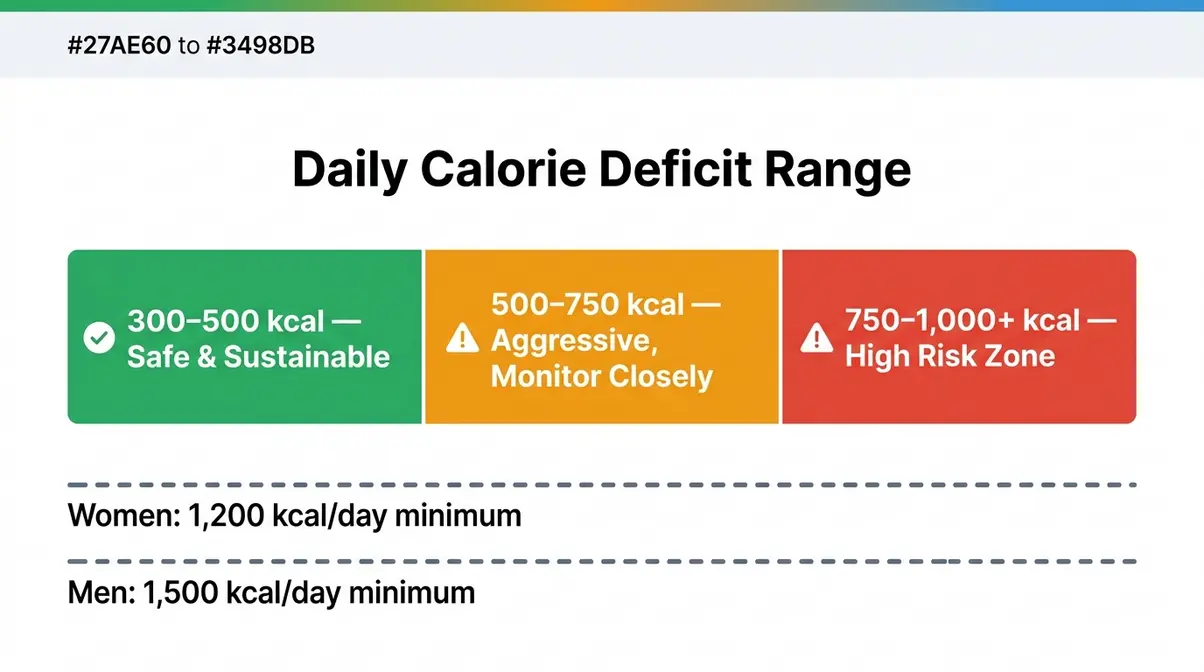
A calorie deficit is generally considered safe when it falls between 300 and 500 calories below your Total Daily Energy Expenditure (TDEE) per day. The NHLBI explicitly states that for overweight adults with a BMI of 27–35, a 300–500 kcal/day deficit produces weight loss of approximately 0.5–1 lb per week — steady progress without triggering significant metabolic adaptation. Pushing that number higher is where risks compound quickly.
“A daily calorie deficit of 300–500 kcal produces steady fat loss of approximately 0.5–1 lb per week, the rate most clinical guidelines consider safe for the majority of adults.” (NHLBI Clinical Guidelines; PubMed Central, 2018)
Understanding this range is the foundation for everything else in this guide. A calorie deficit too large doesn’t just slow your progress — it sets off a chain of physiological responses that can derail your efforts entirely. This section gives you the specific numbers, the worked examples, and a step-by-step calculation so you can find your personal safe threshold.
What Is a Safe Calorie Deficit?
A safe calorie deficit sits between 300 and 500 kcal/day below your TDEE — the conservative, sustainable end of the clinically recommended range. Evidence-based guidelines from PubMed Central (2018) describe standard 500 to 750 calorie deficit guidelines as the general clinical target, with the lower end of that range appropriate for people closer to a healthy weight or those prioritizing lean mass preservation. To understand your basal metabolic rate is the essential first step, because your TDEE — and therefore your safe deficit — is calculated directly from it.
An aggressive deficit falls between 750 and 1,000 kcal/day. This range is achievable but consistently associated with elevated risk of muscle loss, nutrient deficiencies, and the metabolic adaptation that underpins The Metabolic Brake Effect.
Equally important are the minimum daily calorie floors. The NHLBI recommends no fewer than 1,200 kcal/day for women and 1,500 kcal/day for men in most non-supervised settings. These floors exist regardless of deficit size — once intake drops below them, risks escalate sharply.
Worked example: A 150 lb woman with a TDEE of 1,900 kcal/day applying a 500 kcal deficit eats 1,400 kcal/day — safely above the floor. The same woman attempting a 1,000 kcal deficit reaches 900 kcal/day — dangerously below it. The math matters.
| Deficit Type | Size (kcal/day) | Daily Intake Example (1,900 kcal TDEE) | Weekly Loss Rate |
|---|---|---|---|
| Conservative | 300–500 | 1,400–1,600 kcal | ~0.5–1 lb |
| Aggressive | 750–1,000 | 900–1,150 kcal | ~1.5–2 lb |
| NHLBI Floor | — | 1,200 (women) / 1,500 (men) minimum | — |
One nuance worth noting: a 500 kcal deficit is proportionally more aggressive for someone with a lower TDEE. A 130 lb sedentary woman with a TDEE of 1,600 kcal faces a steeper physiological challenge from a 500 kcal cut than a 200 lb man with a TDEE of 2,500 kcal would. Always anchor the deficit to your individual baseline.
Is a 600 Calorie Deficit Too Much?
For most adults, a 600 kcal/day deficit is at the upper end of safe — and is precisely what the NHS recommends as “safe and achievable.” The NHS recommended 600-calorie deficit guidance states that eating around 600 calories less per day than your body needs supports a healthy rate of weight loss. This directly counters the anxiety that 600 is too aggressive.
A 600 kcal deficit produces approximately 0.75–1 lb of fat loss per week, which falls within MedlinePlus guidelines recommending no more than 1–2 lb per week. It is sustainable for most people over 8–12 weeks when total intake remains above the NHLBI minimum floor.
The critical caveat: a 600 kcal deficit becomes problematic when it pushes total intake below that floor. For a smaller person with a lower TDEE, 600 kcal off can cross that line.
Worked example: A 130 lb sedentary woman with a TDEE of 1,600 kcal applying a 600 kcal deficit eats 1,000 kcal/day — below the 1,200 kcal minimum. She should cap her deficit at 400 kcal instead, reaching a safer 1,200 kcal/day target.
This is the nuance competitors consistently miss: deficit size alone doesn’t determine safety. The relationship between deficit size and total daily intake does. For a safe calorie deficit for fat loss, always verify your target intake against the NHLBI floor before committing to a number.
If 600 calories feels manageable, what about pushing to 1,000? Here’s where the risk curve steepens significantly.
Is a 1,000 Calorie Deficit Too Large?
Yes — for most people, a 1,000 kcal/day deficit is at or beyond the threshold where adverse effects become likely without medical supervision. According to the safe weight loss limit established by MedlinePlus, losing more than 1–2 lb per week is not safe for most people. A 1,000 kcal deficit targets approximately 2 lb/week — the absolute upper limit under normal circumstances.
At a 1,000 kcal deficit, most people’s total daily intake drops to 900–1,200 kcal — at or below the NHLBI minimum floor. Research documents that the adverse effects of rapid weight loss at this level can include electrolyte derangements, decreased athletic performance, hormone imbalance, and potential organ damage (NCBI, 2026).
The exception: supervised medical weight-loss programs (for example, pre-surgical preparation) do use 800–1,000 kcal/day very-low-calorie diets (VLCDs) — but only with clinical monitoring, regular bloodwork, and professional oversight. This is not a DIY approach.
Worked example: A 200 lb man with a TDEE of 2,500 kcal applying a 1,000 kcal deficit eats 1,500 kcal/day — technically above the male minimum. Short-term, under guidance, this may be manageable. But a 140 lb woman with a TDEE of 1,800 kcal facing the same deficit eats 800 kcal/day — dangerously low. Whether 1,200 calories constitutes “a big deficit” depends entirely on your individual TDEE, a question answered in the FAQ section below.
The safest approach is to calculate your own personal deficit rather than copying a fixed number. Here’s exactly how to do it.
Calculate Your Safe Calorie Deficit
You’ll need: Your weight (kg), height (cm), age (years), and approximately 5 minutes.
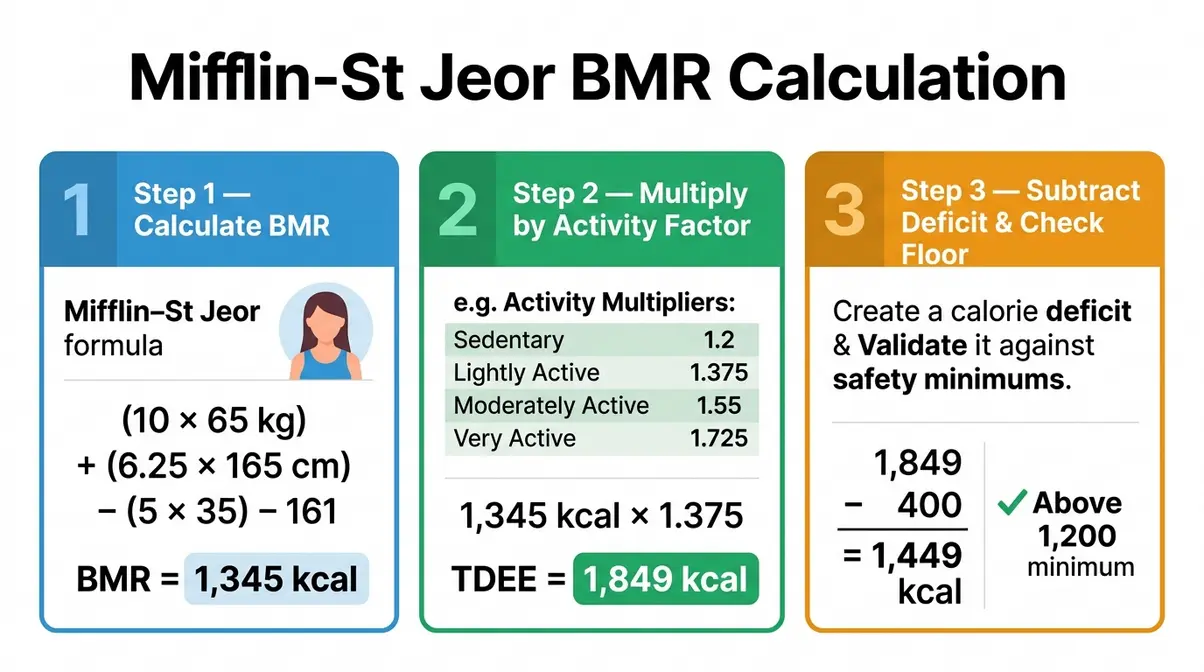
Step 1: Calculate Your BMR Using the Mifflin-St Jeor Equation
The Mifflin-St Jeor equation is the most validated formula for estimating Basal Metabolic Rate (BMR) — the calories your body burns at complete rest — in general populations:
- Women: BMR = (10 × weight in kg) + (6.25 × height in cm) − (5 × age) − 161
- Men: BMR = (10 × weight in kg) + (6.25 × height in cm) − (5 × age) + 5
Example: A 35-year-old woman, 65 kg, 165 cm: BMR = (650) + (1,031.25) − (175) − 161 = ≈ 1,345 kcal/day
Step 2: Multiply by Your Activity Factor to Get TDEE
TDEE (Total Daily Energy Expenditure) is your BMR adjusted for how active you actually are:
| Activity Level | Multiplier | Example |
|---|---|---|
| Sedentary (desk job, little exercise) | × 1.2 | 1,345 × 1.2 = 1,614 kcal |
| Lightly active (1–3 days/week exercise) | × 1.375 | 1,345 × 1.375 = 1,849 kcal |
| Moderately active (3–5 days/week) | × 1.55 | 1,345 × 1.55 = 2,085 kcal |
| Very active (6–7 days/week hard training) | × 1.725 | 1,345 × 1.725 = 2,320 kcal |
Continuing the example: Lightly active → TDEE ≈ 1,849 kcal/day.
Step 3: Subtract Your Deficit and Verify Against the Floor
Subtract 300–500 kcal from your TDEE. Check that the result stays above 1,200 kcal/day (women) or 1,500 kcal/day (men).
Example: 1,849 − 400 = 1,449 kcal/day target ✓ (above the 1,200 minimum)
For a more personalized calculation that accounts for body composition changes over time, the NIH Body Weight Planner (available at bodyweight.niddk.nih.gov) is an authoritative free tool worth bookmarking.
The safe range is now clear. But what actually happens to your body when you push past that threshold? The answer involves a process your body quietly triggers — what we call The Metabolic Brake Effect.
When Your Calorie Deficit Is Too Large
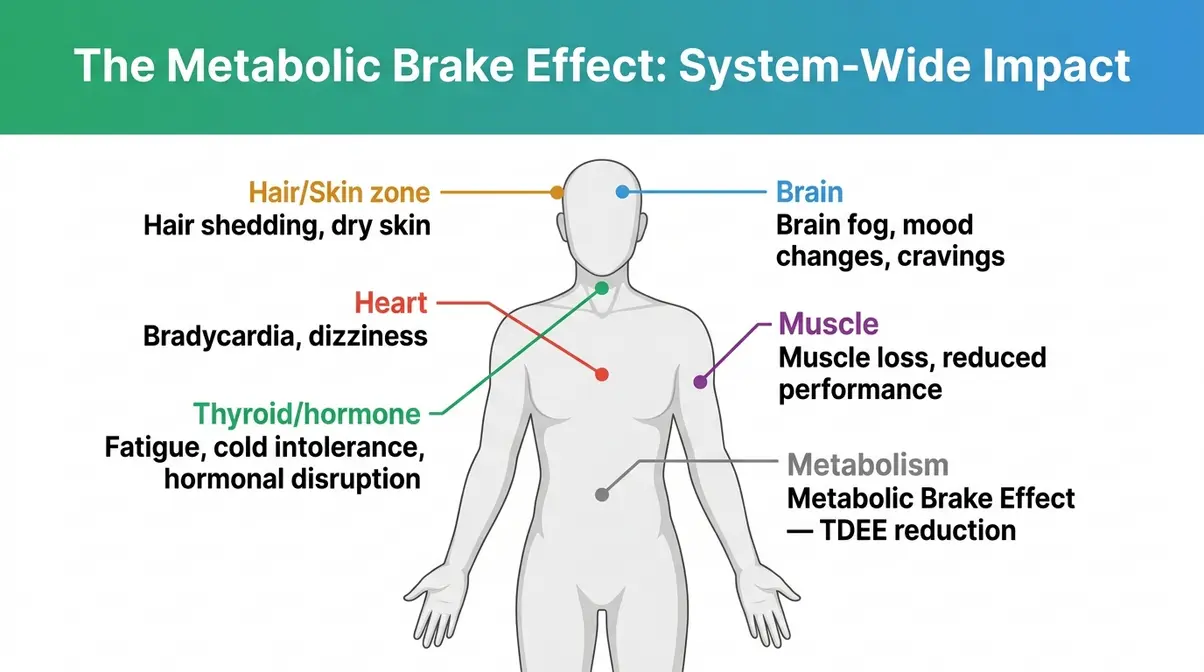
When your deficit exceeds safe thresholds, your body responds not with a single dramatic event but with a cascade of progressive, measurable adaptations. Research from Obesity Reviews (2026) identifies this as metabolic adaptation — a reduction in energy expenditure larger than what would be predicted by changes in body weight alone. The practical consequence: your body burns fewer calories than your calculations suggest, your weight-loss plateau arrives earlier than expected, and a range of physical and psychological symptoms emerge. The physical and psychological effects of severe calorie restriction can be profound, impacting everything from mood to immune response.
“Metabolic adaptation is the larger-than-expected reduction in resting energy expenditure based on the loss of metabolic mass — and it is the primary physiological driver of weight-loss plateaus.” (StatPearls, NCBI, 2026)
Understanding which symptoms indicate an excessive deficit — organized by body system — gives you a diagnostic checklist you can apply right now. Ignoring these red flags can lead to more severe complications over time, including bone density loss and chronic hormonal imbalances. It is crucial to listen to your body’s feedback rather than stubbornly adhering to a spreadsheet’s calorie targets.
10 Signs of a Too Large Deficit
The following signs are grouped by body system, which makes them easier to recognize and harder to dismiss as coincidence. Research from NCBI (2026) confirms that rapid or excessive calorie restriction can produce adverse effects across multiple physiological systems simultaneously. Furthermore, impaired immune function from extreme restriction is a documented risk, leaving you more susceptible to illness.
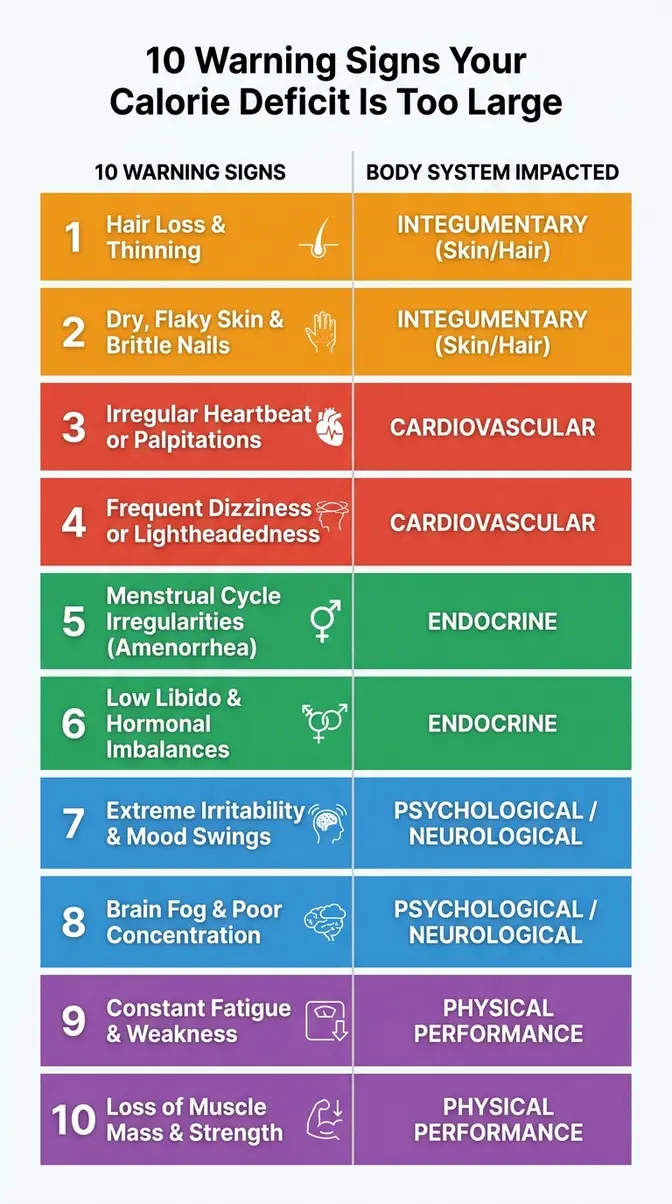
- Integumentary System (Skin & Hair)
- Increased hair shedding — Telogen effluvium, a well-documented response to sudden caloric restriction or inadequate protein intake, causes diffuse hair loss typically appearing 6–12 weeks after the dietary change (PMC, 2026). This is one of the most reliable clinical signs of an overly aggressive cut.
- Dry, dull skin and brittle nails — Insufficient dietary fat and micronutrients impair skin barrier function and keratin production.
- Cardiovascular System
- Resting heart rate drops (bradycardia) — The body reduces cardiac output as part of its energy-conservation response. A resting heart rate that falls noticeably below your personal baseline during a diet can indicate the metabolic brake is engaged.
- Dizziness when standing (orthostatic hypotension) — Low caloric and electrolyte intake can reduce blood volume, causing a drop in blood pressure upon standing.
- Endocrine System
- Persistent fatigue that sleep doesn’t fix — Caloric restriction rapidly lowers circulating T3 (triiodothyronine), leptin, and insulin (PMC, 2026). These hormonal drops reduce cellular energy availability, producing fatigue that sleep alone cannot resolve.
- Menstrual irregularities or loss of period — In women, severe energy deficiency suppresses the hypothalamic-pituitary-ovarian axis, disrupting reproductive hormone cycles (PMC, 2026).
- Feeling constantly cold — Reduced thyroid hormone output lowers core body temperature as the body conserves energy.
- Psychological & Neurological
- Intense, intrusive food cravings — Ghrelin (the hunger hormone) rises sharply with large deficits, while leptin — which signals satiety — falls. The result is a hunger that feels physically overwhelming, not just psychological.
- Mood changes: irritability, anxiety, difficulty concentrating — The brain is a glucose-dependent organ. Insufficient calories impair neurotransmitter production and cognitive function, contributing to what many dieters describe as “brain fog.”
- Physical Performance
- Stalled weight loss despite consistent tracking — Paradoxically, a deficit too large can halt weight loss entirely. The Metabolic Brake Effect reduces TDEE to match restricted intake, eliminating the deficit you thought you had. If your weight hasn’t moved in 2–3 weeks despite accurate tracking, metabolic adaptation is a primary suspect.
If you recognize three or more of these signs, your body is likely applying the metabolic brake. The next question is whether that brake is the result of metabolic adaptation or the persistent myth of “starvation mode.”
Is “Starvation Mode” Real?
“So I read that if you eat in too much of a cal deficit, your body goes into starvation mode and stores fat.”
This fear is understandable — and the underlying concern is valid. But the mechanism is different from what most people imagine.
“Starvation mode” as commonly described — a metabolic switch that causes the body to store fat instead of burning it — is not supported by current science. What is real and well-documented is metabolic adaptation (also called adaptive thermogenesis): a gradual decline in energy expenditure that occurs in response to sustained calorie restriction. Research published in the International Journal of Obesity (NCBI PMC) found that maintaining a 10% or greater reduction in body weight is accompanied by an approximately 20–25% decline in 24-hour energy expenditure — meaning a formerly restricted individual may need 300–400 fewer calories per day than expected just to maintain their lower weight.
This adaptation affects both resting energy expenditure (REE) and non-resting energy expenditure — including NEAT (non-exercise activity thermogenesis), the spontaneous movement you make throughout the day. NCBI research shows that prolonged food restriction can reduce daily energy expenditure by approximately 42%, with a 40% reduction in resting metabolic rate and a 48% decline in non-resting energy expenditure (PMC, 2017). You don’t just burn less at rest — you fidget less, move less, and expend less energy in every activity.
The key mechanistic difference from the myth: your body doesn’t store extra fat from thin air. It burns less, making your existing deficit smaller or eliminating it entirely. Understanding the risks of eating below your BMR is critical for fixing the problem correctly. The result looks like fat storage — but it’s actually a reduced burn rate. Understanding this distinction is critical for fixing the problem correctly.
How an Aggressive Cut Causes Muscle Loss
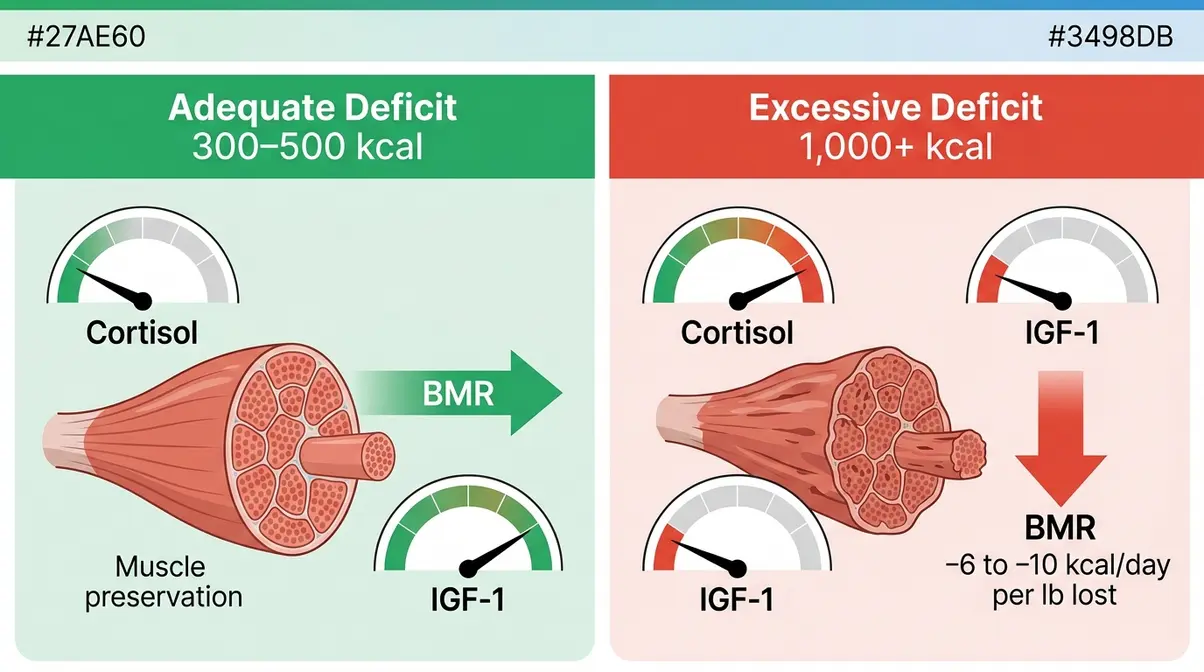
Beyond metabolic adaptation, an excessive calorie deficit accelerates muscle protein breakdown in a way that compounds long-term metabolic damage. Cortisol — a catabolic stress hormone — rises with caloric restriction, promoting proteolysis (the breakdown of muscle protein) in skeletal muscle (PMC, 2026). Simultaneously, circulating IGF-1 drops, reducing the anabolic signal needed to maintain lean tissue. The consequences of inadequate protein during a deficit include accelerating this muscle breakdown.
When your body is forced to find alternative fuel sources because dietary intake is too low, it turns to your hard-earned muscle tissue. This process, known as catabolism, is highly counterproductive for long-term weight management. Not only does muscle loss negatively impact your physical strength and aesthetic goals, but it also fundamentally alters your metabolic engine. Muscle tissue is highly metabolically active, meaning it burns calories even when you are completely at rest. Therefore, preserving it should be a primary objective of any fat-loss phase.
Research on very-low-calorie diets found that even with protein intakes of 52–77 g/day, participants on daily intakes of 600–700 kcal could not fully prevent reductions in lean mass over 8 weeks (PMC, 2026). Muscle loss is not just an aesthetic concern — each pound of lean mass lost reduces your BMR by approximately 6–10 kcal/day, making the metabolic brake progressively harder to reverse.
The practical consequence: if you’re eating too little and not prioritizing protein, you’re likely losing muscle alongside fat — which means your calorie deficit too large is simultaneously slowing your metabolism and reducing the metabolic engine that burns calories at rest. This is the compounding mechanism at the heart of The Metabolic Brake Effect.
How to Fix an Overly Large Calorie Deficit
Recognizing the signs is only half the work. The other half is a structured, evidence-informed correction — what practitioners call a reverse dieting protocol — that gradually restores your calorie intake to a sustainable level without triggering rapid fat regain.
Prerequisites / What You’ll Need Before Starting:
- Your current daily calorie intake (tracked accurately for at least 7 days)
- Your calculated TDEE from the Mifflin-St Jeor steps above
- A food tracking app (MyFitnessPal, Cronometer, or similar)
- A reliable body weight measurement (same time of day, same conditions)
- A protein target: aim for 0.7–1.0 g per pound of bodyweight daily
- Patience: this protocol takes 6–12 weeks to complete properly
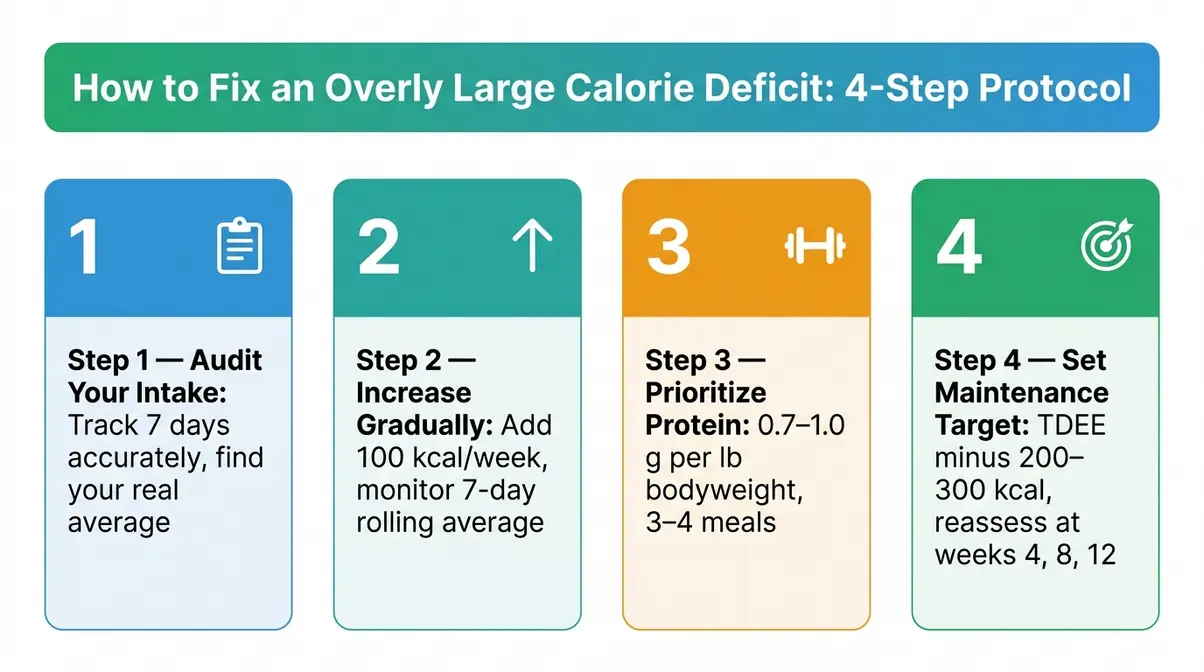
The 4-step framework below is structured as a sequential protocol. Complete each step before moving to the next.
Step 1 – Audit Your Current Intake
Time required: 7 days of tracking before making any changes.
Before adjusting anything, you need an accurate picture of what you’re actually eating. Most people underestimate intake by 20–40% — and some overestimate it when eating very little. Neither error helps.
- Log every meal, snack, condiment, and drink in your tracking app for 7 full days — no estimation.
- Calculate your 7-day average daily intake.
- Compare that number to your TDEE calculated in the previous section.
- Note the gap: if your average intake is more than 750 kcal below your TDEE, your deficit is in the aggressive zone.
- Check your average daily protein intake. If it is below 0.7 g per pound of bodyweight, muscle preservation is at risk regardless of total calories.
This audit establishes your honest starting point. Guessing here undermines every subsequent step.
Step 2 – Increase Calories Gradually
Time required: 6–12 weeks, depending on the gap between current intake and target.
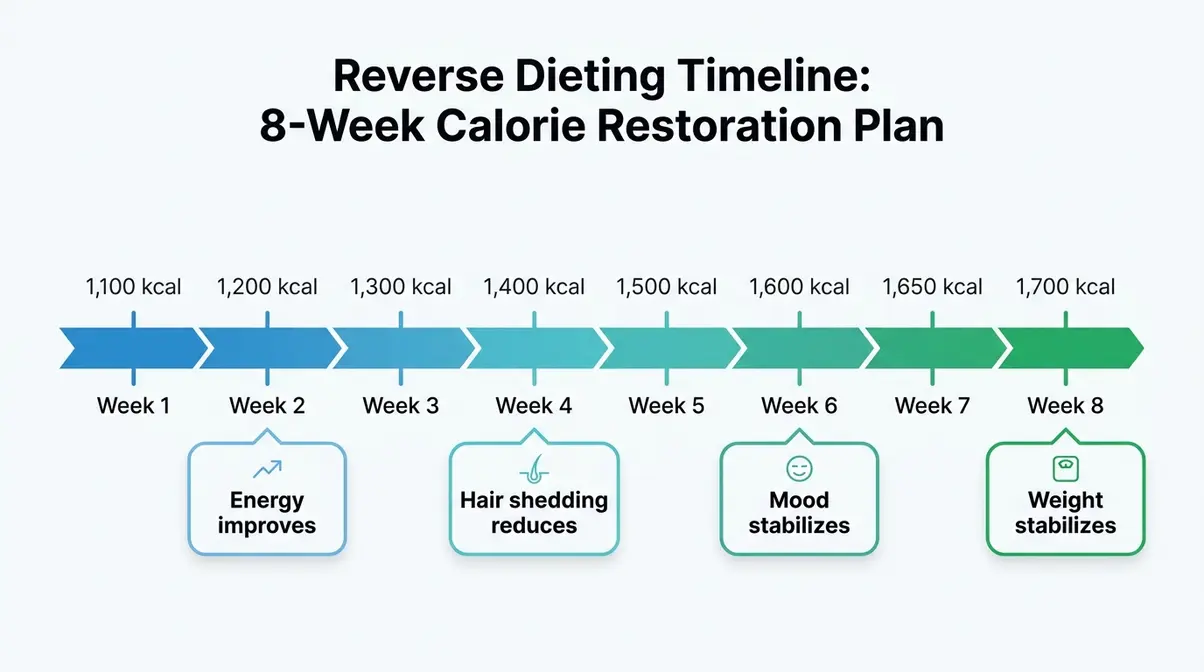
The core of the correction protocol is a structured, incremental calorie restoration. Practitioner protocols and clinical trial designs consistently describe increases of 50–150 kcal per week as the appropriate range for most post-diet transitions (BodySpec, 2026; ClinicalTrials.gov, NCT03434431).
- Starting from your 7-day average intake, add 100 kcal/day in Week 1.
- Prioritize adding calories from protein and complex carbohydrates first — these support lean mass retention and minimize fat gain.
- Weigh yourself daily and calculate a 7-day rolling average. Expect a 1–3 lb increase in the first 1–2 weeks — this is primarily water weight and glycogen replenishment, not fat gain.
- Add another 100 kcal/day in Week 2. Continue this pace until your intake reaches your TDEE minus 200–300 kcal (a conservative maintenance-adjacent target).
- If weight gain exceeds 0.5 lb per week after the initial 2-week glycogen phase, slow the pace to 50 kcal/week instead.
Why gradual matters: A 2026 meta-analysis synopsis reviewing 12 studies found that metabolic adaptation during weight loss produces a 5–15% drop in RMR, with an average adaptation of approximately 80 kcal/day (Calorique, 2026). Jumping straight to maintenance calories risks a temporary caloric surplus before your metabolism recalibrates — gradual restoration gives your body time to upregulate expenditure alongside intake. Employing strategies to mitigate metabolic adaptation ensures your body has time to upregulate expenditure alongside intake.
An important caveat from current research: reverse dieting does not appear to accelerate metabolic recovery beyond what returning to energy balance naturally produces (Cleveland Clinic, 2026; PMC, 2026). The primary driver of RMR recovery is returning to true energy balance and preserving lean mass — not the specific size of weekly increments. The 50–150 kcal/week pace is primarily a practical tool for managing weight gain expectations and building sustainable habits, not a metabolic magic trick.
Step 3 – Prioritize Protein
Time required: Ongoing from Week 1 onward.
Lean mass retention is the most powerful lever for metabolic recovery. Each pound of muscle you preserve or rebuild increases your BMR by approximately 6–10 kcal/day — directly counteracting the metabolic adaptation that slows your burn rate.
- Set your protein target at 0.7–1.0 g per pound of bodyweight daily. For a 150 lb person, that is 105–150 g of protein per day.
- Distribute protein across 3–4 meals, aiming for 25–40 g per meal. Research consistently shows that muscle protein synthesis responds to per-meal protein doses, not just daily totals.
- Add or maintain resistance training 2–3 days per week. Compound movements (squats, deadlifts, rows, presses) are most efficient for stimulating muscle protein synthesis across multiple muscle groups.
- Time your largest protein meals around your workouts when possible — pre- and post-workout protein windows support lean mass retention during a caloric transition.
As reviewed by Sarah Mitchell, RD, CSSD: “In clinical practice, clients who drop below 1,200 kcal/day for more than 4–6 weeks typically present with fatigue, hair shedding, and mood changes within that window. The consistent finding is that returning to adequate protein first — before worrying about total calories — produces the fastest symptomatic recovery.”
Step 4 – Set a Maintenance Target
Time required: Ongoing; formal reassessment at weeks 4, 8, and 12.
The final step converts a short-term correction into a long-term sustainable approach — getting back on track without repeating the same aggressive pattern.
- At Week 4, reassess your energy levels, sleep quality, and the warning signs from the checklist above. Persistent fatigue or hair shedding at this point suggests the pace may still be too slow — consider increasing to 150 kcal/week.
- At Week 8, re-run the Mifflin-St Jeor calculation with your current weight (it will have changed). Your new TDEE is your updated target.
- Set your long-term maintenance intake at TDEE minus 200–300 kcal — a modest, sustainable deficit that produces slow, steady progress (~0.25–0.5 lb/week) without triggering metabolic adaptation.
- Schedule a “maintenance phase” of 4–8 weeks every 12–16 weeks of dieting. Eating at true maintenance periodically allows metabolic rate to normalize before the next deficit phase begins. This approach is consistent with clinical guidance on breaking through weight loss plateaus safely (NCBI StatPearls, 2026).
- If symptoms persist beyond 8 weeks of correction, consult a registered dietitian. Some individuals — particularly women with menstrual irregularities or anyone with significant hair loss — benefit from professional assessment of micronutrient status and hormonal function.
Limitations & When to Seek Help
Common Mistakes Fixing a Deficit
Even with a clear framework, several predictable errors can slow your recovery or create new problems.
Mistake 1: Overcorrecting too quickly. Jumping from 900 kcal/day directly to 1,800 kcal/day in a single week will cause significant water weight and glycogen gain, which many people misinterpret as fat gain and use as justification to cut back immediately — restarting the cycle. The 50–150 kcal/week pace exists specifically to prevent this panic response.
Mistake 2: Fixing calories but ignoring protein. Adding calories from processed carbohydrates or fats without addressing protein intake fails to address the muscle loss component of The Metabolic Brake Effect. Recovery without adequate protein is slower and less complete.
Mistake 3: Trusting the scale over the symptom checklist. The scale will rise during the first 1–2 weeks of calorie restoration, primarily from water and glycogen. Interpreting this as fat gain and returning to restriction is the most common reason people fail to escape the metabolic brake cycle. Track trends over 4-week periods, not day to day.
Mistake 4: Continuing the same aggressive deficit “just a little longer.” One more week of restriction rarely produces meaningful additional fat loss when metabolic adaptation is active — but it does deepen the adaptation and make recovery slower.
When to Seek Medical Supervision
The self-directed protocol above is appropriate for most healthy adults experiencing the warning signs of an excessive deficit. However, certain situations require professional oversight before making any dietary changes.
- Consult a registered dietitian or your physician if:
- You have been eating below 1,000 kcal/day for more than 4 weeks
- You have experienced menstrual loss or significant menstrual irregularity
- You have hair loss that has continued for more than 3 months
- You have a history of disordered eating, eating disorders, or a complex relationship with food
- You have diabetes, cardiovascular disease, kidney disease, or any other chronic condition that affects nutritional needs
- You experience dizziness, fainting, chest palpitations, or extreme weakness
The NCBI documents that rapid weight loss from intense dieting can lead to electrolyte derangements and potential organ damage in severe cases (NCBI, 2026). At that level, self-correction without clinical monitoring is not appropriate. A registered dietitian can assess micronutrient status, order relevant bloodwork (thyroid panel, ferritin, electrolytes), and design a personalized recovery protocol.
Frequently Asked Questions
Is a 1,000 calorie deficit too large?
For most people, a 1,000 kcal/day deficit is at or beyond the threshold where adverse effects become likely without supervision. MedlinePlus guidelines establish that losing more than 1-2 lb per week is not safe for most adults, and a 1,000 kcal deficit targets approximately 2 lb/week — the absolute upper limit. At this deficit level, total daily intake typically falls to 900–1,200 kcal/day, approaching or breaching the NHLBI minimum floor. The exception is supervised medical weight-loss programs where clinical monitoring is in place. For most self-directed dieters, 500–750 kcal/day is the safer upper boundary.
How big is too big for a deficit?
A deficit above 750–1,000 kcal/day is generally considered too large for unsupervised dieting. Clinical guidelines from the NHLBI, AHA, and ADA converge on 500–750 kcal/day as the standard recommended deficit for most adults, producing 1–1.5 lb/week of fat loss. Beyond 1,000 kcal/day, the risk of muscle loss, hormonal disruption, and metabolic adaptation rises sharply. However, “too large” is also relative to your TDEE — a 600 kcal deficit for a small person with a low TDEE may be proportionally more aggressive than a 750 kcal deficit for a larger person. Always verify that your target intake stays above the NHLBI minimum floor.
Is 1,200 calories a big deficit?
Whether 1,200 calories constitutes a large deficit depends entirely on your individual TDEE. For a 130 lb sedentary woman with a TDEE of 1,500 kcal, 1,200 kcal/day represents a 300 kcal deficit — conservative and safe. For a 200 lb moderately active woman with a TDEE of 2,200 kcal, 1,200 kcal/day represents a 1,000 kcal deficit — aggressive and potentially harmful. The 1,200 kcal number matters mainly as the NHLBI-recommended minimum floor for women; whether it creates a large deficit depends on the gap between that number and your personal TDEE.
Is a 600 calorie deficit too big?
No — a 600 kcal/day deficit is within the safe range for most adults and is explicitly recommended by the NHS as “safe and achievable.” It produces approximately 0.75–1 lb of fat loss per week, consistent with MedlinePlus guidelines. The one scenario where 600 kcal becomes problematic is when total daily intake falls below the NHLBI minimum floor of 1,200 kcal for women or 1,500 kcal for men. A 130 lb sedentary woman with a TDEE of 1,600 kcal applying a 600 kcal deficit reaches 1,000 kcal/day — below her minimum. In that case, capping the deficit at 300–400 kcal is the safer approach.
Is 1,000 calories starvation mode?
Eating 1,000 calories a day does not trigger a binary “starvation mode” — but it does trigger measurable metabolic adaptation. Research shows that maintaining significant caloric restriction causes a 20–25% decline in 24-hour energy expenditure, meaning your body progressively burns fewer calories than expected (NCBI PMC). This is The Metabolic Brake Effect in action: not a dramatic metabolic shutdown, but a gradual, compounding slowdown. At 1,000 kcal/day, most women are also below the NHLBI minimum floor, which increases the risk of nutrient deficiencies, muscle loss, and hormonal disruption alongside the metabolic adaptation.
What if my deficit is too large?
An overly large calorie deficit triggers a cascade of physiological responses across multiple body systems. The primary consequence is metabolic adaptation — a measurable reduction in energy expenditure that slows or stalls weight loss. Additionally, the NCBI documents adverse effects including electrolyte imbalances, hormone disruption (reduced T3, leptin, and IGF-1; elevated cortisol), muscle loss, hair shedding (telogen effluvium), and impaired immune function (NCBI, 2026). Psychologically, extreme hunger, mood changes, and food preoccupation increase. The compound effect is a weight-loss plateau, physical symptoms, and a metabolic state that is harder to recover from the longer it persists.
What’s the worst carb for belly fat?
No single carbohydrate is uniquely responsible for belly fat accumulation. Visceral fat gain is primarily driven by a sustained caloric surplus — eating more than your TDEE over time — regardless of macronutrient source. However, research suggests that highly processed carbohydrates with low fiber content (refined grains, added sugars, sweetened beverages) contribute to greater caloric overconsumption due to their poor satiety response and rapid blood sugar effects. Replacing these with whole-food carbohydrate sources — legumes, whole grains, vegetables — supports better appetite regulation and overall dietary adherence, which matters more for body composition than the carbohydrate type itself.
Why no weight loss on 1,200 calories?
If weight loss has stalled at 1,200 calories, metabolic adaptation is likely the primary cause. When a deficit has been maintained for several weeks or months, The Metabolic Brake Effect progressively reduces total energy expenditure — potentially to the point where 1,200 kcal/day no longer represents a deficit for your adapted metabolism. A 2026 meta-analysis reviewing 12 studies found that metabolic adaptation produces a 5–15% drop in RMR at moderate deficits (Calorique, 2026). Other contributing factors include tracking inaccuracies (most people underestimate intake), water retention masking fat loss, or a TDEE that was lower than estimated from the start. The solution is not to cut further — it is to implement the 4-step correction protocol above.
Conclusion
For health-conscious adults navigating a calorie deficit, the critical insight is this: a calorie deficit too large does not produce faster results — it produces a measurable metabolic slowdown that progressively erases your deficit entirely. Clinical guidelines consistently place the safe range at 300–500 kcal/day below TDEE, with the NHLBI minimum floors of 1,200 kcal/day for women and 1,500 kcal/day for men as non-negotiable anchors. Research confirms that metabolic adaptation affects both resting and non-resting energy expenditure, can emerge within days of restriction, and may persist for months without a structured correction (NCBI PMC; Obesity Reviews, 2026).
The Metabolic Brake Effect is not a myth, a scare tactic, or a vague concept — it is a documented, measurable physiological response with a clear mechanism and a concrete solution. The 10 warning signs in this guide, organized by body system, give you a diagnostic checklist you can apply today. The 4-step correction framework — audit, restore gradually, prioritize protein and resistance training, and set a sustainable maintenance target — gives you the path forward.
Your next step: run the Mifflin-St Jeor calculation to find your personal TDEE, check your current intake against the NHLBI floor, and score yourself against the 10-sign checklist. If three or more signs apply, begin the gradual calorie restoration protocol this week — starting with a 100 kcal/day increase. If symptoms are severe or have persisted beyond 8 weeks, book a session with a registered dietitian before adjusting further. The earlier you course-correct, the faster your metabolism recovers.
Related posts:
Compound vs Isolation Exercises: Which Builds More Muscle?
Best Collagen Protein Powder: 9 Expert Picks (2026)
How Fast to Lose Fat: Safe Rate, Timeline & Science
Testosterone Muscle Growth Science: Complete Guide
Best Creatine Supplement: Tested & Compared for Every Goal
Best Creatine Supplement: Tested & Compared for Every Goal

Callum
Hi, I'm Callum, the founder of Body Muscle Matters. I'm not a certified trainer, I'm a self taught lifter who started this site to share what I've learned from my own training and a lot of trial and error. Everything here comes from real experience and honest research, written the way I'd explain it to a friend who is just getting started. My goal is simple: practical, no hype fitness advice you can actually use.