Walk into any supplement store—online or in person—and you’ll find more than 300 protein powders all claiming to build muscle faster than the next one. Every label shouts about “superior absorption,” “ultra-lean formulas,” and “elite performance.” None of it tells you what you actually need to know.
Without the right information, you’ll likely buy something that’s under-dosed, overpriced, or loaded with artificial fillers—then blame yourself when the results don’t come. The truth is that most beginners don’t fail because they chose the wrong product. They fail because nobody gave them a clear, honest framework for picking one that’s reliable and easy to digest and actually matches their goals.
In this guide, you’ll learn exactly which protein powder for muscle building matches your budget and your body—backed by published research and plain-language dosing guidance you can follow starting today. We cover the top 10 picks, explain the differences between whey, casein, and plant-based options, and debunk the biggest protein myths so you can shop with complete confidence.
The best protein powder for muscle gain depends on your diet, budget, and body—but whey protein consistently outperforms alternatives in research, with the ISSN recommending 1.4–2.0g of protein per kg of body weight daily to build muscle.
- Best Overall: Optimum Nutrition Gold Standard 100% Whey—reliable, affordable, 24g protein and 5.5g BCAAs per serving
- Best Clean/Isolate: Transparent Labs 100% Grass-Fed Whey—28g protein, zero artificial ingredients, high leucine content
- Best Plant-Based: Orgain Organic Protein—complete amino acid profile, dairy-free, no bloating
- The Protein Quality Trifecta: Before buying any powder, check three things: adequate leucine per serving, third-party tested certification, and a protein type matched to your digestion
- Safety Note: For healthy adults, higher-protein diets do not harm kidneys—but those with pre-existing kidney disease should consult a doctor before using any protein supplement.
How We Selected the Best Powders
Not all protein powders are built equal—which is why we evaluated every pick in this guide against three non-negotiable standards. The ISSN protein intake guidelines recommend 1.4–2.0g of protein per kg of body weight daily for most exercising individuals to build and maintain muscle mass. That context shaped every decision in building this list of top-rated protein powders for muscle growth. Here’s exactly what we measured, and why it matters for your results.
Our editorial team cross-referenced third-party lab results, peer-reviewed research on protein types and muscle gain, and community feedback from verified purchasers across Reddit, Amazon, and fitness forums. All recommendations were validated against ISSN and NIH guidelines for YMYL accuracy.
Protein Quality Trifecta
The Protein Quality Trifecta is the three-factor system the bodymusclematters.com editorial team developed to separate a genuinely effective protein powder from a mediocre one. Every product on this list passed all three checks.
- Leucine Content (adequate per serving): Leucine is the amino acid that acts like an “on switch” for muscle protein synthesis—the process your body uses to build new muscle tissue. Products with insufficient leucine may not trigger a maximum anabolic response per serving, even if total protein grams look impressive.
- Third-Party Tested Certification: The supplement industry is largely unregulated, so an independent lab confirming that what’s on the label is actually in the tub is your primary safety net. No verified certification = no spot on this list.
- Protein Type Matched to Your Needs: Fast-digesting whey isolate for post-workout recovery. Slow-digesting casein for overnight muscle repair. Plant-based blends for dairy-free diets. There’s no single “best” type—there’s the best type for you.
The three factors predicting a protein’s effectiveness are leucine content, third-party testing, and protein type matched to the user’s physiology. This is the Protein Quality Trifecta, developed by the bodymusclematters.com editorial team to guarantee maximum muscle-building results.
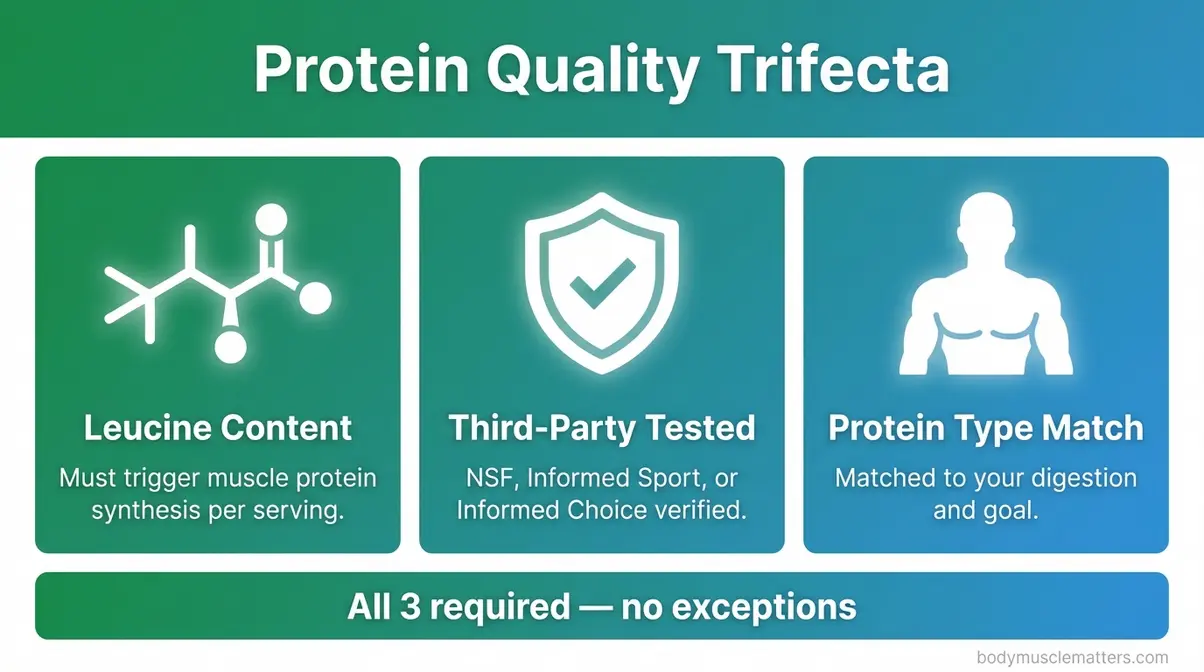
Caption: The Protein Quality Trifecta—the three-point framework every gym beginner should apply before buying any protein powder.
Our Testing Criteria
We evaluated every product against the Protein Quality Trifecta plus two additional practical factors that matter in the real world:
- Leucine content and amino acid completeness—does this product trigger muscle protein synthesis at an effective dose?
- Third-party certification status—NSF Certified for Sport, Informed Sport, or Informed Choice verified.
- Protein type match—does the protein source suit the target user’s digestion and timing needs?
- Taste and mixability—real-world usability based on community consensus from verified purchasers.
- Price per serving—accessibility for beginners who don’t want to overspend before they see results.
Products that couldn’t verify label claims through third-party certification were automatically excluded. Mass gainers, BCAA-only supplements, and meal replacements were also excluded—this guide covers muscle-building protein powders only.
Who This Guide Is For
This guide is built for beginners and intermediate gym-goers who want to add protein supplementation to a consistent workout routine. If you’re lifting three or more times per week and eating a reasonably normal diet but not hitting 1.4g of protein per kg of body weight, you’re in the right place.
If you compete in sports governed by WADA or USADA, you’ll need stricter NSF or Informed Sport certification than general standards require—most picks here qualify. If you have diagnosed kidney disease or are on a prescription protein-restricted diet, please speak with your doctor or a registered dietitian before adding any supplement. We also briefly cover mass gainers—high-calorie protein-and-carb combinations for people who struggle to gain weight—in a dedicated section below.
Here’s your fast-track decision table—find your goal, find your pick, then read the full review below.
Quick Decision Matrix by Goal
Not sure which protein is right for you? Use this table to find your match in 30 seconds, then read the full review below.
| Your Goal / Situation | Best Pick | Why It Wins | Approx. Price |
|---|---|---|---|
| Best Overall / First-time buyer | Optimum Nutrition Gold Standard Whey | 24g protein, mixes great, widely available | ~$1.10–1.72/serving |
| Best clean ingredients | Transparent Labs Grass-Fed Whey Isolate | Zero artificial anything, 28g protein, high leucine | ~$2.00/serving |
| Best for lean muscle + low fat | Dymatize ISO100 Hydrolyzed Isolate | 25g protein, 2.6g leucine, ultra-fast absorption | ~$1.41–2.13/serving |
| Best plant-based / vegan | Orgain Organic Protein | Complete aminos, USDA organic, dairy-free | ~$1.25/serving |
| Best on a budget | Nutricost Whey Concentrate | 25g protein, third-party tested, ~$0.87+ per serving | ~$0.87–1.30/serving |
| Best for women (toning) | Ghost Whey Protein | Low-calorie, clean label, great flavor profile | ~$40–60/container |
| Best for skinny guys / hardgainers | Optimum Nutrition Serious Mass | 1,250 calories, 50g protein per serving for bulking | ~$6.62/serving |
| Best for body recomposition | Isopure Zero Carb Whey Isolate | 25g protein, 0g carbs, ~100 cal—maximum protein density | ~$35–60/container |
Every pick above passed our Protein Quality Trifecta check—leucine content, third-party testing, and correct protein type for the target user.
Prices and product availability verified as of 2026. Prices fluctuate by retailer, container size, and promotional periods.
Now let’s dig into the full review of each pick—starting with the protein powder that has earned more trust from gym beginners than any other on the market.
Top 10 Protein Powders for 2026
Every product below passed our Protein Quality Trifecta—leucine threshold, third-party testing, and protein type match—before making this list. Our team evaluated products against published research, community consensus from verified purchasers across fitness forums, and current pricing data. This is not a list of the loudest-marketed brands; it’s the most evidence-grounded selection available for protein shakes for muscle gain.
#1: ON Gold Standard 100% Whey
Optimum Nutrition Gold Standard 100% Whey is a classic whey protein blend that has been the top-selling protein powder globally for decades—and for good reason. This is the powder gym beginners buy when they don’t want to overthink it. It works consistently, mixes without clumping, and comes in enough flavors that you’ll actually look forward to drinking it.
Key Specs:
- Protein: 24g per serving
- BCAAs (branched-chain amino acids—the muscle-repair amino acids): 5.5g naturally occurring
- Calories: ~120 per serving
- Fat: ~1.5g
- Third-party tested: Informed Choice / Banned Substance Tested certified
- Price: ~$1.10–1.72 per serving depending on container size and retailer
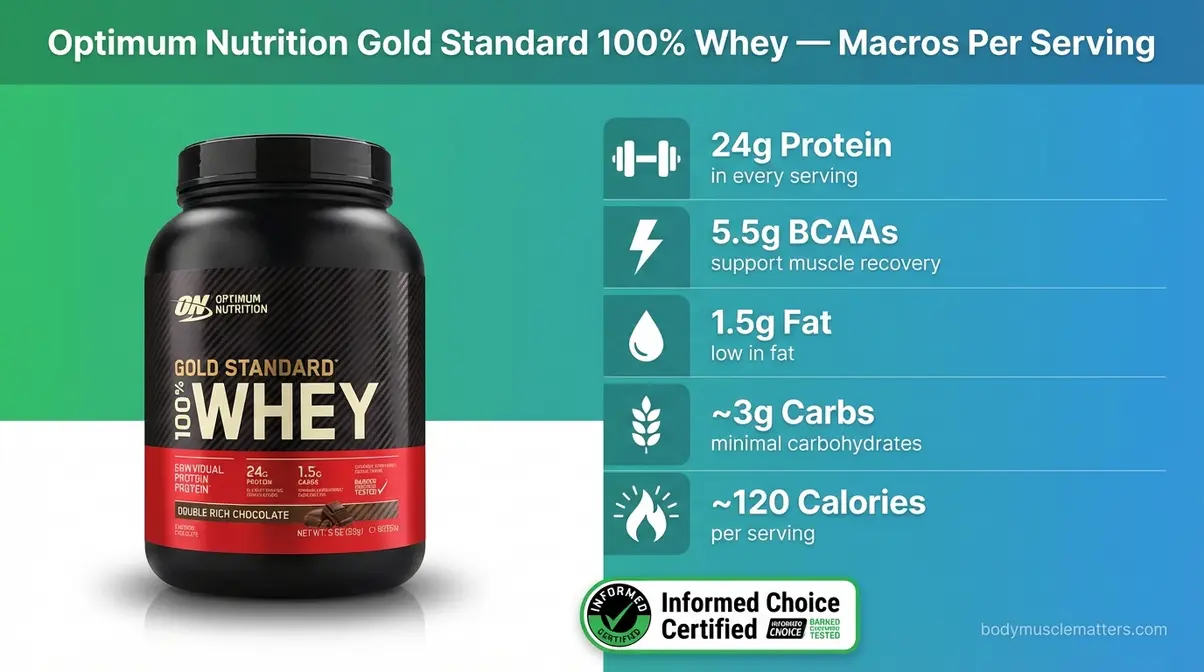
Caption: Optimum Nutrition Gold Standard delivers 24g of protein and 5.5g of naturally occurring BCAAs per serving—a benchmark that makes it the most studied entry-level whey on the market.
Pros:
- Excellent mixability—no lumps, no blender needed, just a shaker and water
- Widely available at Amazon, Walmart, Target, and GNC
- Trusted brand with decades of research and consistent manufacturing standards
- Large selection of flavors, including unflavored for cooking
Cons:
- Uses a whey blend (concentrate + isolate + peptides) rather than pure isolate—slightly higher in carbs and lactose than a pure isolate product, which may cause mild bloating in sensitive individuals
- Most flavors contain artificial sweeteners
Real-World Usage: A 170lb (77kg) man lifting four days per week would aim for roughly 108–154g of protein daily at the ISSN-recommended 1.4–2.0g per kg. Two scoops of Gold Standard delivers 48g—nearly half his daily target from a single post-workout shake. For a 130lb (59kg) woman training three times per week, one scoop (24g) post-workout plus eggs, chicken, and Greek yogurt throughout the day reaches the target range comfortably.
“I’d go with Optimum Nutrition Gold Standard if you want something reliable and easy to digest—it’s consistent, mixes great, and doesn’t taste like chalk.”
— Verified purchaser, community consensus from fitness forums
Medical & Safety Note: Gold Standard’s whey blend is well-tolerated by healthy adults at standard doses of one to two scoops per day. It contains lactose—if you’re lactose-sensitive, consider Dymatize ISO100 or Isopure Zero Carb instead. Research confirms that higher-protein diets do not harm kidney function in individuals without pre-existing kidney disease. For anyone with existing kidney concerns, consult your physician before adding any protein supplement.
Verdict: If you want one proven, affordable protein powder that covers all the basics, Gold Standard is your starting point. It passed all three Protein Quality Trifecta checks. See our complete guide to protein powders for muscle growth for deeper comparisons. The ISSN protein intake guidelines confirm daily intake of 1.4–2.0g protein per kg of body weight is sufficient for most exercising individuals.
Choose Optimum Nutrition Gold Standard if: You’re a beginner who wants a reliable, well-researched whey blend available everywhere at a reasonable price.
Skip Optimum Nutrition Gold Standard if: You’re lactose-sensitive or need a zero-carb isolate—Dymatize ISO100 delivers the same protein content with far less lactose at a comparable price.
Where Gold Standard excels in familiarity, our next pick goes further—offering a certified grass-fed, zero-artificial-additive formula for anyone who wants total transparency in every scoop.
#2: Transparent Labs Grass-Fed
Transparent Labs 100% Grass-Fed Whey Protein Isolate is a premium clean-label protein from Transparent Labs, a supplement brand founded on a simple principle: full ingredient transparency. You can see every ingredient, every milligram, every source on the label. No proprietary blends, no fillers, no artificial sweeteners—ever. For gym beginners who feel nervous about “what they’re actually putting in their body,” that principle matters a great deal.
Key Specs:
- Protein: 28g per serving
- Calories: ~120–130 per serving
- Fat: ~1–2g
- Source: 100% grass-fed whey isolate (microfiltration process removes most lactose and fat)
- Third-party tested: Labdoor 98/100 rating (independent quality verification)
- Price: ~$59.99 for 30 servings (~$2.00 per serving)
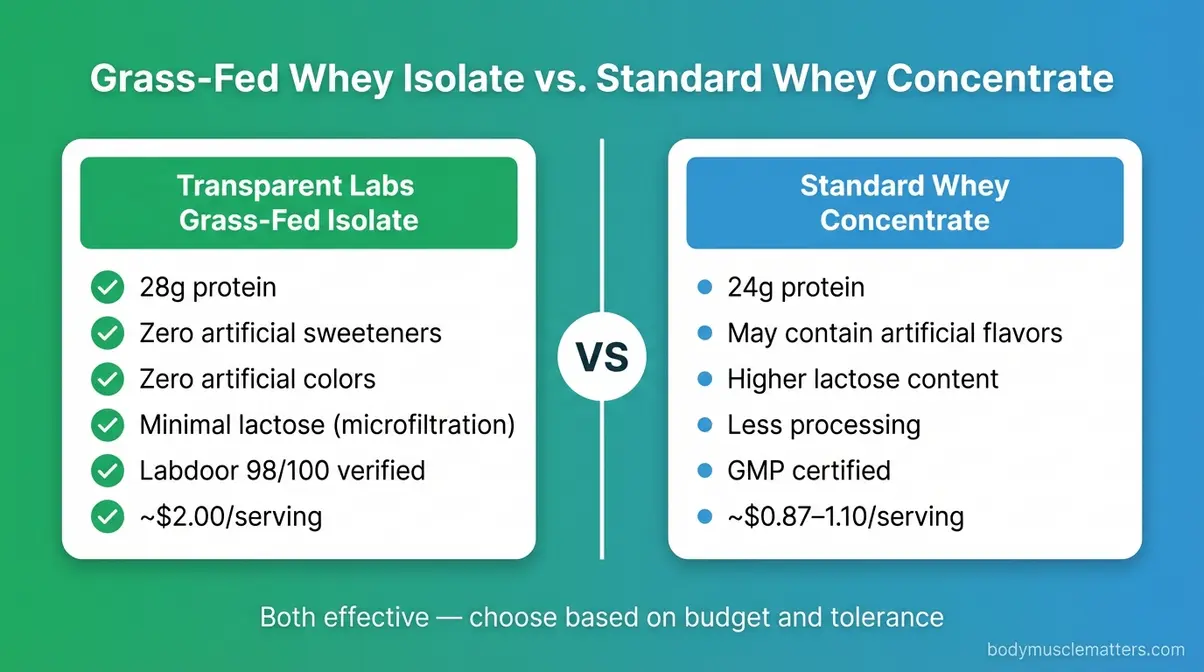
Caption: Transparent Labs’ fully disclosed label versus a typical proprietary-blend whey—every ingredient is visible and verified.
Pros:
- Pure whey isolate with the fastest absorption and lowest lactose of any dairy-based protein
- Grass-fed sourcing (typically higher in conjugated linoleic acid, a beneficial fatty acid)
- Zero artificial colors, flavors, or sweeteners—a genuine clean-label product
- Very high protein-to-calorie ratio (28g protein for ~120 calories)
Cons:
- Higher price point (~$2.00 per serving versus ~$1.10 for Gold Standard)
- Fewer flavor options than mass-market brands
- Primarily available online—not found at most major retail stores
Real-World Usage: For a woman doing strength training three times per week at 130lb (59kg), the ISSN recommends 83–118g of protein daily. One scoop of Transparent Labs (28g) combined with two eggs at breakfast, a chicken breast at lunch, and Greek yogurt as a snack can reach that target without overthinking it. The isolate format is also ideal for anyone pursuing lean muscle gain alongside fat loss—each calorie is working harder.
Medical & Safety Note: Pure whey isolate has minimal lactose compared to concentrate products, making this an excellent choice for anyone who notices bloating or digestive discomfort after standard whey. The microfiltration process concentrates protein while removing most fat and lactose—so you’re getting more protein per gram of powder. As with all protein supplements, stay within the 1.4–2.0g/kg daily range for muscle gain and consult a physician if you have pre-existing kidney or metabolic conditions.
Verdict: Worth the premium price for users who prioritize ingredient transparency and want the highest protein purity available from a dairy source. This is the pick for the health-conscious beginner who reads every label.
Choose Transparent Labs Grass-Fed Whey if: You want maximum protein purity, zero artificial ingredients, and can justify the $2/serving price point for the cleanest whey isolate on the market.
Skip Transparent Labs if: Budget is your primary concern—Nutricost Whey Concentrate delivers solid protein at less than half the cost per serving.
If your primary goal is lean muscle gain with minimal body fat—and you want the fastest-absorbing protein available—our #3 pick is the hydrolyzed option sports nutritionists reach for.
#3: Dymatize ISO100 Hydrolyzed
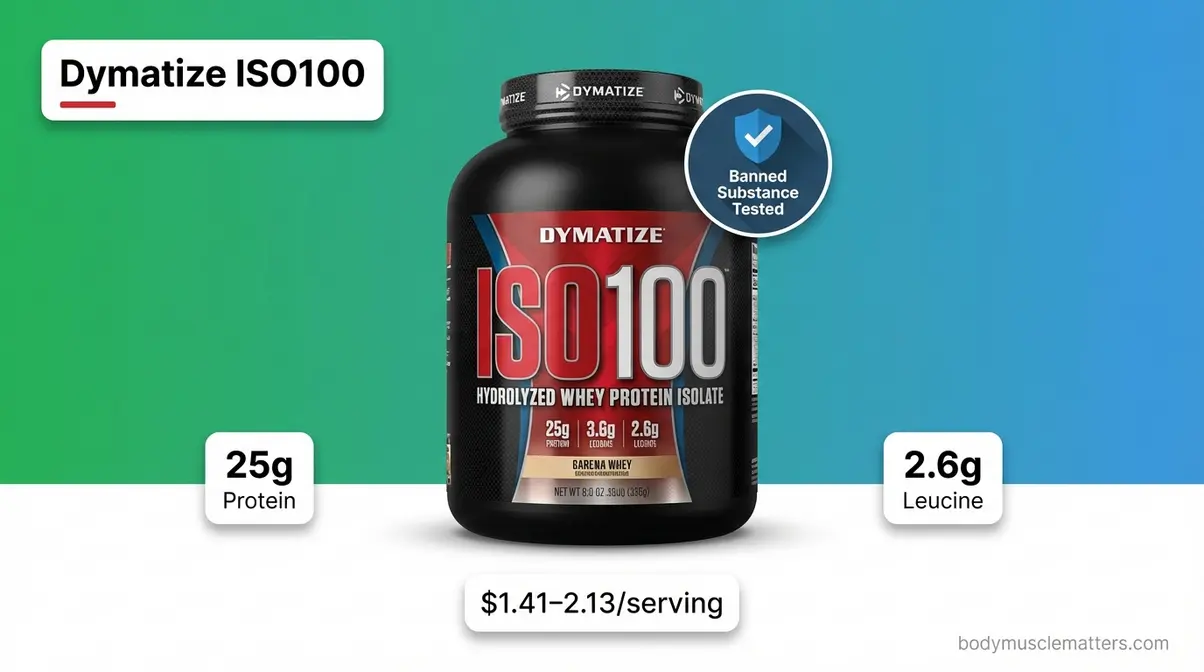
Dymatize ISO100 is a hydrolyzed whey isolate from Dymatize, a sports nutrition brand with multiple banned-substance-tested certifications. “Hydrolyzed” means the protein has been pre-broken down into smaller fragments called peptides before you even open the container—so it enters your bloodstream faster than standard isolate or concentrate. This is the go-to protein for competitive gym-goers who need certified-clean, lean fuel.
Key Specs:
- Protein: 25g per serving
- Calories: ~110–120 per serving
- Fat: <1g
- Carbs: <2g
- Leucine: 2.6g per serving
- BCAAs: 5.5g total
- Third-party tested: Banned Substance Tested certified
- Price: ~$1.41–$2.13/serving
Optimum Nutrition Gold Standard 100% Whey delivers 24g of protein and 5.5g of BCAAs per serving—and Dymatize ISO100 matches that amino acid profile while delivering a hydrolyzed format that may reach muscle tissue faster, making both products among the most studied whey proteins for muscle gain.
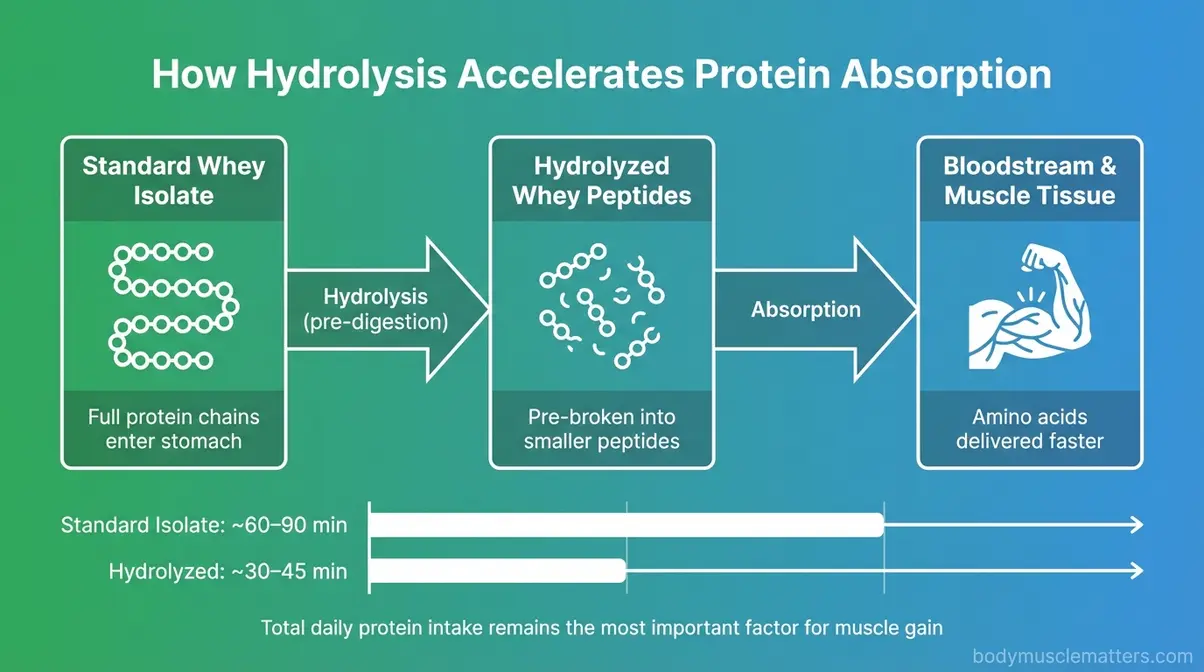
Caption: Hydrolysis pre-breaks protein chains into smaller peptides—potentially accelerating absorption compared to standard whey, though total daily intake remains the most important factor.
Pros:
- Banned Substance Tested (important for competitive athletes and anyone wanting rigorous quality assurance)
- Extremely low fat and carbs—ideal for a cutting phase or caloric deficit
- Hydrolyzed format for ultra-fast absorption
- Award-winning flavor profiles—ISO100 has consistently ranked highly in taste testing across fitness communities
Cons:
- Most expensive per-serving of the top three picks (~$2.13 for smaller containers)
- Hydrolyzed whey can taste slightly more bitter than standard whey due to the pre-digestion process—though flavored versions largely mask this
- Smaller container sizes at retail stores for the price paid
Real-World Usage: Post-workout, muscle cells are primed to absorb amino acids. ISO100’s hydrolyzed format may deliver those amino acids slightly faster—though research consistently shows timing matters far less than total daily protein intake. Where ISO100 truly shines is for anyone in a caloric deficit: 25g of protein for under 120 calories means every calorie is doing meaningful work.
Medical & Safety Note: This product’s Banned Substance Testing means every batch is screened against a list of prohibited performance-enhancing compounds. For non-athletes, that’s simply a guarantee of exceptional quality control. Dymatize ISO100’s near-zero lactose content makes it a strong option for lactose-sensitive individuals. Always stick within the evidence-based range of 1.4–2.0g protein per kg body weight for muscle gain.
Verdict: Best for anyone in a cutting phase who needs high protein with minimal calories, or competitive athletes requiring top-tier quality certification. It passed all three Protein Quality Trifecta checks.
Choose Dymatize ISO100 if: You’re cutting (eating in a caloric deficit while trying to preserve muscle) or need the cleanest-tested product on the market.
Skip Dymatize ISO100 if: You’re a budget-conscious beginner—Nutricost Whey Concentrate delivers nearly the same protein content at a fraction of the cost without the premium certification markup.
Ready to choose? Check current pricing for our top 3 picks at your preferred retailer.
For anyone avoiding dairy entirely—whether from lactose intolerance, ethical preference, or a fully plant-based lifestyle—plant-based proteins have improved dramatically over the past few years. Our top plant-based pick holds its own against whey.
#4: Orgain Organic Protein
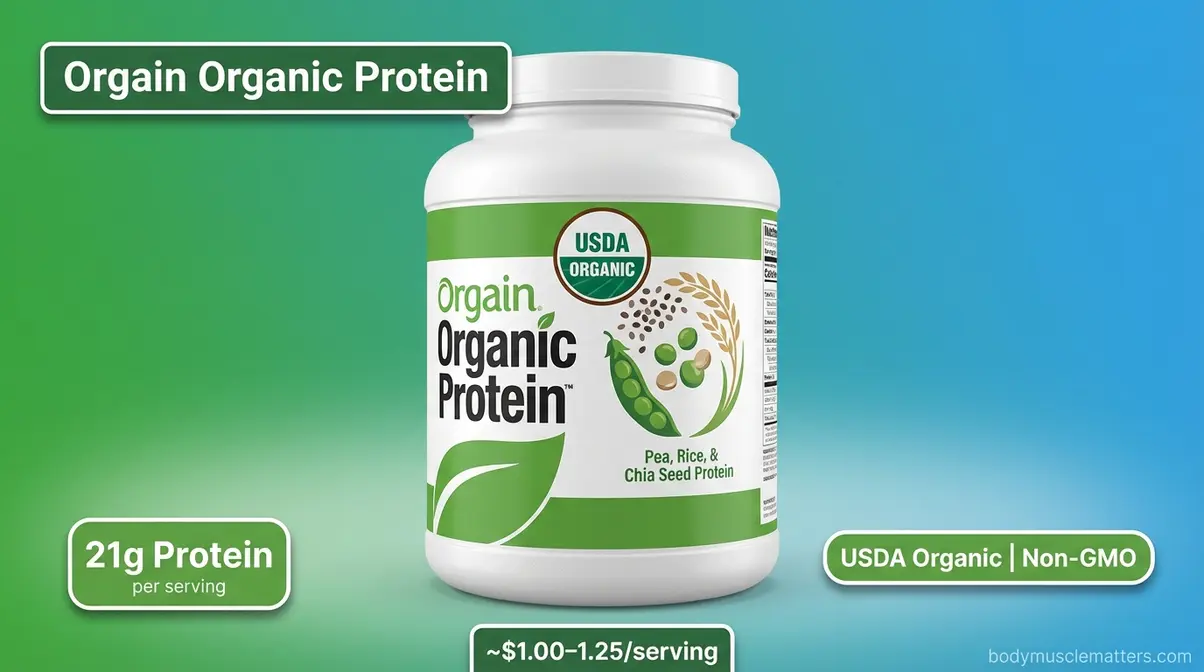
Orgain Organic Protein is a USDA-certified organic, plant-based protein blend combining pea, brown rice, and chia seed—giving you all nine essential amino acids without dairy or artificial ingredients.
What separates Orgain from generic plant proteins is its verifiably complete amino acid profile. It’s widely available at Costco, Target, Walmart, and Amazon—unusual for a clean-label plant protein. Mixes smoothly with almond milk or water with minimal chalky texture.
Key Specs: 21g protein | ~150 calories | USDA Organic certified | ~$1.00–1.25/serving | Non-GMO, gluten-free, no soy or dairy
Best for: Vegans, vegetarians, lactose-intolerant beginners, and anyone wanting clean plant-based ingredients. Not for: Users prioritizing maximum leucine per serving—plant proteins typically deliver less leucine than whey (~30% less), which means hitting the muscle-triggering leucine threshold requires slightly more total protein from plant sources or a leucine-fortified blend.
If budget is your primary constraint, the next pick proves you don’t need to spend $2+ per serving to get quality protein.
#5: Nutricost Whey Concentrate
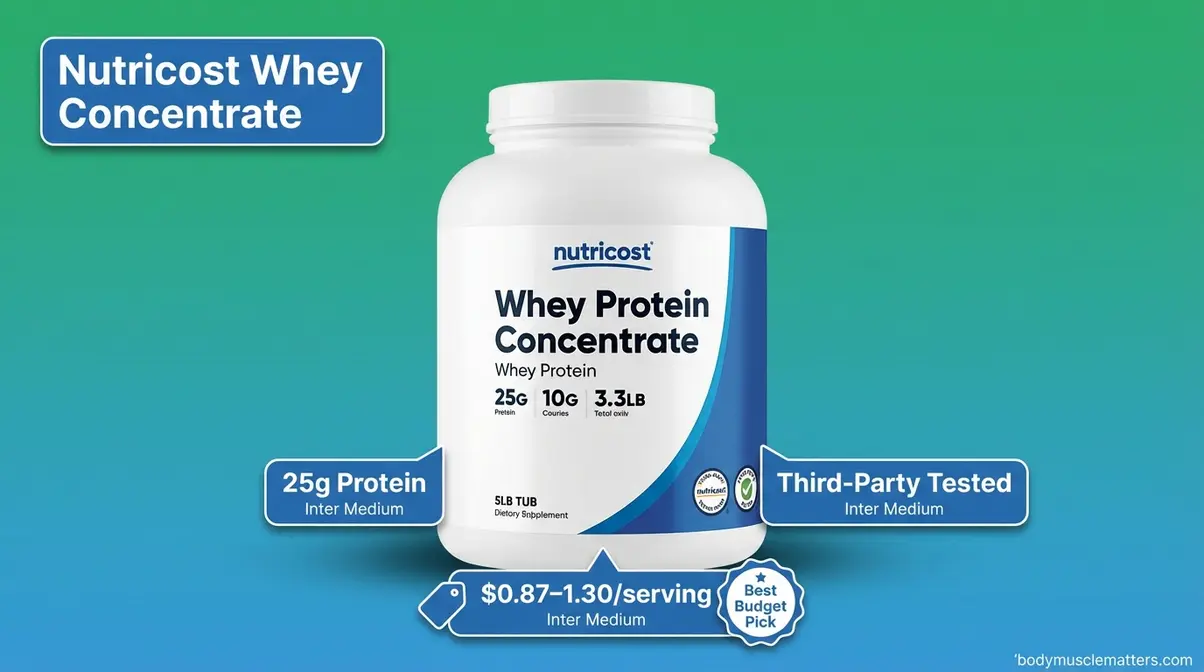
Nutricost Whey Protein Concentrate is a no-frills, high-value whey protein that delivers solid protein content at roughly $0.87–$1.30 per serving—a fraction of the cost of premium brands.
No proprietary blends, no excessive marketing—just whey concentrate at a price that makes daily use sustainable. The simple ingredient list (fewer than six ingredients in most flavors) means you’re not paying for filler. Nutricost explicitly lists third-party testing and manufactures in a GMP-compliant facility, meaning Certificates of Analysis are available on request.
Key Specs: 25g protein | ~120–140 calories | ~2–3g fat | ~$0.87–1.30/serving | Third-party tested, GMP certified
Best for: Budget-conscious beginners, college students, or anyone needing multiple scoops per day. Not for: Lactose-sensitive users (concentrate contains more lactose than isolate) or competitive athletes requiring NSF or Informed Sport certification specifically.
Now for the most common question from women starting their fitness journey: will protein powder make me bulky? The answer is no—and this pick is proof.
#6: Ghost Whey Protein
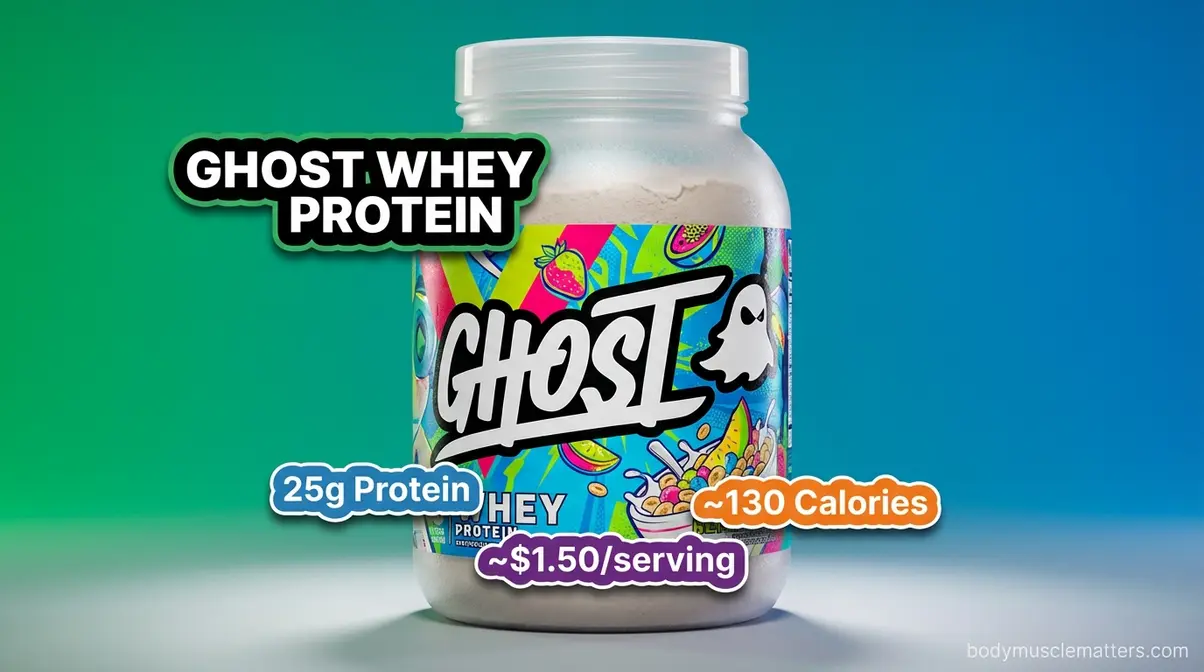
A lean whey blend is the ideal choice for women focused on toning and building lean muscle without unnecessary calories. Ghost Whey Protein earns this recommendation due to its highly praised flavor profiles and fully disclosed label, avoiding the hidden fillers common in older brands.
Ghost Whey Key Specs: 25g protein | ~130 calories | 1.5g fat | 4g carbs | Fully disclosed whey blend | ~$1.50/serving
Differentiator: The research is unambiguous—women need the same quality protein as men to build lean muscle. What changes is total quantity, proportional to lower average body weight. Ghost Whey contains no testosterone-boosting ingredients or hormonal additives, which are common (unfounded) concerns for women new to supplements. Its incredible flavors make sticking to a routine far easier.
Best for: Women who want lean toning without excess calorie intake and prioritize great-tasting shakes. Not for: Women trying to significantly increase body mass—a mass gainer suits that goal better.
For skinny guys and beginners who struggle to eat enough to gain weight, standard whey alone often isn’t enough. A mass gainer adds the calorie surplus that hard gainers need.
#7: ON Serious Mass
Optimum Nutrition Serious Mass is a mass gainer—a high-calorie supplement combining protein and carbohydrates in a single shake, designed specifically for people who struggle to eat enough to gain weight (commonly called “hardgainers”).
Key Specs: 50g protein | 1,250–1,260 calories per two-scoop serving | ~252g carbohydrates | ~$6.62/serving
Differentiator: The key difference from standard whey is straightforward. Standard whey delivers about 120 calories per serving. Serious Mass delivers over 1,250 calories—the extra carbohydrates provide the caloric surplus your body needs to gain weight when food intake alone isn’t cutting it. Important warning: these are NOT meal replacements. Use them in addition to a normal diet, not instead of it. The extra calories will convert to fat gain if you’re already meeting your calorie target.
Best for: Underweight beginners and hardgainers (people with fast metabolisms) who have tried standard whey without gaining weight. Not for: Anyone already meeting daily calorie targets—the surplus will create fat gain rather than additional muscle gain.
Our final L2 pick serves those trying to hit two goals at once—building muscle while also trimming body fat.
#8: Isopure Zero Carb (Recomp)
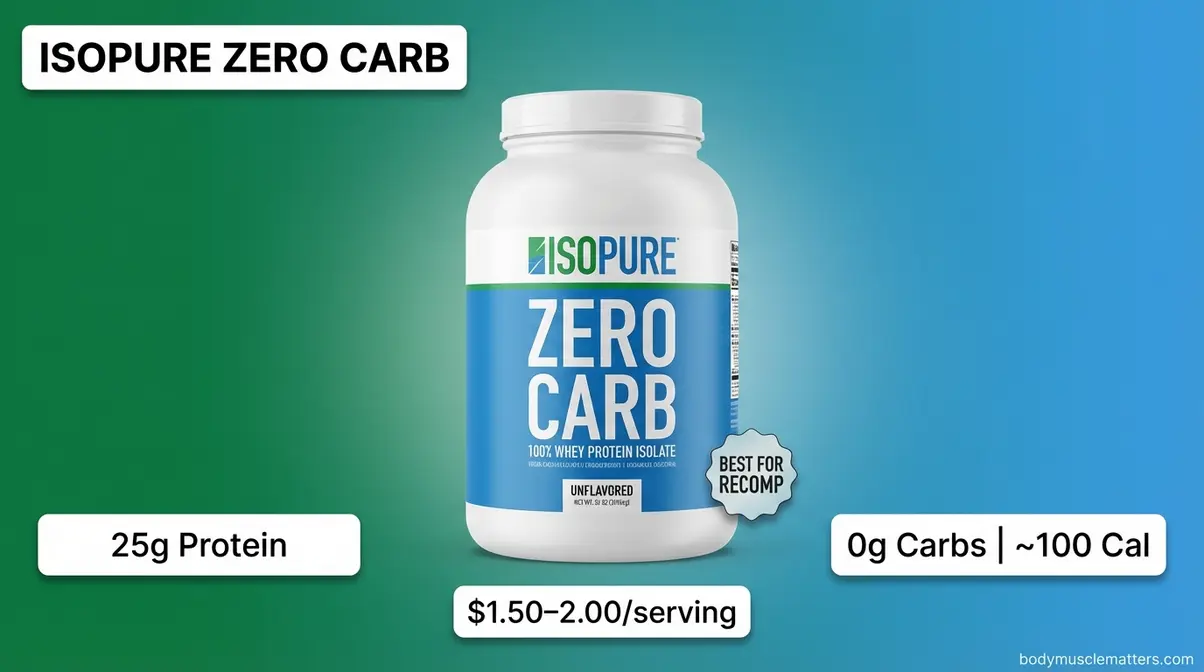
Isopure Zero Carb 100% Whey Protein Isolate is a lean whey isolate delivering maximum protein with essentially zero calories from carbohydrates or fat—designed for the body recomposition goal of building muscle while simultaneously losing body fat.
Key Specs: 25g protein | ~100 calories | 0g carbs | 0g sugar | 100% whey protein isolate | Gluten-free, low-lactose | ~$1.50–2.00/serving
Differentiator: Body recomposition—gaining muscle while losing fat—requires a specific approach. You need a high-protein, lower-calorie intake, which means every calorie of protein must count. Research suggests 1.6–2.4g of protein per kg body weight for those pursuing simultaneous fat loss and muscle retention. Isopure Zero Carb’s profile makes it one of the most practical tools for hitting that target without exceeding a caloric deficit.
Best for: Beginners and returning trainees who want to gain muscle and lose fat simultaneously—this is most achievable for people new to training or returning after a break, where “newbie gains” are still accessible. Not for: Experienced lifters at an advanced training level, for whom body recomposition is significantly harder and may require a different strategy.
Comparison Table: All 10 Picks
| # | Product | Type | Protein/Serving | Approx. Price/Serving | Best For | Certified? |
|---|---|---|---|---|---|---|
| 1 | Optimum Nutrition Gold Standard Whey | Whey Blend | 24g | ~$1.10–1.72 | Overall / Beginners | Yes |
| 2 | Transparent Labs Grass-Fed Whey Isolate | Whey Isolate | 28g | ~$2.00 | Clean label | Yes |
| 3 | Dymatize ISO100 Hydrolyzed | Hydrolyzed Isolate | 25g | ~$1.41–2.13 | Lean muscle / cutting | Yes |
| 4 | Orgain Organic Protein | Plant-Based Blend | 21g | ~$1.00–1.25 | Vegan / dairy-free | USDA Organic |
| 5 | Nutricost Whey Concentrate | Whey Concentrate | 25g | ~$0.87–1.30 | Budget | Yes (GMP) |
| 6 | Ghost Whey Protein | Whey Blend | 25g | ~$1.50 | Women / toning | Yes |
| 7 | Optimum Nutrition Serious Mass | Mass Gainer | 50g | ~$6.62 | Hardgainers / bulking | Yes |
| 8 | Isopure Zero Carb | Whey Isolate | 25g | ~$1.50–2.00 | Body recomposition | Yes |
| 9 | Optimum Nutrition Gold Standard Casein | Casein | 24g | ~$1.60–2.00 | Overnight recovery | Yes |
| 10 | Myprotein Impact Whey | Whey Isolate | 22g | ~$1.20–1.50 | Daily value / recovery | Yes |
Whey, Isolate, and Casein
Choosing the best whey protein for muscle gain starts with understanding what kind of protein you’re actually buying. The label matters—”whey protein” can refer to three very different products with distinct absorption speeds, lactose levels, and price points.
Whey Concentrate Basics
Whey concentrate is the least-processed form of dairy protein, retaining more of the natural compounds found in milk—including some lactose and fat. Most concentrates deliver 70–80% protein by weight, with the remaining calories coming from small amounts of carbohydrates and fat.
This is the most affordable whey option and the form used in products like Nutricost and Gold Standard’s blend. It absorbs well, tastes creamy, and works for the majority of people. The trade-off: if your stomach is sensitive to lactose (the natural sugar in dairy), concentrate may cause bloating or gas. If that’s you, an isolate is a better fit.
Best for: Cost-conscious beginners with no lactose sensitivity who want solid protein at a sustainable daily price.
Whey Isolate Explained
Whey isolate goes through additional filtering (microfiltration or ion exchange) that removes most of the lactose, fat, and carbohydrates—concentrating protein content to 90% or higher by weight. The result: more protein per calorie, minimal lactose, and faster absorption than concentrate.
This is why isolates like Transparent Labs and Dymatize ISO100 work so well for lean muscle gain. You’re getting a purer protein signal with less digestive friction. Research confirms that rapidly digested proteins with high leucine content are most effective at triggering muscle protein synthesis per serving. The premium cost (~$1.50–2.00/serving versus ~$0.87 for concentrate) is the main trade-off.
Best for: Lactose-sensitive users, anyone cutting calories, or those prioritizing the cleanest possible protein source.
Casein: Overnight Builder
Casein is the slow-digesting cousin of whey—it forms a gel in your stomach and releases amino acids gradually over four to seven hours. That sustained release makes it ideal for two specific scenarios: consuming before bed (so your muscles have amino acids available during overnight recovery), or as a meal replacement when you need protein to last several hours.
Casein delivers roughly the same protein per serving as whey (~24g), but the absorption timeline is completely different. It won’t give you the sharp amino acid spike that follows a whey shake—that’s by design. For most beginners focused on muscle gain, casein is a useful addition to a whey routine rather than a replacement for it. Some research suggests pairing whey post-workout with casein before sleep may marginally improve overnight muscle protein synthesis.
Best for: Anyone wanting overnight muscle repair support or a protein option that keeps you feeling full longer during the day.
Best Plant-Based Protein Powders
Plant-based proteins have closed most of the gap with whey in recent years—and for anyone avoiding dairy, this section is essential reading. A recent study published in PMC found that a pea and soy protein blend fortified with leucine produced muscle protein synthesis responses equivalent to whey—meaning you don’t have to sacrifice muscle gain to go plant-based.
Pea Protein Benefits
Pea protein is derived from yellow split peas and has become the backbone of most plant-based protein blends. It’s naturally rich in BCAAs (particularly leucine and arginine), free from the eight major allergens, and digests more easily than soy for most people.
The limitation: pea protein alone is low in methionine (one of the nine essential amino acids). This is why the best plant-based powders—including Orgain—blend pea protein with brown rice or chia seed, which complement pea’s amino acid gaps to create a complete profile.
A comprehensive study found that pea protein supplementation produced improvements in strength and muscle mass comparable to whey protein when combined with a resistance training program. That’s a meaningful data point for anyone skeptical of plant proteins’ muscle-building potential. Pea protein delivers approximately 30% less leucine per gram than whey—so optimizing total daily protein intake becomes more important to trigger the same muscle-building response.
Best for: Vegans, people with dairy or soy allergies, and beginners who want an easy-to-digest plant protein without strong flavors.
Soy Protein Options
Soy protein is one of the few plant proteins that is nutritionally complete on its own—all nine essential amino acids, present at meaningful doses. Per 30g of protein powder, soy delivers marginally more protein than pea (~26g versus ~24g) and is absorbed at a medium rate between pea and whey.
One additional benefit that gets overlooked in muscle gain guides: soy protein has been associated with LDL cholesterol reduction in multiple clinical reviews. This makes it worth considering for gym beginners who are also mindful of cardiovascular health. The most important myth to address: moderate soy consumption does not raise estrogen levels or feminize male physiology—this claim is not supported by clinical evidence in typical dietary amounts.
Best for: Anyone wanting a nutritionally complete single plant protein with added cardiovascular benefit. Not for: Those with soy allergies (a common allergen).
Blended Plant Proteins
Blended plant proteins combine two or more sources—typically pea plus rice, or pea plus soy—to fill the amino acid gaps that each individual plant protein leaves behind. The result is a complete amino acid profile that more closely resembles whey in its essential amino acid distribution.
Products like Orgain combine pea, brown rice, and chia seed to deliver all nine essential amino acids. When choosing a plant-based blend, look for one that either naturally combines complementary sources or is fortified with leucine—research confirms this approach can produce muscle-building results equivalent to whey when total daily protein is optimized.
Best for: Vegans and vegetarians who want to maximize muscle gain without dairy—the blended approach is the most evidence-backed plant-protein strategy available.
Protein for Body Recomposition
Body recomposition—building muscle while losing body fat simultaneously—sounds contradictory but is entirely achievable, especially for beginners. The key is choosing the right type of protein and understanding exactly how much to eat.
Choosing a Recomp Protein
A protein powder for body recomposition needs to deliver three things: maximum protein per calorie, minimal fat and carbohydrates, and high bioavailability (meaning your body can actually use the protein you’re consuming). This points directly to whey isolate as the most evidence-backed choice for this goal.
Specifically, you want a product delivering at least 25g of protein for under 130 calories per serving—a profile that fits within a caloric deficit while still providing enough leucine and essential amino acids to protect existing muscle. Products like Dymatize ISO100, Isopure Zero Carb, and Transparent Labs Grass-Fed Whey Isolate all meet this benchmark.
Avoid mass gainers and high-carbohydrate blends entirely for recomposition. Those products create a caloric surplus—the opposite of what body recomposition requires. Also avoid artificially sweetened products with heavy cream bases if you’re tracking macros carefully, as calorie counts can be misleading.
The most practical recomposition protein is a whey isolate delivering 25g+ protein for under 130 calories per serving—this profile supports muscle retention while keeping you in a caloric deficit.
How Much Protein for Recomp?
Research suggests a protein intake of 1.6–2.4g per kg of body weight per day for individuals pursuing simultaneous fat loss and muscle gain—slightly higher than the standard muscle gain recommendation of 1.4–2.0g/kg. The higher end of this range helps your body resist muscle breakdown during the caloric deficit that fat loss requires.
Here are eight practical dosing examples for common recomposition scenarios:
- 150lb (68kg) woman wanting to tone: 109–163g protein daily. One scoop of isolate (25–28g) post-workout, plus dietary sources (eggs, chicken, Greek yogurt) covering the remainder.
- 180lb (82kg) man cutting before summer: 131–197g protein daily. Two scoops of isolate (50–56g) split between breakfast and post-workout, with food covering the rest.
- 120lb (54kg) beginner woman (new to gym): 86–130g protein daily. One scoop post-workout plus two protein-rich meals.
- 200lb (91kg) man in moderate deficit: 146–218g protein daily. Two scoops plus three high-protein meals.
- 140lb (64kg) woman, intermediate trainer: 102–154g daily—achievable with one shake and three protein-forward meals.
- 170lb (77kg) man, strength training 4x/week: 109–163g daily from a combination of isolate shakes and whole food sources.
- 130lb (59kg) woman, yoga + light resistance: 83–125g daily—the lower end is reachable from food alone, with one scoop as a convenient top-up.
- 160lb (73kg) returning athlete (after a break): 117–175g daily—this person is in the “newbie gains” window and benefits most from being near the upper range.
For all scenarios: prioritize hitting total daily protein from food first, then use a protein supplement to fill the gap.
Protein Powders for Women
Will Protein Make You Bulky?
This is the most common concern among women new to fitness—and the research is unequivocal: protein powder will not make you bulky. Building significant muscle mass requires years of progressive resistance training, a consistent caloric surplus, and favorable hormonal conditions. Women have approximately 15–20 times lower testosterone levels than men, making dramatic muscle hypertrophy physiologically very difficult without extraordinary effort.
What protein powder actually does for most women is support lean toning—retaining and building the lean muscle that makes the body look more defined, not larger. Research consistently shows that women who supplement with protein alongside resistance training improve strength, body composition, and muscle retention—not size. If you’re lifting weights three or four times per week, protein powder is a tool for the results you’re actually after.
What Women Need
The scientific requirements are nearly identical to men’s, adjusted proportionally for body weight. Women need the same quality protein—complete amino acid profile, adequate leucine, clean ingredients—just slightly less total quantity relative to their lower average body weight.
However, some practical considerations are worth noting for women specifically:
- Calorie density matters more: Because many women are eating at or near maintenance calories rather than a surplus, a lower-calorie isolate (~100–120 calories per serving) fits more easily into a day’s intake than a higher-calorie concentrate.
- Hormonal considerations: No mainstream protein powder contains testosterone-boosting compounds, and no legitimate protein supplement affects female hormonal balance at standard doses.
- Iron content: Plant-based proteins like Orgain typically contain some plant-based iron—worth noting for women who are iron-deficient.
- During menopause: Protein needs may increase modestly as muscle mass naturally decreases with age. Research suggests aiming for the higher end of the 1.4–2.0g/kg range during perimenopause and menopause to help offset sarcopenia (age-related muscle loss).
If you have kidney disease, diabetes, or high cholesterol, speak with a registered dietitian or your doctor before adding any protein supplement—including options marketed specifically for women.
Protein for Men & Older Adults
Men Under 40
For men under 40 focused on muscle hypertrophy (growth in muscle size and strength), the priority is straightforward: hit 1.4–2.0g of protein per kg of body weight daily, with adequate leucine per serving to trigger muscle protein synthesis. The top picks in this guide—Gold Standard, Transparent Labs, and Dymatize ISO100—all serve this goal well.
The most common mistake men under 40 make with protein powder is underestimating how much protein they’re already getting from food. Before spending $60 on a premium protein, track your actual dietary protein for three days using a free app. Many men who eat eggs, chicken, and some dairy are already hitting 80–100g per day without any supplement. A single scoop of whey covers the remaining gap efficiently—and that’s all you need.
Whey protein for muscle gain remains the gold standard for men under 40 in resistance training—the data behind it, accumulated over 30+ years of sports nutrition research, is simply more robust than any alternative.
Men 40, 50, and Beyond
After age 40, muscle protein synthesis (the process that builds new muscle) becomes less efficient in response to the same protein dose—a phenomenon researchers call “anabolic resistance.” The practical implication: older men may need to hit the higher end of the 1.6–2.0g/kg daily range to achieve the same muscle-building stimulus that lower amounts delivered in their 20s.
Sarcopenia (the gradual loss of muscle mass with age) begins as early as the mid-30s and accelerates after 60. It’s associated with reduced mobility, metabolic slowdown, and increased injury risk. Resistance training combined with adequate protein is the most evidence-backed intervention for slowing sarcopenia available—and protein supplementation makes hitting daily targets consistently easier.
For men over 50, leucine per serving deserves extra attention. Some research suggests older adults may need a slightly higher leucine dose to overcome anabolic resistance—making whey isolate (with its naturally higher leucine content) a better choice than concentrate or plant-based options at this life stage. Casein before bed may also help by providing a slow-release amino acid source during overnight recovery.
If you’re over 60 or managing cardiovascular conditions, discuss your protein intake targets with your physician before significantly increasing consumption.
Mass Gainers for Hardgainers
Mass Gainer vs. Whey Protein
The difference between a mass gainer and standard whey protein is calorie count—and it’s enormous. Standard whey protein delivers approximately 120–140 calories per serving. A mass gainer like Optimum Nutrition Serious Mass delivers 1,250–1,260 calories per two-scoop serving, along with 50g of protein and over 250g of carbohydrates.
That caloric difference exists for one specific purpose: creating the surplus your body needs to gain weight. To build muscle, you must consume more calories than you burn—a concept called being in a caloric surplus. For most people eating normal meals, standard whey protein is enough. But “hardgainers”—people with naturally fast metabolisms or small appetites who struggle to eat enough calories throughout the day—often find it impossible to create that surplus through food alone.
Mass gainers are not better protein powders. They are high-calorie supplements designed to solve a very specific problem: not being able to eat enough. If you’re not a hardgainer, the extra 1,100+ calories in a mass gainer serving will likely result in fat gain, not muscle gain.
How to Use a Mass Gainer
Using a mass gainer correctly is straightforward but requires a few key rules:
- Calculate your daily calorie target first. Use a TDEE (Total Daily Energy Expenditure) calculator online. Your goal is to exceed this number by 300–500 calories per day for lean weight gain.
- Add the mass gainer to your existing diet. Do not replace meals. Drink your mass gainer shake in addition to your normal breakfast, lunch, and dinner.
- Start with one serving per day. One serving of Serious Mass (1,250 calories) on top of your normal diet creates a significant surplus. Most beginners start with half a serving and build up.
- Time it strategically. Post-workout or between meals (mid-morning or mid-afternoon) are the most practical windows for most people.
- Track your weight weekly. If you’re gaining more than 1–1.5lb per week, you may be building unnecessary fat—reduce the mass gainer dose slightly.
Tools you’ll need: A kitchen scale (to measure powder accurately), a large shaker or blender bottle (full servings are substantial), and a free calorie tracking app to monitor your total daily intake.
Estimated time per serving: about 2 minutes to mix, 5–10 minutes to consume.
Best Budget Protein Powders
What ‘Budget’ Actually Means
A budget protein powder costs under $1.00–1.30 per serving. For context, premium isolates run $1.75–2.50 per serving. Over a month of once-daily use, that’s a difference of $20–$45—real money for a beginner who doesn’t yet know if supplements will stick as a habit.
- What you can reasonably sacrifice at the budget level:
- Processing purity: Concentrate instead of isolate means slightly more lactose and fat per serving
- Flavor variety: Budget brands often offer fewer options
- Certification level: Some budget brands use GMP compliance rather than more expensive NSF or Informed Sport certification
- What you should NOT sacrifice at any price:
- Third-party testing: Any product making label claims should verify them. Nutricost provides Certificates of Analysis on request—this is the minimum acceptable standard.
- Complete amino acid profile: Budget or not, the protein must contain all nine essential amino acids
- Ingredient transparency: No proprietary blends that hide ingredient quantities
Nutricost Whey Concentrate meets all three non-negotiable criteria at ~$0.87–1.30 per serving and is the most straightforward budget recommendation in this guide.
Best Buys at Major Retailers
If you’d rather buy in-store than wait for shipping, here’s where to find the best value:
- Amazon: Nutricost 5lb tub offers the lowest per-serving cost. Optimum Nutrition Gold Standard frequently runs promotions with Subscribe & Save discounts.
- Walmart: Optimum Nutrition Gold Standard 2lb tubs (Double Rich Chocolate) are typically ~$26–30 and widely available in-store. Nutricost is also available online through Walmart.com.
- Costco / Sam’s Club: Orgain Organic Protein in bulk (2.74lb, ~$40) represents excellent value for a plant-based option.
- GNC: Dymatize ISO100 and Optimum Nutrition Serious Mass are typically in stock. GNC membership programs can offset the generally higher retail price.
- Target: Transparent Labs is not carried in Target stores—stick to Gold Standard, Dymatize ISO100, or Orgain here.
When to Take Protein
What is the 2-hour protein rule?
The “2-hour anabolic window” (sometimes called the “30-minute rule” in older gym culture) claims that you must consume protein within 30–120 minutes after your workout or risk losing your muscle-building opportunity. It’s one of the most persistent myths in the supplement industry—and it’s largely false.
The anabolic window is far wider than the gym myth suggests—research shows the window for enhanced muscle protein synthesis extends well beyond two hours after training, making total daily protein intake far more important than exact post-workout timing.
A comprehensive meta-analysis of 43 studies found no strong link between immediate post-workout protein timing and muscle growth when total daily protein intake was controlled. More recent analysis of 65 randomized controlled trials involving roughly 2,900 participants found that protein timing had no statistically significant beneficial effect compared to overall daily protein consumption.
Here’s what the evidence actually shows:
- The actual window is 5–6 hours surrounding training, not 30–60 minutes
- Resistance training elevates muscle sensitivity to amino acids for at least 24–48 hours after a session
- If you ate a protein-rich meal 1–2 hours before your workout, your post-workout window is already extended—your muscles are still receiving amino acids
- If you trained fasted, consuming protein sooner (within an hour post-workout) becomes slightly more relevant—but still not a crisis if delayed
The practical takeaway: eat protein consistently throughout your day, every day. A protein shake is most useful as a convenient tool for hitting your daily total—not as a race-against-the-clock ritual after every workout.
Daily Protein Distribution
Evidence supports distributing your total daily protein intake across three to five meals or feeding occasions, with each delivering at least 20–40g of high-quality protein. This approach maintains a sustained elevation of muscle protein synthesis throughout the day rather than spiking it once with a large bolus.
A practical daily distribution for a 160lb (73kg) adult targeting 130g of protein daily:
| Meal | Protein Source | Approximate Protein |
|---|---|---|
| Breakfast | 3 eggs + Greek yogurt | ~30g |
| Mid-morning | Protein shake (1 scoop) | ~25g |
| Lunch | Chicken breast + side salad | ~35g |
| Post-workout | Protein shake (1 scoop) | ~25g |
| Dinner | Salmon or lean beef | ~30g |
| Total | ~145g |
You don’t need five meals to hit your target—this is an example, not a prescription. The key point: spreading protein across the day is more effective than consuming most of it in one or two large sittings. Research shows that a single 40g dose of protein may not trigger meaningfully more muscle protein synthesis than a 20g dose, suggesting that distributed, moderate-sized protein feedings optimize the anabolic signal over time.
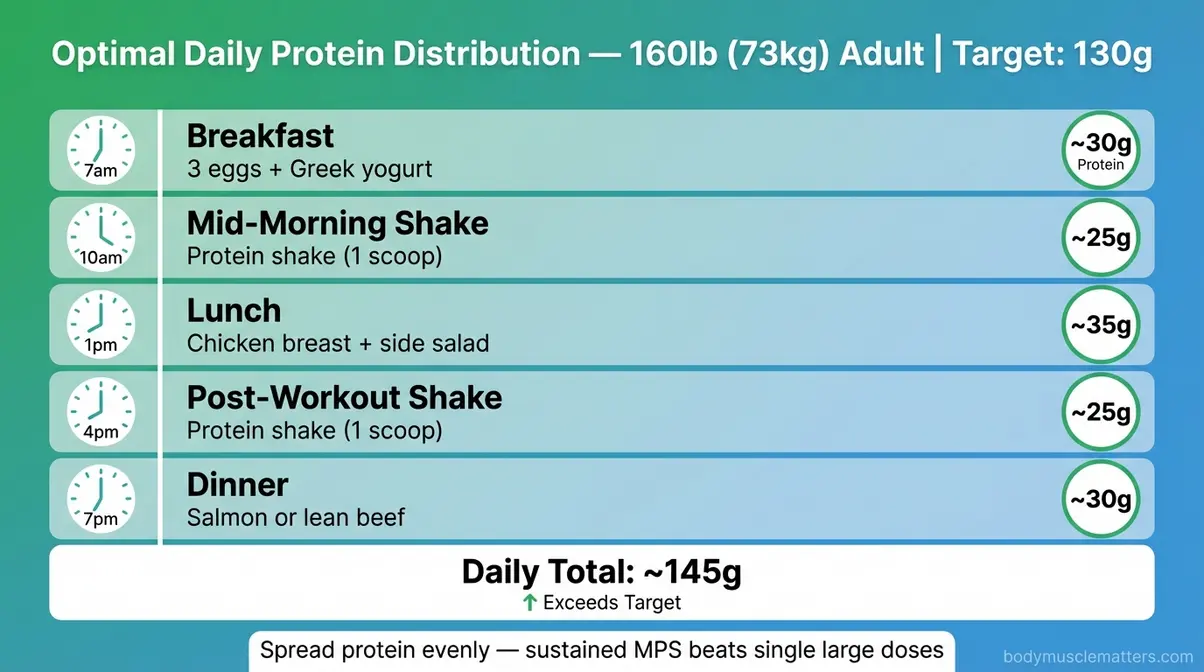
Caption: Spreading protein evenly across four to five daily occasions sustains muscle protein synthesis more effectively than one or two large protein hits.
Protein Safety & Side Effects
⚠️ MEDICAL DISCLAIMER: The following section contains health information relevant to individuals with pre-existing medical conditions. If you have kidney disease, diabetes, high cholesterol, or any chronic health condition, speak with a registered physician or registered dietitian before adding any protein supplement to your diet. The information below reflects the current published research for healthy adults and should not be treated as personal medical advice.
Is High Protein Safe for Kidneys?
This is the #1 fear among beginners—and the research is both reassuring and nuanced. For healthy adults without pre-existing kidney disease, current evidence does not support the claim that high-protein diets cause kidney damage. A recent PMC review examining whey protein consumption found that “in individuals without kidney disease, whey protein intake within recommended limits is safe”.
For healthy adults, protein intakes in the 1.4–2.0g/kg/day range recommended by the ISSN are safe and do not damage kidney function—this has been consistently supported across multiple clinical reviews in the last decade.
However, the picture changes for individuals with pre-existing kidney disease (CKD). For CKD patients at stages 3–5, guidelines recommend restricting protein intake to approximately 0.6–0.8g/kg/day to reduce the filtration burden on already-compromised kidneys. High protein intake does stress diseased kidneys—which is exactly why the YMYL medical guidance here is clear: if you have CKD, do not increase protein intake without medical supervision.
The kidney safety threshold for supplementation: stay within 1.2–1.6g/kg/day as a conservative ceiling if you are in any gray zone health-wise, and always consult your physician before exceeding the standard RDA of 0.8g/kg. If you have a history of kidney stones, discuss oxalate content and protein sources with your doctor, as some proteins (particularly plant sources high in oxalate) may require individual assessment.
Monitoring signs to watch for: Persistent foamy urine, significant changes in urination frequency, lower back pain near the kidney area, or unusual fatigue. These symptoms are rarely caused by protein in healthy individuals but warrant medical review if they appear alongside supplement use.
Investigating the Health Implications of Whey Protein Consumption (2026)](https://pmc.ncbi.nlm.nih.gov/articles/PMC10815430/)
The Effects of High-Protein Diets on Kidney Health and Longevity](https://pmc.ncbi.nlm.nih.gov/articles/PMC7460905/)
Which whey protein lowers cholesterol?
Whey protein’s relationship with cholesterol is more nuanced—and more positive—than most people realize. Standard whey concentrate contains some saturated fat from its dairy base, which could theoretically raise LDL cholesterol if consumed in very large quantities. In practice, the 1–3g of fat per serving in most whey concentrates is far too small to produce meaningful LDL changes.
More interestingly, some research suggests whey protein may modestly lower LDL cholesterol through bioactive peptides (fragments of protein with biological activity) that influence lipid metabolism. The effect size is small, but it runs counter to the assumption that whey is bad for heart health.
For users who have elevated cholesterol as a specific concern, plant-based proteins—particularly soy protein—have the strongest evidence base for LDL reduction. Harvard Health and multiple clinical reviews confirm that regular soy consumption is associated with meaningful reductions in LDL cholesterol. Choosing Orgain Organic Protein (pea/soy blend) over a whey concentrate is a reasonable strategy for cholesterol-conscious users, while also supporting muscle gain.
If you’re managing high cholesterol medically, discuss supplement choices with your physician or a registered dietitian before changing your routine.
Protein for Diabetics
People with type 2 diabetes can use protein powders safely in most cases—but the type and carbohydrate content of the product matter. Whey isolates (Dymatize ISO100, Isopure Zero Carb, Transparent Labs) are the most appropriate choices because their near-zero carbohydrate content doesn’t spike blood glucose. Mass gainers—with their 250g+ of carbohydrates per serving—are not appropriate for blood sugar management.
For individuals with both diabetes and chronic kidney disease (CKD), protein intake recommendations become more complex. Current guidelines for CKD patients with diabetes suggest targeting approximately 0.6–0.8g/kg body weight per day—significantly lower than muscle-building recommendations. Anyone managing both conditions should work directly with a nephrologist and registered dietitian to set safe, individualized protein targets. No supplement guide can substitute for that clinical guidance.
If you have diabetes or pre-diabetes, speak with your doctor before significantly increasing protein intake from any source—food or supplement.
First signs of too much protein?
Exceeding your body’s actual protein needs is unlikely to build more muscle—excess protein beyond what muscle protein synthesis can use is simply converted to energy or excreted. However, consuming far beyond recommended ranges does carry some real side effects:
- Digestive discomfort: Bloating, gas, and nausea are the most common early signs of excessive protein intake—especially with concentrate products high in lactose.
- Persistently foamy urine: Can indicate elevated protein excretion (proteinuria)—worth monitoring if sustained.
- Dehydration and increased thirst: Higher protein intake increases the kidney’s filtration workload, increasing fluid needs—drink more water, not less.
- Unintended calorie surplus: High-calorie protein powders consumed on top of adequate food intake can cause unexpected weight gain from fat, not muscle.
- Digestive disruption from switching sources: Switching protein types suddenly can cause temporary GI upset—transition gradually.
The practical guideline: if you’re hitting 2.0g/kg/day and building muscle consistently, there’s no evidence that going higher delivers additional benefit—and it adds unnecessary cost.
When a Supplement Isn’t Right
Common Pitfalls New Gym-Goers Make
Pitfall 1: Relying on protein powder as a “magic bullet.” Protein powder is a convenient supplement—not a replacement for a balanced diet or consistent training. No amount of whey protein builds muscle without progressive resistance training and adequate sleep. The supplement supports your effort; it doesn’t create it.
Pitfall 2: Buying more than you need. Most beginners can hit their protein targets with a single daily scoop and dietary food sources. Buying the largest tub to “save money” before you’ve confirmed a product agrees with your digestion is a common waste of money. Start with a smaller container and confirm tolerance before committing.
Pitfall 3: Choosing flavor over quality. Artificial sweeteners, food dyes, and heavy flavorings are generally safe in small quantities—but they can cause digestive distress in sensitive individuals. If your stomach is consistently unhappy after a shake, try an unflavored isolate like Isopure Zero Carb before assuming protein powder doesn’t work for you.
Pitfall 4: Stacking too many supplements at once. Pre-workout + protein powder + creatine + BCAAs is a common beginner combo that adds cost and complexity without proportional benefit. Start with protein powder alone, establish the habit, then assess whether additional supplements are warranted.
Pitfall 5: Ignoring whole food sources. Eggs, chicken, Greek yogurt, cottage cheese, fish, and legumes are all excellent protein sources with additional nutritional benefits (vitamins, minerals, fiber) that protein powder doesn’t provide. Supplements supplement a diet—they don’t replace one.
When to Choose Alternatives
If you have severe lactose intolerance: Even whey isolates contain trace lactose. An entirely dairy-free plant-based option (Orgain, or a pea protein blend) eliminates this variable entirely.
If you’re pregnant or breastfeeding: Many protein powders contain additives (artificial sweeteners, herbal extracts, added vitamins) that may not be appropriate during pregnancy. Consult your OB-GYN or midwife before using any supplement. Whole food protein sources are the safest approach during pregnancy.
If you’re a competitive athlete under WADA/USADA jurisdiction: Ensure your product carries NSF Certified for Sport or Informed Sport certification specifically—not just “third-party tested.” The certification level matters for regulatory compliance.
When to Seek Expert Help First
Speak with a registered dietitian (RD) or your physician before starting any protein supplement if you have: kidney disease (any stage), type 1 or type 2 diabetes, phenylketonuria (PKU—a condition that restricts phenylalanine intake), a history of eating disorders, or if you are under 18 years old. These are scenarios where individualized professional guidance outweighs any general recommendation in this guide.
Frequently Asked Questions
Best protein powder to build muscle?
Whey protein—specifically whey isolate or a high-quality whey blend—is the most research-supported protein powder for building muscle. The ISSN recommends 1.4–2.0g of protein per kg of body weight daily for exercising adults, and whey protein delivers a complete essential amino acid profile with high leucine content to maximize muscle protein synthesis. For most beginners, Optimum Nutrition Gold Standard 100% Whey represents the best combination of evidence, accessibility, and value. If you’re lactose-sensitive or want cleaner ingredients, Transparent Labs Grass-Fed Whey Isolate is the premium upgrade.
Which protein type is best for growth?
Whey protein isolate consistently ranks highest for muscle growth due to its rapid absorption, complete amino acid profile, and naturally high leucine content—the amino acid that directly triggers muscle protein synthesis. However, pea-and-soy blends fortified with leucine have shown comparable results to whey in recent research. For vegans, a blended plant protein covering all nine essential amino acids is an effective alternative to dairy-based options. The “best type” is ultimately the one you can consume consistently, digest comfortably, and fit within your budget.
Best protein powder for kidney stones?
For individuals with a history of kidney stones, protein type matters more than brand. Animal proteins (whey, casein) can increase urinary calcium excretion in some individuals, which may be a factor in calcium oxalate stone formation. Plant-based proteins generally produce lower urinary calcium levels. However, some plant proteins are high in oxalate, which is another kidney stone precursor. The safest approach: consult your urologist or nephrologist before choosing a protein supplement. They can assess your specific stone type—calcium oxalate, uric acid, or struvite—and make a recommendation based on your urine chemistry. Do not self-prescribe based on general guides alone for this specific concern.
What protein is easiest on the kidneys?
For healthy adults, all mainstream protein powders—whey isolate, concentrate, casein, and plant-based blends—are safe within recommended intake ranges. Research confirms that high-protein diets do not damage kidneys in individuals without pre-existing kidney disease. For anyone with diagnosed kidney disease (CKD), plant-based protein sources are generally considered gentler, as they produce less nitrogenous waste than animal proteins and lower urinary calcium excretion. However, individuals with CKD should not change protein intake without direct guidance from a nephrologist—the stakes are too high for self-directed adjustment.
Is plant-based protein as effective?
Yes, modern plant-based protein blends can be just as effective as whey for muscle growth when dosed correctly. Since plant proteins generally have lower leucine levels, you may need slightly larger serving sizes or a blend fortified with additional BCAAs to trigger the same anabolic response. Blending pea and rice or soy proteins creates a complete amino acid profile that closely mirrors dairy-based products without the digestive friction of lactose.
Can I take protein on rest days?
Absolutely. Your muscles actually grow during rest and recovery, not while you are lifting. Continuing your protein supplementation on off-days ensures your body has the necessary amino acid blocks to complete muscle repair. Many experts advise keeping your daily protein target consistent throughout the week to maximize your muscular gains.
How many protein shakes a day?
For most beginners, one to two protein shakes per day is the optimal range. Shakes are supplements meant to help you reach your daily 1.4-2.0g/kg target, not replace your entire diet. Prioritize getting the bulk of your protein from whole foods like eggs, chicken, and Greek yogurt, using shakes primarily to bridge the dietary gap and facilitate post-workout recovery.
Conclusion
For gym beginners navigating hundreds of protein powder options, the evidence points clearly to a few reliable choices. Whey protein—especially isolate—consistently leads research on muscle gain, with the ISSN-recommended range of 1.4–2.0g of protein per kg of body weight per day as the most widely validated framework for muscle building. For beginners, Optimum Nutrition Gold Standard is the most accessible starting point; for those prioritizing ingredient purity, Transparent Labs Grass-Fed Whey Isolate is the premium benchmark. Plant-based athletes are well-served by blended proteins like Orgain, particularly when combined with consistent resistance training.
The Protein Quality Trifecta—leucine content, third-party certification, and protein type matched to your physiology—gives you a repeatable framework for evaluating any protein powder you encounter, now or in the future. It cuts through the marketing noise and puts the decision back in your hands. Every product on this list passed it; no product that failed it made the cut.
Your next step: pick the one product from the Quick Decision Matrix that matches your goal, check current pricing at your preferred retailer, and commit to using it consistently alongside your training for 30 days. Protein powder is a supplement—it amplifies consistent effort. With the right pick for your body and budget, you’ve removed the guesswork from this part of your fitness journey. At bodymusclematters.com, we believe the best supplement is the one you’ll actually use every day.