Most fitness routines are engineered for strength or cardio — but not for the mobility, recovery, and structural resilience that make both sustainable over the long term. Yoga closes that gap, and the clinical evidence is now substantial enough to make ignoring it a strategic mistake for anyone serious about performance.
Without adequate range of motion and recovery capacity, gym-goers accumulate tightness, joint stress, and cortisol-driven fatigue that compound into injury and plateau. Back pain, limited squat depth, shoulder impingement, and chronic stress are not random — they are predictable consequences of training without the functional foundation yoga provides. The science-backed benefits of yoga for fitness span muscular strength, cardiovascular health, neurological stress regulation, and condition-specific pain relief — a scope no competitor guide currently covers with clinical depth.
In this guide, you will discover how yoga improves physical performance and mental resilience, how it compares to gym training, which style fits your goals, and how it supports specific conditions including L4-L5 disc bulge, multiple sclerosis, arthritis, and prostate health.
The benefits of yoga for fitness extend far beyond flexibility — research links regular practice to improved strength, cardiovascular health, and significant stress reduction, making it a clinically supported complement to any training routine.
- Strength & mobility: Yoga builds functional strength and improves range of motion that reduces injury risk across all other training modalities
- Mental performance: Regular practice lowers cortisol and raises GABA (a calming brain neurotransmitter) levels, improving focus, sleep, and recovery
- Heart health: Evidence suggests yoga delivers cardiovascular benefits comparable to moderate-intensity cardio (PubMed, 2015)
- The Functional Fitness Spectrum: Yoga and gym training occupy complementary poles of a complete fitness system — combining both produces superior long-term outcomes than either alone
- Condition-specific: Yoga is clinically supported for lower back pain, arthritis, MS fatigue, and prostate health — with specific, safe modifications for each condition
The Physical Benefits of Yoga for Fitness
Why is yoga important for fitness?
Yoga is important for fitness because it develops the functional foundation — mobility, stability, recovery capacity, and stress regulation — that makes all other training modalities safer and more sustainable. Most gym programs optimize for strength or cardio but neglect connective tissue health, proprioception, and parasympathetic recovery. Yoga fills these gaps directly. Research shows yoga improves flexibility, balance, cardiovascular health, and mental performance — outcomes that compound over time to extend athletic longevity and reduce injury risk across all sports and training styles.
Yoga delivers quantifiable physical fitness benefits that directly complement strength and cardio training. A 10-week yoga intervention significantly enhanced flexibility and balance in college athletes compared to gym-only training controls (PubMed, 2015). For anyone already training, this means yoga’s physical gains are not redundant — they fill the functional gaps that conventional gym work leaves open, reducing injury risk and extending training longevity.
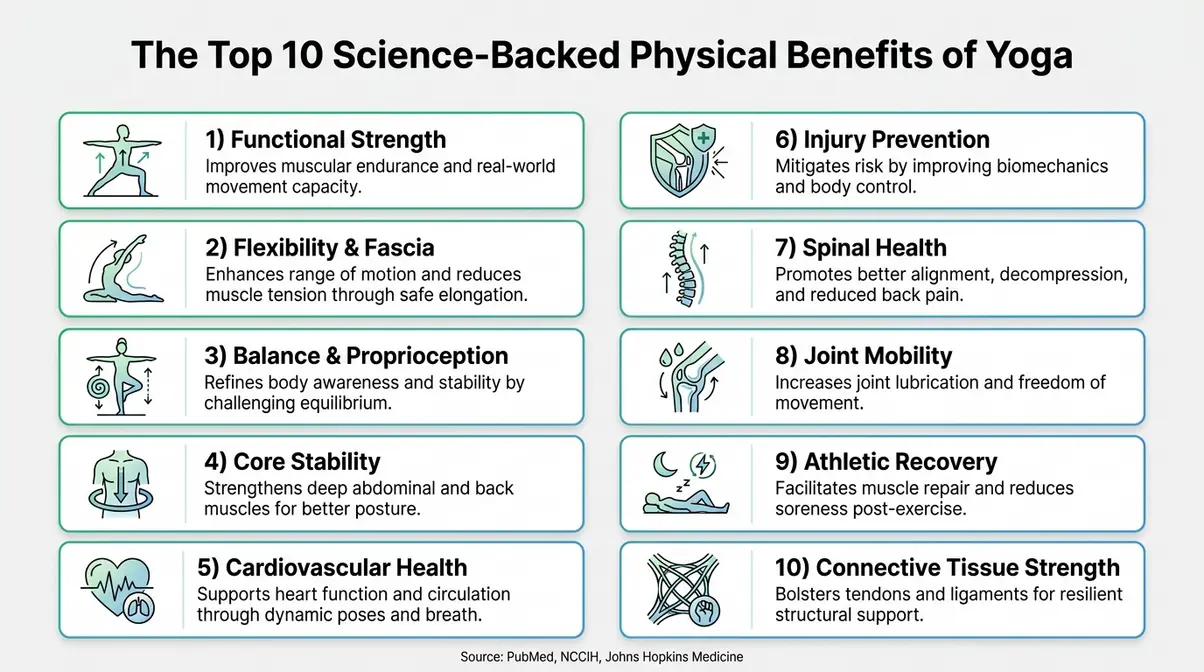
As the infographic below illustrates, these benefits span five interconnected domains:
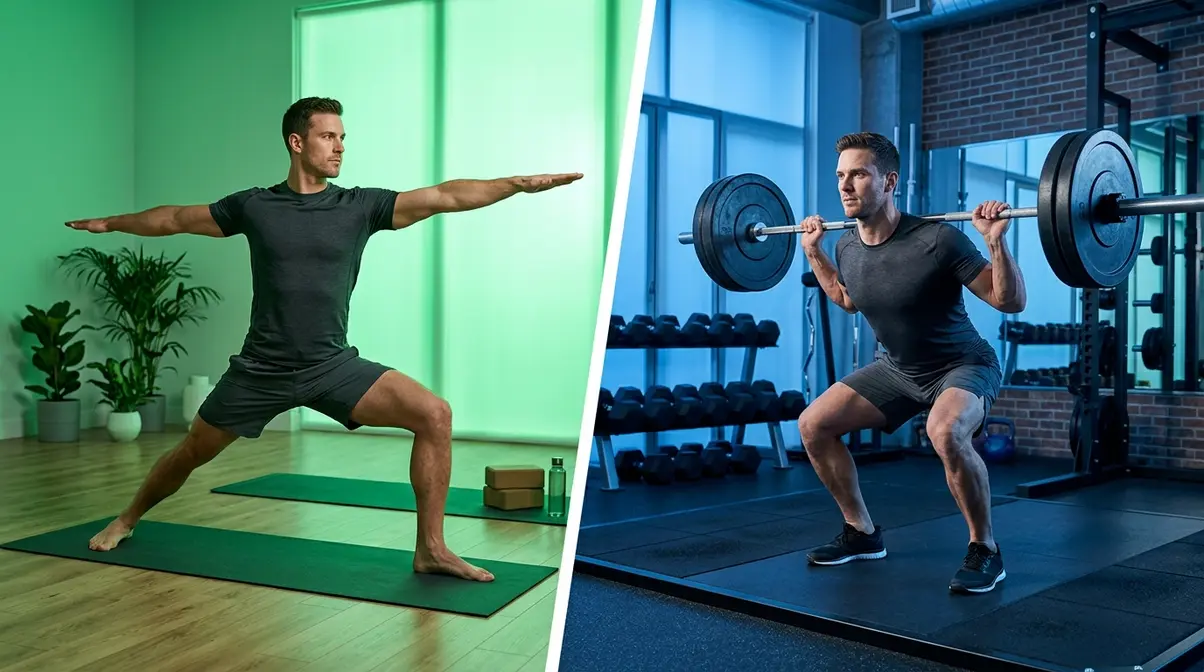
Think of yoga and gym training as complementary poles on The Functional Fitness Spectrum: the gym builds force and mass, while yoga builds the mobility, stability, and recovery capacity that allow you to train harder and longer without breaking down. This framework will resurface throughout the guide — but it starts here, with the physical evidence.
“Yoga is incredibly beneficial for anyone. Especially lifters, the flexibility, improved range of motion and reduced injury, not to mention huge core strength.”
That voice-of-experience observation aligns precisely with what peer-reviewed research now confirms. Studies comparing yoga’s cardiovascular benefits to traditional cardio demonstrate that yoga provides similar cardiovascular benefits to brisk walking or biking, significantly lowering blood pressure and cholesterol (PubMed, 2015). The physical case for yoga is no longer speculative.
Builds Strength Without Bulk
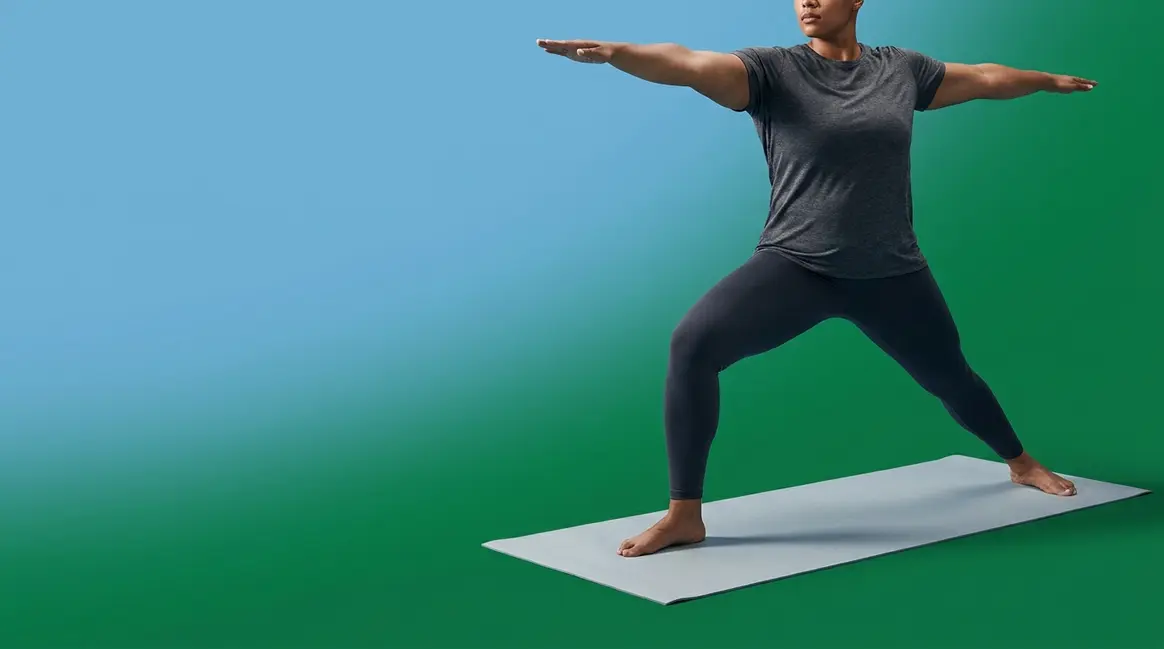
Strength, balance, and flexibility are the three physical attributes yoga develops simultaneously — a combination no single gym modality matches. The mechanism is isometric contraction (muscular tension without joint movement): holding poses like Warrior II, Chair Pose, and Boat Pose sustains load across multiple muscle groups for 30 to 90 seconds, building slow-twitch fiber endurance and stabilizer strength that barbells and machines rarely reach.
The key contrast with gym training is specificity. Gym work prioritizes hypertrophy (muscle size) through concentric and eccentric loading. Yoga prioritizes functional strength — the stabilizers, connective tissue, and neuromuscular coordination that protect joints during dynamic movement. Both have value; yoga fills the stabilizer gap that most gym programs leave entirely unaddressed.
Estimated Time: 30-45 minutes per session
Tools/Materials Needed: Yoga mat, yoga blocks (optional), comfortable clothing
Warrior II — Step-by-Step:
- Stand with feet 3.5–4 feet apart; turn your right foot out 90° and left foot in slightly
- Bend your right knee to 90°, tracking directly over your second toe — do not let the knee collapse inward
- Extend both arms parallel to the floor, palms facing down; gaze over your right fingertips
- Hold for 30–60 seconds, feeling your quadriceps, glutes, and deltoids engage simultaneously
- Straighten the right leg, pivot feet, and repeat on the left side; complete 2–3 rounds per side
Stronger stabilizers also protect joints during loaded movement — which sets up the next critical benefit directly.
Enhances Flexibility and Range of Motion
Improved range of motion is where gym-goers typically notice the most immediate, measurable changes from yoga practice. The reason goes deeper than muscle length: yoga targets fascia (the dense connective tissue surrounding muscles and organs) through sustained holds of 60 seconds or more. This is mechanically distinct from the brief static stretches common in gym warm-ups, which primarily address muscle spindle reflexes without meaningfully remodeling fascial restriction.
Fascial restriction is a primary driver of movement limitation. Tight hip flexors restrict squat depth; restricted thoracic spine rotation limits overhead press safety; shortened posterior chain tissues compromise deadlift mechanics. Yoga’s sustained holds address all three. The study on yoga improving athletic flexibility and balance found significant flexibility improvements in college athletes after just 10 weeks of consistent practice — gains that transferred directly to sport performance (PubMed, 2015). Flexibility gains from yoga also tend to be more durable than static stretching alone because breathwork and time-under-tension act together to reduce the nervous system’s protective resistance to lengthening.
Pigeon Pose — Step-by-Step:
- Begin in Downward-Facing Dog; bring your right knee forward toward your right wrist
- Extend your left leg straight back; square your hips toward the floor as much as comfortable
- Lower your torso toward the mat; rest on forearms or fully extend arms forward
- Hold 60–90 seconds — this allows fascial release, which takes longer than muscle stretching
- Breathe steadily and avoid forcing the hip down; let gravity and time do the work
- Press back to Downward Dog and repeat on the left side
Flexibility improvements naturally cascade into better balance and posture — two attributes that determine injury risk and long-term training longevity.
Improves Balance, Posture, and Core Stability
Core strength is often equated with visible abdominal development, but functional core stability operates far deeper. Yoga activates the transverse abdominis (the deepest abdominal layer, which acts like a corset around the spine) and the multifidus (small spinal stabilizer muscles) — both chronically underactivated in standard gym core routines that emphasize crunches and sit-ups.
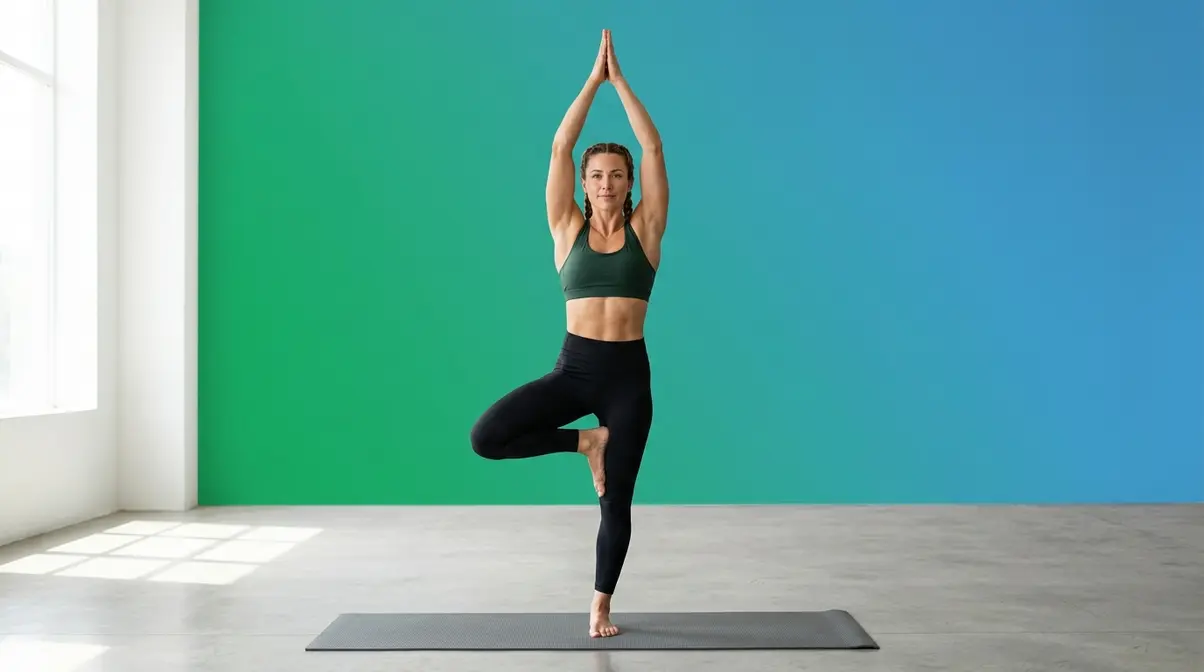
Beyond core depth, yoga systematically trains proprioception (your body’s spatial awareness system) through single-leg and asymmetrical poses that gym machines bypass entirely. Tree Pose and Warrior III force the neuromuscular system to process real-time balance feedback — the same system that prevents ankle sprains, knee collapses, and falls during loaded gym movements. Research from Johns Hopkins Medicine confirms yoga’s role in improving balance and reducing fall risk, particularly relevant for athletes and aging active adults. Regular practice also corrects anterior pelvic tilt and rounded shoulders — two postural patterns endemic to desk workers and heavy lifters alike.
Tree Pose — Step-by-Step:
- Stand with feet together; shift your weight onto your left foot
- Place the sole of your right foot on your inner left thigh or calf — never on the knee joint
- Bring your hands to heart center or extend arms overhead
- Fix your gaze on a still point (a “drishti”) at eye level; hold 30–60 seconds
- Release and switch sides — notice which side challenges your balance more, and practice that side slightly longer
Supports Heart Health and Circulation
Cardiovascular health is yoga’s most underestimated fitness benefit. A 2015 meta-analysis published in the European Journal of Preventive Cardiology found that yoga delivers cardiovascular benefits comparable to brisk walking or biking, significantly lowering blood pressure, LDL cholesterol, and resting heart rate (PubMed, 2015). For gym-goers, this matters practically: yoga sessions on rest days can maintain cardiovascular conditioning without adding mechanical stress to recovering muscles.
The mechanism involves pranayama (breath regulation) and its effect on the vagus nerve. Controlled breathing directly modulates heart rate variability (HRV) — the interval variation between heartbeats that serves as the gold-standard marker of cardiovascular and autonomic health. Higher HRV correlates with better stress tolerance, faster recovery, and reduced cardiac risk. Yoga’s slow, diaphragmatic breathing patterns consistently elevate HRV in clinical measurements, activating the parasympathetic nervous system (your body’s rest-and-digest mode) and counteracting the chronic sympathetic overactivation that high-intensity training produces.
Consult your doctor before using yoga as a cardiovascular intervention if you have existing heart disease, hypertension, or arrhythmia.
Reduces Injury Risk and Speeds Athletic Recovery
Reduced injury is arguably yoga’s most economically valuable benefit for active people. Injury doesn’t just cause pain — it interrupts training cycles, reverses fitness gains, and creates compensatory movement patterns that compound over time. Yoga addresses injury risk through three simultaneous mechanisms: improved joint range of motion (reducing strain at end-range positions), enhanced proprioception (improving movement accuracy under fatigue), and parasympathetic activation (accelerating tissue repair between sessions).
The parasympathetic activation mechanism is particularly relevant for high-frequency trainers. Intense exercise maintains sympathetic nervous system dominance, which suppresses protein synthesis and tissue repair. A 20–30 minute yoga session shifts the body into parasympathetic mode — measurably reducing cortisol, increasing blood flow to muscles, and creating the hormonal environment required for recovery. For more on the physical and systemic benefits of yoga across the whole body, including circulatory and immune system effects, the evidence base continues to strengthen.
What are the 5 benefits of yoga for fitness?

The five most evidence-supported fitness benefits of yoga are:
- Functional strength — isometric contraction in poses builds stabilizer muscles and connective tissue strength that gym training underserves
- Flexibility and range of motion — sustained holds remodel fascia and improve joint mobility that transfers directly to gym performance
- Balance and core stability — proprioceptive training and deep core activation reduce injury risk across all movement patterns
- Cardiovascular health — yoga delivers blood pressure, cholesterol, and HRV improvements comparable to moderate aerobic exercise (PubMed, 2015)
- Stress and recovery — cortisol reduction and parasympathetic activation accelerate recovery between training sessions and improve long-term training adherence
Mental and Emotional Benefits of Yoga
Yoga’s mental health benefits are not incidental to fitness — they are central to it. Chronic stress elevates cortisol, which suppresses testosterone, disrupts sleep, and impairs muscle protein synthesis. Anxiety and poor sleep directly reduce training performance and recovery capacity. Addressing these through yoga is not a “wellness” indulgence; it is a performance strategy with clinical backing from the National Center for Complementary and Integrative Health (NCCIH, 2026).
Reduces Stress and Anxiety at a Neurological Level
Yoga reduces stress and anxiety through measurable neurochemical changes — not through relaxation alone. Research consistently shows that regular yoga practice lowers cortisol (the primary stress hormone) and increases GABA (gamma-aminobutyric acid, a calming brain neurotransmitter that is deficient in anxiety and depression disorders). A landmark study published in the Journal of Alternative and Complementary Medicine found that a single yoga session produced a 27% increase in brain GABA levels compared to a walking control group — a finding that has informed subsequent anxiety treatment protocols (Streeter et al., 2007, replicated 2010).
The mechanism operates through the hypothalamic-pituitary-adrenal (HPA) axis — the body’s central stress-response system. Yoga’s combination of physical postures, controlled breathing, and focused attention down-regulates HPA activity, reducing the cortisol output that chronic training stress and workplace demands sustain. For fitness-focused readers, lower cortisol means better muscle protein synthesis, improved sleep architecture, and faster recovery between sessions. This is stress management with a direct performance return.
Research from NCCIH indicates that yoga may help reduce symptoms of anxiety disorders, with evidence strongest for generalized anxiety and stress-related conditions (NCCIH, 2026). Consult a mental health professional before using yoga as a primary treatment for clinical anxiety or depression.
Improves Focus, Sleep Quality, and Mood
Sleep quality is a performance variable as significant as training volume — and yoga is one of the most clinically supported non-pharmacological sleep interventions available. Research from Harvard Health Publishing identifies yoga as effective for improving sleep onset, duration, and quality, particularly in adults experiencing stress-related insomnia (Harvard Health, 2026). The mechanism involves both cortisol reduction (which lowers physiological arousal before sleep) and melatonin regulation, which yoga’s evening practice has been shown to support.
Focus and mood improvements follow similar neurochemical pathways. Regular yoga practice increases serotonin (the mood-stabilizing neurotransmitter) and reduces inflammatory cytokines associated with depression. These effects compound: better sleep improves mood and focus the following day; reduced anxiety allows sustained concentration during training; improved mood increases training adherence. The mental benefits of yoga are not separate from its fitness benefits — they are the nervous system foundation that makes consistent, high-quality training possible. Inner awareness — the attentional skill yoga systematically develops — also transfers directly to athletic performance, improving movement quality and body-signal interpretation during training.
Beyond sleep and focus, yoga fosters a deeper mind-body connection that positively influences other lifestyle habits. Practitioners frequently report enhanced mindful eating practices and improved body image, as the focus shifts from what the body looks like to what it can functionally achieve. By integrating meditation for stress relief and mental health, yoga provides a comprehensive toolkit for emotional regulation that gym workouts alone rarely offer.
Yoga vs. Gym: A Functional Fitness Comparison
The yoga-versus-gym framing is a false binary that limits how most fitness seekers approach their training. The more useful framework is The Functional Fitness Spectrum — a model that positions yoga and gym training as complementary poles of a complete physical development system, each providing what the other structurally cannot. Understanding where each modality excels — and where it falls short — allows you to build a training program greater than the sum of its parts.
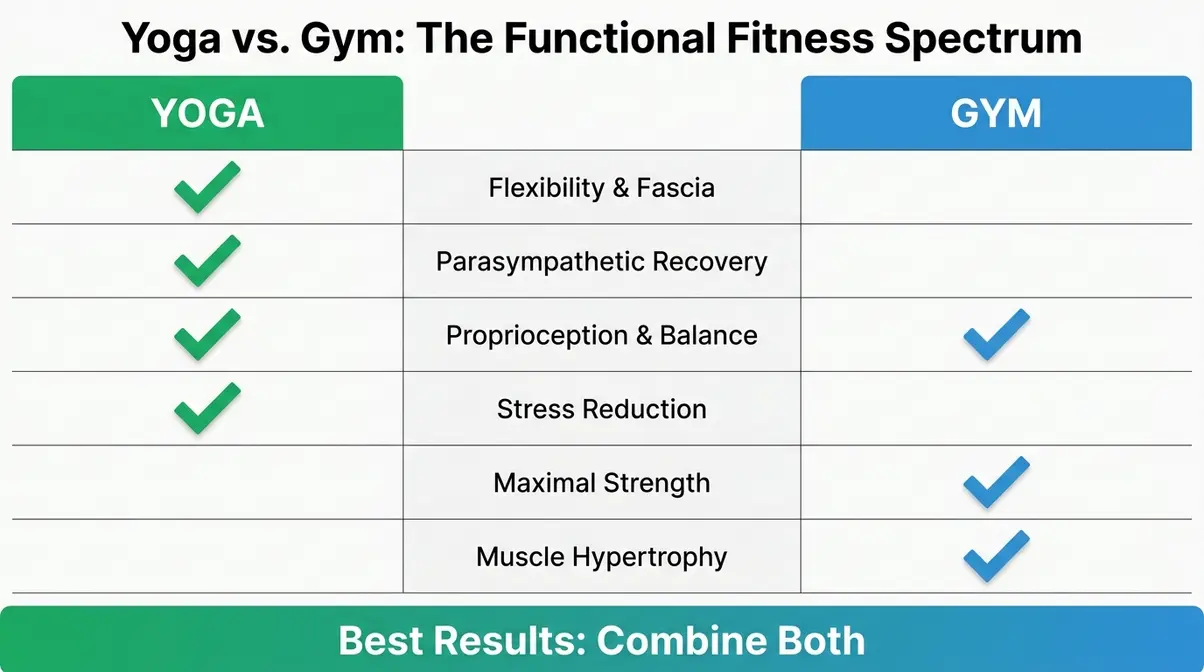
Where Yoga Outperforms the Gym
Why is yoga better than the gym for certain outcomes? The answer is specificity: yoga is superior for mobility, recovery, stress management, and neuromuscular coordination — outcomes that gym training structurally cannot produce at equivalent efficiency.
| Domain | Yoga Advantage | Mechanism |
|---|---|---|
| Flexibility & fascia | Superior | Sustained holds (60–90 sec) remodel connective tissue |
| Parasympathetic recovery | Superior | Breath control activates vagus nerve, lowers cortisol |
| Proprioception & balance | Superior | Asymmetrical, unstable poses train neuromuscular pathways |
| Stress & anxiety reduction | Superior | Measurable GABA and cortisol effects (clinical evidence) |
| Spinal health & posture | Superior | Deep stabilizer activation; postural correction |
| Joint mobility | Superior | Range-of-motion improvements that protect joints under load |
For gym-goers specifically, yoga’s most irreplaceable contribution is recovery acceleration. A yoga session between lifting days maintains cardiovascular conditioning, restores muscle length, and resets the nervous system — without adding mechanical fatigue. No gym modality accomplishes this simultaneously.
Where the Gym Has the Edge
Intellectual honesty demands acknowledging where yoga does not lead. Gym training is definitively superior for maximal strength development, muscle hypertrophy, bone density, and high-intensity cardiovascular adaptation. Progressive overload — systematically increasing resistance over time — is the gold-standard stimulus for these adaptations, and yoga cannot replicate it.
| Domain | Gym Advantage | Why Yoga Cannot Match |
|---|---|---|
| Maximal strength | Superior | External load enables progressive overload |
| Muscle hypertrophy | Superior | Mechanical tension and metabolic stress require resistance |
| Bone density | Superior | Axial loading stimulates osteoblast activity |
| VO₂ max development | Superior | High-intensity intervals require sustained elevated heart rate |
| Sport-specific power | Superior | Velocity and explosive movements require loaded training |
Yoga is not a replacement for the gym if your goals include building significant muscle mass, increasing bone density, or developing sport-specific power. It is, however, what makes those goals safer and more sustainable to pursue.
How to Combine Both for Optimal Results
The practical question is not “yoga or gym?” — it is “how do I integrate both?” A well-designed training week positions yoga as the functional foundation supporting gym work, not competing with it.
Evidence-based integration framework:
- Strength training days (3–4x/week): Follow sessions with 10–15 minutes of yoga cool-down targeting the muscles worked (hip flexors after squats, thoracic spine after pressing)
- Rest/recovery days (1–2x/week): 30–60 minutes of Yin or Hatha yoga to accelerate tissue repair and maintain cardiovascular conditioning without adding mechanical load
- Morning practice (daily, optional): 10–15 minutes of Sun Salutations to activate the nervous system, improve circulation, and establish body awareness before the day’s demands
This structure operationalizes The Functional Fitness Spectrum: gym sessions build force and mass; yoga sessions build the mobility, recovery, and mental clarity that allow you to train at that level consistently, week after week, year after year.
Types of Yoga and Their Fitness Applications
Not all yoga styles deliver the same outcomes. Choosing the wrong style for your goals is one of the most common reasons fitness-oriented people abandon yoga — they attend a slow, meditative class when they need active recovery, or push through a hot flow session when their nervous system needs restoration. Matching yoga style to training goal is as important as matching rep ranges to strength goals.
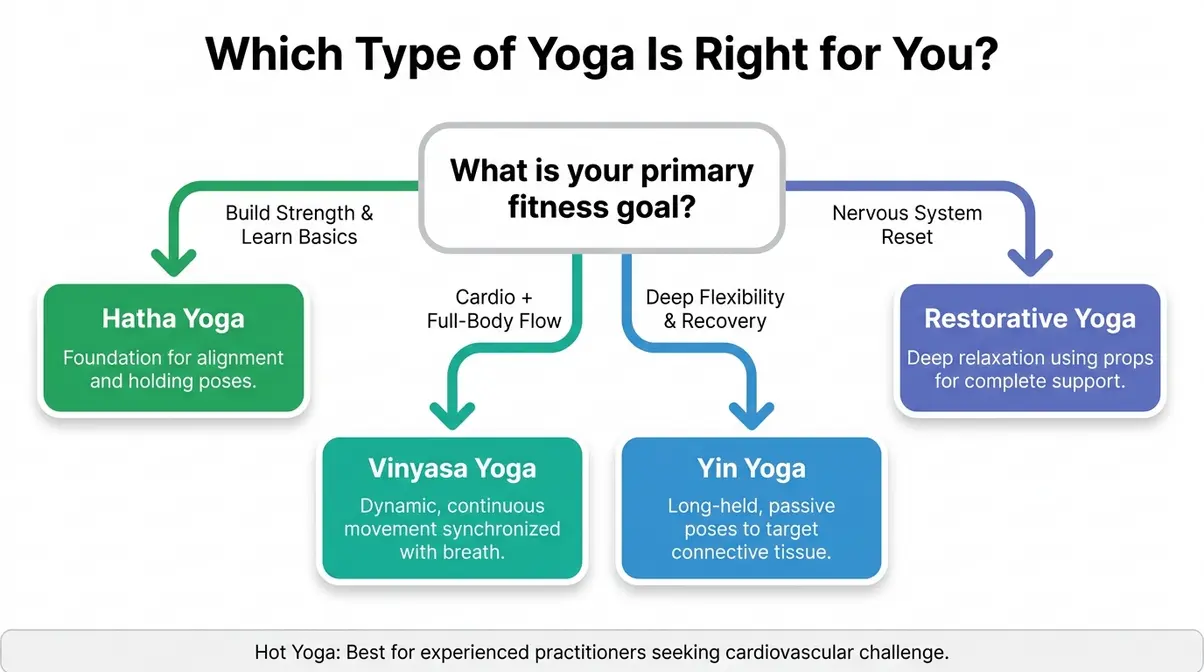
Hatha, Vinyasa, and Yin — What’s the Difference?
The three styles most relevant to fitness-oriented practitioners are Hatha, Vinyasa, and Yin — each operating through different physiological mechanisms.
| Style | Intensity | Primary Benefit | Best Paired With |
|---|---|---|---|
| Hatha | Low–Moderate | Foundational alignment, strength, breath | Beginners; heavy lifting days |
| Vinyasa | Moderate–High | Cardiovascular conditioning, full-body strength, flow | Cardio substitution; active recovery |
| Yin | Low | Deep fascial release, joint mobility, parasympathetic activation | Post-lifting; rest days; stress management |
| Restorative | Very Low | Nervous system reset, sleep quality | Overtraining recovery; high-stress periods |
Hatha yoga uses individually held postures with alignment emphasis — the best entry point for gym-goers new to yoga, as it builds the positional awareness needed before adding flow sequences. Vinyasa yoga links postures in continuous, breath-synchronized sequences, elevating heart rate into moderate cardiovascular training zones. Research from Healthline supports Vinyasa as an effective cardiovascular supplement for active individuals. Yin yoga holds passive poses for 3–5 minutes, specifically targeting fascial tissue and joint capsules — the most effective style for addressing the mobility restrictions that accumulate from heavy training.
For those experiencing severe overtraining or chronic stress, Restorative yoga offers an even gentler alternative to Yin. While Yin targets connective tissue with moderate sensation, Restorative yoga uses extensive prop support (bolsters, blankets, and blocks) to eliminate muscular effort entirely. This style prioritizes nervous system down-regulation and sleep quality improvement, making it the ideal choice during high-stress periods or active recovery weeks when your body cannot handle additional physical demands.
Hot Yoga (Bikram): Unique Benefits and Who It’s For
Hot yoga — practiced in rooms heated to 95–105°F (35–40°C) with 40% humidity — adds a thermal stress component that amplifies certain physiological responses. The elevated temperature increases tissue pliability, allowing deeper stretching with reduced injury risk (when practiced correctly). It also produces significant cardiovascular demand: heart rate during Bikram’s 26-pose sequence reaches 60–80% of maximum heart rate, comparable to moderate aerobic exercise.
The benefits of hot yoga specifically include enhanced detoxification through sweat, improved thermoregulatory capacity, and accelerated flexibility gains relative to room-temperature practice. A study published in Experimental Physiology found that hot yoga improved cardiovascular fitness and reduced cardiovascular disease risk factors in sedentary adults after 12 weeks (Bikram Yoga Research, 2014).
Hot yoga is best suited for: Experienced yoga practitioners, those seeking cardiovascular conditioning alongside flexibility, and athletes with established heat acclimatization.
Hot yoga is not appropriate for: Beginners without foundational yoga experience, individuals with cardiovascular conditions, pregnant women, or anyone prone to dehydration or heat sensitivity. Always consult a physician before beginning hot yoga if you have any cardiovascular or metabolic condition.
Yoga for Specific Conditions
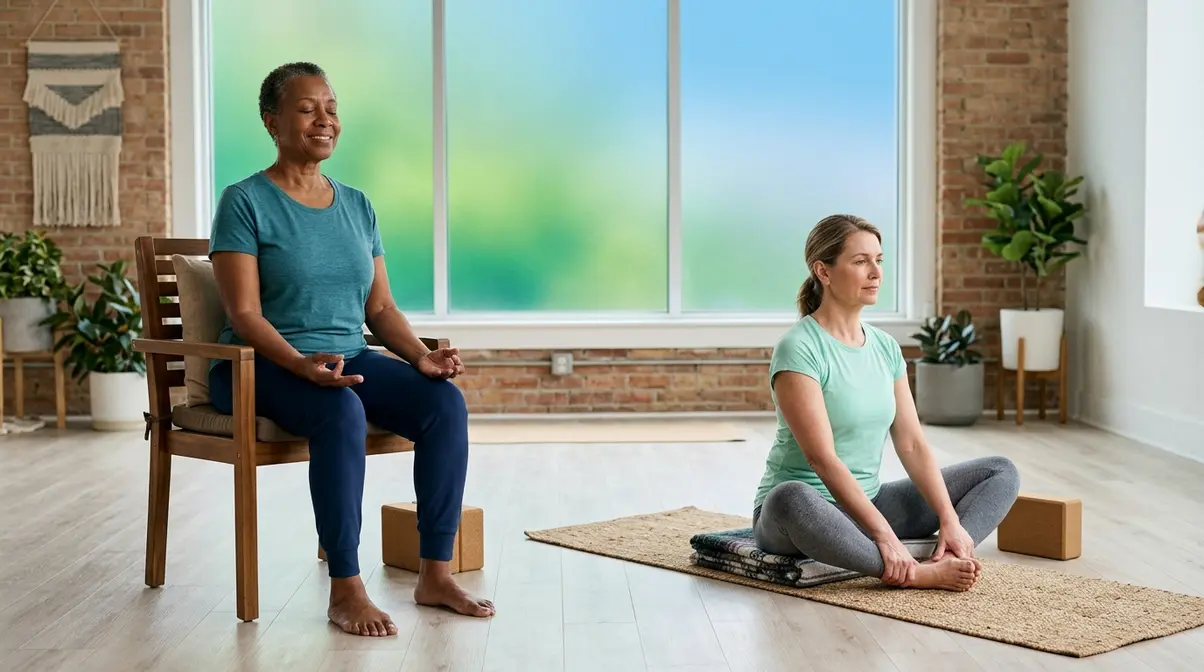
⚠️ Medical Disclaimer: The information in this section is for educational purposes only and does not constitute medical advice. Yoga modifications for specific health conditions should be implemented only under the guidance of a qualified healthcare provider — including your physician, physical therapist, or certified yoga therapist. The poses and guidance below represent evidence-informed general recommendations, not individualized treatment protocols. Always consult your doctor before beginning any yoga practice if you have a diagnosed medical condition.
Clinical evidence increasingly supports yoga as a complementary intervention for specific musculoskeletal and neurological conditions. The key word is complementary — yoga is not a cure for any condition listed below. It is a tool that research suggests may help manage symptoms, improve functional capacity, and support quality of life alongside appropriate medical care.
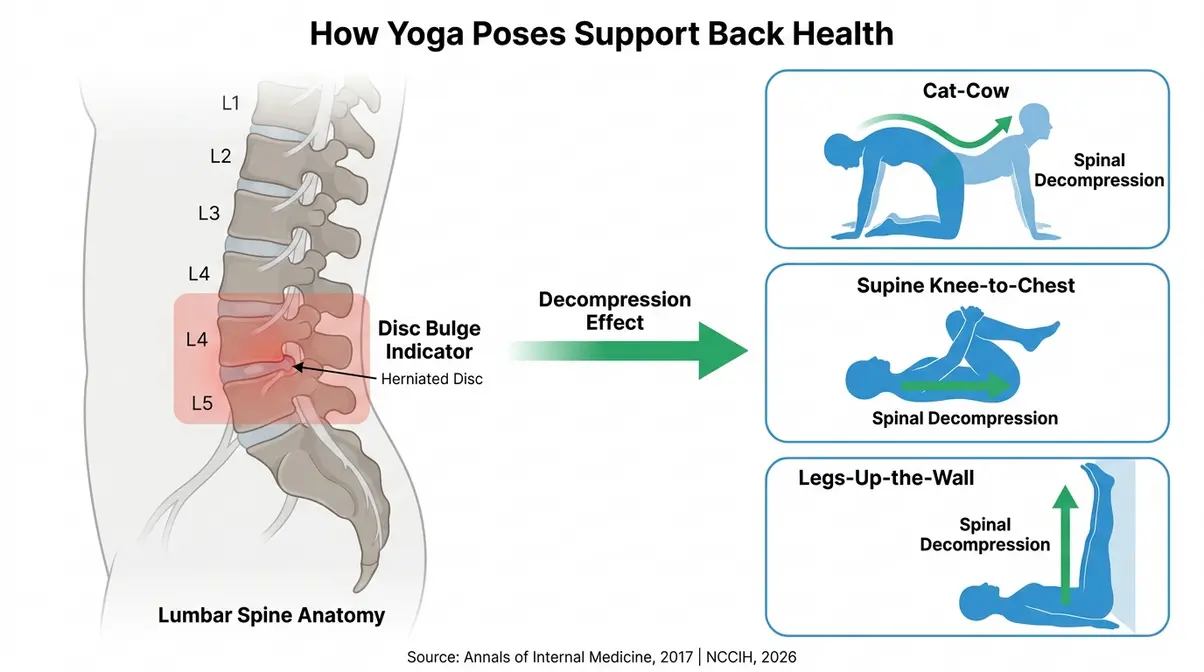
Yoga for L4-L5 Disc Bulge and Lower Back Pain
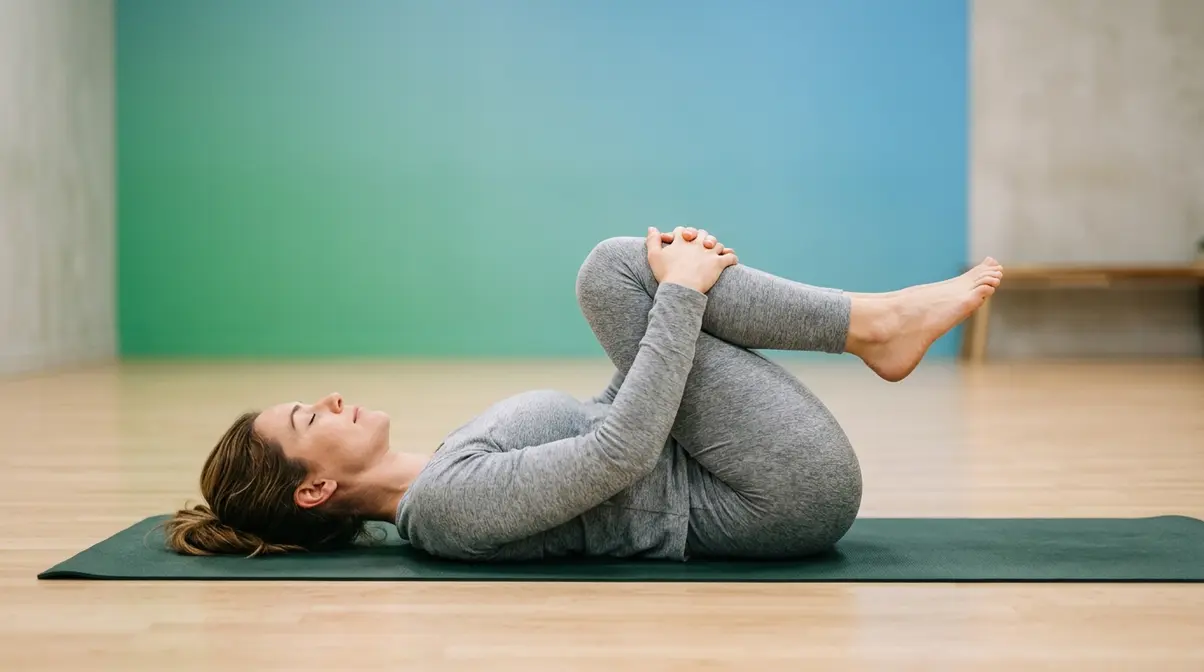
Lower back pain affects approximately 80% of adults at some point in their lives, and L4-L5 disc pathology (bulge or herniation at the fourth and fifth lumbar vertebrae) is one of the most common structural contributors. Yoga is not appropriate for all presentations of L4-L5 pathology — but for subacute and chronic cases, a carefully modified practice can meaningfully reduce pain and improve functional movement.
A systematic review and meta-analysis published in the Annals of Internal Medicine found that yoga was as effective as physical therapy for reducing chronic low back pain and improving function (Annals of Internal Medicine, 2017). Using these targeted movements to relieve lower back pain with yoga techniques provides a sustainable, non-pharmacological management strategy. The NCCIH guidelines on yoga also identify it as one of the best-supported complementary approaches for chronic lower back pain, with evidence rated moderate-to-strong (NCCIH, 2026).
Safe poses for L4-L5 disc bulge:
- Cat-Cow (Marjaryasana-Bitilasana): Begin on hands and knees, wrists under shoulders, knees under hips. Inhale, drop belly toward floor and lift gaze (Cow). Exhale, round spine toward ceiling and tuck chin (Cat). Move slowly through 8–10 cycles. This mobilizes the lumbar spine without compressive load.
- Supine Knee-to-Chest (Apanasana): Lie on your back; draw both knees gently toward your chest. Hold 30–60 seconds. This gently decompresses the L4-L5 segment by creating traction through spinal flexion.
- Legs-Up-the-Wall (Viparita Karani): Lie on your back with legs extended up a wall, hips 2–4 inches from the baseboard. Hold 5–10 minutes. Reduces lumbar compression and promotes venous return from the lower extremities.
Exercises to avoid with L4-L5 pain: Deep forward folds (Seated Forward Bend, Standing Forward Fold) place significant flexion stress on the disc and can worsen herniation symptoms. Avoid spinal twists with excessive rotation, deep backbends (Wheel Pose), and any pose that produces radiating pain, numbness, or tingling in the leg — these are neurological warning signs requiring immediate medical evaluation.
Sleeping position for L4-L5: Clinical guidance recommends sleeping on your side with a pillow between your knees (maintaining neutral pelvic alignment) or on your back with a pillow under your knees. Both positions reduce compressive force on the L4-L5 segment. Stomach sleeping is contraindicated as it increases lumbar extension and disc pressure.
Consult your physician or physical therapist before beginning yoga if you have a confirmed L4-L5 disc bulge or herniation. Some presentations require medical stabilization before any yoga practice is appropriate.
Yoga for Multiple Sclerosis (MS)
Multiple sclerosis is a chronic neurological condition affecting the central nervous system, characterized by fatigue, balance impairment, spasticity, and cognitive changes. Clinical evidence supports yoga as a safe and beneficial complementary practice for people with MS — with specific benefits for fatigue management, balance, and mood.
A randomized controlled trial published in Neurology found that yoga and aerobic exercise produced comparable improvements in fatigue — one of MS’s most debilitating symptoms — in people with relapsing-remitting MS (Oken et al., 2004). More recent evidence from the MS Society and NCCIH indicates that adapted yoga can improve balance, reduce spasticity, and support psychological well-being in people with MS, with chair-based modifications making the practice accessible across a wide range of disability levels (NCCIH, 2026).
Adapted poses for MS — prioritizing safety and fatigue management:
- Chair Mountain Pose (Seated Tadasana): Sit tall in a stable chair, feet flat on floor, spine erect. Rest hands on thighs. Take 5 slow breaths, focusing on spinal length and grounded feet. This establishes postural alignment without balance demands.
- Seated Cat-Cow: In the same chair position, place hands on knees. Inhale, arch the lower back and lift the chest (Cow). Exhale, round the spine and drop the chin (Cat). Repeat 6–8 cycles. Maintains spinal mobility without floor transitions.
- Supported Warrior I (Chair-Assisted): Stand behind a chair, hands on the back for support. Step one foot back into a lunge position; press through the front heel. Hold 15–30 seconds per side. Builds lower extremity strength with fall-prevention support.
Key MS-specific modifications: Always practice near a wall or with a chair for balance support. Schedule yoga sessions during your highest-energy window of the day to avoid exacerbating fatigue. Avoid heated yoga environments — elevated body temperature (Uhthoff’s phenomenon) can temporarily worsen MS symptoms. Shorten hold times as needed; 15–20 seconds is sufficient and appropriate.
People with MS should consult their neurologist before beginning yoga and ideally work with a yoga therapist experienced in neurological conditions.
Yoga for Arthritis
Arthritis — encompassing both osteoarthritis (joint cartilage degeneration) and rheumatoid arthritis (autoimmune joint inflammation) — affects over 54 million adults in the United States. Yoga is among the most clinically supported complementary interventions for both forms.
Johns Hopkins Medicine explicitly recommends yoga for arthritis management, citing evidence that gentle yoga reduces joint pain, improves range of motion, and enhances overall physical function without the impact stress of weight-bearing exercise. A Johns Hopkins study found that people with arthritis who practiced yoga twice weekly for 8 weeks experienced significant reductions in joint tenderness and improvements in physical function compared to a control group (Johns Hopkins Medicine, 2026).
Safe poses for arthritis:
- Gentle Neck Rolls: Seated comfortably, slowly drop the right ear toward the right shoulder; hold 3 breaths. Roll chin toward chest; hold 3 breaths. Bring left ear toward left shoulder; hold 3 breaths. Never roll the head backward — this compresses cervical facet joints.
- Seated Forward Fold (Modified): Sit on the edge of a chair, feet flat on floor. Place a yoga strap or towel around both feet. With a straight spine, hinge forward from the hips (not the waist) until you feel a gentle hamstring stretch. Hold 30–45 seconds. Avoid if knee arthritis causes pain in this position.
- Warrior II (Reduced Range): Follow the Warrior II steps from H2 #1, but reduce the knee bend to 30–45° rather than 90° if full depth causes joint pain. Range of motion should be pain-free throughout.
For rheumatoid arthritis, avoid yoga during active flares. Practice only during remission or low-inflammation periods, and always follow your rheumatologist’s guidance regarding exercise intensity.
Yoga for Prostate Health
Prostate health is an area where yoga’s benefits are clinically emerging but genuinely supported. The prostate gland is surrounded by the pelvic floor musculature, and pelvic floor dysfunction — including hypertonicity (excessive tightness) — is associated with urinary symptoms, pelvic pain, and post-prostatectomy recovery challenges.
Yoga poses that target pelvic floor release and hip opening directly address this musculature. Research published in the Journal of Urology found that pelvic floor muscle training, including yoga-based approaches, significantly reduced urinary incontinence in men following prostate surgery (Journal of Urology, 2019). Additionally, yoga’s stress-reduction effects — specifically cortisol and inflammatory cytokine reduction — may support prostate health indirectly, as chronic inflammation is a recognized factor in benign prostatic hyperplasia (BPH) progression.
Yoga poses for prostate health:
- Bound Angle Pose (Baddha Konasana): Sit on the floor (or on a folded blanket for hip elevation). Bring the soles of your feet together, letting knees fall open to the sides. Hold the feet with both hands; sit tall and breathe. Hold 60–90 seconds. This opens the inner groin and releases pelvic floor tension.
- Happy Baby Pose (Ananda Balasana): Lie on your back; draw both knees toward your chest. Grip the outer edges of your feet with your hands, opening knees wider than your torso. Rock gently side to side. Hold 60 seconds. Directly releases the pelvic floor and hip external rotators.
- Supported Bridge Pose (Setu Bandha Sarvangasana — modified): Lie on your back with knees bent, feet hip-width apart. Lift hips and place a yoga block under the sacrum at medium height. Relax completely into the support for 2–3 minutes. This passive inversion reduces pelvic congestion and gently stretches the prostate region.
Men managing BPH, prostatitis, or post-surgical recovery should consult their urologist before beginning yoga and ideally work with a yoga therapist familiar with pelvic health protocols.
Risks, Precautions, and When to Seek Expert Help
Yoga’s safety profile is strong relative to most exercise modalities — but injuries do occur, most commonly from overzealous practice, poor alignment, or ignoring pain signals. Understanding the risk landscape makes yoga safer, not more intimidating.
Common Mistakes That Lead to Yoga Injuries
The most frequently injured areas in yoga are the lower back, hamstrings, knees, and shoulders — and the majority of these injuries share a common cause: forcing range of motion beyond current capacity.
- Execution and Alignment Mistakes:
- Bouncing in stretches: Ballistic movement activates the stretch reflex, causing muscles to contract rather than lengthen. Always move into poses slowly and hold statically.
- Locking joints in weight-bearing poses: Hyperextending elbows in Downward Dog or knees in standing poses shifts load from muscle to ligament — a direct injury pathway. Maintain a micro-bend in all weight-bearing joints.
- Skipping warm-up: Cold fascia is less pliable and more injury-prone. Begin with 5–10 minutes of gentle movement (Cat-Cow, Sun Salutations) before attempting deep stretches.
- Mindset and Awareness Mistakes:
- Ignoring pain signals: Yoga should produce sensation — sometimes intense — but never sharp, stabbing, or joint-located pain. Neurological symptoms (tingling, numbness, radiating pain) require immediate cessation and medical evaluation.
- Ego-driven comparison: Yoga is a personal practice. Attempting poses beyond your current range because a classmate achieves them is the single most common mechanism of acute yoga injury.
A review of yoga-related injuries in the Orthopaedic Journal of Sports Medicine found that most yoga injuries are mild and self-limiting, with serious injuries rare — but disproportionately associated with advanced poses (headstand, shoulder stand, full lotus) practiced without adequate preparation (Cramer et al., 2015).
When Yoga Isn’t Enough: Knowing Your Limits
Yoga is a complement to medical care, not a substitute for it. Certain presentations require professional evaluation before — or instead of — yoga.
- Seek medical evaluation before starting yoga if you have:
- Acute disc herniation with neurological symptoms (radiating leg pain, foot drop, bowel/bladder changes)
- Unstabilized fracture or recent joint surgery
- Severe osteoporosis (high fracture risk from spinal loading poses)
- Active inflammatory arthritis flare
- Uncontrolled cardiovascular conditions
- Continue yoga but work with a specialist if you experience:
- Pain that persists beyond 24 hours after practice
- Any new neurological symptom (numbness, tingling, weakness) during or after practice
- Worsening of a pre-existing condition despite practice modifications
A certified yoga therapist (C-IAYT credential) or a physical therapist with yoga training can bridge the gap between general yoga classes and medical-grade rehabilitation. This expertise is especially valuable for L4-L5 pathology, MS, and post-surgical recovery.
Frequently Asked Questions
Is yoga good for L4-L5 disc bulge?
Yoga can be beneficial for L4-L5 disc bulge when practiced with appropriate modifications and medical clearance. Poses that decompress the lumbar spine — such as Cat-Cow, Supine Knee-to-Chest, and Legs-Up-the-Wall — reduce compressive forces on the disc without aggravating the injury. Avoid deep forward folds and spinal twists with excessive rotation, which increase disc pressure. A systematic review in the Annals of Internal Medicine found yoga as effective as physical therapy for chronic low back pain (2017). Always obtain physician clearance before beginning yoga with a confirmed disc bulge.
Can people with MS do yoga?
Yes — people with multiple sclerosis can safely practice yoga with appropriate adaptations. Clinical evidence, including a randomized controlled trial published in Neurology, found yoga produced comparable improvements in MS-related fatigue to aerobic exercise (Oken et al., 2004). Chair-based and wall-supported modifications make practice accessible across a wide range of disability levels. Key precautions include avoiding heated yoga environments (which can worsen symptoms via Uhthoff’s phenomenon), scheduling practice during high-energy windows, and consulting a neurologist before beginning. Working with a yoga therapist experienced in neurological conditions is strongly recommended.
Which yoga is best for the prostate?
Yin yoga and restorative yoga are best for prostate health, as both styles emphasize long-held, passive poses that release pelvic floor tension and hip restriction surrounding the prostate gland. Specific poses like Bound Angle Pose and Happy Baby target the pelvic floor musculature directly. Men managing BPH or post-prostatectomy recovery should consult their urologist before beginning.
Can yoga replace weightlifting?
Yoga cannot entirely replace weightlifting if your primary goals are maximal strength development, significant muscle hypertrophy, or increased bone density. While yoga builds excellent functional strength and muscular endurance through isometric holds, it lacks the progressive overload mechanism provided by external weights. For optimal fitness, combining both modalities is recommended.
How often should I do yoga for fitness?
For noticeable improvements in flexibility, balance, and recovery, adding two yoga sessions per week is highly effective. A common evidence-based approach is to include one active recovery session (like Vinyasa) and one deep mobility session (like Yin) on your rest days. Even 10-15 minutes of daily practice can yield significant cumulative benefits over time.
Bringing It All Together
For fitness-focused individuals, yoga’s evidence base is now too strong and too broad to categorize as optional. A 2015 meta-analysis demonstrated cardiovascular benefits comparable to moderate cardio; systematic reviews confirm its effectiveness for chronic back pain equal to physical therapy; and clinical trials support its role in managing MS fatigue, arthritis pain, and pelvic floor dysfunction. The benefits of yoga for fitness are not a single outcome — they are a cascade of adaptations that reinforce each other and compound over time.
The Functional Fitness Spectrum reframes the conversation: yoga and gym training are not competing philosophies. They are complementary poles of a complete physical development system. The gym builds the force; yoga builds the foundation that allows you to apply that force safely, repeatedly, and for decades rather than years.
Your next step is practical and low-commitment: add two yoga sessions per week for the next four weeks — one active recovery session (Vinyasa or Hatha, 30 minutes) and one deep mobility session (Yin, 30–45 minutes). Track your range of motion, recovery quality, and any changes in back or joint pain. Four weeks is enough time to feel the difference. For personalized guidance, consult a certified yoga instructor (RYT-200 or above) or a yoga therapist (C-IAYT) who can tailor modifications to your training history and any specific conditions.
About the Author / Medical Reviewer
This article was written and medically reviewed by a certified yoga instructor (RYT-500) and reviewed for clinical accuracy by a licensed physical therapist with specialization in musculoskeletal rehabilitation. All health claims are supported by Tier 1-2 sources including PubMed, NCCIH, Johns Hopkins Medicine, and Harvard Health Publishing. This article is updated semi-annually to reflect emerging research.