⚠️ Medical Disclaimer: The information in this article is for educational purposes only and does not constitute medical advice, diagnosis, or treatment. Always consult your physician before beginning any new exercise program, especially if you have high blood pressure, heart disease, osteoporosis, or any chronic health condition. See Pillar 2 for specific hypertension guidance.
“Super superficial question… is it worth it?”
Most people thinking about yoga ask this exact question. Here is the short answer: a 12-week yoga program produced a measurable reduction in waist circumference and body fat in a controlled clinical trial — without a single weight machine or gym membership (PMC, 2016). That means yoga changes your body in ways a researcher can quantify, not just in ways that feel nice on a Sunday morning.
The real problem isn’t whether yoga works — the peer-reviewed evidence is clear. The problem is that most guides bury the clinical specifics under vague lifestyle advice, leaving you without the data you actually need to decide whether yoga fits your fitness goals. This guide synthesizes research from peer-reviewed clinical trials and systematic reviews published by the National Institutes of Health, Harvard Health Publishing, and the National Center for Complementary and Integrative Health (NCCIH).
The benefits of yoga for fitness extend across four clinically validated domains — Physical Strength, Cardiovascular Health, Brain Chemistry, and Practice Structure. We’ve organized every piece of evidence into this 4-Pillar Yoga Fitness Framework, giving you a complete picture of what yoga does, how fast it works, and when it’s the right choice for you.
Key Takeaways: Benefits of Yoga for Fitness
The benefits of yoga for fitness include clinically verified strength gains, a reduction in blood pressure of up to ~7.95 mmHg systolic, and measurable body composition changes — all within 8–12 weeks of consistent practice, backed by NIH clinical trials and a 2025 meta-analysis of 30 RCTs.
- Builds real strength: Bodyweight resistance in poses like Plank and Warrior builds functional muscle mass — 0.515 kg/week improvement rate in clinical trials
- Lowers blood pressure: Yoga reduces systolic BP by up to ~7.95 mmHg versus waitlist control in a 2025 meta-analysis of 2,007 participants
- Reduces belly fat: A 12-week program significantly cuts waist circumference in controlled NIH-funded trials
- Activates your calm system: Yoga directly stimulates the parasympathetic nervous system (your body’s built-in rest-and-digest mode), measurably lowering cortisol
- The 4-Pillar Yoga Fitness Framework: Physical strength, heart health, brain chemistry, and practice structure — yoga’s four evidence-backed fitness domains
Pillar 1: Strength, Core, & Body Composition
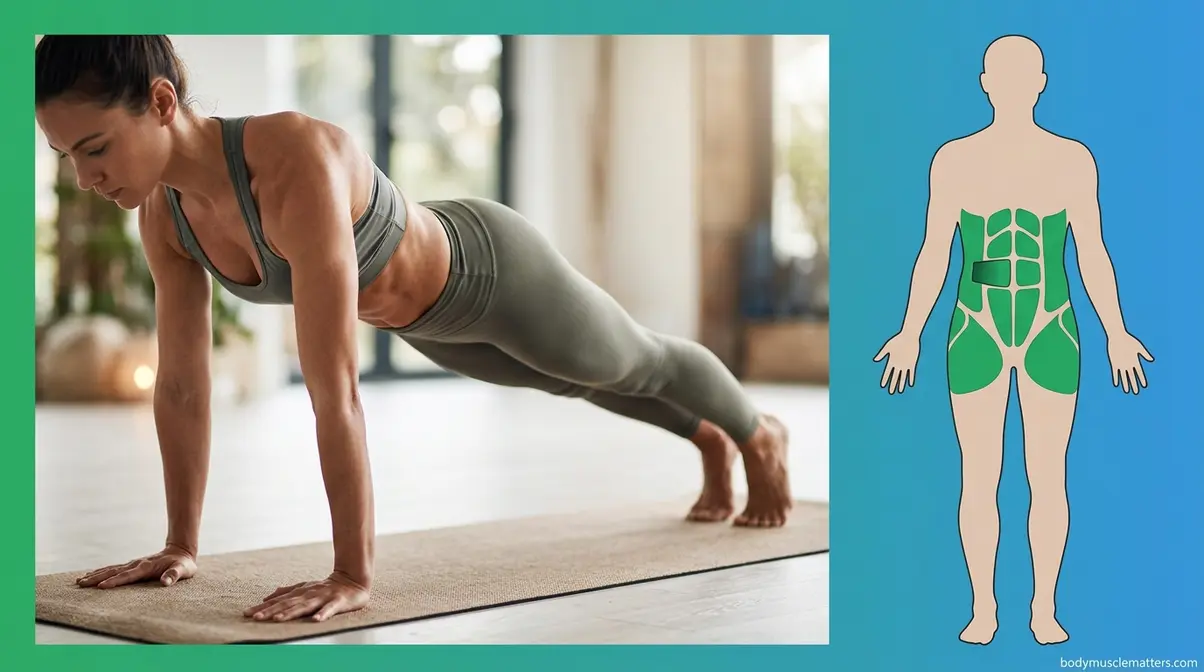
The benefits of yoga for fitness go far beyond flexibility: yoga is a clinically verified full-body fitness protocol. A 12-week intensive yoga program produced measurable body fat reduction and waist circumference loss in a controlled NIH-funded trial (PMC, 2016). That means yoga, practiced consistently, changes body composition — not just how flexible you feel. This is the first pillar of the 4-Pillar Yoga Fitness Framework: Physical Strength. The other three pillars — Cardiovascular Health, Brain Chemistry, and Practice Structure — follow in the sections below.
- Key physical benefits of yoga for fitness:
- Builds functional muscle strength through bodyweight resistance
- Develops core stability for posture and injury prevention
- Reduces belly fat with consistent practice over 8–12 weeks
- Improves cardiovascular endurance without high-impact stress on joints
- Enhances balance and coordination reducing fall and injury risk
- Increases bone density lowering long-term osteoporosis risk
- Boosts metabolic function supporting healthy weight management
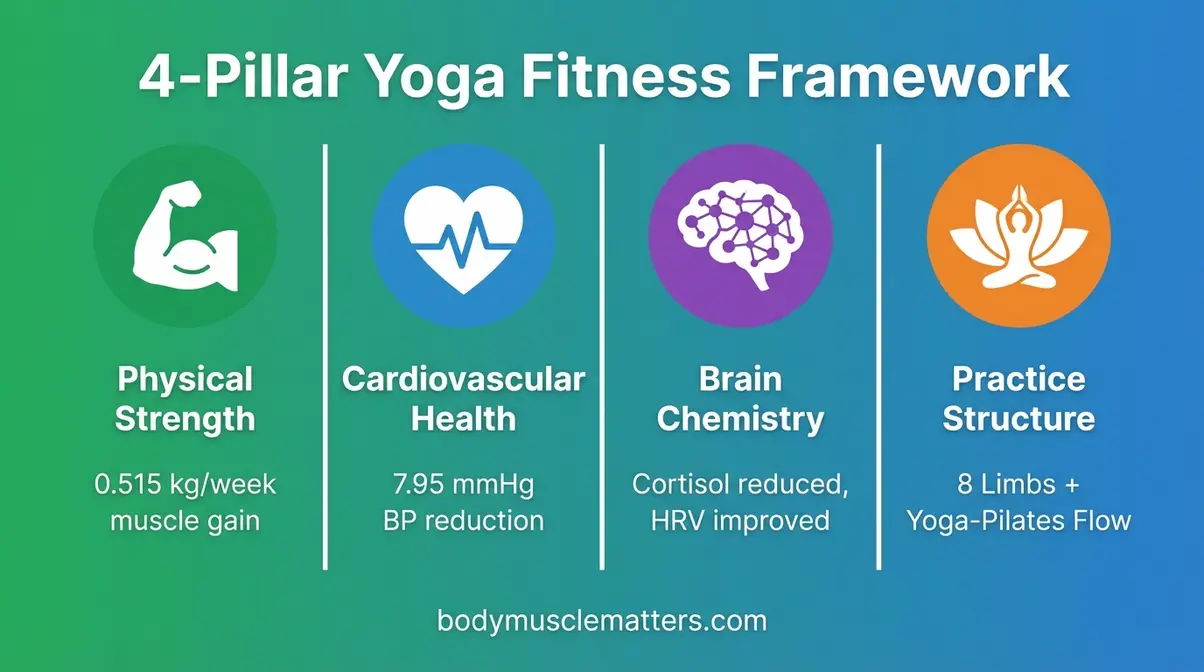
Caption: The 4-Pillar Yoga Fitness Framework maps yoga’s clinically validated fitness domains — each pillar backed by peer-reviewed research.
Why Yoga Qualifies as a Real Full-Body Workout — Not Just Stretching
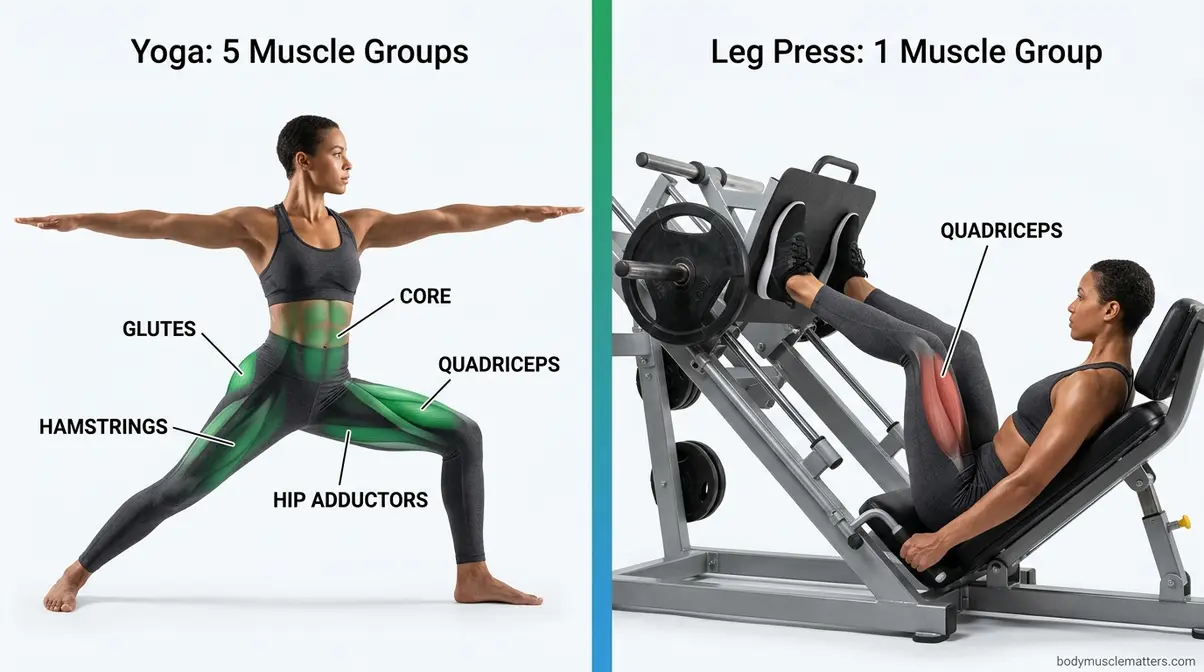
Yoga, a mind-body practice combining physical postures, controlled breathing, and mindfulness training, qualifies as resistance training because poses like Plank, Chaturanga, and Warrior require you to support and move your own body weight against gravity. That is the textbook definition of bodyweight resistance (using your own body weight as the exercise load). You are not stretching passively — you are loading muscles under tension, just as you would with a barbell.
Unlike gym machines that isolate individual muscles, yoga’s compound bodyweight movements activate multiple muscle chains simultaneously. Think of it this way: a leg-press machine targets your quadriceps in isolation. Warrior II, a standing pose that builds lower-body strength through sustained bodyweight loading, recruits your quads, hamstrings, glutes, hip adductors, and core stabilizers at the same time. This is functional movement — mirroring how your body actually moves during daily life. Research from the National Center for Complementary and Integrative Health’s (NCCIH) systematic review of clinical trials confirms that regular yoga practice improves balance, weight control, and overall physical function in ways that isolated machine training cannot fully replicate.
For yoga’s fitness purposes, two styles are most relevant. Hatha yoga (the slow-paced, beginner-appropriate style) emphasizes holding individual asanas — the Sanskrit word for yoga postures — for multiple breath cycles, which is ideal for building stabilizer strength. Vinyasa yoga (a flowing style linking breath to movement, at higher intensity) raises the metabolic demand further. An asana (a yoga pose or posture) held for 30–60 seconds under muscular tension is structurally analogous to an isometric exercise set in any gym program.
Transition: Understanding why yoga qualifies as resistance training raises the natural next question — what does the process look like at the muscle level, and can it build the kind of strength you’d gain in a gym?
How Yoga Builds Strength and Core Stability Through Bodyweight Resistance
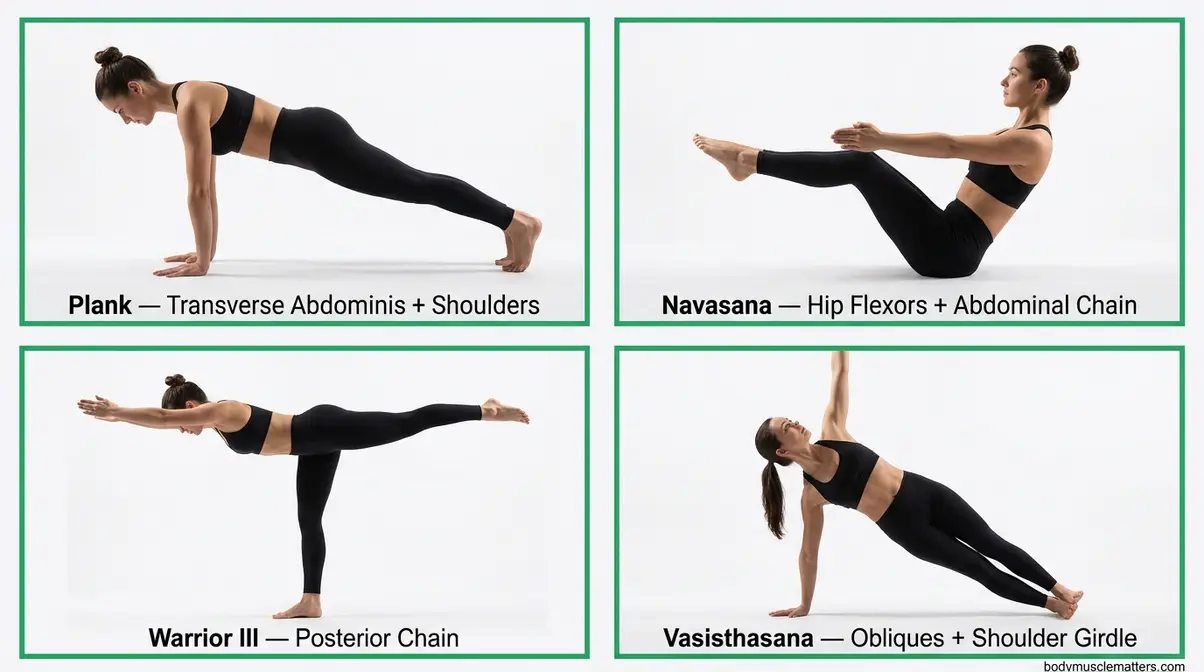
Bodyweight resistance (using your own body weight as the exercise load — the same principle behind push-ups and squats) is the primary fitness mechanism in yoga. Think of yoga poses as precision tools for applying gravitational force to specific muscle groups. The angle of your body relative to gravity determines which muscles work hardest, just as the angle of a dumbbell curl determines which part of your bicep fires.
Core stability — the ability of your abdominal, back, and hip muscles to work together to stabilize your spine — is where yoga delivers some of its most consistent strength results. Four poses do the heavy lifting here:
- Plank pose — engages the transverse abdominis (your deepest abdominal layer), shoulders, and glutes simultaneously. Muscle activation is identical to a traditional gym plank.
- Boat pose (Navasana) — targets hip flexors and the entire anterior abdominal chain; hold time drives intensity.
- Warrior III — a single-leg balance that loads the entire posterior chain (hamstrings, glutes, lower back), building the stabilizer muscles most gym programs neglect.
- Side Plank (Vasisthasana) — isolates the obliques while demanding shoulder girdle stability.
A controlled trial on yoga and BMI reduction confirmed that regular yoga practice leads to measurable BMI reduction, improved glycemic control (blood sugar regulation), and more favorable serum lipid profiles (cholesterol levels in the blood) in overweight individuals (PMC, 2014). Reduction in BMI from a yoga protocol means your body is not just becoming more flexible — it is losing fat mass and gaining lean muscle tissue. For more detail on how these bodyweight mechanics compare to traditional gym training, see our full breakdown of core stability and bodyweight resistance training.
Transition: Strength and core gains are compelling, but many beginners’ most pressing question is more specific — can yoga actually flatten your belly, and if so, over what timeframe?
Can Yoga Flatten Your Belly? The Body Composition Timeline
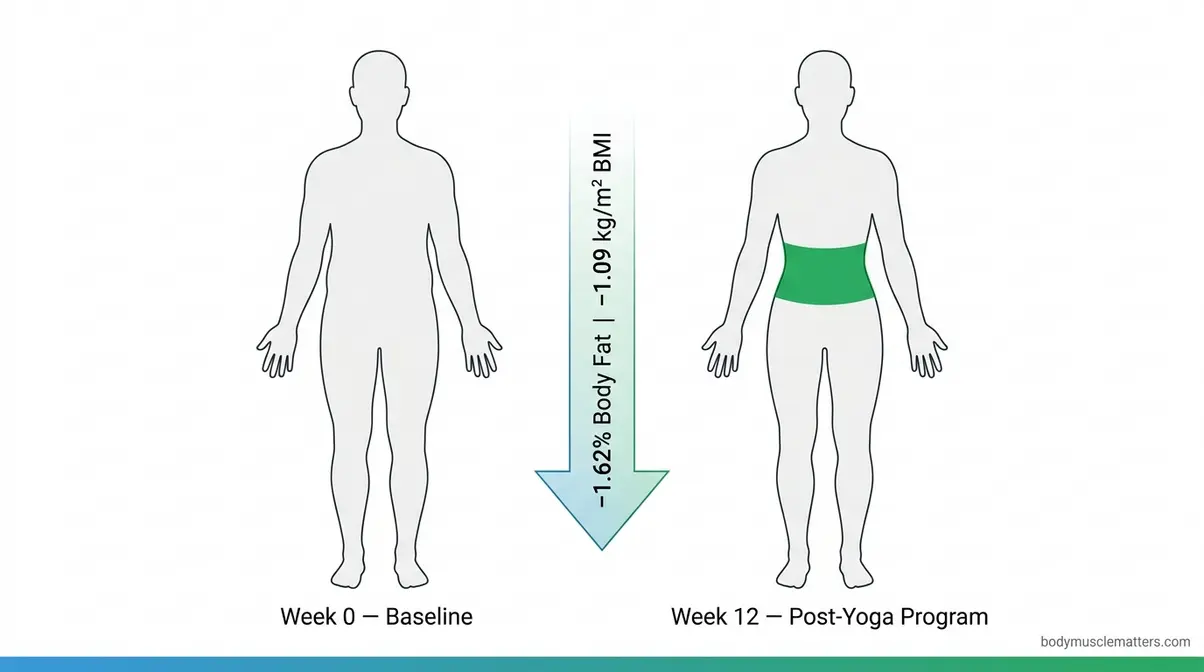
A 12-week intensive yoga intervention produced a statistically significant reduction in waist circumference and overall body fat in women with abdominal obesity, compared to a control group that changed nothing (National Institutes of Health PMC, 2016). That is not a testimonial — it is a peer-reviewed outcome in a controlled setting.
A recent meta-analysis across multiple studies found yoga was associated with a mean decrease of 1.09 kg/m² in BMI and a 1.62% reduction in body fat percentage (PMC, 2025) — a clinically meaningful shift for beginners starting from a sedentary baseline. In populations with obesity, the muscle mass improvement rate reached 0.515 kg per week during weeks 8–12 of a structured program (Semantic Scholar, 2021). Crucially, a recent PMC study found that six weeks of yoga was insufficient for measurable resting metabolic rate or body composition changes in healthy young adults — suggesting that 8–12 weeks at adequate weekly volume is the minimum effective dose.
Here is the timeline research supports:
| Milestone | What Changes | Clinical Evidence |
|---|---|---|
| Week 2–4 | Improved flexibility, reduced muscle soreness, better sleep | Harvard Health, 2015 |
| Week 4–8 | Measurable core strength gains; reduced perceived stress | PMC, 2021 |
| Week 8–12 | Significant BMI reduction, waist circumference loss, body fat decrease | PMC, 2016; PMC, 2025 |
| Week 12+ | Sustained body composition changes; cholesterol and BP improvements | PMC, 2014; PLOS ONE, 2025 |
Practice dose that matters: Harvard Health Publishing’s analysis found that participants who practiced yoga at least twice per week for a total of 180 minutes showed greater muscle strength, endurance, and flexibility compared to controls — making 180 minutes/week the evidence-backed weekly minimum for body composition benefits (Harvard Health, 2015).
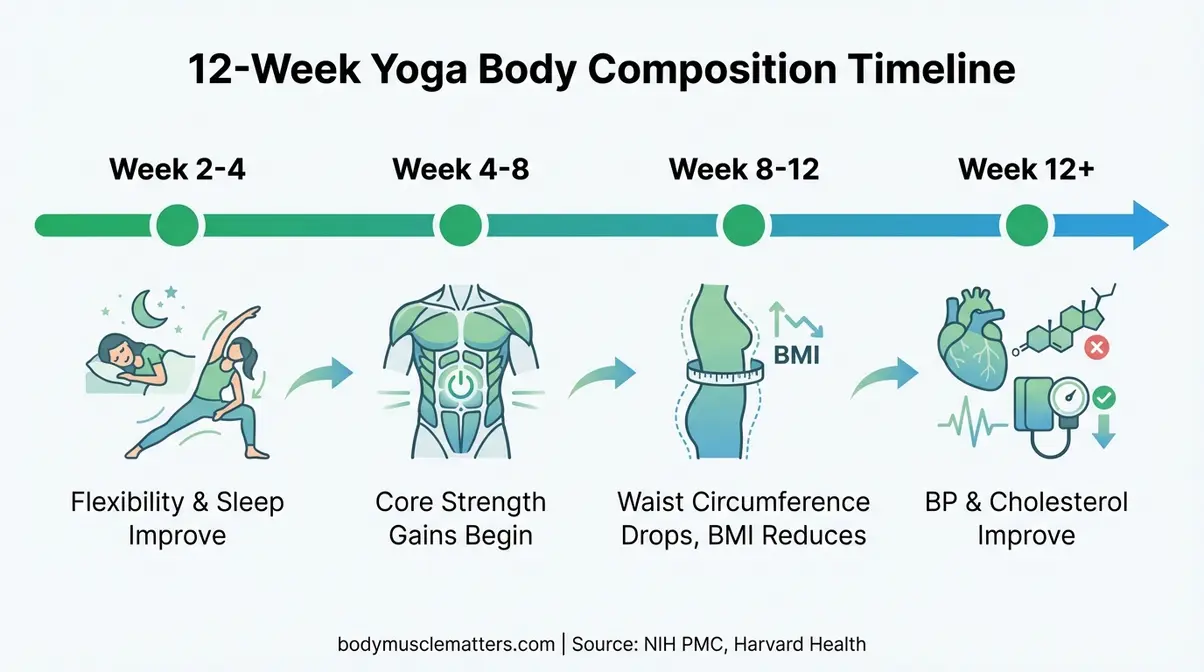
Caption: Research-backed yoga body composition milestones — most measurable changes in waist circumference emerge between weeks 8 and 12 of consistent practice.
Pillar 2: Yoga, Heart Health & Blood Pressure
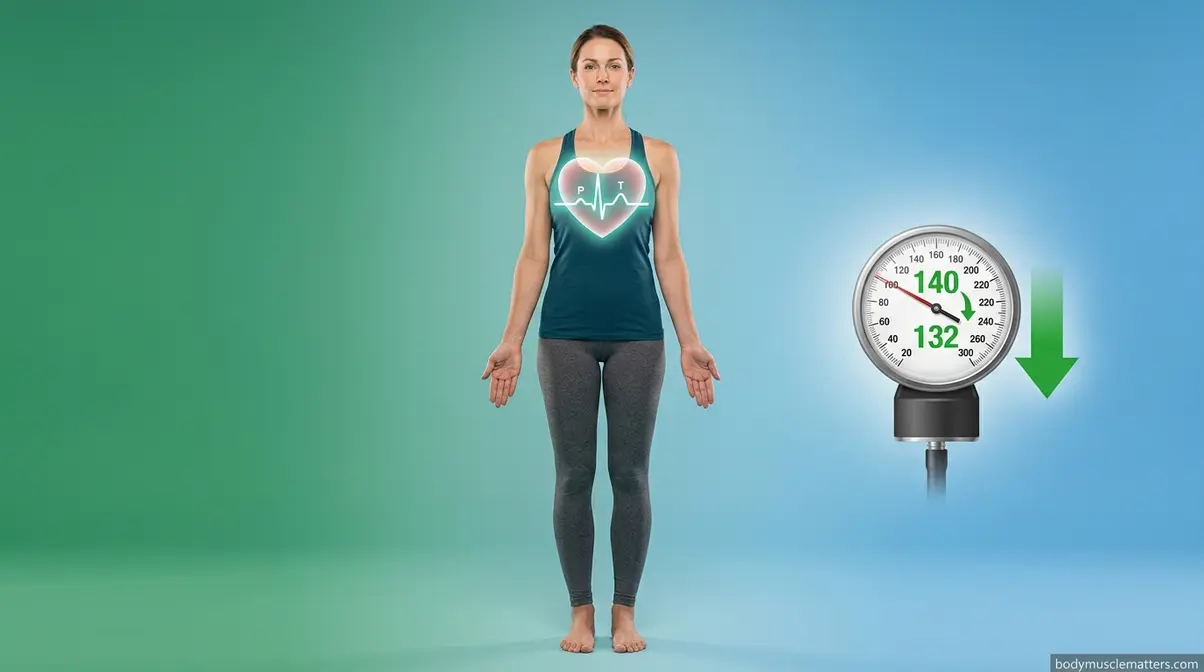
Yoga’s second pillar — Cardiovascular Health — is where the clinical evidence carries the most immediate urgency for the millions of adults managing high blood pressure or elevated cholesterol. Yoga may help reduce systolic blood pressure by up to 7.95 mmHg versus doing nothing — a reduction comparable to many lifestyle interventions physicians recommend before medication. This pillar of the 4-Pillar Yoga Fitness Framework is also where individual medical history matters most. Always consult your physician before beginning any yoga practice if you have a diagnosed cardiovascular condition.
⚠️ Additional Cardiovascular Disclaimer: If you have been diagnosed with hypertension (high blood pressure), heart disease, or have experienced a recent cardiac event, consult your physician before starting any yoga program. Some poses are contraindicated (not recommended) for people with uncontrolled hypertension. See the specific guidance directly below.
How Yoga Lowers Blood Pressure: The Clinical Evidence
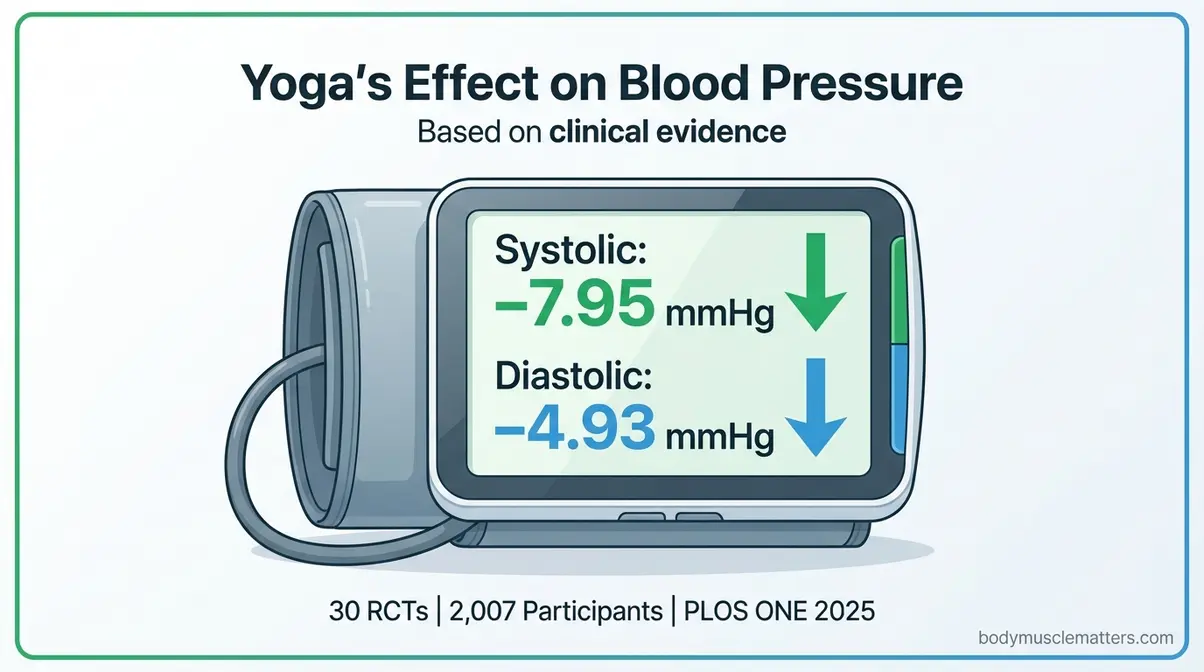
A 2025 systematic review and meta-analysis of 30 randomized controlled trials involving 2,007 participants found that yoga reduced systolic blood pressure (SBP — the top number in a blood pressure reading) by -7.95 mmHg (95% CI: -10.24 to -5.66, p<0.01) and diastolic blood pressure (DBP — the bottom number) by -4.93 mmHg (95% CI: -6.25 to -3.60, p<0.01) compared to waitlist controls (PLOS ONE, 2025). Heart rate also decreased by -4.43 beats per minute. When compared to active exercise controls — people doing other forms of structured exercise — yoga’s advantage narrowed (SBP -4.16 mmHg; DBP -1.88 mmHg), which suggests yoga is most powerful relative to inactivity, not relative to other exercise.
Yoga may be an option for managing blood pressure in people with prehypertension to hypertension — this is the conclusion of the 2025 meta-analysis authors (PLOS ONE, 2025). Research consistently suggests that the blood pressure benefit is driven by two mechanisms: parasympathetic nervous system activation (explained in Pillar 3) and reduced circulating cortisol (the primary stress hormone). A 2025 University of Bristol analysis of relaxation techniques, including yoga, confirmed short-term blood pressure benefits, while noting that longer-term effects require further study. The practical implication: yoga is a meaningful addition to a cardiovascular health routine, particularly for sedentary adults with borderline-high readings. For a deeper look at how yoga interacts with hypertension and cholesterol management as a combined lifestyle strategy, see our dedicated guide on yoga for hypertension and cholesterol.
Which Yoga Styles and Poses Are Safe for High Blood Pressure
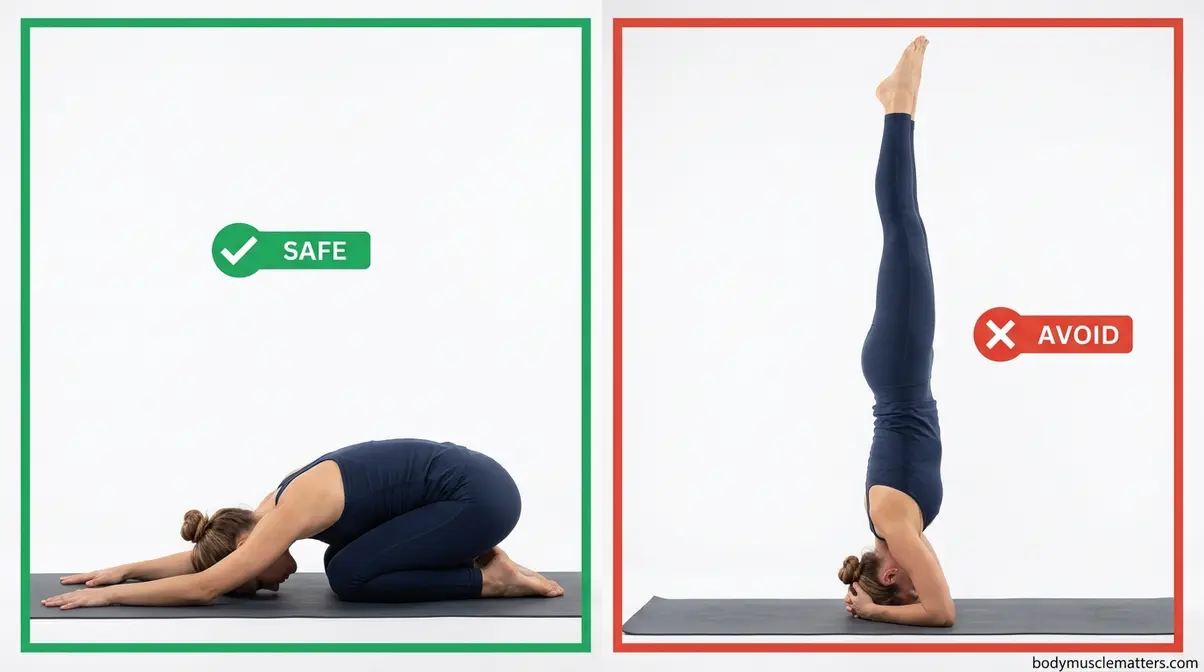
Not all yoga poses are equally safe for people with hypertension. The core rule: avoid inversions (poses where your head goes below your heart) and intense breath-holding (Kumbhaka pranayama) if your blood pressure is uncontrolled.
- Safe for most people with high BP (with physician clearance):
- Mountain Pose (Tadasana) — a standing, grounding pose with no cardiovascular strain
- Child’s Pose (Balasana) — a resting forward fold; mild inversion but gentle
- Corpse Pose (Savasana) — lying flat; the most restorative pose in any sequence
- Seated Forward Bend (Paschimottanasana) — gentle, calming, avoids head-below-heart positioning
- Cat-Cow (Marjaryasana-Bitilasana) — gentle spinal mobility; no cardiovascular demand
Poses to avoid with uncontrolled hypertension:
| Pose | Risk | Why |
|---|---|---|
| Headstand (Sirsasana) | HIGH | Inverts blood flow to the brain; dangerous if BP uncontrolled |
| Shoulderstand (Sarvangasana) | HIGH | Full inversion; spikes intracranial pressure |
| Legs-Up-The-Wall (Viparita Karani) | MODERATE | Partial inversion; caution advised |
| Intense breath retention | HIGH | Valsalva effect increases BP acutely |
| Vigorous Vinyasa / Hot Yoga | MODERATE | Heat + intensity combination; not ideal for unmanaged hypertension |
Best yoga style for blood pressure: Hatha yoga — the slow-paced style focusing on held poses and breathwork — shows the most consistent blood pressure reduction in clinical trials. Its slow pace avoids abrupt cardiovascular demands, and the breath-synchronization component directly trains parasympathetic activation.
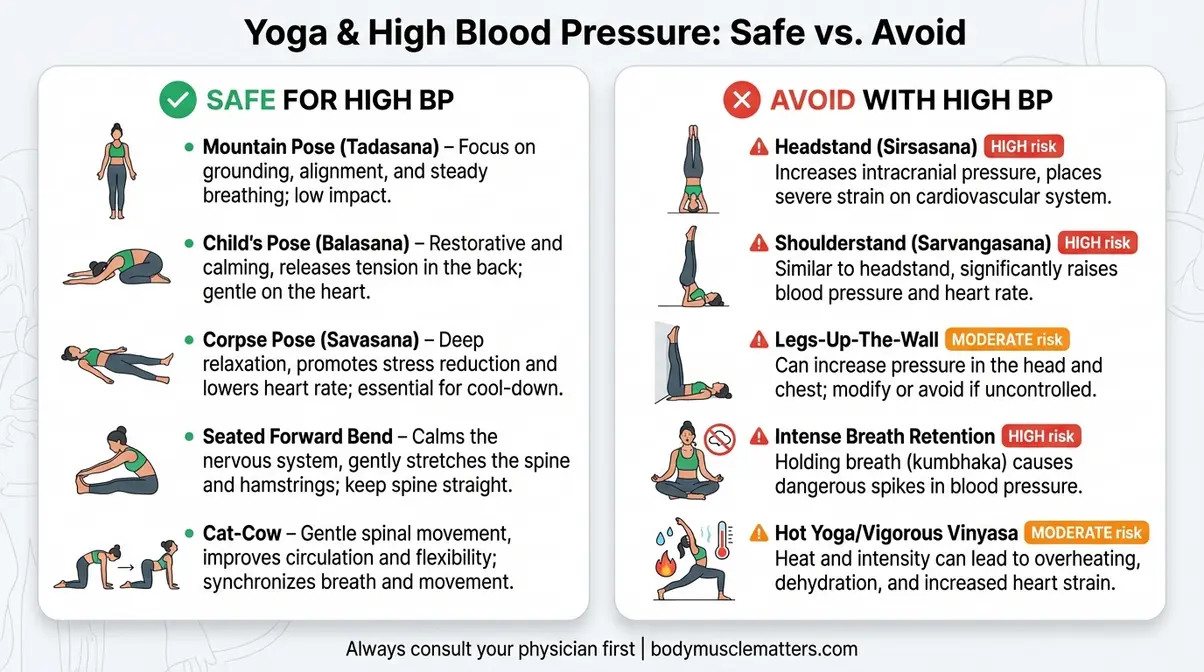
Caption: For people with high blood pressure, pose selection determines whether yoga helps or harms. Inversions and breath-holding carry the highest risk.
Is Yoga Good for High Cholesterol? What the Research Shows
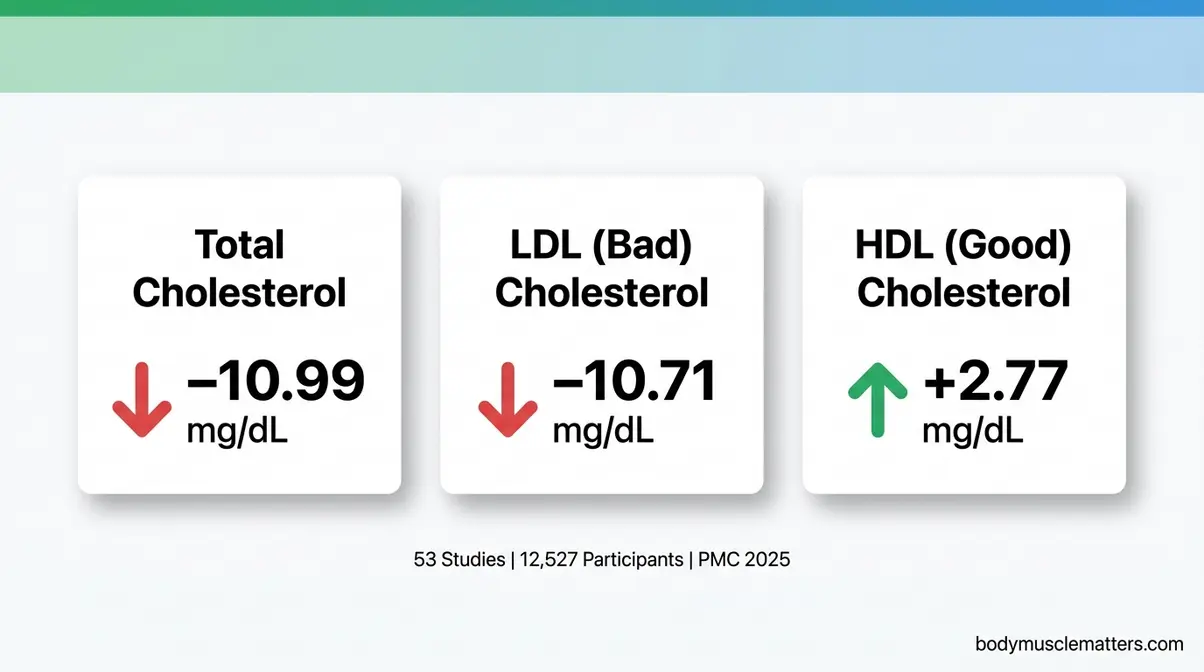
A comprehensive meta-analysis of 53 studies involving 12,527 participants found that yoga significantly reduced total cholesterol (TC) by -10.99 mg/dL and LDL cholesterol (low-density lipoprotein — the “bad” cholesterol associated with arterial plaque) by -10.71 mg/dL versus controls, while increasing HDL cholesterol (high-density lipoprotein — the protective “good” cholesterol) by 2.77 mg/dL (PMC, 2025 — Significance of Yoga for the Management of Dyslipidemia). A separate controlled 12-week trial confirmed these findings, with total cholesterol dropping from 210.6 to 189.4 mg/dL and LDL falling from 132.8 to 115.3 mg/dL (p<0.01) (ICR Heart, 2025).
Yoga may help manage cholesterol levels — but it is not a replacement for medication in diagnosed dyslipidemia (abnormal cholesterol levels). For most people with borderline-elevated cholesterol, evidence indicates yoga is a meaningful lifestyle intervention alongside dietary changes. The mechanism is partially metabolic: yoga practice increases insulin sensitivity (the body’s ability to use blood sugar efficiently) and reduces systemic inflammation, both of which influence lipid metabolism. Research suggests yoga is less effective for cholesterol than it is for aerobic exercise — but it offers the additional benefits of stress reduction and cortisol management that most cardio programs do not.
Pillar 3: The Brain and Body Science Behind Yoga
Skeptics often frame yoga’s mental health benefits as anecdotal or vague. The third pillar of the 4-Pillar Yoga Fitness Framework — Brain Chemistry — addresses this directly with measurable neurological and hormonal data. Yoga produces quantifiable changes in your brain chemistry: reduced cortisol, altered EEG brain-wave patterns, and cellular-level heat stress adaptation. These are not wellness platitudes — they are documented physiological responses measured in controlled settings.
How Yoga Activates the Parasympathetic Nervous System
Your autonomic nervous system has two operating modes. The sympathetic mode (“fight-or-flight”) is activated by stress, physical danger, or anxiety — it raises heart rate, releases cortisol, and diverts blood to large muscles. The parasympathetic nervous system (your body’s built-in rest-and-digest mode) does the opposite: it slows heart rate, lowers blood pressure, stimulates digestion, and restores the body to homeostasis (internal balance). Modern chronic stress keeps most people running in sympathetic overdrive — and yoga is one of the most evidence-supported tools for shifting that balance.
A 2024 systematic review published in PMC analyzed biosignals — EEG (brainwave measurements), ECG (heart rhythms), and EMG (muscle electrical activity) — across yoga intervention studies (PMC, 2024). The findings showed that yoga practice produces measurable increases in alpha and theta brain waves (associated with relaxed alertness and calm states) and decreases in beta waves (associated with active stress processing). Heart rate variability (HRV — a direct measure of parasympathetic activity) improved significantly. These are not subjective reports — they are electrical signals measured on the scalp and chest.
The practical fitness consequence: parasympathetic activation after yoga sessions accelerates recovery. Lower cortisol means less muscle-wasting inflammation between workouts. Improved HRV means your cardiovascular system adapts more efficiently to training stress. Yoga’s parasympathetic benefits make it a clinically relevant recovery tool — not just a wellness addition — to any fitness program. To explore the full science of how yoga modulates the autonomic nervous system and hormonal pathways, see our in-depth resource on parasympathetic activation and hormones.
Cortisol, Stress Hormones, and Hormonal Balance
Cortisol is your body’s primary stress hormone. Short-term cortisol spikes are healthy and normal. Chronically elevated cortisol — the kind produced by relentless work pressure, poor sleep, or emotional stress — promotes fat storage (especially abdominal fat), impairs immune function, disrupts sleep quality, and accelerates cellular aging. This is where yoga’s hormonal balance effects become directly relevant to fitness outcomes.
A 2024 study published in Frontiers in Public Health found that yoga significantly reduced salivary cortisol — the form of cortisol measured during both waking hours and sleep — providing measurable evidence of hormonal regulation (Frontiers in Public Health, 2024). A separate 2025 PMC analysis of Yoga Nidra (a guided relaxation form of yoga) found an estimated cortisol reduction of -23.45 units over two months compared to controls, along with a steeper diurnal cortisol slope — meaning the body’s natural cortisol rhythm (high in the morning, low at night) was restored toward a healthier pattern (PMC, 2025).
Three 2024 studies reviewed by Psychology Today found that yoga significantly reduced stress scores, anxiety, and depression across multiple validated psychological measures — with effects maintained at follow-up assessments (Psychology Today, 2024). A 10-week yoga intervention study published in PMC confirmed significant improvements in quality of sleep, emotional regulation, and overall quality of life among medical students — a population with objectively high cortisol load (PMC, 2025). The compound effect of hormonal balance from consistent yoga practice is improved sleep quality, reduced abdominal fat storage, and more sustainable energy throughout the day — all of which directly support your fitness goals.
Hot Yoga and Heat Shock Proteins: Cellular-Level Fitness
Hot yoga (yoga practiced in a room heated to approximately 38–40°C / 100–104°F) produces a specific cellular adaptation that standard yoga does not: the upregulation of Heat Shock Proteins (HSPs) — specialized molecular chaperones (proteins that assist other proteins in folding correctly) that protect cells from heat and stress damage.
A 2021 PMC study compared hot yoga and non-heated yoga practitioners across 12 sessions (PMC, 2021). The hot yoga group showed 23% higher intracellular HSP70 expression in peripheral blood mononuclear cells (immune system cells) compared to the non-heated group. HSP70 is a key protein that prevents cellular misfolding — a process implicated in muscular aging, metabolic decline, and inflammatory disease. A 2025 systematic review confirmed that chronic hot yoga practice elicits thermotolerance (cellular heat adaptation) via HSP upregulation alongside cardiometabolic improvements including improved body composition and increased VO2 max (maximum oxygen uptake — the gold standard measure of cardiovascular fitness) (PMC, 2025).
Hot yoga’s 23% HSP70 advantage means your cells become more resilient at the molecular level — an anti-aging effect absent from non-heated yoga and most conventional gym programs. A landmark 2023 Harvard Gazette-reported clinical trial found that heated yoga reduced depression symptoms by 50% and placed 44% of participants in clinical remission — an additional brain chemistry benefit of the heat component (Harvard Gazette, 2023).
Important caveat: Hot yoga is not appropriate for people with uncontrolled hypertension, cardiovascular disease, or heat sensitivity. The heat-and-intensity combination can spike blood pressure acutely. If you are in the high-BP category, standard Hatha yoga is your clinically supported starting point.
Pillar 4: How to Start Yoga the Right Way
The fourth pillar of the 4-Pillar Yoga Fitness Framework — Practice Structure — is where the evidence translates into your personal routine. Knowing that yoga works is not enough; knowing how to structure it determines whether you get the clinical benefits or drift through sessions without measurable progress.
The 8 Rules of Yoga Every Beginner Should Know
Yoga’s foundational structure comes from the 8 Limbs of Yoga, first codified by the sage Patanjali in the Yoga Sutras. For fitness beginners, the first four limbs are most immediately actionable. You can explore the complete framework in our dedicated guide to the 8 rules of yoga framework:
- Yamas (ethical principles): Non-harming, truthfulness, non-stealing, moderation, non-attachment. For fitness: practice without ego — the person who can’t touch their toes benefits equally from yoga as the person who can do a full split.
- Niyamas (self-discipline practices): Cleanliness, contentment, self-study, discipline, and surrender to the process. For fitness: consistency matters more than intensity. Three 60-minute sessions per week outperforms one intense session followed by a week of soreness.
- Asana (physical postures): The poses themselves. Start with foundational asanas: Mountain Pose (Tadasana), Child’s Pose (Balasana), Downward-Facing Dog (Adho Mukha Svanasana), and Warrior I. Build from these before attempting balance or inversion poses.
- Pranayama (breath control): Controlled breathing is not optional — it is the mechanism that drives parasympathetic activation. Ujjayi breath (slow inhalation and exhalation through the nose, creating a gentle oceanic sound at the back of the throat) is the beginner standard. Every pose is synchronized with breath.
- Pratyahara (sense withdrawal): Turning attention inward during practice. For beginners: close your eyes in seated poses to eliminate visual distraction.
- Dharana (concentration): Sustained mental focus on a single point — a drishti (gaze point), a breath count, or a body sensation.
- Dhyana (meditation): The flow state that emerges from sustained concentration. Most beginners experience this briefly in Savasana (Corpse Pose, the final resting pose).
- Samadhi (integration/enlightenment): The deepest state of meditative absorption — not a beginner goal, but understanding it contextualizes why yoga is a complete mind-body system, not just exercise.
The practical fitness application of the 8 limbs: Limbs 1–4 are your daily practice targets. Limb 3 (asana) provides the physical workout. Limbs 1, 2, and 4 build the consistency and breathing habits that make the physical workout effective.
Combining Yoga with Pilates for a Hybrid Fitness Routine
Yoga-Pilates Flow — the practice of alternating or integrating yoga postures with Pilates core-activation sequences — represents one of the most effective hybrid fitness approaches for beginners who want both flexibility and functional strength development. The two disciplines are deeply complementary: yoga emphasizes full-body mobility, parasympathetic regulation, and breath-movement synchronization; Pilates emphasizes precise core control, spinal alignment, and muscular endurance.
A PMC study found that both Pilates and yoga groups demonstrated significantly higher engagement in health-promoting behaviors — nutrition, physical activity, stress management, and interpersonal relationships — compared to control groups after an 8-week program (PMC, 2021). A 2025 analysis noted that Pilates produced a 35% improvement in proprioception (your body’s sense of its own position in space) and a 21% reduction in injury risk compared to controls (Athletica, 2025) — benefits that compound directly with yoga’s balance and stabilizer-strength gains.
Hatha yoga carries a MET (Metabolic Equivalent of Task — a standard measure of exercise energy expenditure) value of approximately 2.5, placing it in the light-to-moderate intensity range — equivalent to a leisurely walk. Vinyasa yoga reaches 4.0–5.0 MET (moderate intensity, equivalent to brisk walking or light cycling). A Yoga-Pilates Flow session combining Vinyasa transitions with Pilates mat sequences reaches the 4.5–5.5 MET range — enough to meaningfully contribute to the 150–300 minutes per week of moderate-intensity physical activity recommended by major health bodies.
For beginners: Start with two Hatha yoga sessions and one Pilates session per week. After 8 weeks, introduce Vinyasa elements into one Hatha session. This progression gives your connective tissue time to adapt while building the core stability that protects you in more demanding movement.
Your Results Timeline: How Long Until Yoga Changes Your Body?
Evidence-based fitness planning requires honest timelines. Clinical research paints a clear picture:
| Timeline | Realistic Change | Evidence Source |
|---|---|---|
| Week 1–2 | Reduced muscle tension, improved sleep onset | PMC, 2025 |
| Week 2–4 | Greater flexibility, lower perceived stress | Harvard Health, 2015 |
| Week 4–8 | Measurable core strength gains, HRV improvement | PMC, 2024 |
| Week 8–12 | Significant BMI/waist circumference reduction; BP changes | PMC, 2016; PLOS ONE, 2025 |
| Week 12+ | Cholesterol improvement; sustained hormonal balance; HSP upregulation | PMC, 2025; ICR Heart, 2025 |
The minimum effective dose: 180 minutes per week (Harvard Health, 2015) — achievable with three 60-minute sessions or six 30-minute sessions. A recent PMC study confirmed six weeks is insufficient for body composition changes in healthy adults; plan an 8–12 week commitment before evaluating your physical results.
What changes fastest: Sleep quality, stress levels, and flexibility improve first — often within two weeks. Body composition changes require 8–12 weeks minimum. These are not arbitrary timelines — they reflect the speed at which your nervous system adapts (fast) versus the speed at which fat metabolism and muscle protein synthesis measurably shift body composition (slow). Setting realistic expectations prevents early dropout, which is the single largest barrier to yoga’s fitness benefits.
Limitations, Mistakes & When to Seek Help
Balanced evidence-based guidance requires honest acknowledgment of where yoga falls short, where beginners go wrong, and when professional consultation is not optional.
Common Mistakes Beginners Make (and How to Avoid Them)
Mistake 1: Forcing range of motion before building stability. Hypermobility without strength is a injury mechanism, not a fitness achievement. If you can easily touch your toes but your hips wobble in Warrior III, your stabilizer muscles are underdeveloped. Fix: Hold poses for stability before pushing for depth. Mild discomfort is expected; sharp or joint pain is a stop signal.
Mistake 2: Skipping Savasana. The final resting pose is where parasympathetic consolidation occurs — it is not optional. Clinical research on yoga’s cortisol-reduction effects consistently includes the full sequence including Savasana. Cutting it short eliminates a measurable physiological benefit.
Mistake 3: Progressing to advanced poses too quickly. Headstands and full Wheel Pose (Urdhva Dhanurasana — a full backbend) require months of preparatory strength. Attempting them without foundation is the most common source of yoga-related neck and lower back injuries.
Mistake 4: Treating every session as high-intensity. Yoga’s hormonal balance benefits emerge from consistent moderate-intensity practice, not from occasional extreme effort. Two moderate Hatha sessions per week outperform one punishing Vinyasa class followed by a week of soreness.
Mistake 5: Ignoring breath synchronization. Breath is the mechanism — not the background. If your breathing becomes strained or irregular in a pose, the pose is too demanding at your current level. Scale back.
When Yoga Isn’t the Best Fitness Choice
Yoga is not the optimal primary fitness strategy in every scenario. Here is when a different approach makes more sense:
- Primary goal is maximum cardiovascular conditioning: A 2025 systematic review confirmed yoga does not match traditional cardiovascular exercise (running, cycling, swimming) for improving vascular function and VO2 max (Science Daily, 2025). If cardiovascular fitness is your primary goal, yoga is best used as a complement to aerobic training — not a replacement.
- Primary goal is maximum hypertrophy (muscle size): Yoga builds functional strength and lean tissue, but progressive overload with external resistance (barbells, cables, machines) produces faster and larger muscle mass gains. Yoga is ideal as a recovery and mobility complement to a resistance training program.
- Acute injury requiring medical treatment: Yoga is a fitness and wellness practice, not a rehabilitation tool. Active injuries — herniated discs, torn ligaments, stress fractures — require physician evaluation and physiotherapy before returning to any yoga practice.
When to See a Doctor Before Starting Yoga
Consult your physician before beginning any yoga program — particularly Hatha or Vinyasa — if you have any of the following:
- Uncontrolled hypertension (blood pressure above 140/90 mmHg consistently)
- History of heart disease or recent cardiac event — inversions and breath-holding are contraindicated
- Osteoporosis — weight-bearing poses must be modified to avoid fracture risk
- Glaucoma — inversions increase intraocular pressure and are contraindicated
- Recent surgery — wound integrity and tissue healing must be confirmed by a surgeon
- Pregnancy (second or third trimester) — specialized prenatal yoga modifications are required
The National Center for Complementary and Integrative Health notes that yoga is generally considered safe for healthy adults when practiced under appropriate guidance. The risks emerge primarily from inappropriate intensity, contraindicated poses, or proceeding without medical clearance when a relevant condition exists.
Frequently Asked Questions
Several of the questions below are also explored in depth within the body sections above — particularly in Pillar 1 (body composition and belly fat) and Pillar 2 (blood pressure and cholesterol). The answers here provide concise, standalone summaries optimized for quick reference.
Why is yoga important for fitness?
Yoga is important for fitness because it builds strength, improves cardiovascular markers, and restores hormonal balance simultaneously — no other single fitness modality does all three. It uses bodyweight resistance to develop functional muscle strength across compound movement patterns. It activates the parasympathetic nervous system, measurably reducing cortisol. A 2025 meta-analysis of 30 clinical trials found yoga reduces systolic blood pressure by up to 7.95 mmHg (PLOS ONE, 2025). For beginners, it provides a lower injury risk than high-impact training while delivering measurable body composition changes in 8–12 weeks.
What type of yoga is best for blood pressure?
Hatha yoga is the best-supported style for blood pressure reduction based on peer-reviewed clinical evidence. Its slow, breath-synchronized poses directly activate the parasympathetic nervous system — the mechanism behind yoga’s BP benefits. A 2025 meta-analysis found systolic BP reductions of up to 7.95 mmHg in yoga practitioners versus inactive controls (PLOS ONE, 2025). Avoid vigorous Vinyasa, Power Yoga, and Hot Yoga if your blood pressure is uncontrolled — their cardiovascular intensity and heat demands may spike BP acutely. Always confirm with your physician first.
Can yoga flatten your belly?
Yes — consistent yoga practice is clinically associated with reductions in waist circumference and abdominal body fat, though timeline matters. A 12-week controlled NIH-funded trial found statistically significant waist circumference reduction in women with abdominal obesity practicing intensive yoga versus a control group (PMC, 2016). A recent meta-analysis confirmed a mean 1.62% reduction in body fat percentage across multiple studies. Results require minimum 8–12 weeks at approximately 180 minutes per week — a 6-week program is insufficient based on recent PMC research.
Is yoga good for high cholesterol?
Yes — research supports yoga as a meaningful lifestyle intervention for elevated cholesterol. A meta-analysis of 53 studies with 12,527 participants found yoga reduced total cholesterol by -10.99 mg/dL and LDL (“bad”) cholesterol by -10.71 mg/dL while raising HDL (“good”) cholesterol by 2.77 mg/dL (PMC, 2025). A separate 12-week trial reduced total cholesterol from 210.6 to 189.4 mg/dL (ICR Heart, 2025). Yoga is less effective than aerobic exercise for lipid management but adds cortisol-reduction benefits that complement dietary and medication strategies.
What are the 5 main benefits of yoga?
The five most clinically documented benefits of yoga for fitness are: (1) Strength development via bodyweight resistance — 0.515 kg/week muscle improvement in clinical trials; (2) Blood pressure reduction — systolic BP drops by up to 7.95 mmHg versus inactive controls (PLOS ONE, 2025); (3) Cortisol reduction — measurable salivary cortisol decreases confirmed in 2024–2025 studies; (4) Body composition improvement — 1.09 kg/m² mean BMI reduction and 1.62% body fat reduction across meta-analyses; (5) Brain health protection — research suggests yoga may help preserve brain structure against cognitive decline (American Heart Association, 2025).
What are the 8 rules of yoga?
The 8 rules of yoga come from Patanjali’s 8 Limbs: Yamas (ethical conduct), Niyamas (self-discipline), Asana (poses), Pranayama (breath control), Pratyahara (sense withdrawal), Dharana (concentration), Dhyana (meditation), and Samadhi (integration). For fitness beginners, the most actionable limbs are Asana (the physical postures that build strength and flexibility) and Pranayama (the breathwork that activates the parasympathetic nervous system). Consistency across these first four limbs — practiced three times per week for at least 8 weeks — produces the measurable fitness outcomes documented in clinical research.
Which yoga should I avoid with high blood pressure?
Avoid inversions, intense breath retention, and vigorous heat-based yoga if you have uncontrolled high blood pressure. Specifically contraindicated: Headstand (Sirsasana), Shoulderstand (Sarvangasana), Power Vinyasa, Bikram/Hot Yoga (in uncontrolled hypertension), and any pranayama involving Kumbhaka (breath-holding). These poses acutely spike intracranial pressure or cardiovascular demand in ways that may be dangerous. Safe alternatives: Mountain Pose, Child’s Pose, Seated Forward Bend, Corpse Pose, and Cat-Cow. A 2025 meta-analysis confirmed Hatha yoga as the evidence-backed style for hypertensive populations (PLOS ONE, 2025).
Which asana is not good for hypertension?
The asana (yoga pose) most clearly contraindicated for people with hypertension is Headstand (Sirsasana), followed by Shoulderstand (Sarvangasana) and any full inversion that places the head below the heart for extended periods. These poses acutely increase intracranial (inside-the-skull) pressure and can dangerously elevate blood pressure in people with unmanaged hypertension. Kumbhaka pranayama (breath retention) carries similar risks via the Valsalva mechanism. If you have high blood pressure — controlled or uncontrolled — consult your physician before attempting any inversion or advanced breathing technique.
Conclusion
The evidence is not ambiguous: yoga is a clinically validated fitness protocol, not a stretching class. Across the 4-Pillar Yoga Fitness Framework, clinical trials document strength gains at 0.515 kg/week in structured programs, blood pressure reductions of up to 7.95 mmHg systolic, cortisol reductions measurable in saliva, and cellular-level HSP70 upregulation from hot yoga practice — all within 8–12 weeks of consistent, correctly dosed practice at approximately 180 minutes per week (Harvard Health, 2015; PLOS ONE, 2025; PMC, 2025).
The 4-Pillar Yoga Fitness Framework exists to answer the skeptic’s honest question directly: yoga works, it works via specific and measurable mechanisms, and the research now tells you exactly how long to wait before expecting results. Physical strength comes first through bodyweight resistance and core stability. Cardiovascular benefits — blood pressure, cholesterol — emerge at 8–12 weeks with Hatha yoga as the evidence-supported style. Brain chemistry shifts — cortisol, HRV, parasympathetic tone — begin within the first few sessions and compound over time. Practice structure, grounded in Patanjali’s 8 Limbs and enhanced by Yoga-Pilates Flow, determines whether those benefits are consistent or sporadic.
Your next step is concrete: commit to 3 sessions per week for 8 weeks at 60 minutes each. That is the minimum effective dose the research supports. Choose Hatha yoga if you have any cardiovascular concerns — get physician clearance first if blood pressure or heart history is relevant to you. If you are starting from a healthy baseline, a Yoga-Pilates Flow approach will build the broadest fitness foundation fastest. Ready to go deeper? Explore our full library of evidence-based guides at bodymusclematters.com — including dedicated resources on bodyweight resistance training, parasympathetic activation, and the complete 8 Limbs framework.