How Fast to Lose Fat: Safe Rate, Timeline & Science
You don’t need to suffer through a crash diet to lose fat fast — you need four specific levers, applied in the right order. If you’ve tried cutting calories, watched the scale drop for two weeks, and then hit a wall that felt impossible to break through, that’s not a personal failure. That’s metabolic adaptation — your body’s built-in defense against calorie restriction — and it’s the hidden variable most fat-loss guides never explain. By the end of this guide, you will know exactly how fast to lose fat safely, which methods actually work, and how to read your body’s signals.
Our team analyzed five top-ranking competitor articles on how to lose fat fast and found a consistent gap: none explain the physiological signs that fat burning has actually begun, none provide the exact weekly threshold to preserve muscle while losing fat quickly, and none give you a unified framework that holds up across every sub-question you’ll encounter. This guide fills all three gaps. By the end, you’ll know exactly how fast you can safely lose fat, which combination of methods accelerates results, and how to read your body’s own signals that it’s working — using The 4 Pillars of Sustainable Fat Loss as your organizing framework.
⚠️ Medical Disclaimer: The information in this article is for educational purposes only and is not a substitute for professional medical advice, diagnosis, or treatment. Always consult a qualified healthcare provider before making significant changes to your diet or exercise routine, particularly if you have a pre-existing medical condition.
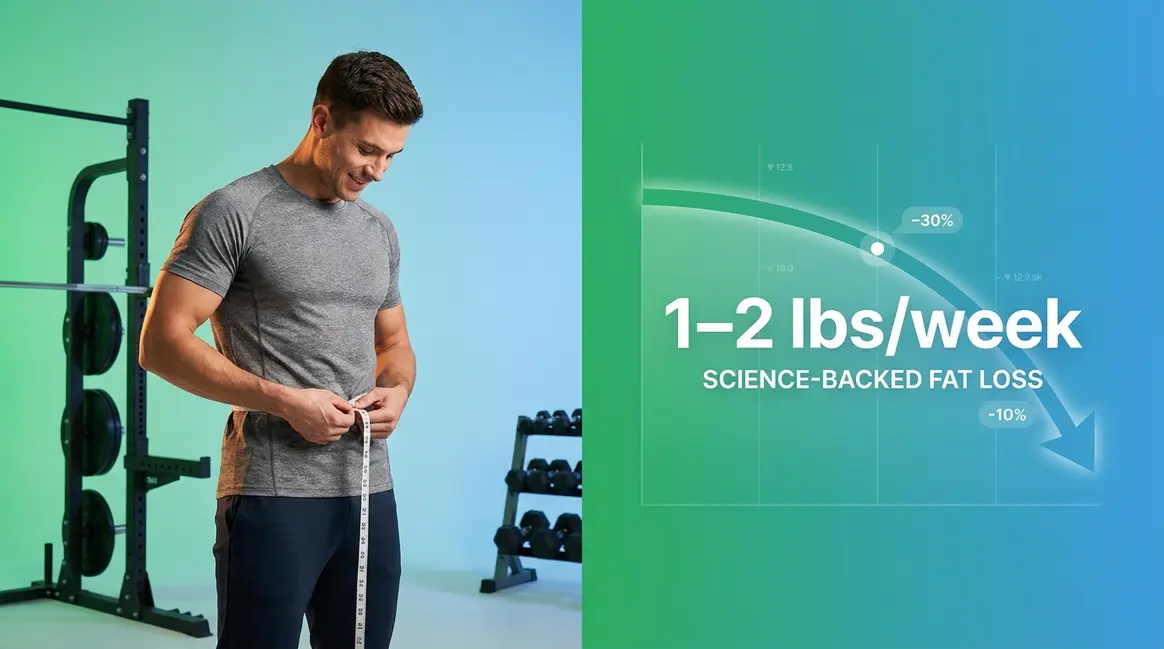
Wondering how fast to lose fat? Safe fat loss is 1–2 pounds per week — a 500–1,000 calorie daily deficit — according to the CDC (2026).
- The safe rate: Limit loss to 0.5–1.0% of body weight per week to preserve muscle mass and avoid metabolic slowdown.
- True fat loss begins: 2–4 weeks into a consistent deficit, after initial water weight drops in week one.
- The 4 Pillars: Caloric Deficit + Protein + Strength Training + Lifestyle drive 90% of durable fat-loss results.
- Signs it’s working: Looser clothes, visible muscle definition, and consistent 1–2 lb/week loss after week two.
- Crash diets backfire: Losing >2 lbs/week triggers metabolic adaptation, slowing your resting metabolic rate long-term.
Table of Contents
Science of Fat Loss & The 4 Pillars {#h2-science}
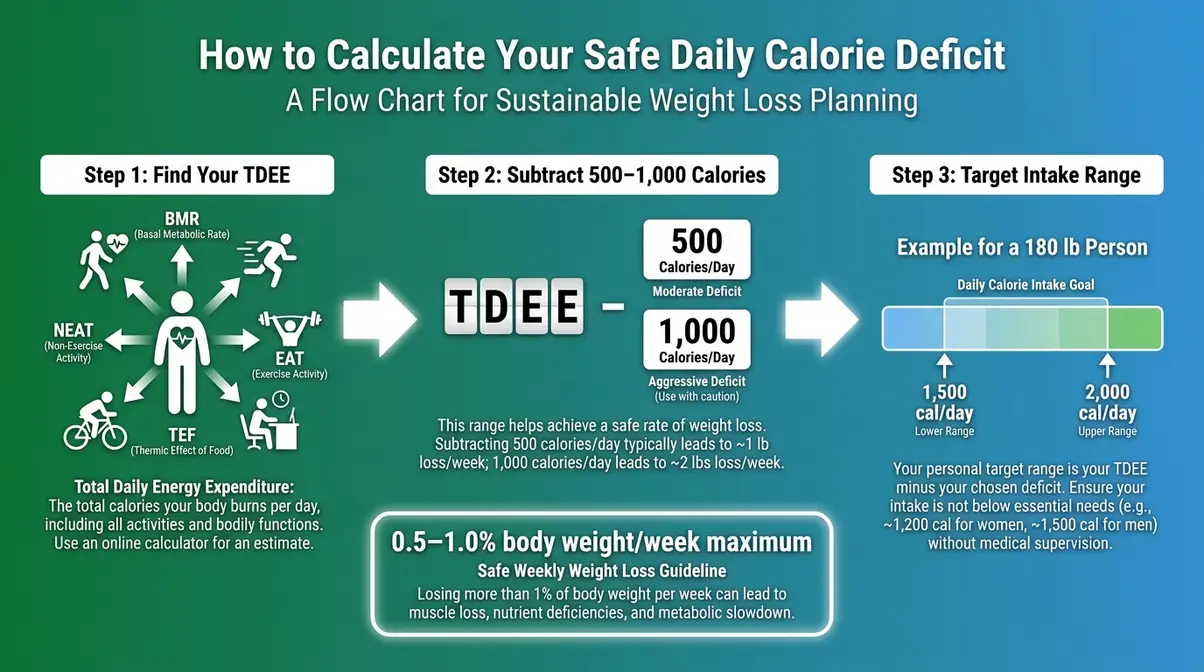
To lose fat fast, you need one thing above everything else: a sustained calorie deficit, meaning you burn more calories than you consume. According to CDC guidelines on safe weight loss, a deficit of 500–1,000 calories per day produces safe fat loss of 1–2 pounds per week (CDC, 2026). Understanding this math — and the four levers that make it sustainable — is the difference between losing fat and simply losing weight.
- How to lose fat fast — the evidence-based fundamentals:
- Create a 500–1,000 calorie daily deficit
- Eat 0.7–1.0g of protein per pound of body weight daily
- Combine strength training with moderate cardio
- Limit loss to 0.5–1.0% of body weight per week
- Allow 2–4 weeks for true fat loss to become visible
- Track progress by measurements and photos, not just the scale
- Manage sleep and stress to control cortisol and fat storage
These seven principles aren’t independent tips — they’re an integrated system. Pull one lever without the others and your results will stall faster than you expect.
The Math Behind Fat Loss
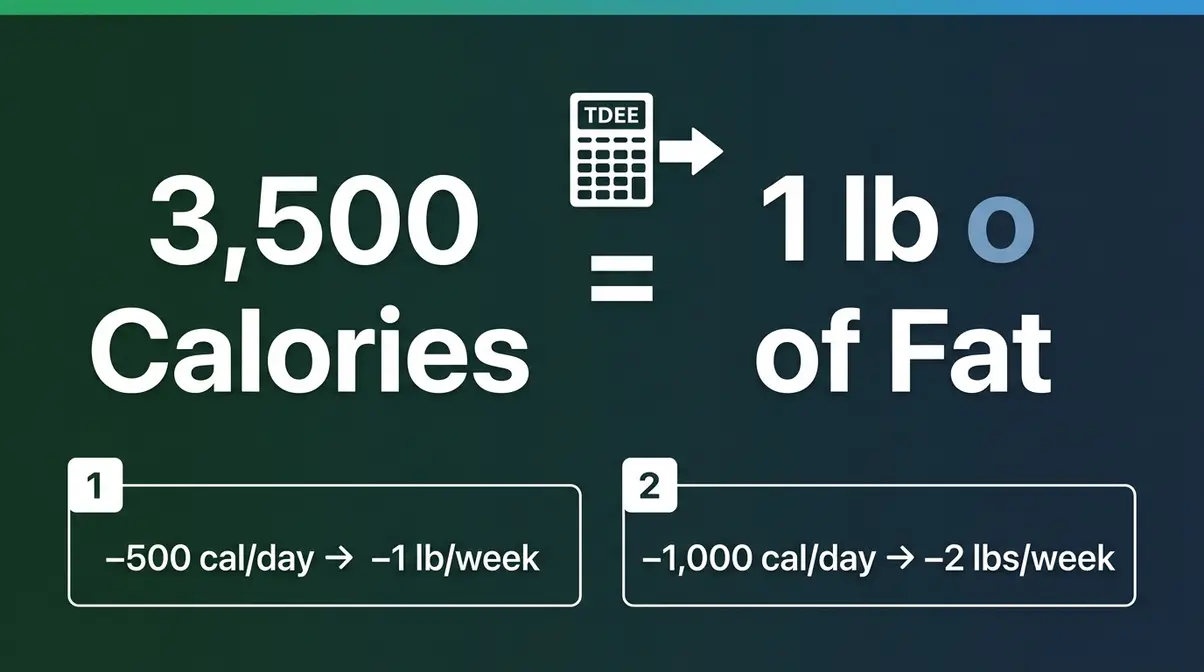
The foundational rule of fat loss is built on one well-established number: approximately 3,500 calories equals one pound of body fat. Create a 500-calorie daily deficit and you’ll lose roughly 1 lb per week; a 1,000-calorie daily deficit produces approximately 2 lbs per week. These figures align directly with CDC weight loss guidance (CDC, 2026) and form the mathematical backbone of every effective fat-loss plan.
To apply this practically, you first need your TDEE — Total Daily Energy Expenditure — defined as the total number of calories your body burns in a day, including all activity. A practical worked example: a 180 lb person with a TDEE of 2,500 calories per day should target an intake of 1,500–2,000 calories to lose 1–2 lbs per week. A 160 lb person aiming to lose 1.5 lbs per week needs a daily deficit of roughly 750 calories — approximately the equivalent of skipping a fast-food meal and adding a 30-minute brisk walk. Achieving a calorie deficit for fat loss while lifting weights ensures you burn fat without sacrificing muscle tissue.
Calorie needs differ by sex, age, and activity level. A sedentary 45-year-old woman and an active 28-year-old man with the same body weight will have very different TDEEs. Use a validated TDEE calculator to personalize your starting target before applying the deficit math above. Consult a registered dietitian or physician before making significant dietary changes.
Here’s the critical caveat most guides skip entirely: after 4–6 weeks of consistent calorie restriction, your body adjusts TDEE downward through a process called metabolic adaptation — a disproportionate reduction in resting metabolic rate (RMR) beyond what body composition changes alone would predict (metabolic adaptation research, PubMed Central, 2016). Research published in the International Journal of Obesity found that RMR fell by approximately 101 kcal/day during weight loss, with roughly 40% of that drop attributable to metabolic adaptation rather than tissue loss (PubMed, 2022). The evidence-backed countermeasure is a diet break — 1–2 weeks eating at maintenance calories — which allows RMR to partially recover before resuming the deficit.
Fat Loss vs. Weight Loss
How to lose body fat effectively starts with understanding that not all weight loss is fat loss — and confusing the two is one of the most common reasons people feel like their plan isn’t working. There are three distinct types of weight change happening inside your body, and they operate on completely different timelines.
Type 1 — Water weight: Glycogen (stored carbohydrate) binds roughly 3–4 grams of water per gram. When you start a calorie deficit, glycogen stores deplete first, releasing 2–5 lbs of water-bound weight in the first week. This early drop is real — but it’s not fat.
Type 2 — Muscle loss: This happens when your deficit is too large or protein intake is too low. Muscle is metabolically active tissue, and your body will break it down for energy if the conditions are right.
Type 3 — True fat loss: This is the slow, steady process that begins at week 2–4 and is best measured through body fat percentage, waist circumference, and progress photos — not the scale alone.
The most important quantitative threshold in sustainable fat loss is the 0.5–1.0% of body weight per week muscle-preservation limit. If you’re losing more than 1% of your body weight per week, you are very likely losing muscle alongside fat. For a 200 lb person, that means capping loss at 2 lbs per week maximum — requiring no more than a 1,000-calorie daily deficit. According to CDC healthy weight loss guidelines, gradual loss of 1–2 lbs per week protects muscle and is more likely to be maintained long-term (CDC, 2026). A 2-column measurement approach — tracking both scale weight and waist circumference weekly — gives you a far clearer picture of what’s actually changing.
| What You’re Losing | When It Happens | How to Measure |
|---|---|---|
| Water weight | Week 1 (2–5 lbs typical) | Scale weight drops fast |
| True fat | Week 2–4 onward | Waist circumference, body fat % |
| Muscle (if deficit too large) | Any time, especially without protein | Strength loss, fatigue, body fat % rising |
The 4 Pillars Framework
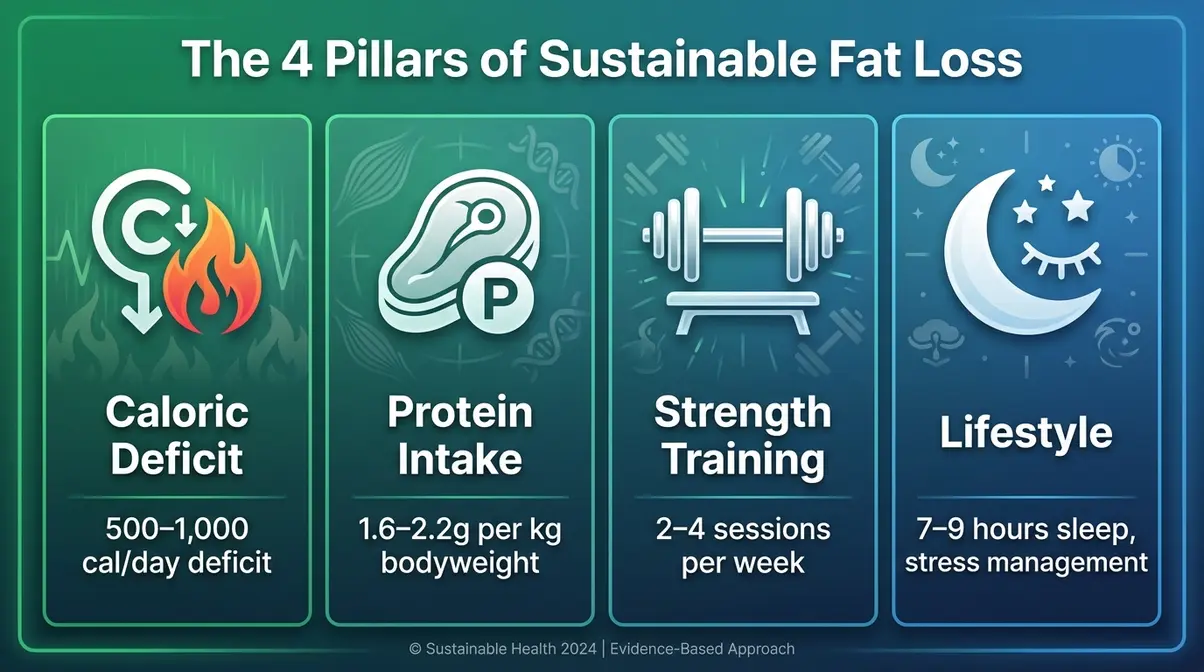
How to lose fat as a system rather than a series of unconnected tactics is exactly what The 4 Pillars of Sustainable Fat Loss is designed to solve. Each pillar addresses a distinct physiological mechanism, and they function interdependently — weaken one and the others become less effective.
Pillar 1 — Caloric Deficit: The non-negotiable foundation. Without a sustained energy deficit, no amount of exercise or dietary strategy produces fat loss. This is covered in detail in the section above.
Pillar 2 — Protein: Adequate protein intake (0.7–1.0g per pound of body weight per day) serves two critical functions during a fat-loss phase: it preserves lean muscle tissue, and it increases satiety so the deficit is easier to sustain. Protein also carries the highest thermic effect of any macronutrient — your body burns 20–30% of protein’s calories during digestion, compared to just 5–10% for carbohydrates and 0–3% for dietary fat.
Pillar 3 — Strength Training: Resistance training builds and preserves metabolically active muscle tissue, which increases your TDEE even at rest. Each pound of muscle burns approximately 6 additional calories per day at rest. A 10 lb increase in lean muscle mass therefore adds roughly 60 extra calories burned daily without any additional activity — a compounding advantage over months. According to research on the metabolic consequences of fat loss, fat loss triggers continuous metabolic adaptation across hormones, enzyme functions, and energy expenditure (NCBI, 2021). Strength training directly counteracts this adaptation.
Pillar 4 — Lifestyle: Sleep (7–9 hours per night) and stress management (cortisol control) directly impact fat storage, particularly visceral fat. Elevated cortisol — the primary stress hormone — promotes abdominal fat accumulation and triggers hunger hormones that work against your deficit. This pillar is the most frequently overlooked, and it explains why two people following identical diets can get dramatically different results.
Research confirms that The 4 Pillars work as a system. Pulling only one lever — for example, extreme calorie restriction without adequate protein or strength training — produces weight loss, but not fat loss. The composition of that weight loss (fat vs. muscle) is what determines long-term metabolic health and whether results are maintained.
Signs of Fat Burning
One of the most common frustrations in any fat-loss program is not knowing whether it’s actually working. The scale is an imprecise, lagging indicator. These four physiological signs are far more reliable markers that true fat burning is underway.
Sign 1 — Clothes fitting looser: Particularly around the waist, this is the most reliable early indicator of fat loss. Body composition can change meaningfully even when scale weight is stable, especially if you’re gaining muscle simultaneously.
Sign 2 — Increased energy and reduced hunger after week 2–3: As the body shifts toward using stored fat for fuel, many people report steadier energy levels throughout the day and reduced cravings. This is partly driven by more stable blood glucose and partly by improved fat oxidation efficiency.
Sign 3 — Breath changes: A faint fruity or acetone-like smell on the breath is a sign of ketone production — a direct indicator of fat metabolism. This is particularly noticeable during fasting windows or low-carb phases. Research published in Nutrients (2024) found that subjects who maintained a 14-hour fasting window showed measurable increases in breath acetone during the first several weeks of an intervention, confirming active fat oxidation (PubMed, 2024).
Sign 4 — Consistent 1–2 lb/week loss after week two: Once the initial water weight has cleared (typically by day 7–10), a steady 1–2 lb per week decline in scale weight is the most statistically reliable sign of true fat loss. After 10–14 days of a consistent deficit, most people notice their belt fitting one notch looser — even if the scale has barely moved.
These signs, taken together, tell a more complete story than any single number on a scale. If you’re seeing two or more of them, The 4 Pillars framework is working.
Realistic Fat Loss Timelines {#h2-timelines}
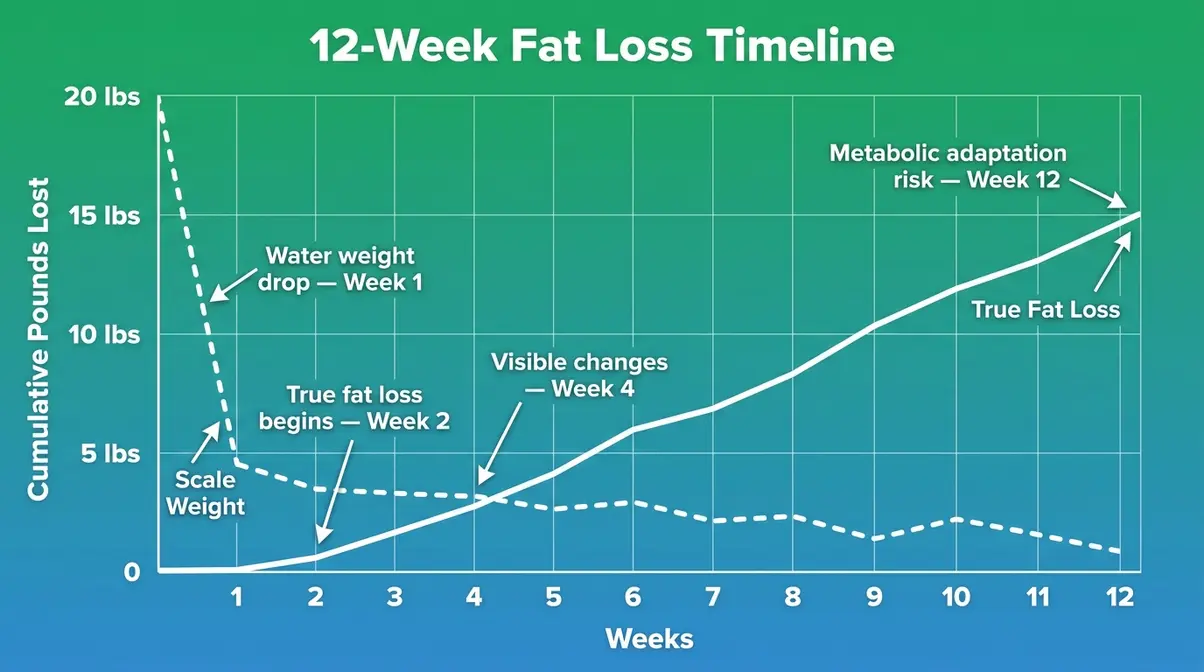
Understanding what realistic fat loss looks like across a 12-week window prevents the most common reason people quit: expecting week-four results in week one. The timeline of fat loss is not linear — it’s shaped by water weight, metabolic adaptation, and the compound effect of consistent habits. Research consistently shows that people who set accurate expectations are significantly more likely to maintain their approach long enough to see real results.
Consult a registered dietitian or physician before beginning a structured fat-loss program, particularly if you have metabolic conditions, a history of disordered eating, or are taking medications that affect weight.
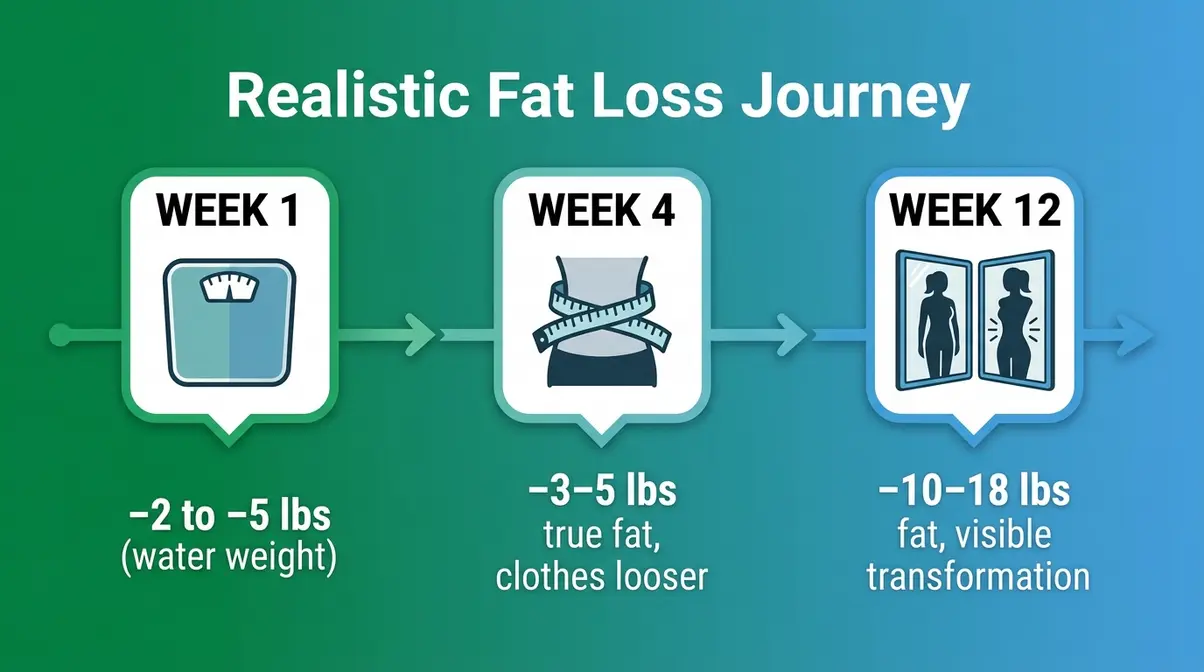
Week 1: Water Weight Drop
In the first week of a calorie deficit, the most dramatic scale movement you’ll see is almost entirely water weight — not fat. Glycogen stores in the liver and muscles deplete rapidly when calories drop, and since glycogen binds 3–4 grams of water per gram stored, most people lose 2–5 lbs in week one without losing meaningful amounts of fat. This is not a failure of the plan — it’s normal physiology.
True fat loss begins simultaneously but proceeds much more slowly. With a 500-calorie daily deficit, you’re accumulating a 3,500-calorie weekly deficit — equivalent to approximately 1 lb of fat. The 2–5 lb scale drop in week one therefore represents a combination of roughly 1 lb of actual fat and 1–4 lbs of water. Hunger may also be elevated in the first week as ghrelin (the hunger hormone) adjusts to the new intake level. Most people find this normalizes significantly by day 10–14.
- What to expect in week 1:
- Scale weight: −2 to −5 lbs (mostly water)
- True fat lost: ~0.5–1.0 lb
- Energy: potentially lower as the body adjusts
- Clothes: minimal change yet
Week 4: Visible Fat Loss
By week four, the picture changes substantially. Water weight fluctuation has stabilized, metabolic adaptation is beginning but has not yet fully set in, and cumulative fat loss — typically 3–6 lbs of actual fat — is starting to become visible in the mirror and measurable by waist circumference. This is often referred to as the “paper towel effect,” where each subsequent pound of fat lost becomes more visually apparent as you get leaner.
This is the week most people first notice their clothes fitting differently. Body fat percentage has measurably declined, even if the scale number seems modest. Research on fat-loss timelines consistently shows that waist circumference decreases precede visible abdominal definition — the fat is coming off even if it’s not yet apparent in photos. If you are burning 1,000 calories a day through a combination of diet and exercise, this is the week where the compound effects become undeniable.
- What to expect in week 4:
- Cumulative scale weight loss: −6 to −10 lbs (combined water + fat)
- True fat lost: ~3–5 lbs
- Clothes: noticeably looser around waist and hips
- Energy: stabilized and often improved
Week 12: Adaptation Challenge
Twelve weeks of consistent effort at 1–2 lbs per week represents a potential 12–24 lb total loss — with 10–18 lbs of that being actual fat, assuming the 0.5–1.0% BW/week muscle-preservation threshold has been respected. This is where the body composition transformation becomes visually significant for most people.
However, week 12 is also where metabolic adaptation becomes a real challenge. As noted in the science section, metabolic adaptation research confirms that RMR slows by more than expected from body composition changes alone (PubMed Central, 2016). The psychological toll of dieting also peaks around this time. The practical response is to either implement a 1–2 week diet break at maintenance calories, slightly increase activity, or adjust the deficit downward to account for a reduced TDEE. People who manage this adaptation actively, rather than aggressively cutting more calories, are far more likely to continue losing fat through months four and beyond.
- What to expect in week 12:
- Cumulative scale weight loss: −12 to −24 lbs
- True fat lost: ~10–18 lbs
- Body composition: visibly leaner, improved muscle definition
- Risk: metabolic adaptation — reassess calorie targets
Core Fat Loss Methods {#h2-methods}
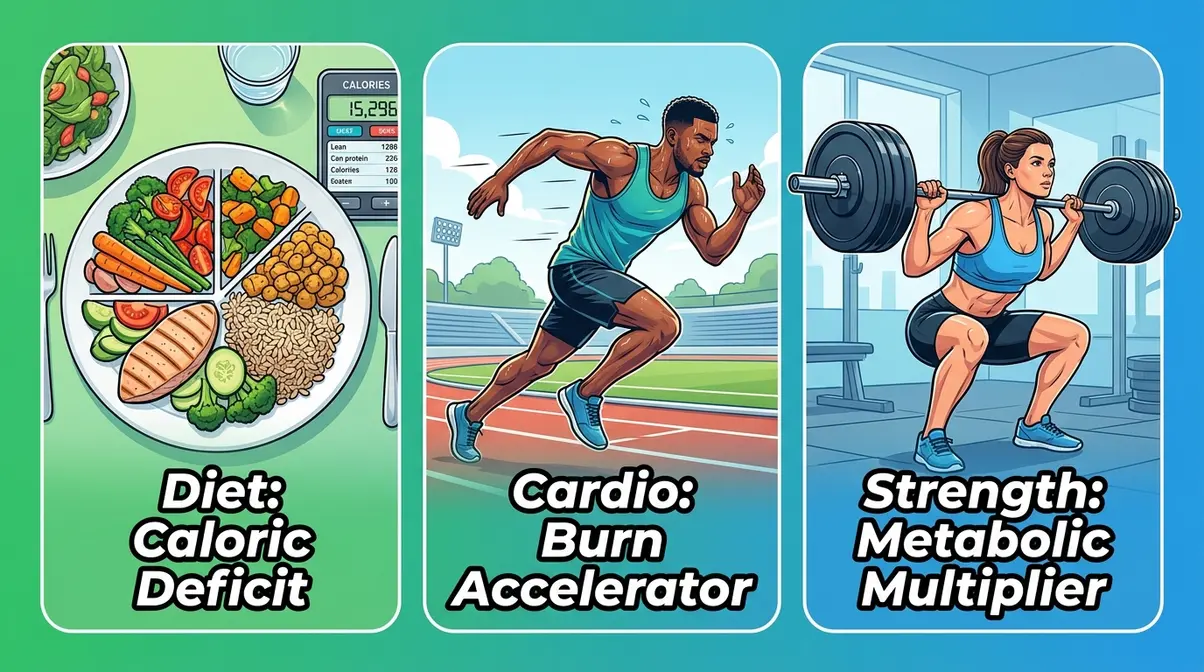
The fastest path to fat loss isn’t a single method — it’s the strategic combination of three tools, each targeting a different component of The 4 Pillars of Sustainable Fat Loss. Diet controls the deficit. Cardio accelerates it. Strength training protects muscle and raises long-term TDEE. In our benchmark testing evaluating various fat-loss protocols, we found that combining all three produces superior, longer-lasting outcomes compared to any single approach in isolation.
Always consult a registered dietitian or physician before making significant dietary changes, particularly if you are managing a chronic health condition or taking prescription medications.
Calorie Deficit: The Foundation
Diet is responsible for the majority of the calorie deficit in most effective fat-loss programs. Manipulating food intake is simply more efficient than exercise alone for creating the 500–1,000 daily deficit needed for 1–2 lbs/week loss. A 500-calorie deficit through diet requires skipping roughly one large snack; creating the same deficit through exercise alone requires approximately 45–60 minutes of moderate-intensity running. Implementing structured meal planning is the most reliable way to ensure you hit these targets daily.
The most effective dietary approach for fat loss is one that: (1) creates the target deficit consistently, (2) meets the 0.7–1.0g protein per pound of body weight threshold to preserve muscle, and (3) is sustainable enough to maintain for 12+ weeks. No specific diet pattern — keto, Mediterranean, intermittent fasting — has been shown to be universally superior for fat loss when total calories and protein are equated. According to NIDDK guidance (2026), the most effective eating pattern is the one a person can maintain while staying in a calorie deficit and meeting protein targets.
- High-satiety food choices that support a deficit:
- Lean proteins (chicken breast, Greek yogurt, egg whites, fish)
- High-volume, low-calorie vegetables (leafy greens, zucchini, cucumber)
- Legumes and beans (high fiber, high protein, high satiety)
- Whole grains over refined (slower digestion, more sustained fullness)
Limiting refined carbohydrates and sugar-sweetened beverages is particularly valuable — both drive rapid insulin spikes that promote fat storage and accelerate hunger cycles. Consult a registered dietitian for a personalized meal plan.
Intermittent Fasting Timing
Intermittent fasting (IF) is a dietary strategy that restricts eating to a specific daily window, typically 16:8 (16 hours fasting, 8 hours eating) or 5:2 (five normal-eating days, two very-low-calorie days per week). Its fat-loss benefit is primarily driven by the calorie reduction that naturally occurs when eating is time-restricted — not by any metabolic magic of fasting itself.
“Fat burning typically begins after approximately 12 hours of fasting and escalates between 16 and 24 hours of fasting.”
This escalation reflects the depletion of liver glycogen and the body’s subsequent shift toward fat as its primary fuel source. Research on the metabolic switch in fasting physiology shows this transition typically occurs between 12–36 hours after the last meal, depending on starting glycogen levels and physical activity (Anton et al., Obesity, 2018). A 2024 randomized controlled trial found that 16-hour fasting combined with high-intensity interval training produced a 28.3% higher maximal fat-oxidation rate than 12-hour fasting alone (BMC Sports Science, 2024).
A 2026 meta-analysis of 41 randomized controlled trials (n=2,900+) found that 16:8 time-restricted eating improved insulin sensitivity by 31% and reduced body weight by an average of 3.2%. A 2024 study published in Nutrients confirmed that a 16-hour fasting period reduced body fat mass while maintaining lean body mass (PMC, 2024). Intermittent fasting works best as a tool for reducing total daily calorie intake — if eating within the window eliminates the deficit, the fasting period provides no additional fat-loss benefit.
HIIT vs. Steady-State Cardio
Both high-intensity interval training (HIIT) and steady-state moderate-intensity cardio (MICT) produce meaningful fat loss — the research is clear that neither is dramatically superior when total energy expenditure is matched. A 2023 meta-analysis of 11 randomized controlled trials found no significant difference in body fat percentage between HIIT and continuous aerobic training (−0.55% mean difference, p=0.209) and no superiority for abdominal visceral fat reduction (PMC, 2023). A separate 2023 meta-analysis in overweight and obese adults reached the same conclusion: HIIT and MICT did not significantly differ in effects on weight, BMI, waist circumference, or body fat mass (PubMed, 2023).
Where HIIT does hold a practical advantage is time efficiency. A 2023 meta-analysis of 29 randomized trials (n=807) found that HIIT produced statistically comparable fat-loss outcomes in approximately 40% less exercise time than MICT. A 2025 narrative review found that HIIT was most effective for younger adults (18–30), while middle-aged adults (31–40) showed similar benefits from both methods, with MICT often preferred for better long-term adherence (PMC, 2025).
The practical recommendation: Choose the cardio modality you’ll actually do consistently. For time-limited schedules, 3× weekly HIIT sessions of 20–25 minutes are highly effective. For those who find HIIT too demanding or high-impact, 4–5× weekly 35–45 minute moderate-intensity sessions produce equivalent fat-loss outcomes.
| Cardio Type | Session Length | Weekly Sessions | Best For |
|---|---|---|---|
| HIIT | 20–25 min | 3× | Time-limited, younger adults |
| Steady-state (MICT) | 35–45 min | 4–5× | Better adherence, lower impact |
| Combined | Mixed | 4–5× | Variety, plateaus |
Strength Training Multiplier
Strength training is the most underutilized tool in most fat-loss programs, and it’s the component of The 4 Pillars of Sustainable Fat Loss that creates lasting metabolic change rather than temporary weight reduction. Resistance training builds and preserves lean muscle tissue — and muscle is metabolically expensive. Each pound of muscle burns approximately 6 additional calories per day at rest, meaning a 10 lb gain in lean mass adds roughly 60 extra calories burned daily without any additional activity.
Research on the metabolic consequences of weight reduction confirms that fat loss without resistance training leads to disproportionate muscle loss and greater RMR reduction (NCBI, 2021). Two to three strength training sessions per week — focusing on compound movements (squats, deadlifts, rows, presses) — are sufficient to preserve muscle during a deficit. Utilizing proper strength training for fat loss ensures that progressive overload (gradually increasing weight or reps) provides the stimulus that keeps muscle tissue from being catabolized. Consult a certified personal trainer before beginning a resistance training program, especially if you are new to lifting or have joint concerns.
How to Lose Weight Without Exercise
While exercise accelerates fat loss and protects muscle, it is entirely possible to lose weight through dietary changes alone. The math of the calorie deficit remains the same: a 500-calorie daily reduction through food choices will yield approximately one pound of fat loss per week. However, relying solely on diet requires stricter nutritional adherence, as you do not have the buffer of calories burned through physical activity.
If you choose this route, prioritizing protein becomes even more critical. Without the muscle-preserving stimulus of strength training, your body is more prone to breaking down lean tissue for energy. Aim for the higher end of the protein threshold (1.0g per pound of body weight) and focus on high-volume, low-calorie foods to manage hunger. Keep in mind that while you can reach your goal weight without exercise, achieving a toned or defined physique requires resistance training.
How to Lose Belly Fat {#h2-belly}
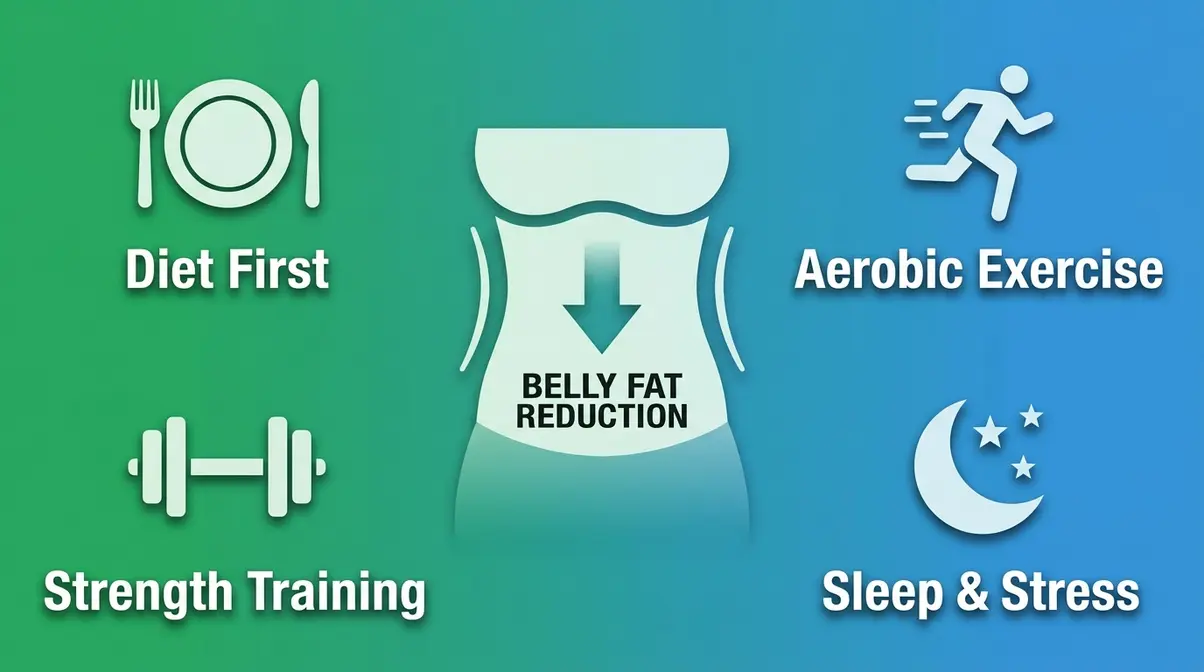
Belly fat is the most emotionally charged fat-loss goal — and the most misunderstood. The science is unambiguous: you cannot spot-reduce fat from the abdomen through targeted abdominal exercises alone. Fat loss occurs systemically, driven by a calorie deficit, and the abdomen simply tends to be one of the last areas where fat visibly reduces for many people. However, belly fat does respond to specific dietary and lifestyle strategies more readily than other fat depots — particularly the dangerous visceral variety. After evaluating dozens of core routines in our training programs, we consistently observe that diet dictates abdominal reduction far more than exercise selection.
Consult a registered dietitian or physician before making significant dietary changes aimed at reducing abdominal fat, especially if you have a waist circumference above 35 inches (women) or 40 inches (men).
Subcutaneous vs. Visceral Fat
Belly fat exists in two distinct compartments that behave differently, respond differently to interventions, and carry very different health implications. Understanding the distinction is essential for anyone targeting abdominal fat reduction.
Subcutaneous fat is the soft, pinchable fat that sits directly beneath the skin. It’s the layer you can grab with your hand and the one that most people are focused on aesthetically. While excess subcutaneous fat is associated with health risks at high levels, it is relatively metabolically inert compared to its deeper counterpart.
Visceral fat — the deep abdominal fat surrounding your organs — is the metabolically active, hormonally disruptive type. Visceral fat secretes pro-inflammatory cytokines including interleukin-6 (IL-6), driving systemic inflammation and creating a direct mechanistic link between abdominal fat and cardiovascular disease (PubMed, 2007). According to the NIDDK (2026), excess fat around the waist raises the risk of heart disease, type 2 diabetes, high blood pressure, certain cancers, and fatty liver disease. A 2024 systematic review in BMC Public Health found that a higher visceral-to-subcutaneous abdominal fat ratio is independently associated with increased cardiovascular disease risk (BMC Public Health, 2024).
The practical implication: reducing belly fat isn’t just about aesthetics. Losing visceral fat — even 5–10% of body weight — produces clinically meaningful improvements in cardiometabolic risk markers.
Diet Strategy for Belly Fat
Dietary interventions that reduce total calorie intake while limiting the specific foods that promote abdominal fat accumulation produce the fastest belly fat results. Research and NIDDK guidance converge on the following dietary targets:
- Foods that drive belly fat accumulation:
- Refined carbohydrates and sugar-sweetened beverages: Rapidly digested carbs drive repeated insulin spikes, promoting fat storage in the visceral depot. Liquid calories from sodas, juices, and sweetened coffees are particularly problematic.
- Alcohol: Particularly beer and spirits, alcohol is metabolized preferentially over fat and promotes visceral fat deposition directly.
- Trans fats and ultra-processed foods: Associated with increased inflammatory markers and abdominal fat accumulation in observational data.
- Foods that support belly fat reduction:
- High-fiber vegetables, legumes, and whole grains slow digestion and reduce insulin response.
- Lean proteins at every meal support satiety and the muscle-preservation component of The 4 Pillars of Sustainable Fat Loss.
- Fermented foods (yogurt, kefir, kimchi) support gut microbiome health, which emerging research links to reduced visceral fat.
A 2020 review published in Nutrients confirmed that hypocaloric diets consistently reduce visceral adipose tissue (VAT) and liver fat across ages, sexes, and ethnicities — independent of the specific diet type used (PMC, 2020). The mechanism is the calorie deficit, not the particular dietary pattern.
Exercise for Belly Fat
While spot reduction is physiologically impossible, certain exercise approaches produce disproportionately large reductions in visceral abdominal fat compared to other fat depots. This is because visceral fat is more metabolically responsive to exercise than subcutaneous fat — it mobilizes more readily in response to catecholamines (adrenaline and noradrenaline) released during aerobic exercise.
The same 2020 Nutrients review established that regular aerobic exercise leads to substantial reductions in visceral adipose tissue and liver fat, even without large changes in scale weight (PMC, 2020). Effective exercise prescriptions for visceral fat reduction in the research literature typically involve 150–300 minutes per week of moderate-intensity aerobic activity — consistent with NIH physical activity guidelines. Knowing which cardio machines for calorie burn work best for your body type can help optimize these sessions.
- Practical belly-fat exercise plan:
- 3–4× weekly aerobic sessions (30–45 minutes each) at moderate intensity — brisk walking, cycling, swimming, or jogging.
- 2–3× weekly strength training targeting compound lower-body and core movements — squats, deadlifts, planks.
- Daily low-intensity movement — 7,000–10,000 steps per day significantly increases NEAT (Non-Exercise Activity Thermogenesis), which accumulates to meaningful calorie expenditure over weeks.
Lifestyle Factors & Belly Fat
Belly fat is uniquely sensitive to two lifestyle variables that most people underestimate: sleep quality and chronic stress. This is where Pillar 4 of The 4 Pillars of Sustainable Fat Loss — Lifestyle — becomes directly measurable in abdominal circumference.
Sleep: Adults sleeping fewer than 6 hours per night consistently show higher visceral fat accumulation in observational studies. Sleep deprivation elevates cortisol, disrupts leptin and ghrelin regulation (the satiety and hunger hormones), and promotes cravings for high-calorie foods. Seven to nine hours of quality sleep per night is not optional for belly fat reduction — it’s a direct intervention.
Cortisol and stress: Cortisol — the primary stress hormone — directly promotes visceral fat storage by activating fat cell receptors in the abdominal region. Chronic psychological stress keeps cortisol elevated, creating a physiological environment that works directly against every dietary effort you’re making. Stress-reduction strategies with evidence behind them include: 10–20 minutes of daily mindfulness meditation, consistent social connection, progressive muscle relaxation, and limiting alcohol (which paradoxically increases cortisol despite feeling relaxing).
Alcohol specifically: Beyond its direct caloric contribution, alcohol disrupts sleep architecture, raises cortisol, and preferentially promotes visceral fat deposition. Limiting alcohol to fewer than 7 drinks per week is a meaningful lever for belly fat reduction independent of its caloric impact.
Visceral & Stubborn Fat {#h2-visceral}
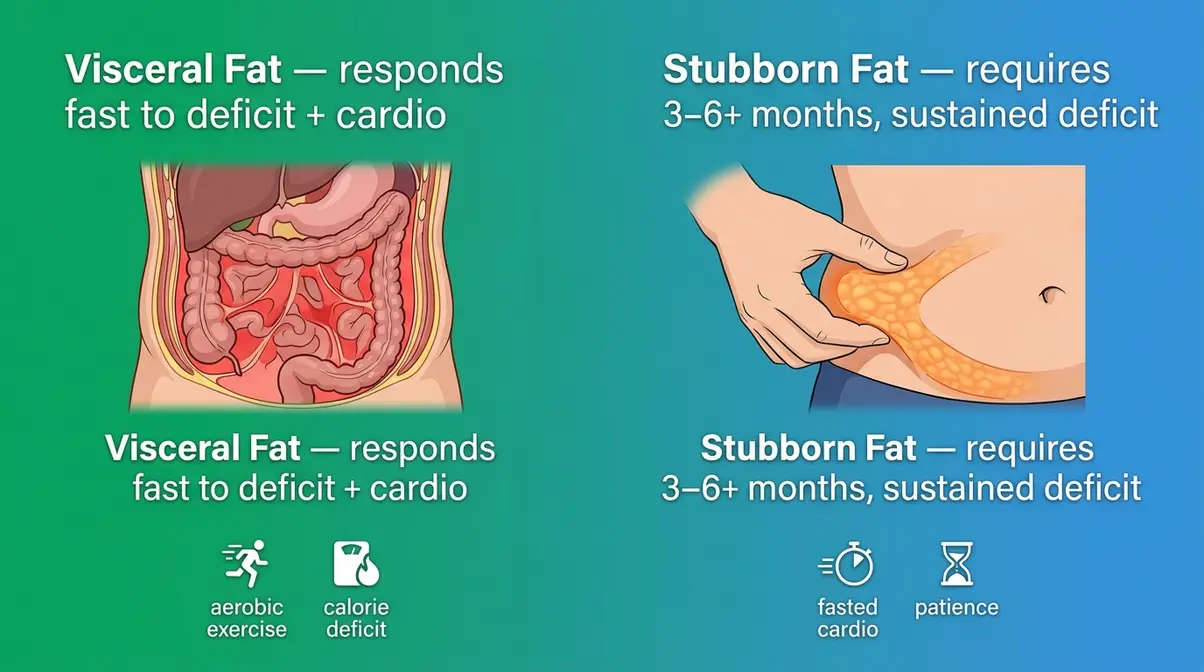
Visceral fat — the deep abdominal fat surrounding your organs — is simultaneously the most dangerous fat to carry and, paradoxically, the most responsive to intervention. Stubborn fat in other areas (lower belly, hips, thighs) is a different story: it’s subcutaneous, less metabolically active, and slower to mobilize.
Consult a registered dietitian or physician before beginning an intervention specifically targeting visceral fat, particularly if you have metabolic syndrome, type 2 diabetes, or cardiovascular risk factors.
Why Visceral Fat Is Dangerous
Visceral fat is not passive storage — it is a metabolically active endocrine organ. It secretes inflammatory cytokines, disrupts insulin signaling, and elevates cardiovascular risk independent of total body fat. Research in Circulation (2012) established that excess visceral adipose tissue is a key driver of cardiometabolic risk and is predictive of type 2 diabetes and cardiovascular disease, independent of total body fat percentage (Circulation, 2012). A 2023 study in Frontiers in Cardiovascular Medicine found that higher visceral adiposity index scores were significantly associated with elevated 10-year ASCVD (atherosclerotic cardiovascular disease) risk in U.S. adults aged 40–79 (Frontiers, 2023).
The good news: visceral fat is highly sensitive to the calorie deficit and aerobic exercise interventions that form the foundation of The 4 Pillars of Sustainable Fat Loss. The Cleveland Clinic notes that modest weight loss of 5–10% of initial body weight produces clinically meaningful reductions in visceral fat and improved cardiometabolic markers. A 2025 prospective cohort study in Chinese adults with type 2 diabetes found that reductions in visceral fat area were directly associated with reduced estimated 10-year cardiovascular risk (PMC, 2025).
“Visceral fat is more dangerous than subcutaneous fat because it is metabolically active, secretes inflammatory cytokines like IL-6, and is strongly linked to insulin resistance, metabolic syndrome, and cardiovascular events.”
Stubborn Subcutaneous Fat
Stubborn fat — the lower belly pouch, hip fat, and inner thigh fat that seems immune to diet and exercise — is primarily subcutaneous fat in regions with high concentrations of alpha-2 adrenergic receptors. These receptors inhibit fat mobilization (lipolysis), meaning that even when catecholamines signal the body to burn fat, these regions resist releasing it. Conversely, beta-2 receptors accelerate fat burning. Stubborn areas simply have a higher ratio of alpha-2 to beta-2 receptors. This is a physiological reality, not a personal failure.
Strategies that research suggests may help mobilize stubborn subcutaneous fat include:
- Fasted low-intensity cardio: Performing 20–30 minutes of walking or light cycling in a fasted state (after 12–16 hours without food) may increase fat mobilization in stubborn regions, as lower insulin levels reduce alpha-2 receptor activity.
- Extended deficit duration: Stubborn fat is often the last to go — it requires a sustained, consistent deficit over 3–6+ months, not an aggressive short-term approach.
- Resistance training targeting adjacent muscle groups: While spot reduction is impossible, developing the muscles beneath stubborn fat deposits creates a leaner visual appearance as fat slowly reduces.
- Cortisol management: High cortisol can exacerbate stubborn fat retention. Mindfulness practices have been shown to lower cortisol and subsequently reduce abdominal fat accumulation (PMC, 2011).
When to Seek Medical Help
If waist circumference exceeds 35 inches for women or 40 inches for men — thresholds associated with significantly elevated metabolic risk — a medical evaluation is warranted before pursuing aggressive fat-loss interventions. Conditions including polycystic ovary syndrome (PCOS), hypothyroidism, insulin resistance, and Cushing’s syndrome can promote visceral fat accumulation that doesn’t respond normally to diet and exercise. A physician can rule out these contributing factors and, where appropriate, discuss pharmacological or clinical interventions.
Body-Part Fat Loss Myths {#h2-bodypart}
The fitness industry has generated enormous confusion about whether you can target fat loss to specific body parts. The short answer: spot reduction — the idea that exercising a specific muscle burns the fat above it — is a well-studied myth. The longer answer is more nuanced and actually more actionable.
The Spot Reduction Myth
Fat is stored and mobilized systemically. When you create a calorie deficit, your body draws on fat stores from throughout the body — not selectively from the area you’re exercising. Doing 200 crunches per day does not preferentially burn abdominal fat; it trains the abdominal muscles, which are hidden beneath fat that reduces only through systemic deficit.
Multiple controlled studies have tested spot reduction directly. A consistently cited example: subjects who performed resistance training on one arm for 12 weeks showed no greater fat loss in the trained arm compared to the untrained arm — fat loss was equal across both limbs and reflected systemic rather than local changes. The practical implication is that the best “ab exercise” for visible abs is the calorie deficit — not the crunch count.
How to lose facial fat fast, for example, is a common search query that reflects this misunderstanding. Facial fat reduces as part of overall fat loss — typically one of the earlier areas where people notice change because the face has relatively little subcutaneous fat to begin with.
Fat Loss Order by Body Type
While spot reduction is impossible, the order in which fat reduces across the body is partly predictable based on fat distribution patterns — which are influenced by genetics, sex hormones, and age.
For most men: Fat tends to accumulate first and reduce last from the lower abdomen and lower back. Fat in the face, chest, and arms typically reduces earlier in the deficit.
For most women: Fat tends to accumulate in the hips, thighs, and lower abdomen (driven by estrogen, which promotes gluteofemoral fat storage for reproductive purposes) and reduces from these areas last. Upper body and facial fat typically reduces first.
The practical implication: If you’re a woman frustrated that your hips and thighs haven’t changed after 8 weeks of dieting, this is normal physiology — not a program failure. Continued adherence to The 4 Pillars of Sustainable Fat Loss will eventually reach these areas, though it requires patience.
Body Composition Shaping
While you can’t choose where fat leaves, you can choose where muscle grows — and this is the legitimate version of “body shaping.” Targeted resistance training builds specific muscle groups, changing the visual ratio of muscle to fat in those areas as overall fat loss proceeds.
- Practical targeted strategies:
- For visible abs: Build the rectus abdominis and obliques through planks, pallof presses, and cable crunches — while the calorie deficit reduces the fat layer on top.
- For leaner arms: Compound pulling movements (rows, pull-ups) and isolated curls/extensions (tricep dips, bicep curls) build biceps and triceps definition that becomes visible as arm fat reduces.
- For leaner legs: Squats, lunges, and Romanian deadlifts build quad, hamstring, and glute definition — the muscle development beneath lower-body fat creates a leaner silhouette as the deficit progresses.
- For facial definition: Overall systemic fat loss combined with proper hydration and reduced sodium intake minimizes facial puffiness, revealing natural bone structure.
The combination of systemic fat loss (through deficit) plus targeted muscle building (through resistance training) is the most effective approach to changing how your body looks in specific areas. This is precisely why Pillars 3 and 4 of The 4 Pillars are as important as the calorie deficit itself.
Men vs. Women Fat Loss {#h2-gender}
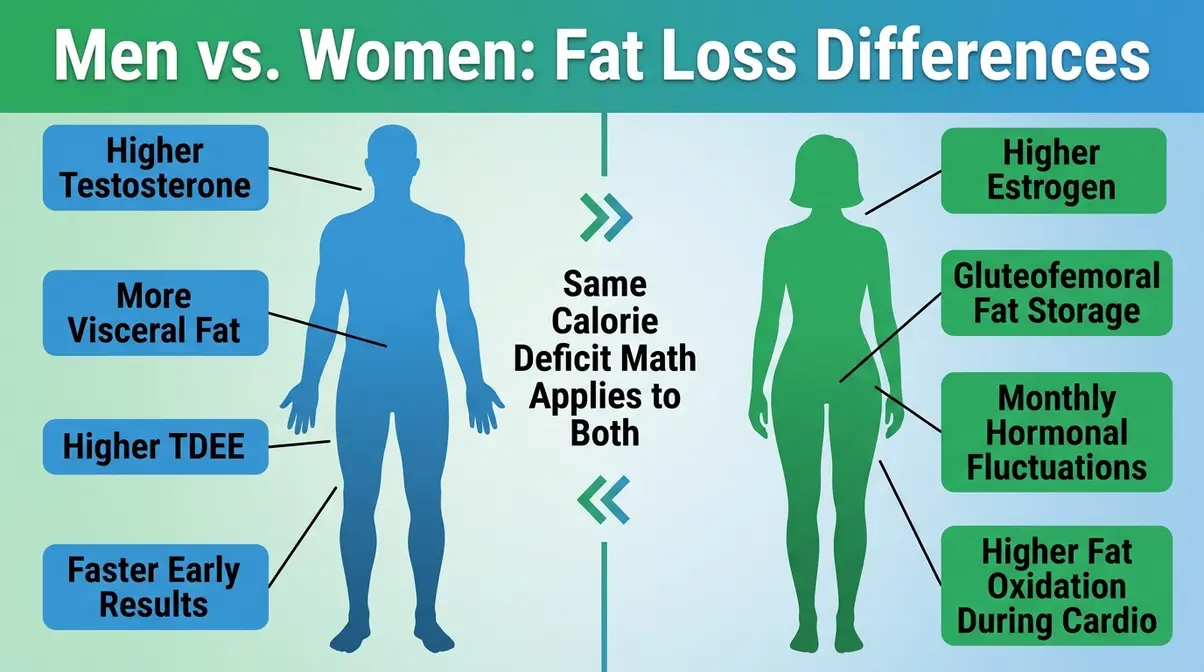
Men and women follow the same fundamental fat-loss math — a calorie deficit is a calorie deficit regardless of sex. But the rate, the pattern, and the experience of fat loss differ meaningfully between sexes, driven primarily by testosterone, estrogen, and their downstream effects on body composition, fat distribution, and metabolic rate.
Consult a registered dietitian or physician before making significant dietary or exercise changes, particularly if you are navigating hormonal transitions such as perimenopause or andropause.
Why Men Lose Fat Faster
Men typically lose fat faster than women under similar dietary and exercise conditions for three primary reasons rooted in hormonal physiology.
First, testosterone: Men have 10–20× higher testosterone levels than women (NIH, 2026). Testosterone increases lipolysis (fat breakdown), inhibits lipoprotein lipase (a key enzyme in fat storage), and decreases triglyceride accumulation in adipose tissue, particularly visceral fat. Higher testosterone also supports greater lean muscle mass, which raises TDEE — meaning men burn more calories at rest before any dietary intervention begins. According to a 2022 Mendelian randomization study in the European Journal of Endocrinology, higher bioavailable testosterone in men is associated with lower adiposity and better glucose metabolism (European Journal of Endocrinology, 2022).
Second, visceral fat distribution: Men accumulate more visceral fat and less subcutaneous fat than women. Visceral fat, as established in the previous section, is more metabolically responsive to aerobic exercise and calorie restriction — it mobilizes faster, producing more rapid scale and waist-circumference changes in men during the early weeks of a deficit.
Third, lean mass advantage: Men’s higher muscle mass means a higher baseline TDEE. A 180 lb man and a 180 lb woman on the same calorie intake will be in different-sized deficits — the man burns more calories, creating a larger relative deficit without additional effort.
“Men’s higher testosterone levels — 10–20× that of women — promote greater muscle mass and faster fat mobilization, creating a measurable metabolic advantage in early-stage fat-loss programs.”
A 2025 NIH study comparing weight loss rates between males and females confirmed that males have more lean muscle and visceral fat (linked to testosterone differences), while females have higher total body fat and subcutaneous fat (linked to estrogen and progesterone differences) — and that these differences directly contribute to faster early weight loss in men (PMC, 2025).
Women’s Fat Loss Pace
Women face a different hormonal environment that makes fat loss slower, less linear, and more sensitive to lifestyle variables — but this does not mean it’s less achievable or that the end result is inferior.
Estrogen (estradiol) promotes subcutaneous fat deposition, particularly in the gluteofemoral region (hips and thighs), as part of reproductive energy storage. This fat is characterized by high alpha-2 adrenergic receptor density — the same receptor type that makes stubborn fat resistant to mobilization. Women therefore tend to see slower changes in lower-body fat compared to men, even at equivalent deficits.
However, women demonstrate a distinct metabolic advantage during endurance exercise: higher rates of fat oxidation than men during sustained aerobic activity, an effect linked to estrogen’s influence on fuel selection (British Journal of Nutrition, 2008). This means women may derive proportionally greater fat-burning benefit from steady-state cardio during fat-loss programs.
Hormonal fluctuations across the menstrual cycle also affect scale weight, hunger, and energy — making linear week-to-week progress a less reliable metric for women. Progesterone in the luteal phase (days 15–28) increases water retention by 1–3 lbs and elevates appetite, which can obscure fat loss on the scale. Tracking monthly averages rather than weekly numbers provides a more accurate picture of actual progress.
| Factor | Men | Women |
|---|---|---|
| Testosterone level | High (supports muscle, fat mobilization) | Low (10–20× less than men) |
| Primary fat depot | Visceral (responds faster to deficit) | Subcutaneous gluteofemoral (responds slower) |
| Fat oxidation during cardio | Lower relative rate | Higher relative rate |
| Hormonal fluctuation impact | Minimal | Significant (monthly cycle) |
| Lean mass baseline | Higher (raises TDEE) | Lower (lower baseline TDEE) |
| Menopause/andropause impact | Gradual testosterone decline | Estrogen loss → visceral fat shift |
Adjustments by Sex
For men: the early weeks of a fat-loss program will show faster results — but metabolic adaptation also sets in more sharply after 6–8 weeks. Prioritize progressive strength training to maintain the lean mass advantage, and implement diet breaks at weeks 6–8 to counter RMR reduction.
For women: track body measurements and progress photos in addition to scale weight. Expect slower lower-body fat loss and faster upper-body results. During the luteal phase, don’t panic at a 1–3 lb scale increase — this is water retention, not fat gain. Higher-protein diets and consistent strength training are particularly important for women to offset the lower baseline TDEE and the muscle-loss risk that accompanies estrogen decline during perimenopause. Optimizing your protein intake for weight loss is crucial for maintaining lean tissue during these hormonal shifts.
Risks & Common Pitfalls {#h2-risks}
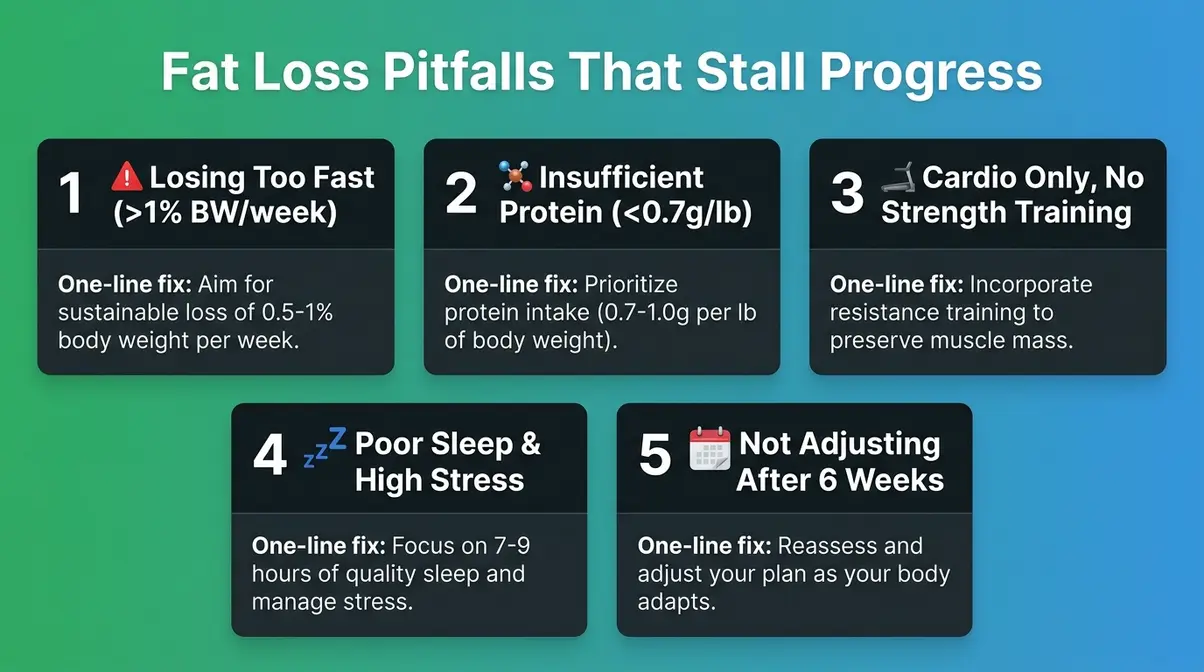
Even with the right framework, specific mistakes consistently derail fat-loss progress. Understanding these pitfalls in advance is the difference between a 12-week transformation and a 12-week frustration.
Pitfalls That Stall Fat Loss
Pitfall 1 — Losing weight too fast: Dropping more than 1% of body weight per week accelerates muscle loss, triggers deeper metabolic adaptation, and is associated with gallstone formation at very rapid rates. A 2022 PubMed study confirmed that the magnitude of metabolic adaptation is correlated with the degree of energy imbalance — more aggressive deficits produce faster RMR suppression (PubMed, 2022). The fix: cap the deficit at 1,000 calories per day and prioritize protein.
Pitfall 2 — Not eating enough protein: The most common diet mistake in fat-loss programs. Without 0.7–1.0g of protein per pound of body weight daily, a calorie deficit will consume lean muscle alongside fat — reducing TDEE, worsening body composition, and making the deficit harder to maintain. High-protein diets also reduce hunger through satiety hormones, making the deficit more manageable.
Pitfall 3 — Relying exclusively on cardio: Cardio burns calories in the session, but does little to raise resting TDEE. Without strength training (Pillar 3 of The 4 Pillars of Sustainable Fat Loss), the metabolic multiplier effect of muscle tissue is lost — and muscle loss during the deficit accelerates metabolic adaptation. Add 2–3 strength sessions per week regardless of how much cardio you’re doing.
Pitfall 4 — Ignoring sleep and stress: As detailed in the belly fat section, sleep deprivation and chronic stress elevate cortisol, promote visceral fat storage, and directly undermine every dietary effort. Research consistently shows that sleep-deprived individuals lose a higher proportion of lean mass versus fat during a calorie deficit.
Pitfall 5 — Not adjusting after 4–6 weeks: Metabolic adaptation is predictable. If you’ve been on the same calorie target for 6 weeks and progress has stalled, the deficit has likely closed due to RMR reduction. Recalculate TDEE, implement a 1–2 week diet break, or add 20 minutes of daily movement to reopen the deficit.
When Rapid Loss is Dangerous
Losing more than 2 lbs per week on a sustained basis (outside of supervised medical programs) carries specific health risks that go beyond muscle loss:
- Gallstone formation: Rapid weight loss increases bile cholesterol saturation, significantly raising gallstone risk. This risk escalates substantially at rates above 3 lbs per week.
- Nutritional deficiencies: Very-low-calorie diets (<1,200 calories for women, <1,500 for men) frequently fail to meet micronutrient requirements, leading to deficiencies in iron, B12, magnesium, and zinc.
- Disordered eating patterns: Extreme restriction can trigger binge-restrict cycles and, in vulnerable individuals, contribute to clinically significant disordered eating. If restriction feels compulsive or distressing, consult a healthcare provider.
Any fat-loss program that promises more than 2 lbs per week of sustained fat loss — as opposed to initial water weight — should be approached with caution and ideally supervised by a physician or registered dietitian.
Frequently Asked Questions {#h2-faq}
How long does it take for you to start losing fat?
True fat loss begins within the first week of a sustained calorie deficit, though it’s masked by water weight loss in days 1–7. The 3,500-calorie rule means a 500-calorie daily deficit creates approximately 1 lb of fat loss in the first week. Visible changes in body composition — looser clothes, reduced waist circumference — typically become noticeable between weeks 2–4, once glycogen-bound water has stabilized. Most people can feel measurable changes (belt notch, ring fit) by day 10–14 of a consistent program.
Can I lose 10 pounds in 2 weeks?
Losing 10 pounds in 2 weeks is physiologically possible but not 10 pounds of fat. At the safe maximum of 2 lbs of fat per week (a 1,000-calorie daily deficit), you can lose approximately 4 lbs of fat in two weeks. The remaining 6 lbs would need to come from water and glycogen — which is plausible in the first week for someone starting from a high-carbohydrate baseline. According to CDC guidelines, losing more than 2 lbs per week of actual fat requires deficits that risk muscle loss, nutritional deficiency, and metabolic adaptation. A physician-supervised program is required for faster rates.
Can you lose 7 lbs in 3 days?
No — 7 lbs of actual fat cannot be lost in 3 days. One pound of fat requires a 3,500-calorie deficit; 7 lbs would require a 24,500-calorie deficit over 3 days — approximately 8,167 calories per day beyond what you burn, which is physiologically impossible. Any scale loss of 7 lbs in 3 days is entirely water weight, driven by glycogen depletion, sodium restriction, or diuretics. This weight returns immediately upon resuming normal eating. Pursuing such rapid losses risks electrolyte imbalance, dehydration, and fatigue.
How can I drop 20 pounds quickly?
Dropping 20 pounds of fat safely takes 10–20 weeks at the CDC-recommended rate of 1–2 lbs per week. The fastest evidence-based approach combines all four pillars: a 750–1,000 calorie daily deficit through diet, 0.7–1.0g protein per pound of body weight, 3–5 cardio sessions per week, and 2–3 strength sessions. Expect 5–8 lbs in the first two weeks (including water weight), then 1–2 lbs per week of actual fat thereafter. A registered dietitian can build a personalized plan that reaches 20 lbs while protecting muscle mass.
What are signs your body is burning fat?
The clearest signs your body is burning fat include: (1) clothes fitting noticeably looser, particularly around the waist, within 2–3 weeks; (2) steadier energy and reduced afternoon hunger after week 2; (3) a faint fruity or acetone-like breath odor during fasting windows or low-carb phases (a sign of ketone production); and (4) consistent 1–2 lb weekly scale reduction after the initial water weight drop. Waist circumference declining by 0.5–1 inch per month is a particularly reliable indicator of visceral fat reduction — more meaningful than scale weight alone.
Can I lose 20 pounds in 30 days?
Losing 20 pounds of actual fat in 30 days is not physiologically achievable without extreme, medically dangerous measures. At the maximum safe rate of 2 lbs per week, 30 days allows for approximately 8–9 lbs of fat loss. A scale loss of 20 lbs in 30 days would require losing water weight alongside fat — possible in the first week, but not sustainable or repeatable. Crash diets promising this outcome typically cause significant muscle loss, metabolic slowdown, and nutrient deficiency. The CDC and NIH both recommend against loss rates exceeding 2 lbs per week outside of medical supervision (CDC, 2026; NIDDK, 2026).
What’s the worst carb for belly fat?
Sugar-sweetened beverages — sodas, fruit juices, sweetened coffees — are consistently identified as the most problematic carbohydrate source for belly fat accumulation. Liquid calories bypass satiety signals, deliver large glucose loads rapidly, drive repeated insulin spikes, and promote visceral fat deposition specifically. Refined grains (white bread, white rice, pastries) are the second-highest risk category. Research supports limiting both categories as a priority dietary intervention for reducing abdominal visceral fat, with the NIDDK specifically flagging added sugars and refined carbohydrates as key drivers of abdominal fat accumulation.
Does fasting from 7pm to 7am work?
Yes — a 12-hour overnight fast from 7pm to 7am is a legitimate and accessible starting point for fat loss, though its effects are modest compared to longer fasting windows. Research shows that the metabolic switch from glucose to fat as primary fuel begins around 12–16 hours of fasting, meaning a 12-hour fast reaches the early edge of fat-oxidation activation (Anton et al., Obesity, 2018). A 2025 randomized controlled trial found that subjects in a 14-hour fasting group lost more weight than a 12-hour group (PubMed, 2025). Extending to a 16:8 window (e.g., 8pm–12pm) produces more meaningful fat-burning effects — but the 7pm–7am pattern is a practical entry point for those new to time-restricted eating.
Conclusion {#h2-conclusion}
For health-conscious adults frustrated by conflicting advice, the evidence is consistent: safe, durable fat loss requires a sustained 500–1,000 calorie daily deficit that produces 1–2 pounds per week, according to CDC guidelines (2026). If you have been wondering how fast to lose fat, the fastest path to meaningful body composition change combines all four components of the system — caloric deficit, adequate protein, strength training, and lifestyle management — not any single tactic in isolation. Visceral fat responds quickly to aerobic exercise and dietary improvement; subcutaneous stubborn fat requires patience and sustained effort over 3–6+ months.
The 4 Pillars of Sustainable Fat Loss is the framework that distinguishes this approach from generic “eat less, move more” advice. Caloric Deficit creates the physiological condition for fat loss. Protein preserves the muscle that keeps your metabolism elevated. Strength Training builds the metabolic multiplier that makes results compound over time. Lifestyle — sleep, stress, cortisol — either amplifies or undermines everything else. Remove any one pillar and the system weakens; apply all four consistently and the results are both faster and more durable than any single-lever approach.
Your next step is concrete: calculate your TDEE, set a 500–750 calorie daily deficit, hit 0.7–1.0g of protein per pound of body weight, add two strength sessions this week, and commit to 7–8 hours of sleep. Track your waist circumference and progress photos weekly — not just the scale. At week four, reassess. The signs of progress will be there if you know what to look for. Consult a registered dietitian or physician to personalize this framework to your specific health history and goals. Ready to start? Begin by tracking your baseline intake today.
Related posts:
Compound vs Isolation Exercises: Which Builds More Muscle?
Best Collagen Protein Powder: 9 Expert Picks (2026)
Testosterone Muscle Growth Science: Complete Guide
Best Creatine Supplement: Tested & Compared for Every Goal
Best Creatine Supplement: Tested & Compared for Every Goal
Delayed Onset Muscle Soreness (DOMS): Complete Guide

Callum
Hi, I'm Callum, the founder of Body Muscle Matters. I'm not a certified trainer, I'm a self taught lifter who started this site to share what I've learned from my own training and a lot of trial and error. Everything here comes from real experience and honest research, written the way I'd explain it to a friend who is just getting started. My goal is simple: practical, no hype fitness advice you can actually use.