What Is Muscle Scraping? IASTM Guide for Beginners
⚠️ Medical Disclaimer: This content is for informational purposes only and does not constitute medical advice. Always consult a licensed physical therapist or chiropractor before beginning any new therapy.
You’ve probably heard someone mention “muscle scraping” at the gym, seen a video of an athlete getting scraped with a metal tool, or had a physical therapist suggest it. Your first reaction might be: Does that actually work, or is it just a trend?
That’s a fair question. What is muscle scraping, exactly — and why would dragging a blunt instrument across your skin help with chronic pain? The short answer is that it targets something most other therapies miss: your fascia (the connective tissue that wraps around your muscles like a tight sleeve). When fascia develops adhesions and scar tissue after injury or overuse, muscle soreness can linger no matter how much you stretch or massage.
This guide explains what muscle scraping is, how it works scientifically, what to expect during a session, and — critically — who should avoid it. Everything here is grounded in peer-reviewed clinical research, so you can make an informed decision. Before trying any new therapy, consult a licensed physical therapist or chiropractor.
Muscle scraping (also called IASTM — Instrument-Assisted Soft Tissue Mobilization) uses specially designed metal tools to break down fascia adhesions and scar tissue that cause chronic pain and restricted movement.
- The Fascia-First Framework: Most muscle pain originates in the fascia, not the muscle fiber itself — scraping targets this root cause directly.
- Backed by evidence: A 2026 meta-analysis of 20 randomized controlled trials found IASTM significantly reduces pain and improves range of motion (PMC, 2026).
- Safety matters: People with DVT, unhealed fractures, blood clotting disorders, or active skin infections should avoid this therapy — consult a healthcare provider first.
What Is Muscle Scraping? Origins and Core Concept
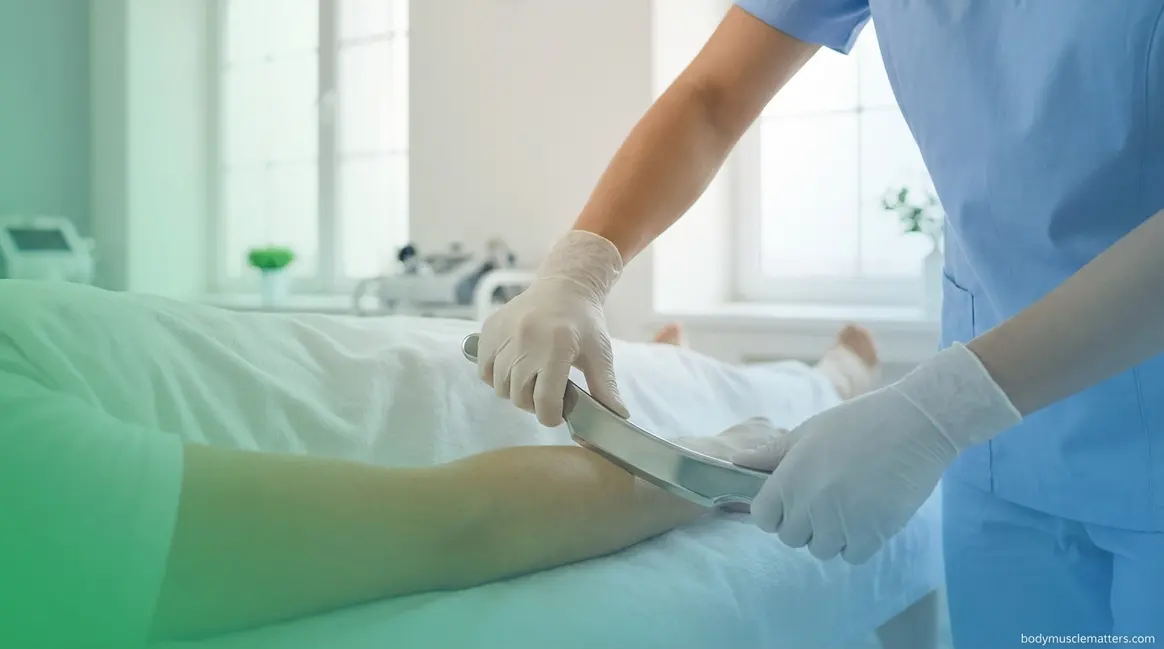
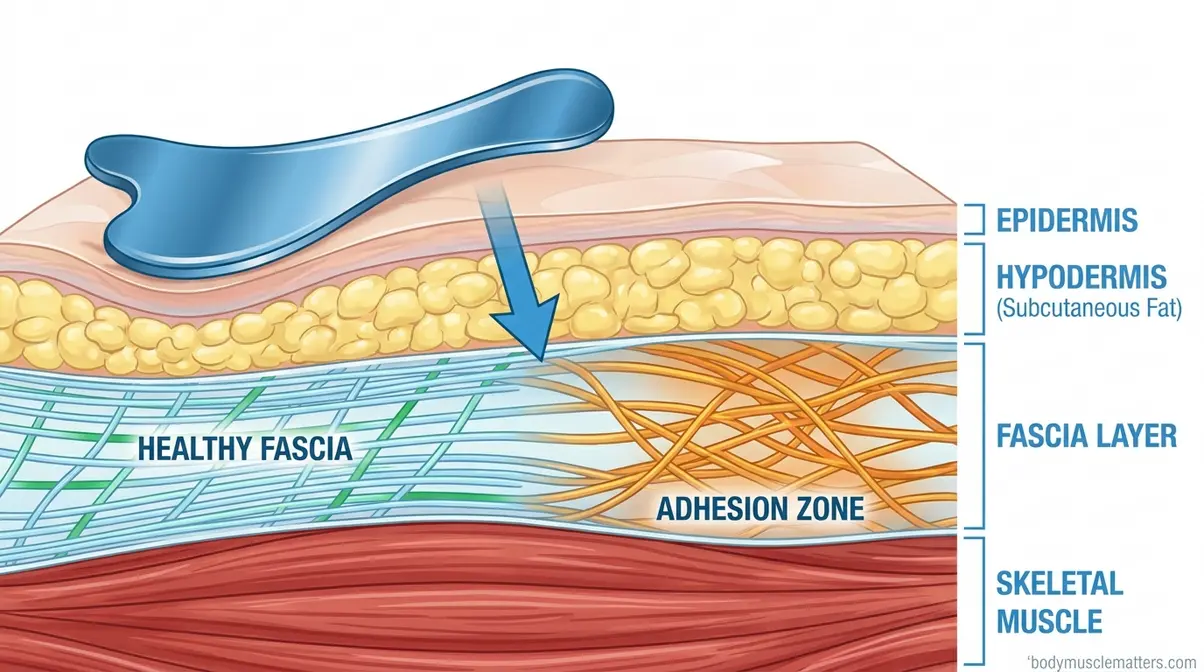
Muscle scraping is a soft tissue therapy that uses blunt, handheld instruments — typically stainless steel — to apply firm, controlled pressure along the skin. The goal is to detect and break down adhesions (areas where connective tissue fibers have stuck together abnormally) and scar tissue within the fascia and soft tissue beneath.
The formal clinical name is IASTM (Instrument-Assisted Soft Tissue Mobilization). Physical therapists, chiropractors, and athletic trainers use IASTM as part of broader rehabilitation programs for chronic pain, sports injuries, and post-surgical recovery.
“There is something called the Graston Technique which involves using blunt metal instruments to massage soft tissue, not muscle as much as the fascia…”
That description captures the essential distinction. The target is primarily the fascia — not the muscle fibers themselves. This is what separates muscle scraping from a standard deep-tissue massage.
From Gua Sha to Graston: A 2,000-Year Lineage
Muscle scraping isn’t new. Its roots trace back to Gua Sha, a traditional East Asian therapy used for more than 2,000 years — with origins in the Warring States period of ancient China (475–221 BCE). Gua Sha translates roughly to “scraping away illness,” and practitioners used tools made from coins, animal bones, or smooth stones to scrape the skin and restore circulation (NIH/PMC, 2021).
Modern clinical IASTM evolved from these ancient principles. The most well-known branded system, the Graston Technique®, was developed in the 1990s and uses a set of six stainless steel instruments with beveled edges designed to glide over soft tissue. Today, the Graston Technique® is taught to and used by licensed clinicians across sports medicine, physical therapy, and chiropractic care.
The connection between ancient Gua Sha and modern IASTM is more than historical. Both rely on the same mechanical principle: applying firm, repetitive friction to the skin surface to stimulate tissue remodeling beneath. The difference is precision. Modern IASTM tools are engineered to concentrate pressure on specific tissue depths, making treatment more targeted than a coin or stone ever could be.
For a deeper look at how soft tissue therapies fit into a broader recovery plan, see our guide to myofascial release techniques.
How Muscle Scraping Works: The Fascia-First Framework
The Fascia-First Framework is the central insight of this guide — and it changes how you think about chronic muscle pain. Most people assume that a sore, tight muscle is a muscle problem. But research increasingly shows the root cause is often the fascia.
Fascia is the thin, dense connective tissue that encases your muscles, tendons, and organs like a biological casing. When you overuse a muscle, sustain an injury, or sit in one position for long periods, the fascia can develop adhesions — areas where collagen fibers bind together abnormally, creating stiffness, pain, and restricted movement. Standard massage targets the muscle belly and can improve circulation, but it often cannot fully penetrate or reorganize these dense fascial adhesions.
This is exactly where muscle scraping differs.
The Mechanical Mechanism: Breaking Down Adhesions
When a clinician drags an IASTM tool along your skin, the beveled edge creates a shear force that concentrates pressure on the fascia layer. This controlled friction does several things simultaneously:
- Detects restrictions. A skilled therapist can feel changes in tissue texture — areas where the tool “catches” indicate adhesion sites.
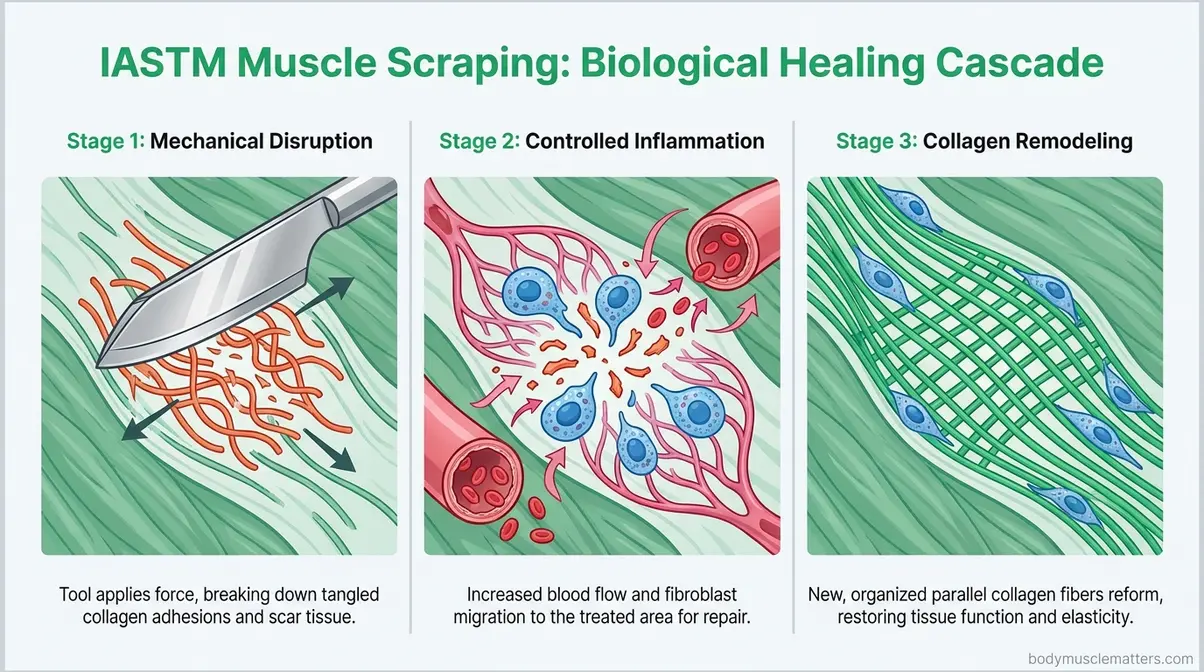
- Disrupts abnormal collagen. The mechanical force breaks down the cross-linked collagen fibers that form adhesions and scar tissue.
- Triggers a controlled inflammatory response. This mild, localized inflammation recruits fibroblasts (cells that produce new collagen) to the area, initiating tissue remodeling (NIH/PMC, 2026).
Research published in PMC confirms that IASTM “stimulates connective tissue remodeling through resorption of excessive fibrosis, along with inducing repair and regeneration” of soft tissue (NIH/PMC, 2026).
Microcirculation and Fibroblast Activation
Two biological processes explain why scraping produces lasting results rather than temporary relief.
Microcirculation increases happen almost immediately. The friction from the tool dilates small blood vessels in the treatment area, delivering oxygen and nutrients to tissue that may have been chronically undersupplied. Think of it like clearing a blocked pipe — fresh circulation accelerates healing.
Fibroblast activation is the longer-term mechanism. Fibroblasts are the cells responsible for producing collagen. A 2026 review of fascial interventions published in PMC found that mechanical stimulation from IASTM activates fibroblast proliferation, prompting the body to lay down new, properly aligned collagen fibers in place of the disorganized scar tissue (NIH/PMC, 2026). This is the structural repair that makes the improvement durable.
Physical therapists commonly observe that patients who complete a full course of IASTM — typically 6 to 8 sessions over several weeks — report sustained improvements in range of motion and pain levels that outlast the effects of massage alone.
The Fascia-First Framework reframes the question from “why is my muscle sore?” to “why is my fascia stuck?” That shift in perspective is why scraping can succeed where weeks of massage or stretching alone have not.
Benefits of Muscle Scraping: What the Evidence Shows
Muscle scraping therapy offers measurable, clinically documented benefits — particularly for people dealing with chronic soft tissue pain, reduced range of motion, or slow recovery from injury. The evidence base is growing, and recent large-scale analyses are providing clearer answers.
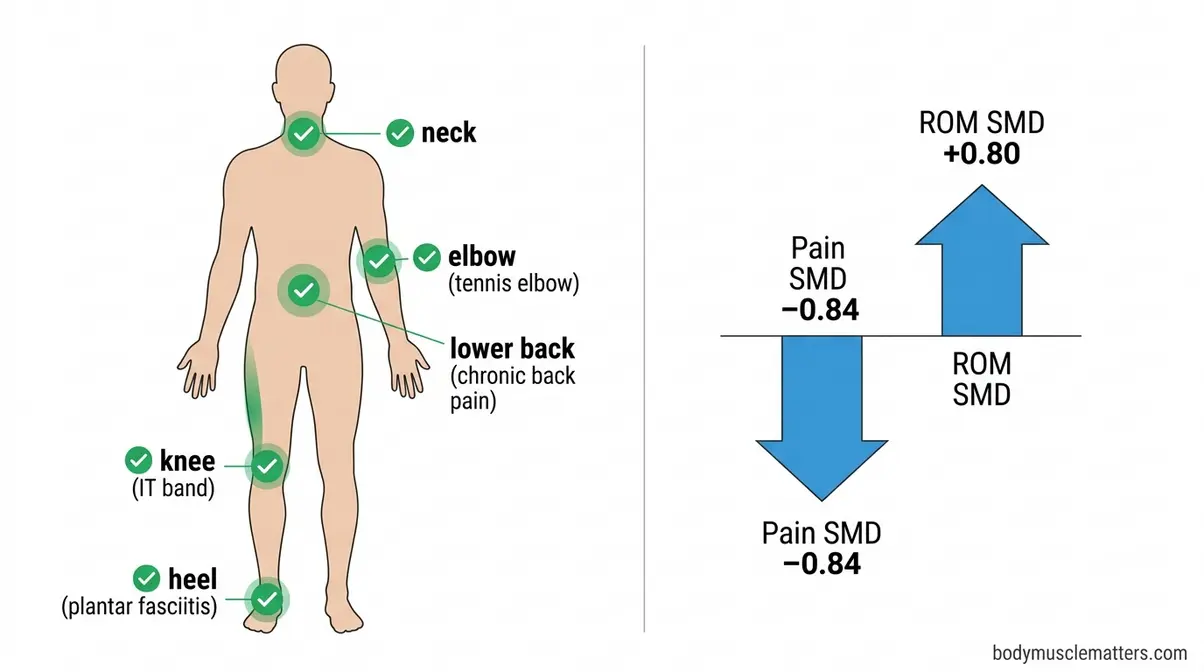
A 2026 meta-analysis of 20 randomized controlled trials involving 1,420 patients found that IASTM produced statistically significant reductions in pain (standardized mean difference of −0.84) and meaningful improvements in range of motion (SMD of 0.80). The strongest results were observed in spinal conditions and neuropathic pain scenarios (NIH/PMC, 2026). These are not marginal findings — they represent clinically meaningful improvements in real patients.
Conditions Commonly Treated with Muscle Scraping
Clinical research and practitioner reports identify several conditions where IASTM is most frequently applied:
- Plantar fasciitis — chronic heel and arch pain from inflamed plantar fascia
- IT band syndrome — lateral knee pain common in runners and cyclists
- Tennis elbow (lateral epicondylitis) — forearm tendon pain from repetitive gripping
- Chronic neck and back pain — especially when adhesions limit cervical or lumbar range of motion
- Post-surgical scar tissue — breaking down adhesions after procedures like ACL repair
- Tendinopathy — degenerative tendon conditions unresponsive to rest alone
- Trigger points and myofascial pain syndromes
What Patients Typically Experience
Physical therapists commonly report that patients initially notice two things: a mild scraping sensation during treatment (often described as “pressure with texture”) and the appearance of petechiae (small red or purple marks on the skin) afterward. Petechiae are a normal response — they indicate increased microcirculation in the treated area and typically fade within 24 to 72 hours.
Most patients report noticeable improvements in mobility after 2 to 4 sessions, with pain reduction continuing to build through a full treatment course. Clinical evidence indicates that IASTM works best when combined with therapeutic exercise and stretching, rather than as a standalone treatment (NIH/PMC, 2026).
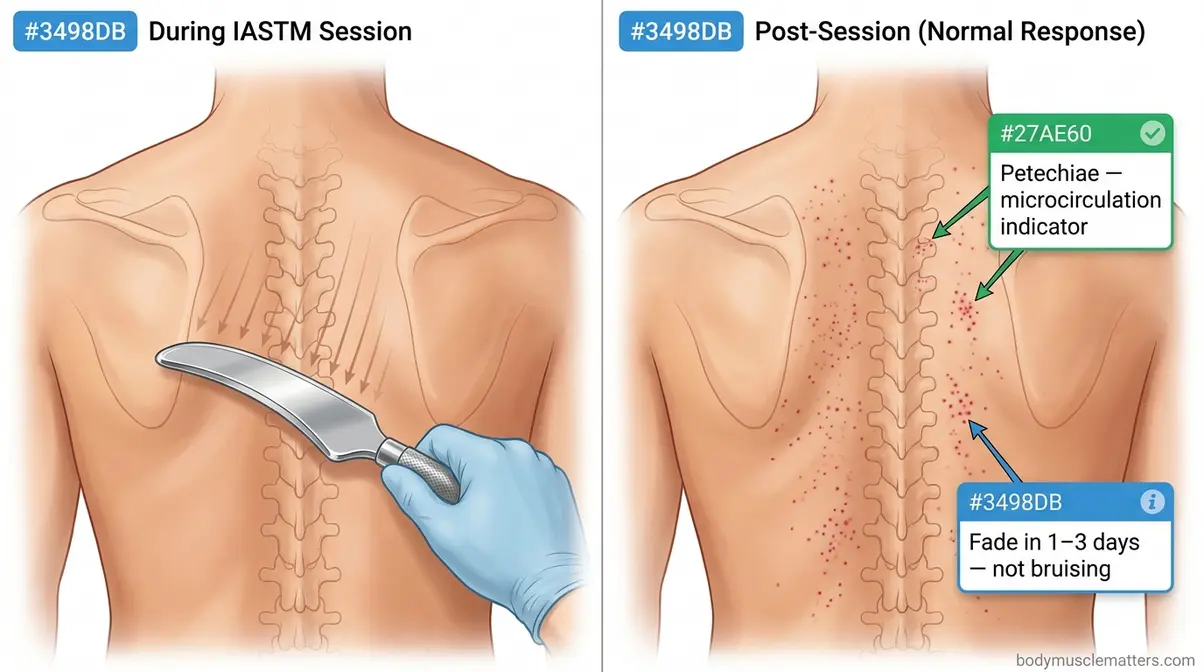
“IASTM produces clinically significant pain reduction and range-of-motion gains across 20 randomized trials — making it one of the better-evidenced manual therapy techniques available.” (PMC meta-analysis, 2026)
Muscle Scraping vs. Massage vs. Cupping: A Head-to-Head Comparison
Each of these three therapies targets soft tissue pain through a fundamentally different mechanism — and choosing the right one depends on your specific condition, goals, and how long you’ve been dealing with the problem.
| Feature | Muscle Scraping (IASTM) | Traditional Massage | Cupping Therapy |
|---|---|---|---|
| Primary Mechanism | Instrument-applied shear force on fascia | Manual pressure and kneading on muscle | Suction cups lift tissue upward |
| Primary Target | Fascia adhesions, scar tissue | Muscle belly tension, circulation | Blood flow, surface-level tension |
| Force Direction | Compressive + horizontal (scraping) | Positive pressure (pressing down) | Negative pressure (pulling up) |
| Best For | Chronic adhesions, post-injury scar tissue, tendinopathy | General relaxation, muscle tension, stress | Widespread soreness, inflammation, circulation boost |
| Typical Session | 15–30 min (targeted area) | 30–90 min (full body or zone) | 10–30 min |
| Visible Aftereffects | Petechiae (fade in 1–3 days) | None typically | Circular bruise-like marks (fade in 3–7 days) |
| Clinical Evidence | Strong for pain + ROM (20 RCT meta-analysis, 2026) | Moderate for relaxation, limited for structural change | Moderate; one 2025 study favored cupping for neck pain |
| Provider Needed? | Yes — licensed PT, chiropractor, or athletic trainer | Yes for therapeutic; no for general relaxation | Yes for clinical cupping; at-home kits available |
| Cost (approximate) | $75–$150/session | $60–$120/session | $50–$100/session |
Which Therapy Should You Choose?
The right choice depends on what’s causing your pain. Research suggests muscle scraping is most appropriate when you have a specific, localized area of chronic pain, restricted range of motion, or identifiable scar tissue from a past injury. Massage is the better starting point for general muscle tension, stress-related tightness, or when you need relaxation alongside physical relief. Cupping may be preferable for widespread soreness or when you want to improve circulation over a larger area — a 2025 PMC study found cupping produced greater benefits than IASTM for neck pain and range of motion in one trial (NIH/PMC, 2025).
Many clinicians combine all three modalities across a treatment plan, using scraping for structural work and massage or cupping for recovery sessions between.
Who Should Avoid Muscle Scraping: Safety and Contraindications
Muscle scraping is safe for most healthy adults when performed by a licensed clinician — but there are clear contraindications that must be respected. A 2025 international expert consensus study published in PMC established the first formal contraindication guidelines for IASTM based on a modified Delphi survey of leading clinicians (NIH/PMC, 2025).
Before your first session, your provider should conduct a thorough intake screening. If any of the following conditions apply to you, inform your clinician immediately — and consult your primary care physician or specialist before proceeding.
Absolute Contraindications: Do Not Proceed
These conditions represent situations where IASTM should not be used under any circumstances:
- Deep vein thrombosis (DVT) or thrombophlebitis — instrument pressure over a blood clot risks dislodging it, which can be life-threatening
- Unhealed or unstable fractures — applying shear force near a fracture site can interfere with bone healing
- Active skin infections, open wounds, or blisters — scraping over broken skin dramatically increases infection risk
- Bleeding disorders (hemophilia) or active anticoagulant medication — the therapy increases localized bleeding risk
- Osteomyelitis (bone infection) or myositis ossificans (abnormal bone formation in muscle)
- Active systemic infection or fever
Relative Contraindications: Proceed with Caution
These conditions require clinical judgment and possible modification of technique:
- Pregnancy — particularly avoid scraping over the spine, pelvis, and abdomen
- Active or suspected cancer — tissue manipulation could theoretically affect cancer spread; consult your oncologist
- Severe osteoporosis — reduced bone density increases fracture risk
- Uncontrolled hypertension
- Varicose veins or compromised skin integrity in the treatment zone
- Rheumatoid or psoriatic arthritis during active flare
- Medications: Fluoroquinolone antibiotics, hormone replacements, or high-dose NSAIDs may increase tendon fragility
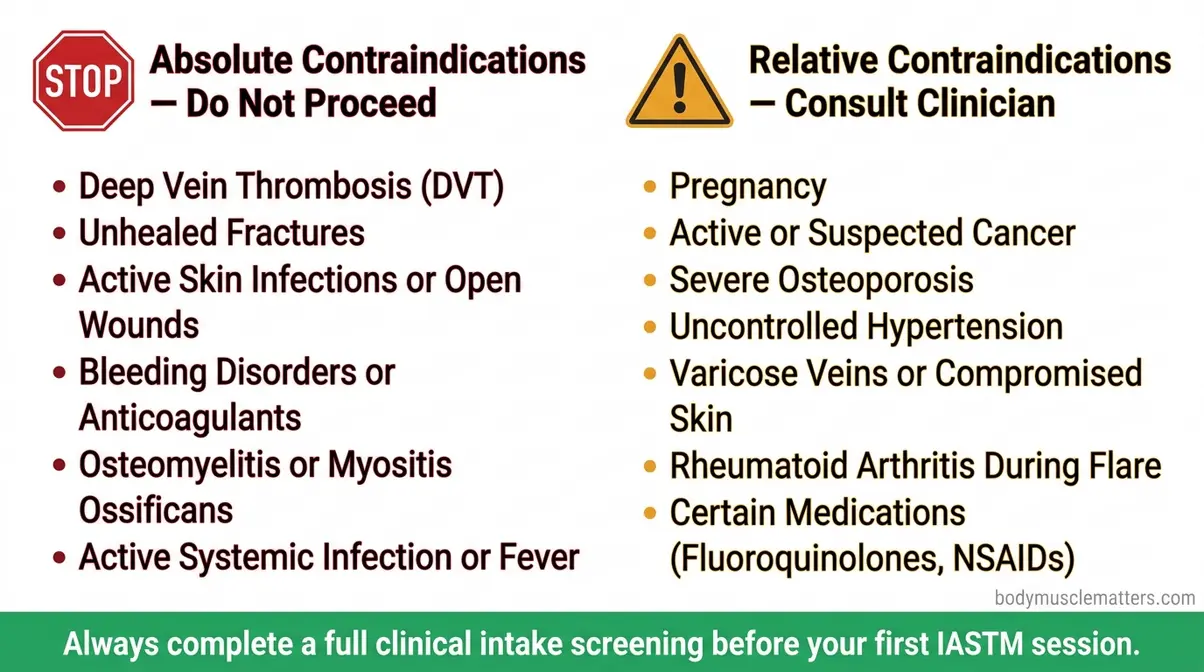
“The 2025 international expert consensus identified bleeding disorders, DVT, unhealed fractures, and active infections as the four highest-priority absolute contraindications for IASTM — conditions where no clinical benefit justifies the risk.” (PMC, 2025)
If you are unsure whether any of these apply to you, consult a licensed physical therapist or chiropractor before scheduling a session. Responsible clinicians will always screen for contraindications before beginning treatment.
What to Expect During a Muscle Scraping Session
A typical IASTM session lasts between 15 and 30 minutes and follows a structured clinical protocol. Knowing what to expect in advance helps you communicate clearly with your provider and reduces anxiety about the process.
Before the Session
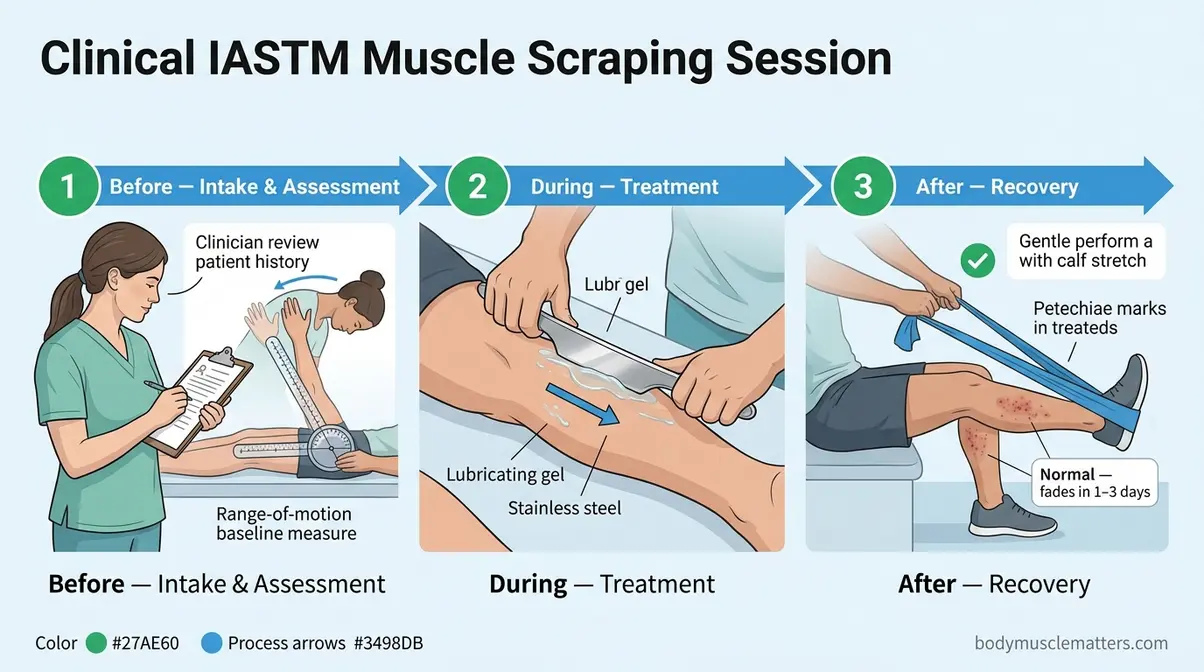
Your clinician will ask about your medical history, current medications, recent injuries, and pain patterns. This intake is not optional — it is the safety screening that identifies contraindications. You may also complete a range-of-motion assessment so the clinician can document your baseline and track improvement.
During Treatment
The clinician applies a lubricating cream or gel to the treatment area — this reduces friction on the skin surface and allows the tool to glide smoothly. They then use one or more IASTM instruments to systematically scan the tissue, applying varying degrees of pressure.
You will feel a scraping sensation. In areas with significant adhesions, the tool may “catch” or create a gritty feeling — this is the instrument detecting restricted tissue. Mild discomfort is normal; sharp or intense pain is not. Always tell your clinician if pressure becomes more than you can comfortably tolerate.
Sessions typically end with gentle stretching or therapeutic exercise. Research indicates that combining IASTM with exercise produces better outcomes than scraping alone (NIH/PMC, 2026).
After the Session
Expect petechiae — those small reddish marks — in the treated area. They are a sign of microcirculation activity, not bruising, and they fade within one to three days. Mild soreness similar to post-workout muscle fatigue is common for 24 to 48 hours. Staying hydrated and applying ice briefly (10 to 15 minutes) can ease post-treatment soreness.
Most treatment courses involve 6 to 8 sessions scheduled 1 to 2 times per week, with reassessment at each visit to track progress. Consult your licensed physical therapist or chiropractor to determine the right frequency for your specific condition.
Frequently Asked Questions About Muscle Scraping
Is muscle scraping painful?
Muscle scraping involves mild discomfort, not sharp pain. Most patients describe the sensation as “firm pressure with texture” — comparable to a deep-tissue massage in areas of significant tightness. In zones with dense adhesions, the tool may create a gritty or catching feeling, which is the instrument working through restricted tissue. Clinical guidelines recommend that discomfort should stay within a tolerable range — a 3 to 5 out of 10 on a pain scale. If you experience sharp or severe pain during a session, inform your clinician immediately so they can adjust technique or pressure.
How long do the results of muscle scraping last?
Results from a complete IASTM course can last months to years, especially when combined with corrective exercise. A full treatment course typically involves 6 to 8 sessions over 3 to 4 weeks. Research suggests that the structural collagen remodeling triggered by IASTM — where fibroblasts lay down new, organized collagen — produces more durable results than manual massage alone. Maintaining the results requires addressing the root movement patterns or postures that caused the original adhesions. For example, a runner with IT band syndrome who continues overstriding may see symptoms return without gait correction.
Does muscle scraping actually work, or is it a gimmick?
Muscle scraping is a legitimate clinical technique with a growing evidence base. A 2026 meta-analysis of 20 randomized controlled trials (1,420 participants) published in PMC found that IASTM produced statistically significant improvements in pain reduction and range of motion compared to control groups (NIH/PMC, 2026). It is not a miracle cure, and it works best as part of a comprehensive rehabilitation plan. What is muscle scraping good for specifically? Chronic soft tissue adhesions, tendinopathy, and post-surgical scar tissue — these are the conditions where the evidence is strongest.
How is muscle scraping different from cupping?
Muscle scraping uses downward compressive and horizontal shear force; cupping uses upward suction — they work in opposite directions on tissue. Scraping targets fascia adhesions and scar tissue at depth, using a rigid instrument to apply directional friction. Cupping uses negative pressure from suction cups to lift and decompress tissue from above, promoting circulation and surface-level tension relief. Both leave temporary marks — petechiae from scraping, circular discolorations from cupping. A 2025 PMC study found cupping produced greater improvements than IASTM for neck pain specifically, while scraping tends to show stronger results for localized tendinopathy and scar tissue (NIH/PMC, 2025). Many clinicians use both in the same treatment plan.
Can I do muscle scraping on myself at home?
Self-administered scraping tools are widely available, but professional clinical treatment is strongly recommended — especially for your first sessions. At-home scraping tools (often called “fascia scrapers” or “Gua Sha boards”) can be useful for maintenance between clinical sessions on low-risk areas like the calves or forearms. However, self-treatment carries real risks: applying too much pressure, treating contraindicated areas, or missing underlying pathology that a clinician would catch. Clinical research on IASTM is based on practitioner-administered treatment. Consult a licensed physical therapist or chiropractor before attempting self-treatment, particularly if you have any of the contraindications listed in this guide.
Who is most likely to benefit from muscle scraping?
People with chronic soft tissue pain, restricted range of motion, tendinopathy, or post-surgical scar tissue tend to respond best to IASTM. Clinical evidence is strongest for conditions including plantar fasciitis, IT band syndrome, lateral epicondylitis (tennis elbow), and chronic neck and back pain caused by fascial adhesions. Runners, cyclists, overhead athletes, and desk workers with repetitive-strain injuries are among the most common candidates. Research also supports IASTM as an effective adjunct to post-surgical rehabilitation for conditions like ACL reconstruction (NIH/PMC, 2026). A licensed clinician can assess whether your specific presentation is appropriate for scraping therapy.
Muscle Scraping: The Full Picture
Muscle scraping — formally known as IASTM — is a clinically validated soft tissue therapy that targets the root cause of chronic pain that massage and stretching alone often cannot fully address: the fascia. By applying controlled instrument pressure to break down adhesions, trigger fibroblast activation, and improve microcirculation, IASTM creates conditions for genuine structural tissue repair. A 2026 meta-analysis of 20 randomized controlled trials confirms significant, measurable improvements in pain and range of motion across a broad range of musculoskeletal conditions (PMC, 2026).
The Fascia-First Framework is the key insight to take away from this guide. When chronic pain persists despite massage, rest, or stretching, the problem is often not the muscle — it is the fascial adhesions surrounding it. IASTM addresses that layer directly, which is why it can succeed where other approaches have stalled. Understanding this framework helps you ask better questions of your clinician and set realistic expectations for your treatment.
If you are experiencing chronic muscle pain, restricted mobility, or slow recovery from an injury, the next step is a consultation with a licensed physical therapist or chiropractor. Ask specifically about IASTM as part of your rehabilitation plan — and bring the contraindications list from this guide to ensure a thorough screening. This content is for informational purposes only and does not constitute medical advice; always consult a qualified healthcare provider before beginning any new therapy.
Related posts:
Benefits of Yoga for Fitness: The Science-Backed Guide
Home Workouts to Build Muscle Without Weights (2026)
CrossFit Strength Training for Beginners: 2026 Guide
Home Workout Plan for Beginners: 30-Day Step-by-Step
How to Self Massage Calves: The 4-Layer Method Guide
Strength Training for Beginners: Complete Workout Plan 2026

Callum
Hi, I'm Callum, the founder of Body Muscle Matters. I'm not a certified trainer, I'm a self taught lifter who started this site to share what I've learned from my own training and a lot of trial and error. Everything here comes from real experience and honest research, written the way I'd explain it to a friend who is just getting started. My goal is simple: practical, no hype fitness advice you can actually use.