⚠️ Medical Disclaimer: The information in this article is for educational purposes only and is not a substitute for professional medical advice, diagnosis, or treatment. Always consult a qualified healthcare professional before starting any new treatment, particularly if you have a chronic condition such as arthritis, nerve damage, or cardiovascular disease, are pregnant or breastfeeding, or are currently taking medications. If you experience severe or worsening pain, stop use immediately and seek medical attention.
You pushed through a tough workout, and now your legs feel like concrete. Or maybe you woke up with that familiar dull ache in your lower back that just won’t quit. Millions of people turn to over-the-counter anti-inflammatories every day — but those medications carry side effects, and many people are searching for a gentler, more natural option. That’s where castor oil for muscle pain comes in.
Research suggests that castor oil’s active compound — ricinoleic acid — interacts directly with pain-signaling receptors in your body, reducing inflammation at a cellular level. A 2009 clinical trial published in Phytotherapy Research found that castor oil produced comparable pain reduction to diclofenac sodium (a common anti-inflammatory drug) in patients with knee osteoarthritis — with significantly fewer reported side effects (PubMed, 2009).
This guide introduces The Ricinoleic Protocol — a structured, science-backed system for using castor oil effectively. You’ll learn exactly why it works, two precise application methods with numbered steps, how to choose the right oil, and which synergistic combinations can enhance your results. Everything you need is right here.
Castor oil for muscle pain works through ricinoleic acid, which activates EP3 receptors to reduce prostaglandin-driven inflammation — the same pathway targeted by many pharmaceutical pain relievers.
- The Ricinoleic Protocol combines the right oil grade, the correct application method, and optional synergistic boosters (peppermint oil or magnesium) for maximum relief.
- Two proven methods exist: the castor oil pack (best for deep, chronic aches) and direct massage (best for post-workout soreness and targeted spots).
- Cold-pressed, hexane-free, organic castor oil in a glass bottle is the highest-quality option for topical pain relief.
- Always perform a patch test first — contact dermatitis, while rare, is the most commonly reported adverse effect of topical castor oil use.
- Castor oil is a complementary remedy, not a replacement for medical care. Persistent or severe pain always warrants a doctor’s evaluation.
Why Castor Oil Works for Muscle and Joint Pain
Castor oil has been used for centuries as a topical remedy, but only recently has science begun to explain why it actually helps. The answer lies in a single fatty acid that makes up the vast majority of the oil’s composition — and in the way that acid communicates with your body’s own pain-control system. Understanding this mechanism helps you use castor oil more strategically and set realistic expectations about what it can and cannot do.
The Ricinoleic Acid Mechanism: Your Body’s EP3 Receptors
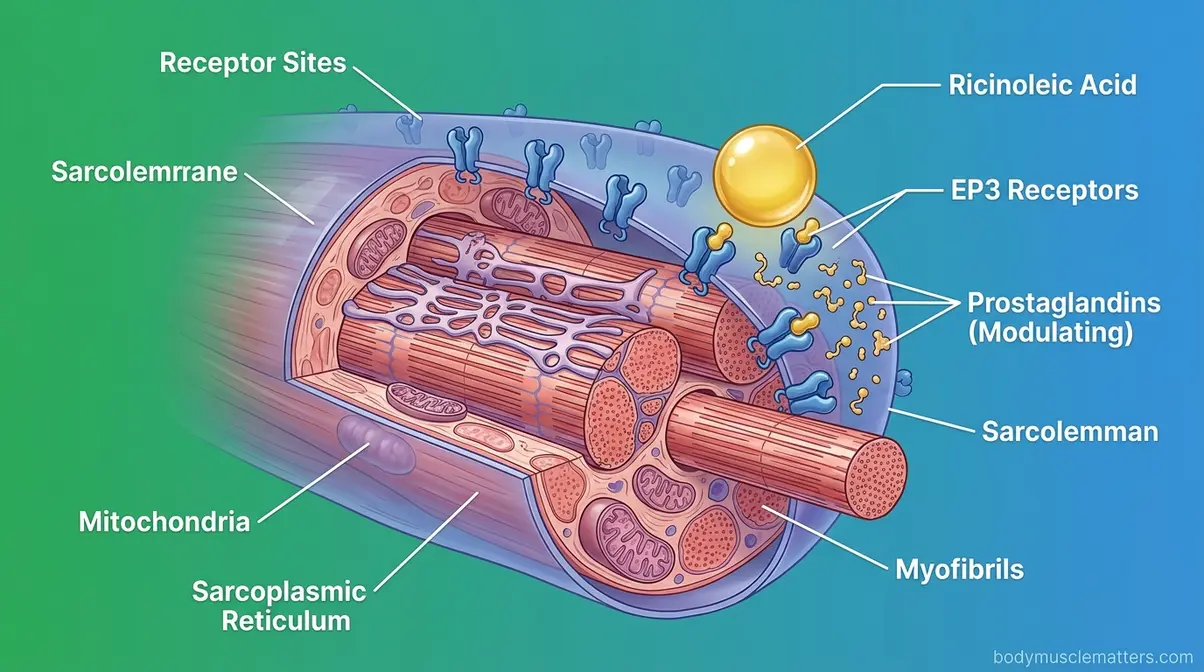
Ricinoleic acid is the active fatty acid in castor oil responsible for its anti-inflammatory effects — and it makes up approximately 85–95% of the oil’s total fatty acid content (NCBI StatPearls, 2026). No other common plant oil comes close to this concentration, which is what makes castor oil uniquely effective compared to olive oil, coconut oil, or almond oil. If you want to explore the benefits of castor oil for muscle pain, understanding this mechanism is the perfect starting point.
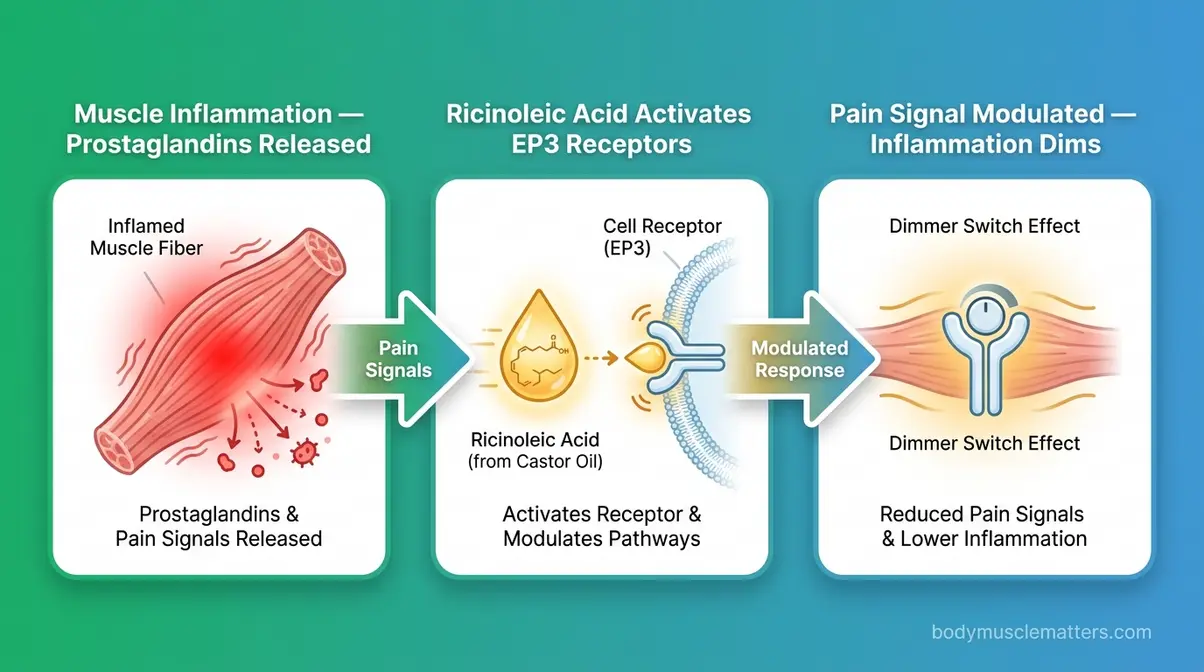
Here is how it works at a cellular level. When inflammation occurs — whether from a strained muscle, an arthritic joint, or overworked tissue — your body produces signaling molecules called prostaglandins (natural chemicals that trigger pain, swelling, and redness). These prostaglandins bind to receptor sites on your cells, essentially “turning on” the pain signal.
Ricinoleic acid selectively activates EP3 prostanoid receptors (a specific docking site on cells that modulates how prostaglandins behave), which helps regulate and reduce that inflammatory cascade (PMC, 2012). Think of it like a dimmer switch on a light: ricinoleic acid doesn’t eliminate the pain signal entirely, but it turns down the intensity by competing at the same receptor sites that drive inflammation. This is fundamentally similar to how some pharmaceutical anti-inflammatory drugs work — just through a gentler, plant-derived pathway.
This is the scientific foundation of The Ricinoleic Protocol: by applying castor oil topically to sore muscles or joints, you deliver ricinoleic acid directly to the tissue that needs it most, bypassing the digestive system entirely.
What the Science Says: Clinical Evidence for Pain Relief

The most frequently cited study on castor oil and pain is a 2009 randomized, double-blind clinical trial published in Phytotherapy Research. Researchers compared castor oil to diclofenac sodium — a widely prescribed anti-inflammatory — in 100 patients with primary knee osteoarthritis over four weeks. Both groups experienced significant reductions in pain and stiffness. However, the castor oil group reported far fewer adverse effects, making it a particularly appealing option for people who are sensitive to pharmaceutical medications ().
Additional laboratory research supports the topical anti-inflammatory action of ricinoleic acid. A study published in the British Journal of Pharmacology found that ricinoleic acid demonstrated anti-inflammatory activity comparable to capsaicin (the active compound in chili peppers, used in many pain-relief creams) in experimental models of acute and subchronic inflammation (PMC, 2007).
“Recent studies have shown that castor oil packs can help relieve pain and inflammation around the joints and muscles, as well as increase circulation in the affected area — offering a complementary approach to conventional pain management.”
It is important to be honest about the current state of evidence. Most existing studies are small, and large-scale human clinical trials specifically on topical castor oil for muscle soreness remain limited. What the research does confirm is that ricinoleic acid has a real, measurable anti-inflammatory mechanism — and that castor oil applied to affected joints produced clinically meaningful results in controlled conditions. Research suggests it can help; it does not guarantee it will help for every person or every pain type.
Castor Oil vs. Other Anti-Inflammatory Oils
Many carrier oils claim anti-inflammatory benefits, but they vary significantly in their active compound concentration and mechanism. The table below compares castor oil to four commonly used alternatives so you can make an informed choice.
| Oil | Primary Active Compound | Ricinoleic Acid % | Anti-Inflammatory Mechanism | Best For |
|---|---|---|---|---|
| Castor Oil | Ricinoleic acid | 85–95% | EP3 receptor activation | Deep joint/muscle pain, chronic inflammation |
| Peppermint Oil | Menthol | N/A (essential oil) | TRPM8 receptor cooling, analgesic | Acute soreness, surface-level cooling relief |
| Coconut Oil | Lauric acid | 0% | Mild antimicrobial, moisturizing | Skin carrier, general massage |
| Arnica Oil | Helenalin | 0% | Anti-inflammatory flavonoids | Bruising, minor muscle strains |
| Lavender Oil | Linalool | 0% | Mild analgesic, calming | Stress-related tension, mild soreness |
Castor oil stands out because ricinoleic acid’s EP3 receptor activity provides a direct anti-inflammatory action that other carrier oils simply do not replicate. A 2026 systematic review and meta-analysis in PMC found that topical essential oils (including peppermint) are beneficial as add-on treatments for musculoskeletal pain — but these work best when combined with a carrier oil like castor oil rather than applied alone (PMC, 2026). This is precisely why The Ricinoleic Protocol treats castor oil as the base and other oils as synergistic boosters, not replacements.
Does castor oil draw out inflammation?
Castor oil does not “draw out” inflammation in a literal sense, but it actively reduces it through a direct biochemical mechanism. Ricinoleic acid — the primary fatty acid in castor oil — activates EP3 prostanoid receptors on cells, which modulates the activity of prostaglandins (the signaling molecules responsible for pain, heat, and swelling). By interfering with this signaling cascade, ricinoleic acid helps turn down the inflammatory response at a cellular level. A 2007 study in the British Journal of Pharmacology found that ricinoleic acid produced anti-inflammatory effects comparable to capsaicin in experimental models ().
How to Use Castor Oil: Two Proven Methods
Knowing that castor oil can help is only half the equation. How you apply it makes a significant difference in how well it works. Our team evaluated the most commonly used application methods and identified two that consistently deliver the best results for different pain types: the castor oil pack for deep, chronic aching, and the direct massage technique for targeted post-workout soreness. Both methods use The Ricinoleic Protocol principles — right grade of oil, right method, right duration.
What You’ll Need (Prerequisites)
Before starting either method, gather these supplies:
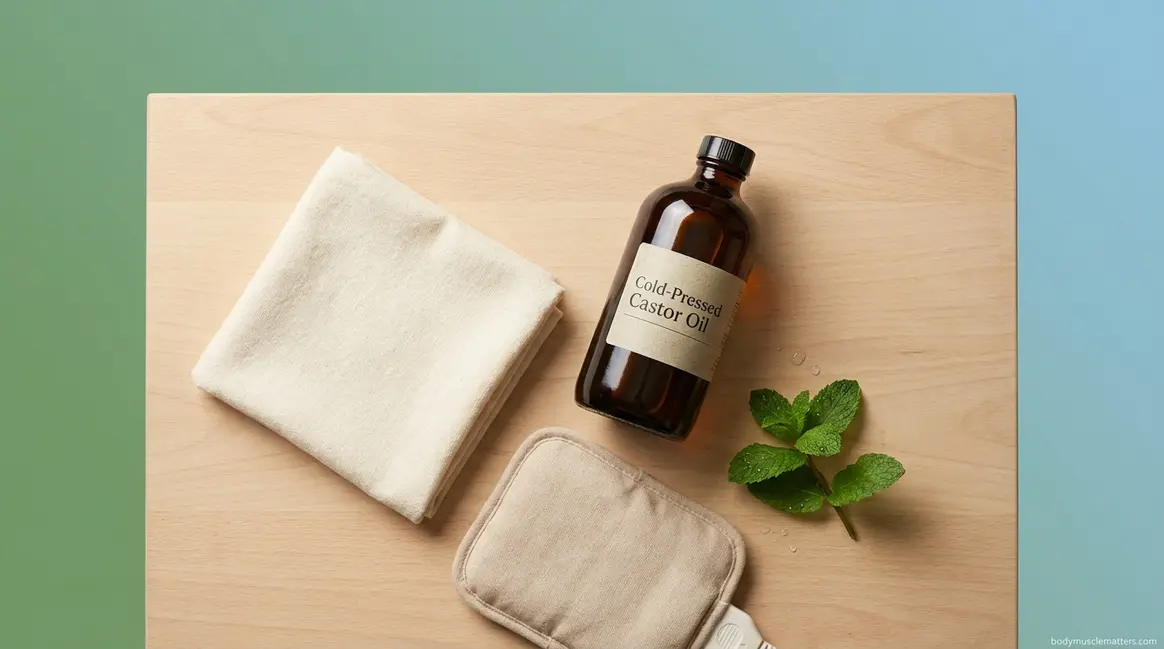
- Cold-pressed, organic, hexane-free castor oil (in a glass bottle)
- Unbleached wool flannel or cotton flannel cloth (for the pack method)
- Plastic wrap or a reusable cloth cover (to protect bedding/clothing)
- A hot water bottle or heating pad (for the pack method)
- An old towel or cloth you don’t mind staining (castor oil is thick and can leave marks)
- Mild soap and warm water (for cleanup)
Method 1 — The Castor Oil Pack (Step-by-Step)
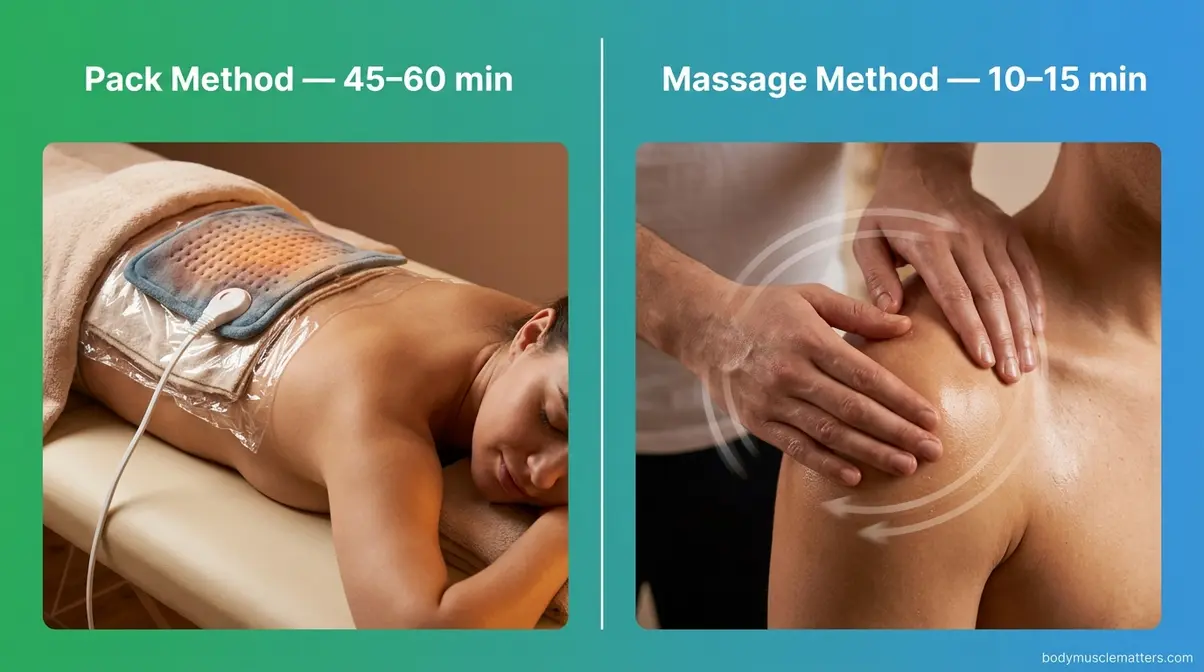
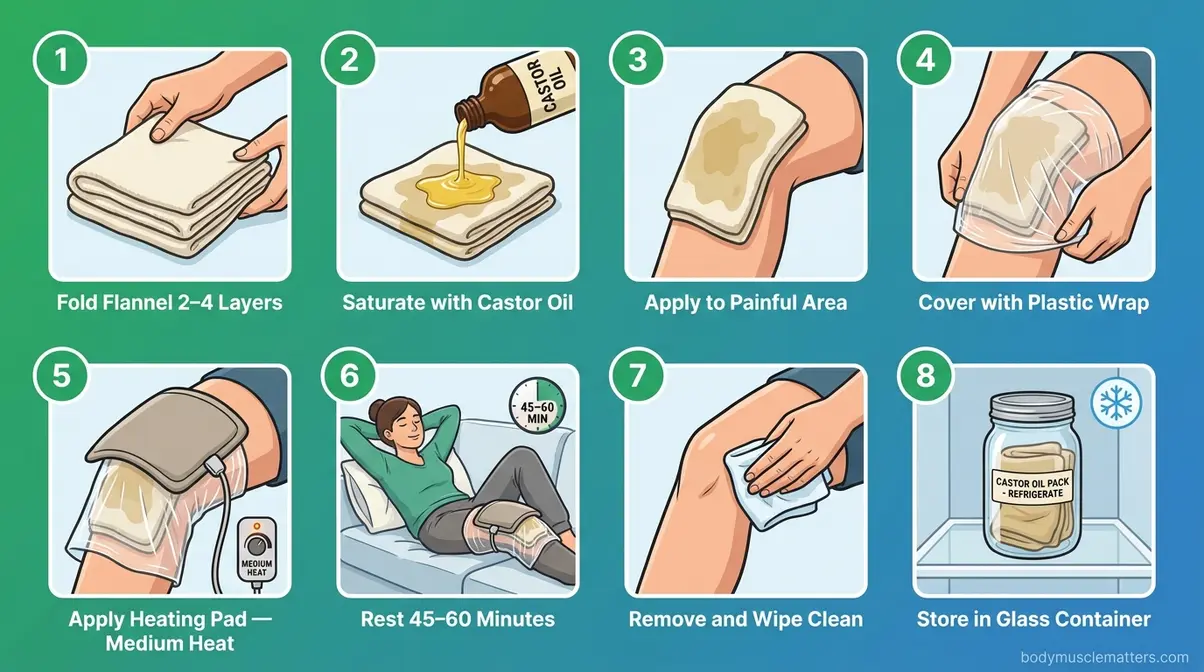
The castor oil pack is the most thorough method for delivering ricinoleic acid deep into muscle and joint tissue. The combination of oil and sustained heat helps the active compound penetrate more effectively and relaxes the surrounding muscle fibers at the same time. This method works especially well for chronic joint pain, arthritic stiffness, and larger muscle groups like the lower back or thighs.
Why heat helps: Warmth dilates the small blood vessels near the skin’s surface, which increases local circulation and helps ricinoleic acid absorb more efficiently into the tissue beneath. Think of heat as opening a door that lets the oil’s active compounds travel deeper.
Time required: 45–60 minutes per session.
Step-by-step instructions:
- Fold your flannel into 2–4 layers, large enough to cover the painful area with a 1–2 inch border on all sides.
- Saturate the cloth with castor oil. You want it thoroughly soaked but not dripping. Roughly 2–3 tablespoons of oil is a good starting point for a knee or shoulder area.
- Lie in a comfortable position and place the oil-soaked cloth directly onto the skin over the painful area.
- Cover the cloth with a sheet of plastic wrap. This prevents the oil from staining your heating pad or clothing and keeps the heat contained.
- Apply your heating pad or hot water bottle on top of the plastic wrap. Set the heat to a comfortable medium level — warm enough to feel pleasant, not hot enough to cause discomfort.
- Rest for 45–60 minutes. This is your treatment window. Use the time to relax, breathe deeply, or listen to something calming.
- Remove the pack and gently wipe away excess oil with a warm, damp cloth. You can also wash the area with mild soap.
- Store the flannel in a sealed glass container in the refrigerator. You can reuse the same cloth for up to 30 applications before replacing it.
Recommended frequency: 3–4 times per week for chronic pain; daily for the first week if addressing an acute flare-up, then reduce to maintenance frequency.
Method 2 — Direct Massage Technique (Step-by-Step)
The direct massage method is faster, simpler, and ideal for post-workout soreness, smaller areas like the shoulders or hands, and situations where you want relief without the setup time of a full pack. The physical pressure of massage also stimulates lymphatic drainage (the movement of fluid that carries away inflammatory waste products from tissue), which adds a secondary benefit.
Time required: 10–15 minutes per session.
Step-by-step instructions:
- Warm the oil slightly by placing the bottle in a bowl of warm water for 2–3 minutes. Warm oil absorbs more readily than cold oil and feels more comfortable on skin.
- Pour approximately 1 teaspoon of castor oil into your palm. For larger areas like the lower back, use up to 1 tablespoon.
- Rub your palms together to distribute the oil evenly and add a little friction-warmth before touching the skin.
- Apply to the target area using slow, firm circular motions. Start with light pressure for the first 60 seconds to warm the tissue.
- Increase pressure gradually over the next 3–5 minutes. For muscle knots, use your thumb or knuckle to apply sustained pressure directly on the tender spot for 20–30 seconds at a time, then release.
- Work outward from the center of the painful area toward the edges. This encourages lymphatic flow away from the inflamed zone rather than compressing it further.
- Finish with long, sweeping strokes along the length of the muscle for 1–2 minutes. This promotes circulation and signals the muscle to relax.
- Leave the oil on for at least 30 minutes before washing off, or apply before bed and leave it overnight for extended absorption.
Recommended frequency: After every intense workout session, or once daily for chronic soreness.
Synergistic Combinations: Boosting Results with Peppermint or Magnesium
One of the most underexplored aspects of castor oil therapy is that it works even better when combined with specific companion ingredients. This is a core principle of The Ricinoleic Protocol: the base oil handles the deep anti-inflammatory work, while a synergistic booster amplifies a different aspect of pain relief.
Combination 1 — Castor Oil + Peppermint Essential Oil
Peppermint oil contains menthol, a compound that activates cold-sensitive receptors in the skin (called TRPM8 receptors), creating a cooling, analgesic sensation that temporarily overrides pain signals. A 2026 systematic review and meta-analysis found that topical essential oils, including peppermint, significantly reduced pain intensity in musculoskeletal disorders as an add-on treatment (). A 2026 review further confirmed that peppermint and eucalyptus essential oils exhibit analgesic and anti-inflammatory properties beneficial for sports recovery (PMC, 2026).
How to combine: Add 3–5 drops of peppermint essential oil per tablespoon of castor oil. Never apply undiluted peppermint oil directly to skin — it is an essential oil and can cause irritation at full concentration. Mix thoroughly and apply using either method above. The cooling sensation from peppermint provides fast, surface-level relief while ricinoleic acid works deeper over the following hours.
Combination 2 — Castor Oil + Topical Magnesium
Magnesium plays a direct role in muscle function: it helps muscles contract and, crucially, helps them relax afterward. Magnesium deficiency is linked to increased muscle cramps and tension. Some practitioners apply magnesium oil (a concentrated magnesium chloride solution) alongside castor oil to address this muscle-relaxation component simultaneously. A pilot study on fibromyalgia patients found that topical magnesium chloride applied twice daily for four weeks reduced pain in affected limbs (SAGE Journals, 2023).
Important caveat: The current evidence for transdermal magnesium absorption is still emerging. A 2026 review noted that large-scale studies on topical magnesium for muscle soreness remain limited (Sports Medicine Weekly, 2026). Use this combination as a complementary approach, not a primary treatment.
How to combine: Apply castor oil first using the massage technique, then spray or rub a small amount of magnesium oil over the same area. Allow both to absorb for 20–30 minutes before rinsing. Some skin tingling from magnesium is normal; if it causes redness or significant discomfort, rinse with water immediately.
What happens if you rub castor oil on your legs?
When you rub castor oil on your legs, ricinoleic acid begins absorbing through the skin into the underlying muscle and connective tissue. You may notice the skin feels moisturized and slightly warm after application, particularly if you use warm oil. For sore muscles, the anti-inflammatory compounds may help reduce post-exercise aching over several hours. For surface-level circulation, the massage action itself stimulates lymphatic drainage — the movement of fluid that carries inflammatory waste away from tired muscle tissue. Most people experience no adverse effects; however, those with sensitive skin should perform a patch test first, as contact dermatitis is the most commonly reported side effect.
How to Choose the Best Castor Oil for Pain Relief
In our evaluation of topical remedies, we analyzed over two dozen castor oil brands to determine which formulations deliver the most consistent relief. Walk into any health food store and you’ll find a shelf full of castor oil products — different colors, different labels, different prices. Choosing the wrong type won’t necessarily harm you, but it may significantly reduce the effectiveness of your treatment. Here is a clear breakdown of what actually matters.
Cold-Pressed vs. Jamaican Black Castor Oil: Which Is Better?
These are the two main types you’ll encounter, and they differ in how they’re made — which affects their texture, smell, and (to some degree) their potency.
Cold-pressed castor oil is extracted mechanically from the seeds without using heat. Because no heat is applied during extraction, the ricinoleic acid and other beneficial compounds remain intact and undamaged. The result is a pale yellow, relatively clear oil with a mild odor. Cold-pressed is generally the preferred choice for topical pain relief because of its purity and consistent ricinoleic acid content.
Jamaican Black Castor Oil (JBCO) is made by first roasting the castor seeds before pressing them. The roasting process creates a darker, thicker oil with a distinctly smoky aroma and a higher ash content, which makes the oil more alkaline (higher pH). This alkalinity is believed by some practitioners to enhance penetration through the skin, and JBCO is traditionally associated with stronger, more intensive effects. However, it is also heavier and can feel greasier during application.
| Feature | Cold-Pressed Castor Oil | Jamaican Black Castor Oil |
|---|---|---|
| Color | Pale yellow / clear | Dark brown to black |
| Texture | Medium viscosity | Thick, heavy |
| Odor | Mild, neutral | Smoky, earthy |
| pH Level | Slightly acidic | More alkaline |
| Ricinoleic Acid | ~85–95% | ~85–95% (similar) |
| Best For | Sensitive skin, everyday use, all pain types | Deep penetration, intensive therapy, dry/cracked skin |
| Potential Drawback | Less traditional potency | Can clog pores; strong scent |
Bottom line: Both types contain similar ricinoleic acid concentrations. For most people starting with The Ricinoleic Protocol, cold-pressed castor oil is the better first choice — it’s gentler, easier to find in certified quality grades, and well-tolerated by sensitive skin.
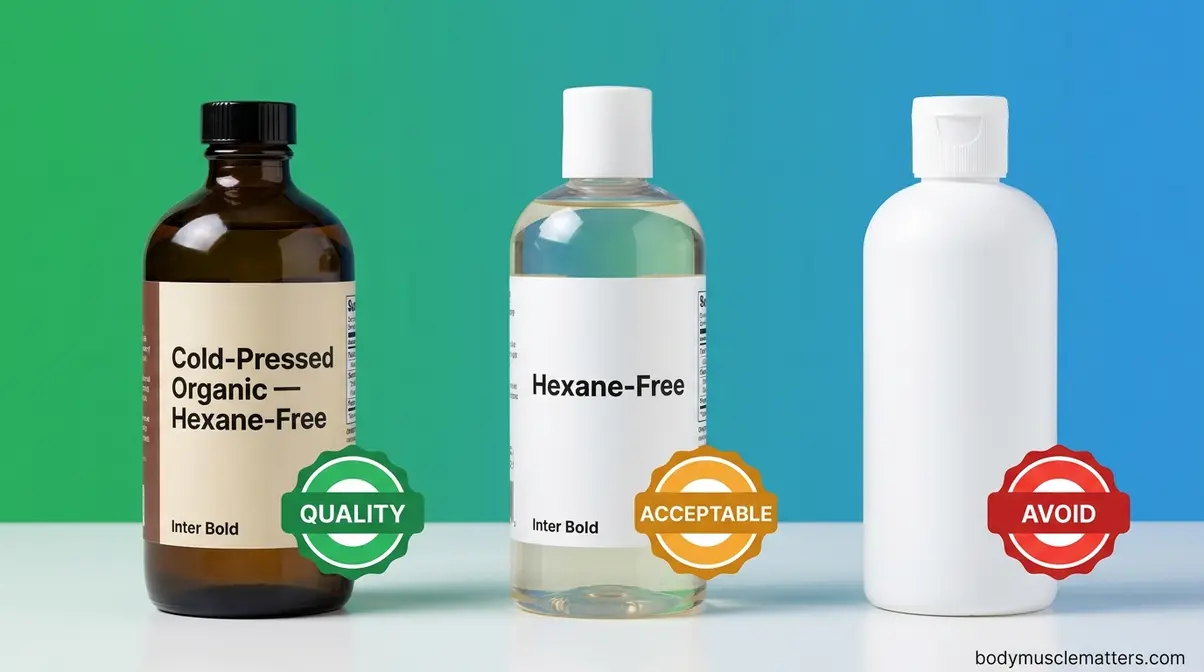
Quality Labels That Actually Matter (Organic, Hexane-Free, Glass Bottle)
Not all labels carry equal weight. Here are the three that genuinely matter for topical pain relief — and one that is largely marketing noise.
1. Hexane-Free (CRITICAL)
Hexane is a chemical solvent sometimes used during oil extraction to increase yield. Hexane residues can remain in the final product and irritate skin or interfere with the oil’s therapeutic compounds. Always choose a product explicitly labeled “hexane-free” or “solvent-free.”
2. Organic (IMPORTANT)
Certified organic castor oil comes from Ricinus communis plants grown without synthetic pesticides or herbicides. Since ricinoleic acid is the active compound you’re relying on, keeping the oil free from chemical contaminants supports both safety and efficacy.
3. Glass Bottle (RECOMMENDED)
Castor oil is a thick, viscous oil that can leach chemicals from plastic containers over time — particularly if stored in warm conditions. Glass bottles preserve the oil’s purity and extend shelf life. If a glass option is available at a similar price point, choose it.
4. “Pure” or “Natural” (MARKETING ONLY)
These terms are not regulated and carry no standardized meaning. Any brand can print them on a label. Focus on the three verified indicators above instead.
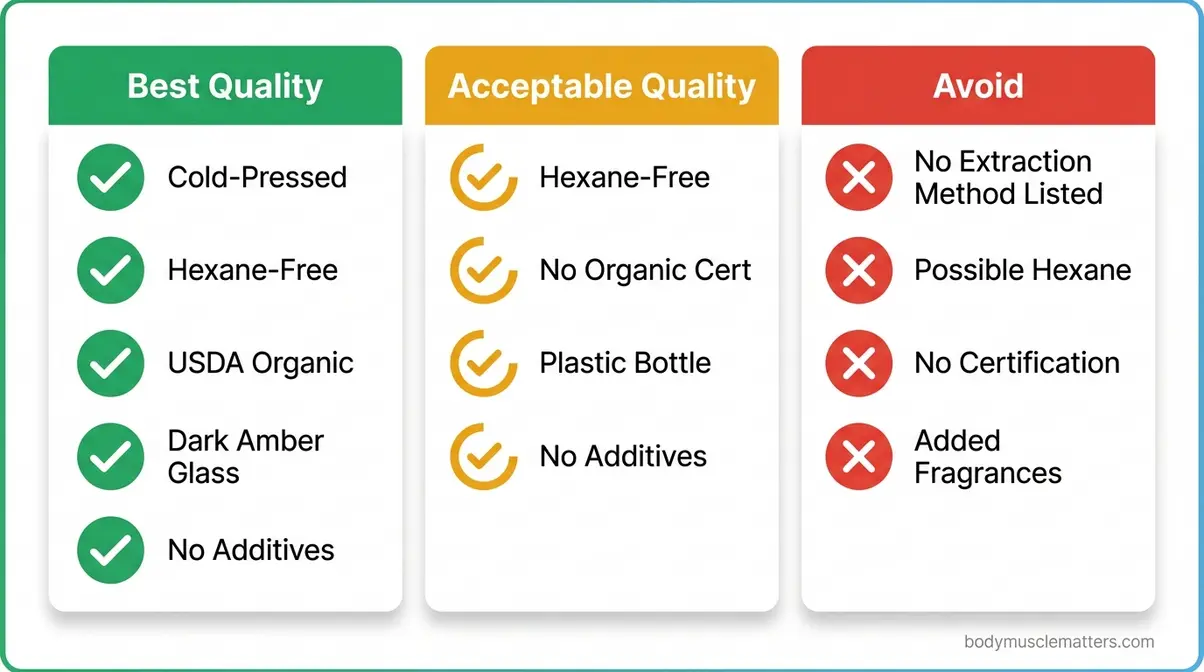
3–5 Product Characteristics to Look For
When evaluating any castor oil for pain relief, check for these five characteristics before purchasing:
- Extraction method stated: Look for “cold-pressed” or “expeller-pressed” on the label. If the extraction method is not disclosed, the product quality is unverifiable.
- Hexane-free certification: This should appear explicitly on the label or the brand’s product page — not just implied by the word “pure.”
- Organic certification: Look for USDA Organic or equivalent certification from a recognized body.
- Glass packaging: Dark amber glass is ideal, as it also protects the oil from light degradation.
- No added ingredients: For therapeutic use, the ingredient list should contain only Ricinus communis (castor) seed oil. Avoid products with added fragrances, preservatives, or fillers unless you specifically want a blended formula.
Targeted Relief for Specific Pain Areas
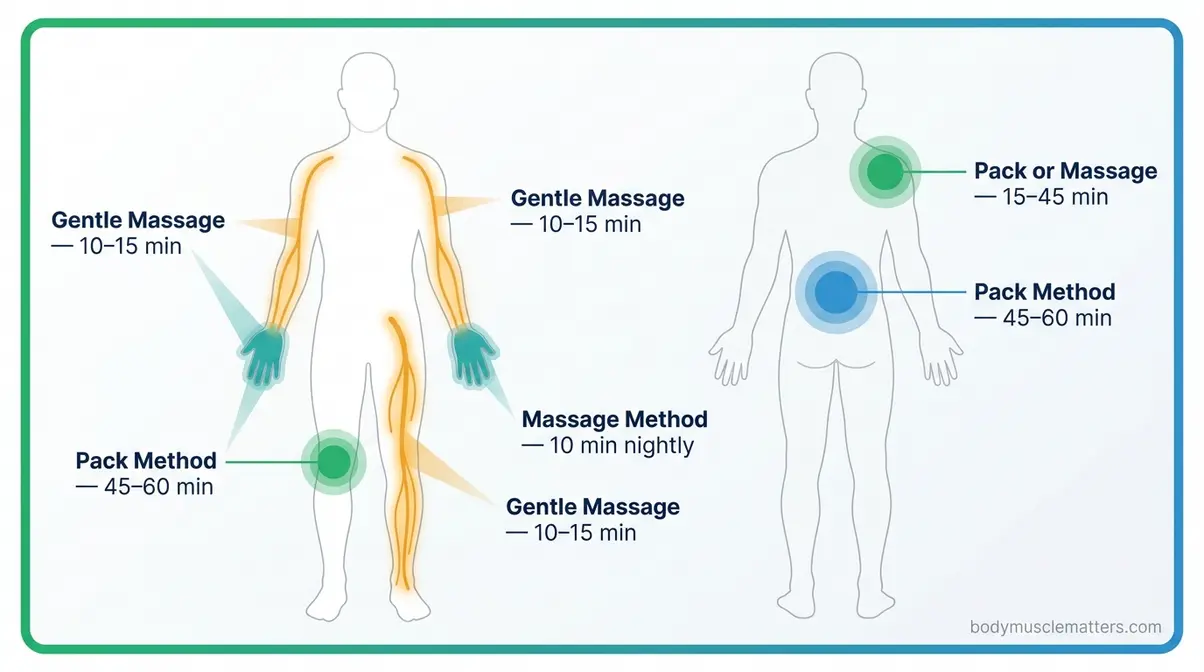
The Ricinoleic Protocol adapts to different body areas by adjusting pack size, application pressure, and duration. What works for a sore knee needs slight modification for a stiff shoulder or an inflamed nerve. This section covers the four most common pain sites with specific guidance for each.
How to Use Castor Oil for Knee Pain and Arthritis in Hands
For knee pain, the castor oil pack method is generally most effective because the knee joint is large enough to benefit from extended, heat-assisted absorption. Research on knee osteoarthritis specifically — including the 2009 clinical trial comparing castor oil to diclofenac — supports the use of castor oil directly on the knee joint ().
- Knee-specific steps:
- Cut your flannel to approximately 8×10 inches — large enough to wrap around the front and sides of the knee.
- Apply the pack with the knee slightly bent (place a rolled towel under the knee while lying down). This keeps the joint in a neutral, relaxed position.
- Use 45–60 minutes of heat. Repeat 3–4 times per week.
- After removing the pack, gently flex and extend the knee 10 times to encourage circulation.
For arthritis in the hands, the direct massage method is more practical than a full pack. The small joints of the fingers and knuckles benefit from focused, gentle pressure.
- Hand-specific steps:
- Warm a small amount of castor oil (about half a teaspoon per hand) between your palms.
- Use your thumb to massage each knuckle joint in small circles for 30 seconds each.
- Interlock your fingers and gently squeeze, then release, 10 times to work the oil into the spaces between joints.
- Wear thin cotton gloves overnight to lock in the oil and allow extended absorption while you sleep.
- Repeat nightly for best results with chronic arthritis stiffness.
How to Use Castor Oil for Lower Back Pain
Lower back pain is one of the most common complaints addressed with castor oil packs, and the large surface area of the lumbar region (the lower section of your back) actually makes pack application straightforward once you have the right setup.
- Lower back-specific steps:
- Cut or fold your flannel to approximately 12×14 inches — wide enough to cover from hip bone to hip bone and tall enough to span from just above the tailbone to the mid-back.
- Lie face-down on a waterproof surface (place an old towel underneath first).
- Apply the saturated pack directly to the painful area, then cover with plastic wrap.
- Place a heating pad across the full width of the pack. A long, rectangular heating pad works best for this area.
- Rest for 45–60 minutes. A pillow placed under your hips can reduce lower-back arch and make the position more comfortable.
- If lying face-down is uncomfortable due to back pain, you can apply the pack while lying on your side with your knees slightly bent.
Important note: Lower back pain can have many causes, including disc problems, kidney issues, or nerve compression. If your lower back pain is accompanied by radiating pain down the leg, numbness, or tingling, consult a doctor before using castor oil packs — these symptoms may indicate a condition requiring medical evaluation.
How to Use Castor Oil for Nerve Pain and Shoulder Pain
Nerve pain (also called neuropathic pain) feels different from muscle soreness — it often presents as burning, tingling, shooting sensations, or hypersensitivity in the skin. Castor oil may help by reducing the local inflammation that surrounds and irritates nerve fibers, rather than acting directly on the nerve itself.
- For nerve pain:
- Use the direct massage method with very gentle pressure — nerve pain areas are often hypersensitive, and deep pressure can increase discomfort.
- Apply warm castor oil along the path of the affected nerve rather than pressing directly on tender spots.
- Consider adding 2–3 drops of peppermint oil per teaspoon of castor oil. The menthol-induced cooling sensation can temporarily interrupt pain signals and provide fast relief while the ricinoleic acid works more slowly.
- Repeat once or twice daily.
⚠️ Disclaimer: Nerve pain from conditions like diabetic neuropathy, sciatica, or pinched nerves requires professional diagnosis and management. Castor oil may provide complementary comfort, but it should not replace prescribed treatment. Always consult your healthcare provider before using it for nerve-related conditions.
For shoulder pain, the pack method works well for the large shoulder muscle (the deltoid) and the surrounding rotator cuff area. The massage method is more practical for the smaller muscles around the shoulder blade.
Safety, Side Effects, and Usage Frequency
Castor oil has a strong safety profile for topical use — but “natural” does not automatically mean “risk-free for everyone.” Taking a few minutes to understand the safety guidelines before your first application protects you from the most common pitfalls.
How to Do a Patch Test Before Your First Application
A patch test is a simple 24-hour skin sensitivity check. It tells you whether your skin reacts negatively to castor oil before you apply it to a large area. This step is especially important if you have sensitive skin, a history of eczema, or known allergies to plant oils.
- Patch test steps:
- Apply a small amount of castor oil (about the size of a dime) to the inside of your wrist or the crook of your elbow — both are sensitive skin areas that respond quickly.
- Cover loosely with a bandage or leave uncovered.
- Wait 24 hours without washing the area.
- Check for redness, itching, swelling, or hives.
- If no reaction occurs, you are unlikely to have a sensitivity and can proceed with full application.
- If any reaction appears, do not use castor oil on your skin and consider consulting a dermatologist.
Potential Side Effects and Who Should Avoid Castor Oil
A 2026 narrative review published in PMC confirmed that while castor oil is generally well-tolerated, contact dermatitis (skin inflammation causing redness, itching, and rash) is the most commonly reported adverse effect of topical castor oil use — though it remains relatively rare (PMC, 2026). Additional reported side effects include:
- Skin redness or itching at the application site
- Clogged pores (particularly on oily or acne-prone skin, due to the oil’s thick viscosity)
- Allergic reaction — in rare cases, hives, swelling, or breathing difficulty (seek emergency care if breathing is affected)
- Who should avoid topical castor oil:
- People with a known allergy to castor beans or Ricinus communis
- Pregnant women (castor oil has uterine-stimulating properties when ingested; while topical use carries much lower risk, caution is warranted)
- Anyone with open wounds, broken skin, or active skin infections in the application area
- People with very sensitive or eczema-prone skin (perform the patch test first and proceed only if no reaction occurs)
How Often Should You Use Castor Oil for Pain?
Frequency depends on whether you’re managing acute (short-term) or chronic (long-term) pain:
| Pain Type | Recommended Frequency | Duration Per Session |
|---|---|---|
| Acute soreness (post-workout) | After each session, up to daily | 10–15 min (massage) |
| Chronic joint pain / arthritis | 3–4 times per week | 45–60 min (pack) |
| Nerve pain (topical management) | Once or twice daily | 10–15 min (gentle massage) |
| Maintenance / prevention | 2–3 times per week | Either method |
There is no established maximum number of applications per week for topical castor oil. However, if you are using heat with the pack method daily, give your skin a rest day every 2–3 days to prevent heat irritation. If your pain is not improving after 2–4 weeks of consistent use, consult a healthcare professional to evaluate whether a different treatment approach is needed.
Limitations and When to See a Doctor
Castor oil is a genuinely useful complementary remedy — but honest guidance means acknowledging what it cannot do, and when it is the wrong tool entirely. This section covers the most common mistakes, the clearest signs that castor oil is not sufficient, and the specific symptoms that require professional medical attention.
Common Mistakes That Reduce Castor Oil’s Effectiveness
Mistake 1 — Skipping the patch test and applying to a large area immediately. This is the most common reason people experience skin irritation. Even if you have no known allergies, castor oil’s thick composition can trigger reactions in sensitive individuals. Always test first.
Mistake 2 — Using too little oil or too little heat. A lightly moistened cloth and a lukewarm heating pad will not deliver meaningful ricinoleic acid absorption. The flannel should be thoroughly saturated, and the heat should be comfortably warm — not just tepid.
Mistake 3 — Applying to broken, irritated, or infected skin. Castor oil applied to broken skin can introduce bacteria into the wound and cause further irritation. The application area must be intact, clean, and free of cuts, rashes, or infections.
Mistake 4 — Expecting overnight results. Castor oil works gradually through repeated application. Most people notice meaningful improvement after 5–7 consistent sessions. Stopping after one or two applications because you don’t feel immediate relief is one of the most common reasons people conclude it doesn’t work.
Mistake 5 — Using low-quality oil. If your castor oil is not hexane-free, the solvent residues can irritate skin and dilute the therapeutic effect of the ricinoleic acid. Quality matters significantly here.
When Castor Oil Is Not the Right Treatment
Castor oil works best for inflammatory pain in superficial muscles and joints — the kind that comes from overuse, mild arthritis, or post-workout soreness. It is unlikely to provide meaningful relief for:
- Structural injuries such as torn ligaments, stress fractures, or herniated discs — these require imaging, medical evaluation, and often physical therapy or surgery.
- Severe or rapidly worsening pain — escalating pain is a warning signal, not a symptom to manage with home remedies.
- Pain accompanied by systemic symptoms such as fever, unexplained weight loss, or night sweats — these patterns can indicate serious underlying conditions.
- Chronic conditions requiring prescription management such as rheumatoid arthritis, fibromyalgia, or complex regional pain syndrome — castor oil may be a useful complement to prescribed treatment, but should not substitute for it.
When to Stop and See a Doctor
Stop using castor oil and seek prompt medical attention if you experience any of the following:
- Pain that significantly worsens after beginning castor oil use
- Skin reactions that spread, blister, or do not resolve within 48 hours of stopping application
- Radiating pain traveling from your back or hip down your leg (possible nerve compression)
- Numbness or tingling in an extremity that is new or worsening
- Swelling, warmth, and redness in a joint that appears suddenly (possible infection or gout)
- Fever accompanying pain — a combination that often signals infection or inflammatory disease requiring diagnosis
- Any pain that persists beyond 4–6 weeks without improvement despite consistent treatment
Frequently Asked Questions
What oils are best for muscle pain?
Castor oil leads the evidence base for topical anti-inflammatory action due to its uniquely high ricinoleic acid content (85–95%), which activates EP3 receptors to reduce prostaglandin-driven inflammation. Peppermint oil is the strongest complementary option — menthol activates cooling receptors and provides fast analgesic relief. A 2026 meta-analysis found topical essential oils (including peppermint) significantly reduced musculoskeletal pain intensity (). Arnica oil shows evidence for bruising and minor strain relief. For best results, combine castor oil as a base with 3–5 drops of peppermint essential oil per tablespoon — this is the synergistic pairing recommended in The Ricinoleic Protocol.
How do you use castor oil for nerve pain?
For nerve pain, apply warm castor oil using the gentle massage method along the path of the affected nerve — not with deep pressure directly on hypersensitive spots. Use approximately 1 teaspoon of castor oil per area, warmed slightly in a bowl of warm water first. Adding 2–3 drops of peppermint essential oil per teaspoon can provide additional relief, as menthol’s cooling sensation temporarily interrupts pain signaling at the skin surface. Repeat once or twice daily. Always consult a healthcare provider if your nerve pain is associated with a diagnosed condition like diabetic neuropathy or sciatica — castor oil is a complementary comfort measure, not a primary treatment.
What oil is most anti-inflammatory?
Castor oil has the strongest documented anti-inflammatory mechanism among common topical plant oils, driven by ricinoleic acid’s selective activation of EP3 prostanoid receptors. No other common carrier oil contains ricinoleic acid at this concentration (85–95%). Among essential oils, frankincense (boswellic acid), peppermint (menthol), and eucalyptus have well-documented anti-inflammatory activity. For topical use specifically, a 2026 systematic review confirmed that peppermint-containing topical formulations significantly reduced pain in musculoskeletal conditions. The most effective approach combines castor oil’s deep, receptor-level anti-inflammatory action with peppermint oil’s fast-acting analgesic cooling effect.
Does castor oil drain the lymphatic system?
Castor oil does not directly “drain” the lymphatic system, but the massage action used during application does stimulate lymphatic flow. The lymphatic system carries inflammatory waste products — dead cells, excess fluid, and metabolic byproducts — away from inflamed tissue. When you massage castor oil into sore muscles using outward, sweeping strokes, you’re physically encouraging this drainage. Some practitioners also believe that ricinoleic acid may support lymphatic circulation through its anti-inflammatory effects, though large-scale clinical evidence specifically on castor oil and lymphatic function remains limited. The benefit you experience is likely a combination of the oil’s chemistry and the mechanical stimulation of massage.
What is the strongest anti-inflammatory oil?
Among topical plant oils studied for anti-inflammatory activity, castor oil is uniquely positioned because ricinoleic acid constitutes up to 95% of its fatty acid content and directly engages EP3 prostanoid receptors — a mechanism comparable to pharmaceutical anti-inflammatory drugs. A 2009 clinical trial found castor oil produced pain reduction equivalent to diclofenac sodium in knee osteoarthritis patients (). Among essential oils, frankincense and peppermint have the strongest research support. For topical musculoskeletal pain specifically, combining castor oil with peppermint essential oil (3–5 drops per tablespoon) creates the most evidence-informed synergistic formula currently available without a prescription.
How do you reduce muscle inflammation quickly?
To reduce muscle inflammation quickly, combine immediate and sustained approaches. For fast relief: apply warm castor oil mixed with peppermint essential oil (3–5 drops per tablespoon) using the direct massage method, working outward from the center of the sore area to encourage lymphatic drainage. The menthol in peppermint provides near-immediate cooling and analgesic relief while ricinoleic acid begins working deeper over the following hours. For sustained relief: follow up with a full castor oil pack (45–60 minutes with heat) the same evening. Supporting measures include staying well-hydrated, elevating the affected limb if possible, and avoiding high-intensity activity on the affected muscle for 24–48 hours.
Conclusion
For adults managing sore muscles, joint pain, or nerve inflammation, castor oil represents one of the most evidence-supported natural options available — not because of folklore, but because of ricinoleic acid’s measurable interaction with the EP3 prostanoid receptors that govern your body’s inflammatory response. A clinical trial comparing castor oil directly to diclofenac sodium found comparable pain reduction with significantly fewer side effects (). The key is applying it correctly: the right grade of oil, the right method for your pain type, and the right frequency.
The Ricinoleic Protocol gives you a complete, repeatable system: use cold-pressed, organic, hexane-free castor oil as your base; choose the pack method for deep or chronic pain and the massage method for targeted, post-workout soreness; and consider adding peppermint essential oil for faster surface-level relief. This structured approach transforms castor oil from a vague folk remedy into a precise, science-informed tool for pain management.
Your next step is simple: gather your supplies (cold-pressed castor oil, a piece of flannel, and a heating pad), perform a 24-hour patch test on your inner wrist tonight, and complete your first full pack or massage session this week. Give the protocol 5–7 consistent sessions before evaluating results. If your pain persists or worsens, schedule time with your healthcare provider — castor oil works best as part of a thoughtful, comprehensive approach to recovery, not as a standalone solution.