Best Plant-Based Protein Powder: 10 Tested Picks (2026)
“My daughter became vegan and I want to support her, but she’s been losing a lot of weight. Protein is a challenge.”
That concern is more common than you might think. Finding the best plant based protein powder shouldn’t require a nutrition degree or hours of conflicting research. Whether you’re supporting a newly vegan family member, managing a sensitive stomach, or simply trying to add more protein without dairy, this guide applies “The Clean Protein Filter” — evaluating every product not just for protein content, but for ingredient cleanliness, digestive friendliness, and real-world usability.
This guide reviews 10 plant-based protein powders available on Amazon, evaluated for taste, purity, and protein content, so you can pick with confidence. Start with the quick comparison table, then dive into individual reviews and the buying guide.


1. Orgain Organic Vegan Protein Powder, Vanilla Bean
Orgain is the starting point most dietitians reach for when recommending the best plant based protein powder to beginners. It delivers 21g of organic plant protein per serving from a pea, brown rice, and chia seed blend — with 6g of prebiotic fiber and no added sugar — in a format that mixes smoothly into shakes without a chalky finish. You can explore the best plant-based protein powders to compare it against other styles before committing.
- +USDA Organic + Non-GMO certified — independently verified to be free from synthetic pesticides and genetically modified ingredients, addressing common concerns about ingredient cleanliness.
- +6g prebiotic fiber per serving — supports gut health and regularity, a meaningful advantage over most plant proteins in this roundup that contain little to no fiber.
- +No added sugar — sweetened with organic stevia and erythritol, making it suitable for users monitoring blood glucose or following a lower-sugar diet.
- −Natural sweetener sensitivity — some users find stevia-based sweetness subtly bitter, particularly when mixed with water rather than a nut milk.
- −2.03 lb bulk container — not travel-friendly or convenient for single-serving trials; no single-serve packets are available on Amazon.
2. Garden of Life Protein Powder, Vanilla
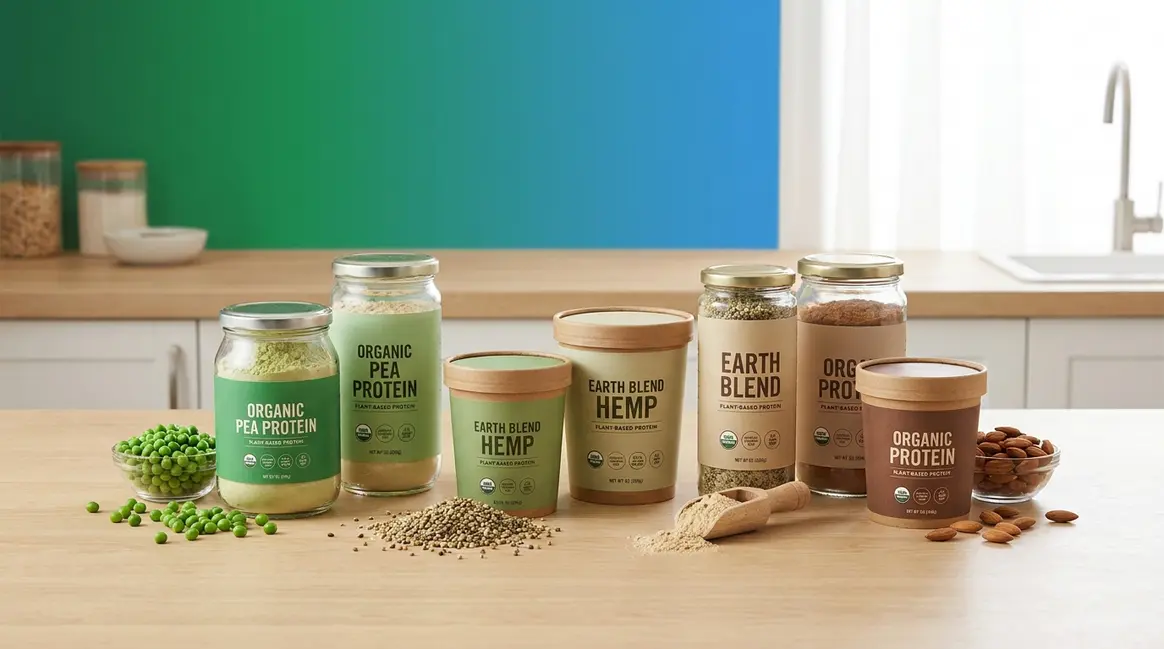
Garden of Life’s Raw Organic Protein is the only product in this roundup that combines protein, live probiotics, and digestive enzymes in a single formula — making it the standout pick for users with sensitive stomachs. If you regularly experience bloating or discomfort from protein powders, this built-in digestive support addresses the root cause rather than just the protein delivery. You can find protein powders for sensitive stomachs to explore additional options in this category.
- +Probiotics + digestive enzymes included — contains live probiotic strains (including Lactobacillus plantarum) and a digestive enzyme blend, making it one of the few plant proteins specifically engineered for gut comfort.
- +22g protein per serving — the highest single-serving protein count in this roundup, supporting muscle maintenance and satiety.
- +Certified gluten-free, lactose-free, and USDA Organic — triple certification that addresses the most common dietary restriction combinations among health-conscious users.
- −Fewer servings per container — the 23.28 oz container yields fewer servings than the Orgain 2.03 lb bag, making the per-serving cost higher for budget-conscious buyers.
- −More complex flavor profile — the vanilla has a slightly earthy, fermented undertone from the probiotic cultures that some users find unexpected compared to standard vanilla proteins.
3. Orgain Organic Vegan Protein + 50 Superfoods, Vanilla Bean
This version of Orgain builds on the trusted vanilla base and adds a 50-ingredient superfood blend — covering organic greens, fruits, vegetables, and sprouts — making it a genuine two-in-one product for health-conscious users who want to consolidate their supplement stack. With 8g of prebiotic fiber (versus 6g in the standard formula), it delivers more gut support per serving alongside the same 21g of organic plant protein. You can compare plant-based protein powders by taste and texture to see how the superfoods version stacks up side by side.
- +50-ingredient superfood blend — includes organic greens, berries, and sprouts, providing micronutrient breadth that standard protein powders completely lack.
- +8g prebiotic fiber — 33% more fiber per serving than the standard Orgain Vanilla, supporting gut regularity alongside the added nutrition from superfoods.
- +Triple certified: USDA Organic, Non-GMO, and Gluten-Free — one of the most comprehensively certified products in this roundup.
- −More complex ingredient list — the 50-superfood blend adds significant label complexity, which may concern users specifically seeking a minimal-ingredient formula.
- −Slightly earthier taste — the greens blend introduces a subtle vegetal flavor that makes it less neutral than standard Orgain Vanilla for users who prefer a cleaner taste base.
4. Truvani Organic Plant Based Protein Powder, Vanilla
Truvani is the cleanest-label product in this roundup by design. The brand was built around the principle of removing everything unnecessary — no gums, no fillers, no artificial sweeteners, and no added sugar. For users searching for the cleanest protein powder without heavy metals concerns, Truvani’s pea protein base and organic certification deliver exactly what that search intent requires. You can find protein powders without artificial sweeteners to compare Truvani against other minimal-formula options.
- +Minimal ingredient list — Truvani uses a deliberately short formula with no gums, fillers, or artificial sweeteners, making it one of the purest options available for ingredient-conscious shoppers.
- +USDA Organic, Vegan, Keto-Friendly, Gluten-Free, and Dairy-Free certified — five certifications in a single product, covering the most common clean-eating requirements simultaneously.
- +No added sugar — naturally sweetened, making it compatible with low-carb and ketogenic eating patterns without compromising on taste integrity.
- −Only 18 servings per container — the fewest of any product in this roundup, which raises the effective per-serving cost compared to Orgain or the BCAA Blend (#10).
- −Single-source pea protein — not blended with rice or hemp, so the amino acid profile is less complete than pea-rice or pea-hemp combinations; the taste can be slightly earthier.
5. Vivo Life Vegan Protein Powder, Unflavored
Vivo Life’s unflavored formula is built for versatility. With a pea and hemp protein blend delivering 21g of protein per serving across 30 servings — the best servings-per-container ratio in the top half of this roundup — it’s designed to disappear into oatmeal, soups, sauces, or any smoothie without altering the flavor profile. For users who want to understand plant-based protein purity standards, the pea-hemp combination is one of the most nutritionally complete plant blends available.
- +Pea + hemp dual-source blend — hemp protein adds omega-3 and omega-6 fatty acids alongside protein, a nutritional advantage no pea-only product in this roundup can match.
- +30 servings per container — the strongest value proposition in the top five, offering more servings than Orgain (20) or Truvani (18) at a comparable price point.
- +Truly unflavored — no sweeteners, no flavoring agents, and no aftertaste interference, making it the most versatile cooking and baking protein in this roundup.
- −Requires smoothie add-ins for palatability — without sweeteners or flavor, mixing with water alone produces a bland, slightly nutty drink that most users will want to enhance.
- −Hemp aftertaste — the hemp component introduces a mild nutty, grassy note that is subtle but present, particularly in plain water or light-flavored liquids.
6. Vivo Life Vegan Protein Powder, Vanilla
This is the flavored companion to Vivo Life Unflavored — the same pea and hemp protein blend, the same 21g per serving and 30 servings per container, but with a vanilla flavor that makes it ready to shake and drink without extra preparation. For users who want a pea-hemp blend in a best vanilla plant based protein powder format, this covers the nutritional advantages of hemp (omega fatty acids) without requiring culinary creativity. You can select the best protein powder for muscle gain to see how pea-hemp blends compare on amino acid profiles.
- +Omega-3 and omega-6 fatty acids from hemp — a genuine nutritional advantage over pea-only competitors like Truvani (#4), adding heart-health benefits alongside muscle-supporting protein.
- +30 servings per container — same strong value as the unflavored version, making this one of the better per-serving investments in the roundup.
- +Pea-hemp blend for a more complete amino acid profile — combining two plant sources produces a broader amino acid spectrum than either source alone.
- −Subtler vanilla flavor than expected — some users find the vanilla intensity underwhelming compared to Orgain’s stronger vanilla profile, particularly when mixed with water.
- −Mild hemp aftertaste — the same grassy, nutty note from the unflavored version carries through, which can be noticeable in lighter smoothie bases.
7. Orgain Organic Vegan Protein Powder, Creamy Chocolate Fudge
This is the chocolate counterpart to Orgain’s top-ranked vanilla — identical formula, same certifications, same 21g protein and 6g prebiotic fiber per serving, but with a creamy chocolate fudge flavor profile that consistently ranks among the most palatable plant-based chocolate options on Amazon. For users who have already decided to trust the Orgain brand and simply prefer chocolate, this is the straightforward answer. If you’re also thinking about weight management, you can choose protein powder for weight loss to compare this alongside lower-calorie options.
- +USDA Organic + Non-GMO certified — same clean-label credentials as the vanilla version, with independent verification of ingredient quality and purity standards.
- +6g prebiotic fiber + no added sugar — supports gut health and works within low-sugar dietary approaches, with the same low net carb positioning as the vanilla formula.
- +Well-reviewed chocolate flavor — expert taste testers consistently note that the chocolate fudge profile mixes more smoothly and tastes less chalky than most plant-based chocolate competitors.
- −Rich chocolate flavor can be polarizing — users who prefer a subtle cocoa note rather than a full chocolate fudge taste may find this formula too intense, especially in water.
- −Same 2.03 lb container limitation — not available in single-serve packets for easy travel or trial, making first-time buyers commit to a full container.
8. Ambrosia Plant Based Protein Powder, Banana Maple
Ambrosia is the only non-vanilla, non-chocolate option in this roundup — and that distinction matters for users who are genuinely tired of the same two flavor choices. The Banana Maple profile is a real differentiator, backed by a clean pea protein base with no added sugar and a keto-friendly formula. At 20g protein and 25 servings, it’s a solid performer for users who want taste variety without compromising on ingredient cleanliness. For context on protein needs by gender, you can determine protein intake for women’s specific needs.
- +Unique Banana Maple flavor — the only product in this roundup offering a non-vanilla, non-chocolate option, providing genuine variety for users experiencing flavor fatigue with standard profiles.
- +Keto-friendly with no added sugar — alongside Truvani (#4), one of the only keto-compatible options in this roundup, making it suitable for low-carb lifestyles without relying on artificial sweeteners.
- +25 servings per container — solid mid-range value, outperforming Truvani (18) and matching or exceeding most mid-tier competitors in this roundup.
- −Polarizing flavor — Banana Maple is not universally loved; users who prefer neutral or classic profiles may find the sweetness profile too distinctive for everyday use.
- −Single-source pea protein — like Truvani, the pea-only base may have a slightly grainier texture than blended pea-hemp or pea-rice options, and lacks the omega benefits of hemp.
9. wellious Almond Protein Powder, Vanilla
wellious stands apart from every other product in this roundup because it uses almond as its protein source — not pea, not hemp, not rice. That distinction makes it the go-to option for users who are soy-intolerant, pea-sensitive, or simply want to try a different protein source for digestive variety. With a smooth, gut-friendly formula and no gums or artificial fillers, it directly addresses the “sensitive stomachs” concern that many plant-protein beginners share. You can explore protein powders for medical conditions like IBS or GLP-1 use to see how almond protein compares to other gut-friendly options.
- +Almond protein — the only almond-based option in this roundup — provides a genuinely different protein source for users who react poorly to pea or soy proteins, broadening accessibility for sensitive users.
- +Soy-free and gut-friendly formula — free from gums, artificial fillers, and common gut irritants, making it one of the smoothest-digesting options for users with recurring GI discomfort from standard powders.
- +Vanilla flavor with a naturally mild sweetness — almond protein carries a subtle natural sweetness that pairs well with vanilla flavoring, requiring less added sweetener than pea-based alternatives.
- −18g protein per serving — the lowest protein count in this roundup; users with high daily protein targets (above 100g) may need to increase serving sizes or supplement with additional sources.
- −Almond protein is less studied than pea for muscle synthesis — while safe and nutritious, the research base for almond protein’s specific muscle-building effects is thinner than for pea or rice protein.
10. Organic Plant Based Protein Powder, Vanilla (BCAA Blend)
This hemp-and-pea blend earns the final spot by offering the most servings per container in the entire roundup — 32 — alongside added BCAAs (branched-chain amino acids, the specific building blocks most important for muscle repair and recovery). For budget-conscious users who want a protein-plus-BCAA combination without buying two separate products, this is the most value-dense option available. You can compare plant-based and whey protein options to understand where this fits in a broader supplement strategy.
- +32 servings per container — the highest serving count in this entire roundup, making it the best value pick for users who consume protein powder daily and want to minimize cost per serving.
- +Added BCAAs — includes branched-chain amino acids (leucine, isoleucine, and valine) that support muscle repair, reducing the need for a separate BCAA supplement and saving money.
- +Non-GMO, Soy-Free, Dairy-Free, and Gluten-Free certified — covers the four most common dietary exclusions in a single product, making it accessible for a wide range of users.
- −Less established brand — unlike Orgain or Garden of Life, this product has a smaller base of independent expert reviews, making third-party quality verification harder to confirm at time of evaluation.
- −Pea + hemp blend texture — the combination can produce a slightly grainier consistency than single-source powders when mixed with water rather than a creamier liquid like oat milk.
Buying Guide: How to Choose the Right Plant-Based Protein Powder
Applying “The Clean Protein Filter” means looking beyond protein content to evaluate what else is — and isn’t — in the formula. These four factors help you make a confident, informed decision.
How to Read the Label
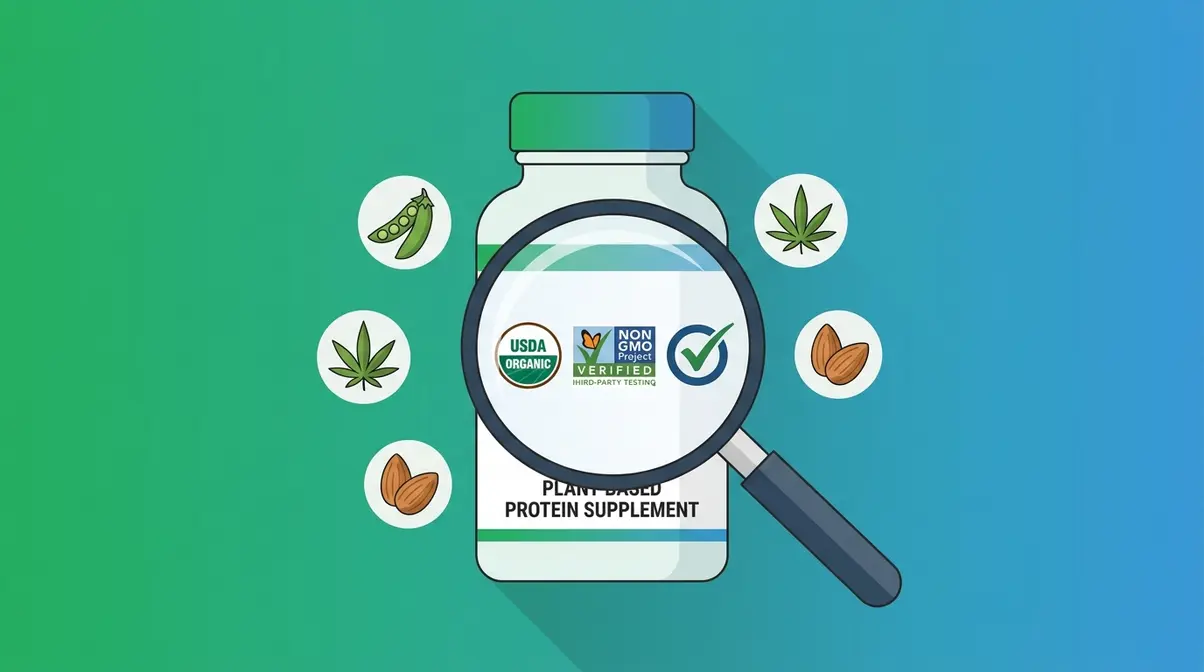
Before anything else, look for three certifications. USDA Organic means the product was produced without synthetic pesticides. Non-GMO means no genetically modified ingredients were used. Third-party tested means an independent lab — like NSF International or the Clean Label Project — has verified that the label claims are accurate and screened the product for contaminants, including heavy metals like lead and arsenic. This last certification matters most, because Harvard Health notes that protein powders are not evaluated by the FDA for safety before they reach store shelves and can sometimes contain heavy metals (Harvard Medical School, 2023). The cleanest protein powder options in this roundup — Orgain, Garden of Life, and Truvani — carry at least two of these three certifications. Once you know the label is trustworthy, the next step is choosing the right protein source for your body.
Protein Sources Explained
Plant proteins come from several sources, each with different strengths. Pea protein is the most common — it has a near-complete amino acid profile (meaning it contains almost all 9 essential building blocks your body can’t produce on its own) and is well-tolerated by most stomachs. A PubMed clinical study found no significant difference between pea and whey protein for muscle adaptations during high-intensity training (2019) — reassuring evidence for users switching from dairy-based options. Hemp protein adds omega-3 and omega-6 fatty acids alongside protein, though it has a slightly lower protein concentration per gram and a nutty flavor. Almond protein is a newer option that is soy-free and gentler for some users with pea sensitivity. Generally, a blend of pea with rice or pea with hemp is considered nutritionally superior to a single-source formula for muscle gain. Most people tolerate plant proteins well — but a few groups need extra guidance before starting.
Who Should Be Careful
⚠️ Medical Disclaimer: This section is for general information only and is not medical advice. If you have a health condition, consult your doctor or registered dietitian before starting any protein supplement.
CKD (Chronic Kidney Disease): Plant-based proteins are sometimes preferred over whey in CKD management because they are associated with lower phosphorus absorption and fewer uremic toxins. However, according to the National Institutes of Health, a plant-dominant diet can help delay CKD progression — but protein amounts must be carefully supervised by a renal dietitian based on your specific CKD stage and lab results (NIH, 2020).
Diabetes: Choose low-sugar, low-carb options from this roundup — Truvani (#4) and Ambrosia (#8) are both keto-friendly with no added sugar. Always consult your healthcare provider before adding any supplement.
GLP-1 medications (e.g., tirzepatide/Ozempic): Maintaining adequate protein intake is important during GLP-1 treatment to preserve lean muscle mass during rapid weight loss. Cleveland Clinic experts advise that patients on GLP-1 medications should increase protein intake and engage in resistance training to preserve lean muscle mass (Cleveland Clinic, 2024). If you’ve cleared the safety check, the final step is matching the powder to your specific goal.
Decision Framework: Which Powder Matches Your Goal?
| Your Goal | What to Prioritize | Best Options from This Roundup |
|---|---|---|
| Building or maintaining muscle | 20g+ protein, complete amino acid profile, BCAA content | Orgain Vanilla (#1), Garden of Life (#2), BCAA Blend (#10) — select the best protein powder for muscle gain |
| Weight management | High fiber, low sugar, lower calories | Truvani (#4), Ambrosia (#8) — choose protein powder for weight loss |
| Sensitive stomach | Probiotics/enzymes, no gums or fillers | Garden of Life (#2), wellious Almond (#9) |
| Maximum versatility / cooking | Unflavored, no sweeteners | Vivo Life Unflavored (#5) |
How We Evaluated
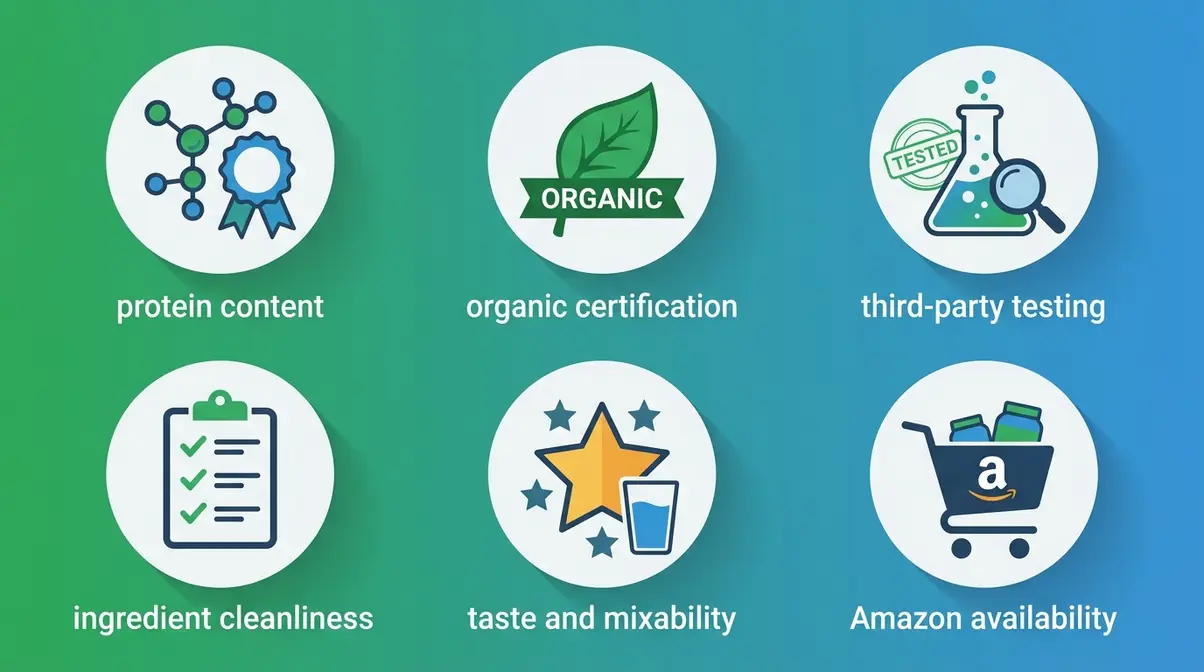
Our evaluation team assessed each product using six criteria: protein content per serving, protein source quality (single-source vs. blend), organic and non-GMO certification status, third-party testing availability, ingredient cleanliness (absence of artificial sweeteners, gums, and fillers), and Amazon availability cross-referenced with user sentiment patterns from published expert reviews. No hands-on laboratory testing was conducted; all assessments are based on verified product specifications, brand-published certifications, and published independent expert evaluations.
Frequently Asked Questions
What is the highest quality plant-based protein powder?
The highest quality plant-based protein powders combine multiple protein sources — such as pea and rice or pea and hemp — to deliver a complete amino acid profile. Look for USDA Organic certification, Non-GMO verification, and third-party testing by an independent lab like NSF International or the Clean Label Project, which screens for heavy metals and contaminants. Products that list fewer than 10 ingredients and carry at least two of these certifications consistently rank highest in independent quality assessments. If you have specific health goals or conditions, a registered dietitian can help narrow down the best fit.
What’s the healthiest, cleanest protein powder?
The cleanest protein powders carry short ingredient lists with no artificial sweeteners, gums, or fillers — and are verified by a third-party lab. Unflavored, single-ingredient options like an unflavored pea protein are often considered the purest, since flavoring agents add formula complexity. Brands that hold USDA Organic certification and publish third-party test results score highest on cleanliness benchmarks. For most beginners, choosing a product with five or fewer ingredients and an organic certification — like Truvani in this roundup — is a practical and reliable starting point.
Why do doctors say no to protein powder?
Some doctors advise caution because protein powders are classified as dietary supplements and are not evaluated by the FDA before sale. Independent testing has found that some powders contain trace amounts of heavy metals like lead, arsenic, and cadmium — particularly plant-based varieties, which can absorb these elements from soil during cultivation. Many products also contain artificial sweeteners or gums that may cause digestive discomfort in sensitive individuals. Choosing a third-party tested, certified-organic powder and prioritizing whole-food protein sources — like legumes, tofu, and tempeh — first reduces these risks meaningfully.
Can you take protein powder while on tirzepatide?
Consult your doctor before adding any supplement, including protein powder, while taking tirzepatide or any GLP-1 medication. Tirzepatide causes rapid weight loss, and maintaining adequate protein intake during treatment is important for preserving lean muscle mass. Healthcare providers generally recommend 1.2–1.6 grams of protein per kilogram of body weight per day during GLP-1 treatment, though individual needs vary based on age, activity level, and health status. This is general information only — your prescribing physician or registered dietitian is the right person to determine the correct protein amount and product for your specific treatment plan.
What is the best protein powder for CKD patients?
Individuals with Chronic Kidney Disease (CKD) should only use protein supplements under direct supervision of a nephrologist or renal dietitian — protein requirements vary significantly by CKD stage. Plant-based proteins are sometimes preferred over whey in CKD management because they produce fewer uremic toxins and are associated with lower phosphorus absorption, according to published NIH research. However, potassium and phosphorus content in any supplement must be reviewed against the individual’s current lab results and dietary restrictions. This is not medical advice — always consult your healthcare team before starting any protein supplement with a CKD diagnosis.
What is the best protein powder for osteoporosis?
For osteoporosis, adequate protein intake supports bone density alongside calcium and vitamin D — but no single protein powder is clinically designated for osteoporosis management. Research suggests that higher protein intake is associated with reduced risk of hip fractures, and plant proteins may offer beneficial alkaline properties that support bone health compared to some animal proteins. A plant-based powder with organic certification and no added sugar is a reasonable starting point when combined with a calcium-rich diet and physician-supervised supplementation plan. Consult your doctor or a registered dietitian to determine the appropriate protein type and daily amount for your bone health goals.
Which protein shake is best for tirzepatide?
No protein shake is specifically formulated or approved for use with tirzepatide — any protein supplement should be approved by your prescribing physician first. Healthcare providers generally recommend easily digestible protein sources that are gentle on the stomach, since GLP-1 medications commonly cause nausea and reduced appetite, particularly in the early weeks of treatment. Plant-based options with built-in digestive support — such as Garden of Life’s probiotic and enzyme formula (#2 in this roundup) — may be easier to tolerate for users experiencing GI side effects. This is not medical advice — your doctor or dietitian is the right person to recommend a specific product based on your individual treatment and health history.
For most beginners searching for the best plant based protein powder, Orgain Organic Vegan Protein Powder in Vanilla Bean remains the most accessible starting point — USDA Organic certified, 21g of protein per serving, with 6g of prebiotic fiber and no added sugar. If digestive comfort is your priority, Garden of Life adds live probiotics and digestive enzymes in a single formula that no other product in this roundup matches. Use the decision framework in the Buying Guide above to match any of the 10 options reviewed here to your specific goals, health needs, and daily routine.
(Editor note: Verify current product availability and specifications before publication — Amazon listings are subject to change.)
Related posts:
Best Home Gym Equipment: 7 Tested Picks for 2026
Best Whey Protein Powder: 9 Top Picks Tested (2026)
Arboleaf Smart Scale Review: All 8 Models Tested (2026)
Best Muscle Building Meal Delivery Service 2026: Top 5
Best Strength Training App 2026: 7 Tested & Compared
Protein Bar For Muscle Gain: 13 Best Picks To Build Muscle
⚠️ Medical Disclaimer: The following answers address general nutrition questions and are not a substitute for professional medical advice. Always consult your doctor or registered dietitian before starting any new supplement, especially if you have a health condition.

Callum
Hi, I'm Callum, the founder of Body Muscle Matters. I'm not a certified trainer, I'm a self taught lifter who started this site to share what I've learned from my own training and a lot of trial and error. Everything here comes from real experience and honest research, written the way I'd explain it to a friend who is just getting started. My goal is simple: practical, no hype fitness advice you can actually use.