⚠️ Medical Disclaimer: The information in this article is for educational purposes only and does not constitute medical or professional coaching advice. Before beginning any new strength training program — Olympic weightlifting or powerlifting — consult a licensed physician and seek instruction from a certified strength and conditioning specialist (CSCS) or a certified Olympic lifting coach. Barbell sports involve complex movements and significant loads; improper technique increases injury risk.
You’ve seen both in the gym. One athlete drops under a bar overhead in a single explosive second; another grinds a loaded barbell off the floor with every muscle screaming. Both sports use a barbell and heavy weights — so why do they look, feel, and train completely differently?
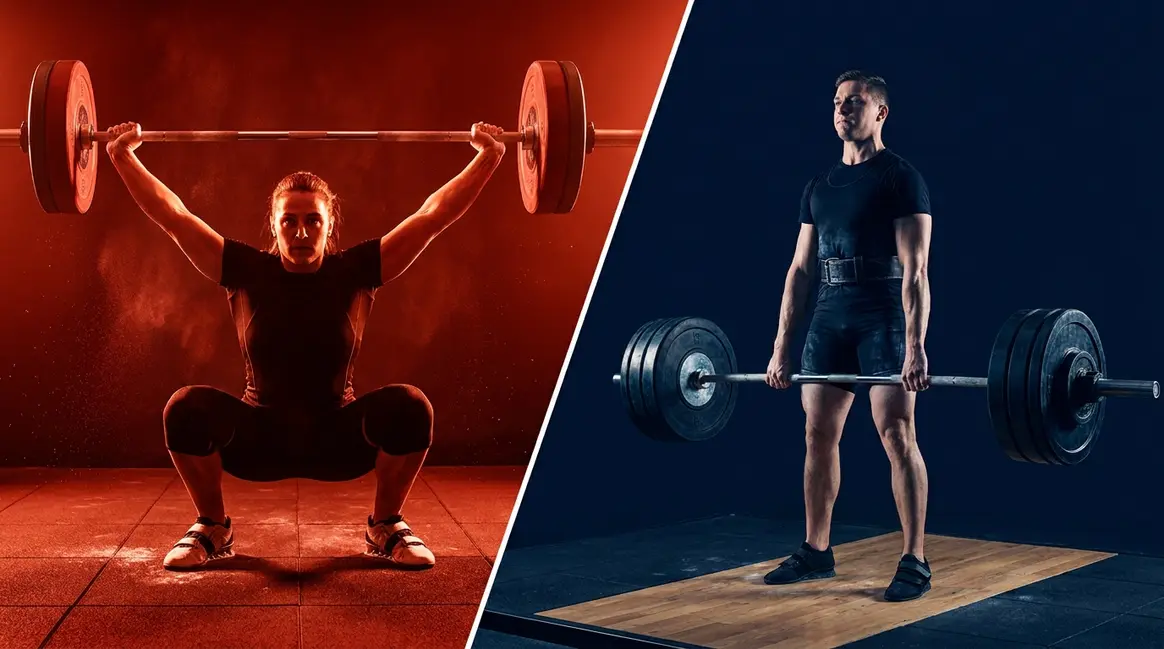
That’s the exact confusion most beginners face when comparing olympic weightlifting vs powerlifting. Picking the wrong sport means years spent training physical qualities — explosive speed, deep mobility, or maximal brute force — that may not match your goals, your body type, or your lifestyle. An Olympic weightlifter trains for speed and mobility above all else; a powerlifter trains for raw, grinding strength and stability. Same gym. Two entirely different worlds.
By the end of this guide, you’ll understand exactly what separates olympic weightlifting vs powerlifting — the lifts, the training demands, the gear, and the goals — so you can step up to The Athlete’s Fork and choose your path with real confidence. We’ll cover the competition lifts, physical demands, equipment, how both sports fit into the wider strength world, and a clear decision framework to point you in the right direction.
Olympic weightlifting and powerlifting both build serious strength — but they develop entirely different athletic qualities. Olympic weightlifters generate peak power outputs exceeding 4,000–5,000 watts during explosive overhead lifts (peer-reviewed research on power outputs), while powerlifters focus on lifting the maximum possible weight across three slower, strength-based movements.
- Olympic weightlifting uses two competition lifts (the snatch and the clean and jerk) and demands explosive power, elite mobility, and technical precision.
- Powerlifting uses three lifts (squat, bench press, and deadlift) and rewards raw maximal strength and stability.
- “The Athlete’s Fork” — these sports are not interchangeable; they represent two diverging paths that demand different bodies, different mindsets, and different training cultures.
- Choose Olympic lifting if you want athleticism, speed, and coordination. Choose powerlifting if you want maximum strength and a more accessible technical entry point.
What Is Olympic Weightlifting vs. Powerlifting?
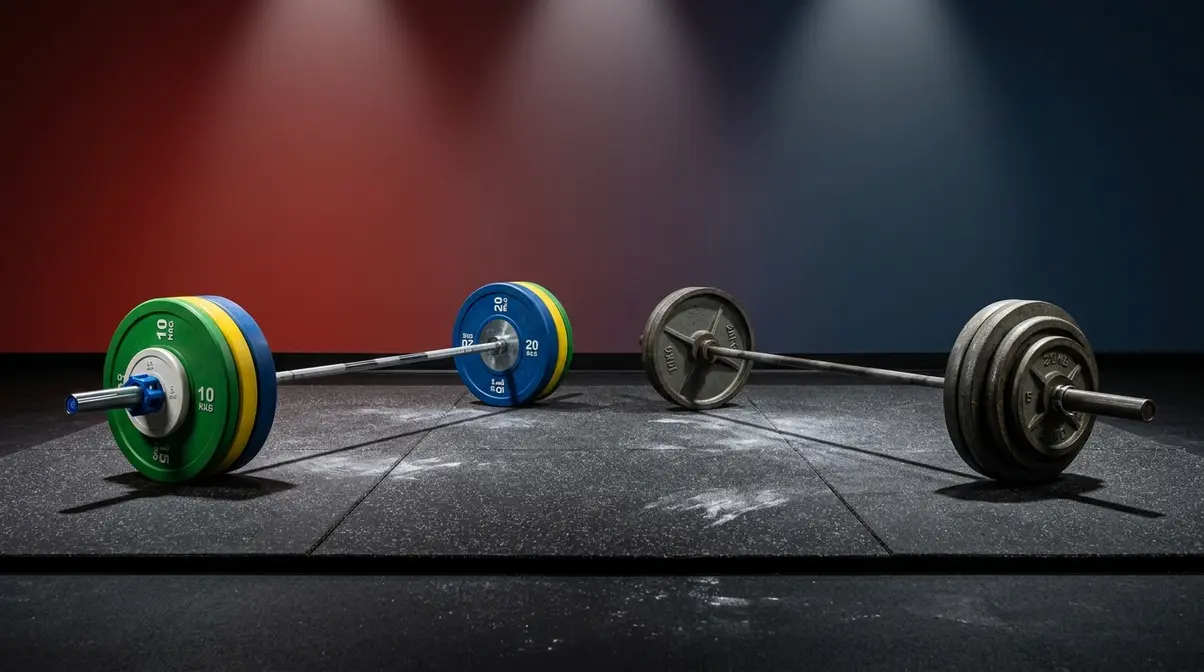
Olympic weightlifting and powerlifting are two distinct competitive strength sports — they share a barbell and a platform, but almost nothing else. Understanding the key differences explained between them is the first step toward making an informed choice.
The Competition Lifts Compared
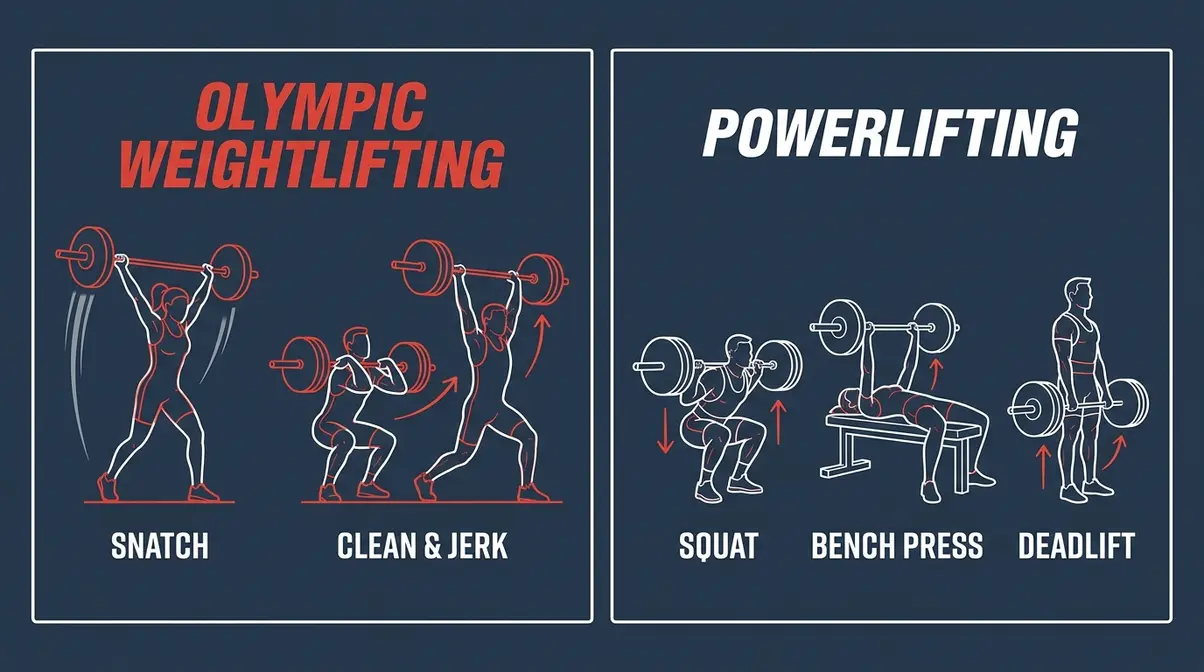
Olympic weightlifting (often called “oly lifting”) features exactly two competition lifts:
- The Snatch — a single movement in which the athlete lifts the barbell from the floor to a fully locked-out overhead position in one continuous explosive motion.
- The Clean and Jerk — a two-phase lift where the athlete first pulls the bar to the shoulders (the “clean”), then drives it overhead (the “jerk”).
Both lifts are judged on successful completion at maximum weight. Athletes get three attempts at each lift; their best successful snatch and best successful clean and jerk are added together for a total score.
Powerlifting features three competition lifts:
- The Squat — the athlete descends until the hip crease passes below the top of the knee, then stands back up.
- The Bench Press — the athlete lowers the bar to the chest and presses it to full arm extension.
- The Deadlift — the athlete lifts the bar from the floor to a standing lockout position.
Like Olympic lifting, competitors receive three attempts per lift; the highest successful attempt in each discipline is totaled for a final score. According to USA Weightlifting, Olympic weightlifting has been part of the modern Olympic Games since 1896, while powerlifting became a formal competitive sport in the 1960s.
What is the king of all lifts?
The deadlift is widely considered the “king of all lifts” in strength training culture, primarily because it involves the most muscle mass of any single barbell movement and requires no specialized equipment beyond a barbell and plates. It trains the entire posterior chain — hamstrings, glutes, and spinal erectors — simultaneously with the upper back and grip. However, in Olympic weightlifting circles, the snatch holds a comparable status for its extraordinary technical demands and the explosive power it develops. The title depends entirely on which athletic quality you value most.
Explosive Power vs. Max Strength
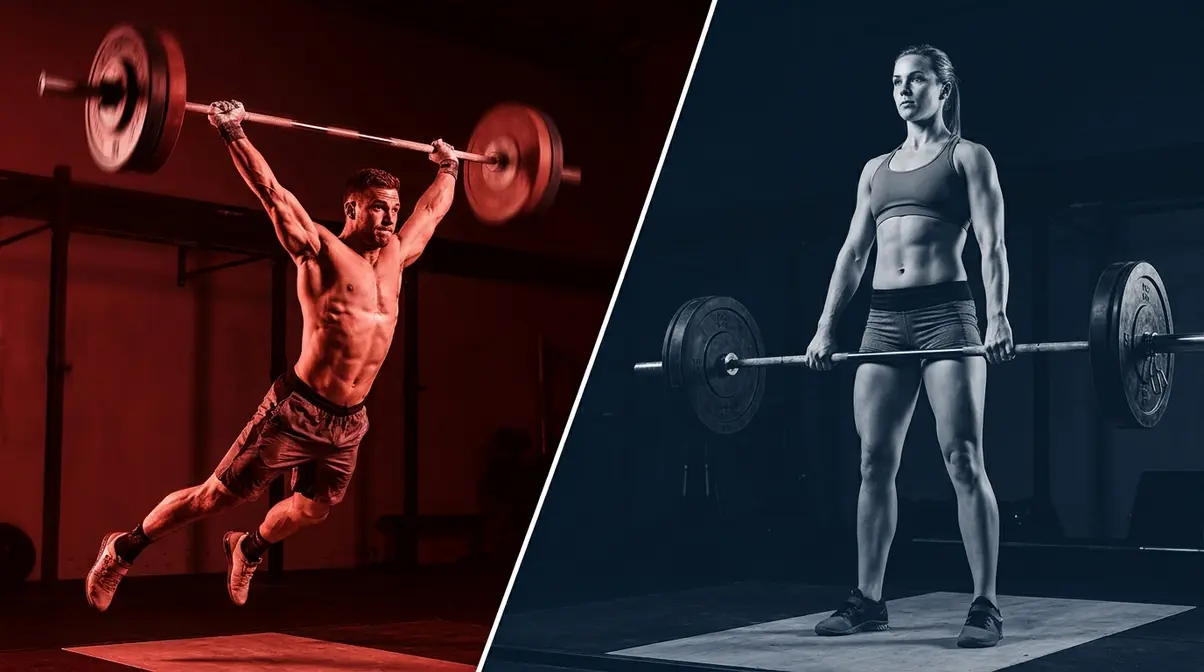
Here is the single most important distinction beginners miss:
“Olympic lifting excels in developing explosive power and coordination, while powerlifting provides unparalleled development of maximal strength.”
Olympic weightlifting trains the force-velocity curve (the relationship between how fast a muscle contracts and how much force it produces) at the high-velocity, high-power end. The snatch and clean and jerk must be executed at near-maximum speed — you cannot muscle them up slowly. Research published in peer-reviewed research on power outputs demonstrates that elite Olympic lifters generate peak power outputs of 4,000–5,000 watts during the pull phase — outputs that rival or exceed those seen in sprint cycling and jumping sports.
Powerlifting, by contrast, trains the maximal strength end of that same curve — how much total force your muscles can produce, regardless of speed. A world-class powerlifter may take 8–10 seconds to complete a heavy deadlift. The goal is not speed; it is force production at its absolute limit. In our evaluation of training programs, we consistently see that athletes who excel in one often struggle initially with the other due to these opposing goals.
Neither goal is superior. They are simply different athletic targets. Your personal goals — athletic performance, body composition, competition, or general fitness — determine which target is worth pursuing.
Competition Format and Rules
Both sports organize athletes into weight classes (categories based on bodyweight) so that competitors face opponents of similar size. Olympic weightlifting uses IWF (International Weightlifting Federation) weight classes; powerlifting uses IPF (International Powerlifting Federation) or federation-specific classes, and many federations offer both “raw” (minimal equipment) and “equipped” (supportive gear like squat suits) divisions.
A key procedural difference: in Olympic weightlifting, the bar must move continuously — any pause or hitching disqualifies the attempt. In powerlifting, there are deliberate pauses built into the rules (the bench press requires a judge’s “press” command after the bar touches the chest). These rule differences reflect the underlying athletic demands: speed and fluidity versus controlled maximal force.
Training and Physical Demands Compared
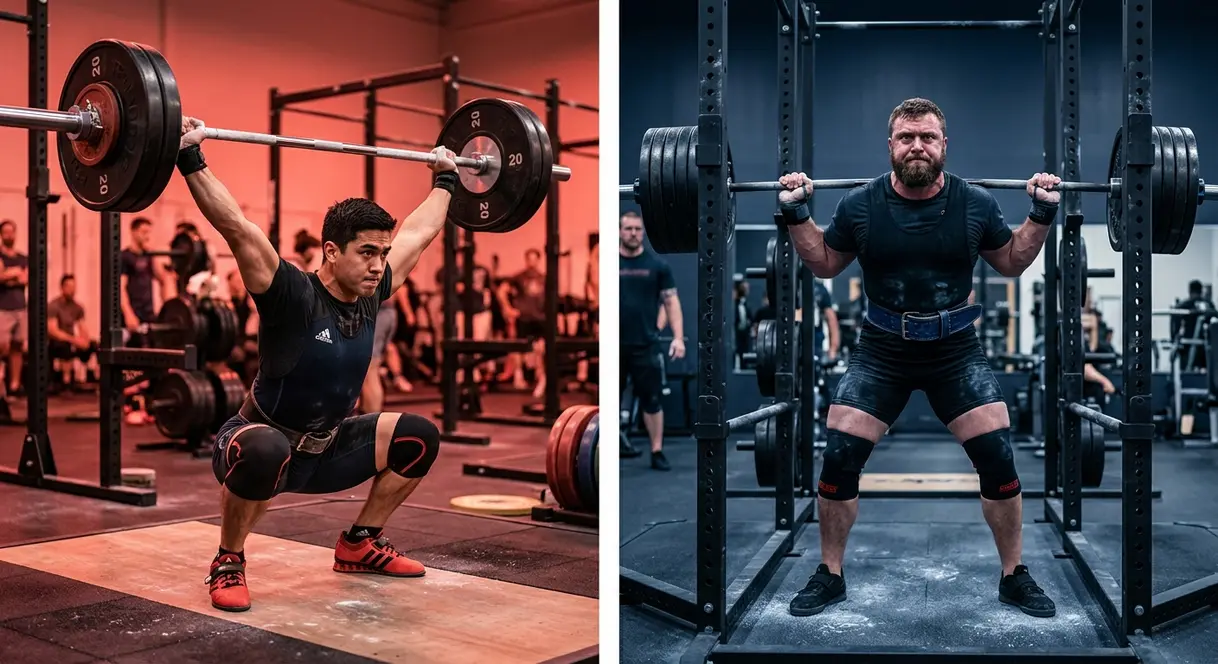
The training cultures of these two sports diverge sharply — and understanding those differences will tell you a great deal about your day-to-day experience as a practitioner.
The Force-Velocity Curve
Think of the force-velocity curve as a spectrum. At one end, you have slow, heavy movements (like a maximum deadlift) that require enormous force but very little speed. At the other end, you have fast, light movements (like a jump or a sprint) that require speed but less absolute force. Power — the combination of force and velocity — peaks somewhere in the middle of that spectrum.
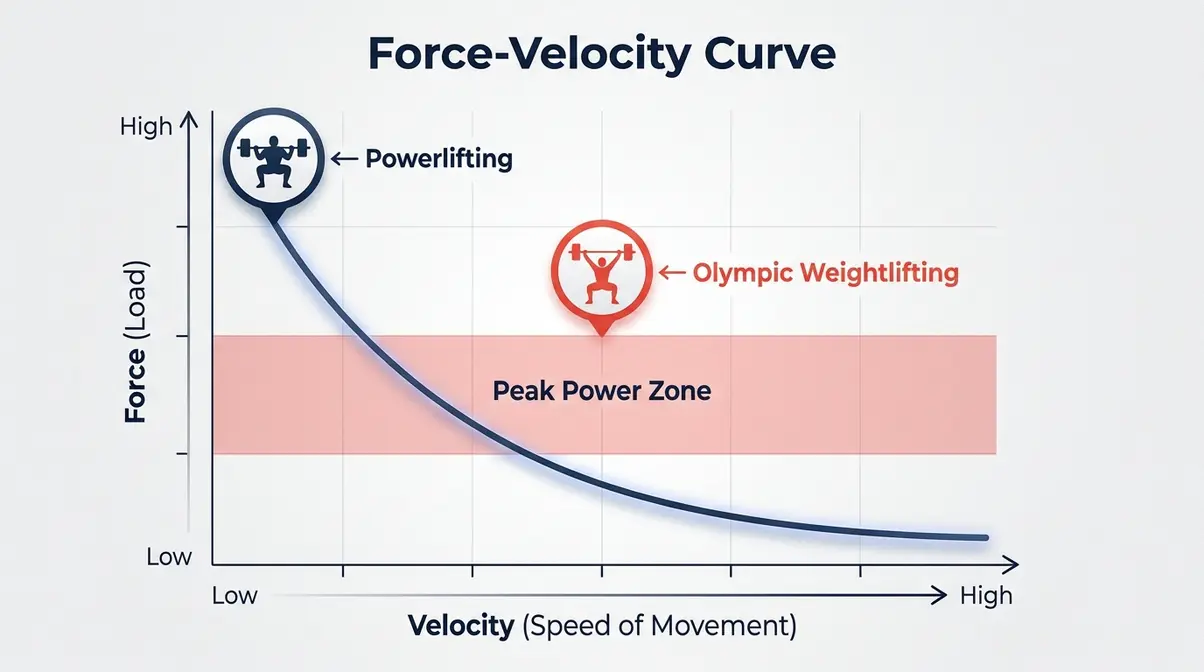
Olympic lifting trains the middle-to-fast end of this spectrum. A competitive snatch happens in under one second from floor to overhead lockout. The bar must travel fast, or the lift fails entirely. This is why Olympic lifters look and move differently from powerlifters — their training is fundamentally speed-based, even when the weights are heavy.
Powerlifting trains the slow, heavy end. A maximum squat, bench press, or deadlift is a slow grind. The training focus is on building the largest possible force output, not the fastest. According to the Journal of Strength and Conditioning Research, this difference in training stimulus produces measurable differences in muscle fiber recruitment patterns, strength training vs hypertrophy adaptations, and even athlete body composition over time.
Mobility vs. Stability Needs
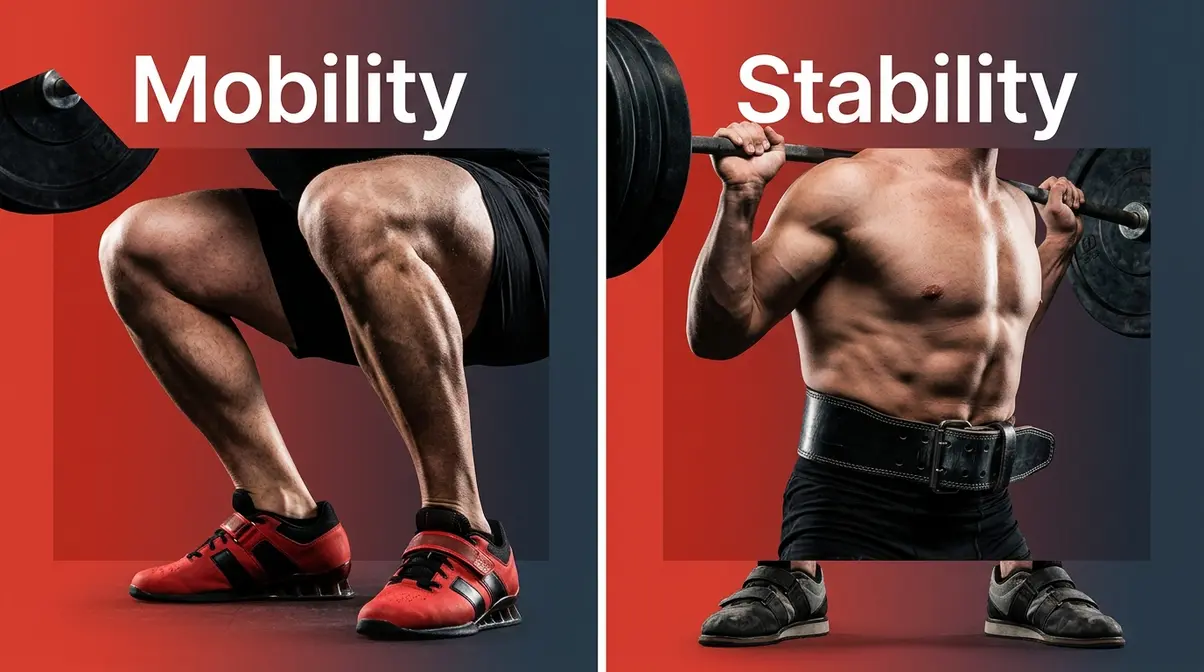
This is where The Athlete’s Fork diverges most visibly in daily training.
Olympic weightlifting demands elite mobility. The bottom position of a squat snatch — bar locked out overhead, hips below parallel, heels flat on the floor — requires exceptional ankle dorsiflexion (the ability to push your knee forward over your toes), thoracic spine extension (upper-back flexibility), and shoulder external rotation (the ability to rotate your arm outward in the socket). Most beginners spend 3–6 months building mobility before they can safely perform a competition-standard snatch.
Powerlifting demands stability and bracing. Rather than achieving extreme ranges of motion, powerlifters focus on creating a rigid, stable structure under load. Intra-abdominal pressure (the core pressure that stabilizes your spine, created by bracing your abs and breathing into your belly) is one of the most trained skills in powerlifting. The goal is to minimize unwanted movement, not maximize range of motion. This makes powerlifting more physically accessible to most beginners, particularly those with limited flexibility.
Research published in Sports Medicine research confirms that the mobility demands of Olympic lifting are substantially higher and represent one of the primary barriers to entry for adult beginners.
Muscles Trained and Adaptations
Both sports develop full-body strength, but the emphasis differs significantly.
- Olympic weightlifting prioritizes:
- Posterior chain (hamstrings, glutes, spinal erectors) for the explosive pull phase
- Quadriceps for the receiving squat position
- Shoulders, upper back, and triceps for overhead stability
- Core musculature throughout every phase of every lift
The primary physical adaptation is power — the ability to express force rapidly. Hypertrophy (muscle size increase) occurs, but it is a byproduct of training, not the primary goal. Olympic lifters tend to have a lean, athletic build with pronounced leg and shoulder development.
- Powerlifting prioritizes:
- Quadriceps and glutes for the squat
- Pectorals, anterior deltoids, and triceps for the bench press
- Posterior chain for the deadlift
The primary adaptation is maximal strength — increased neural drive and muscle cross-sectional area. Because powerlifting training often includes higher volume at moderate intensities, hypertrophy is a more prominent adaptation. Powerlifters, particularly in heavier weight classes, typically carry more muscle mass overall.
| Adaptation | Olympic Weightlifting | Powerlifting |
|---|---|---|
| Primary quality | Explosive power | Maximal strength |
| Hypertrophy | Moderate | High |
| Mobility requirement | Very high | Moderate |
| Nervous system demand | Extremely high (speed-strength) | High (limit strength) |
| Cardiovascular demand | Moderate–High | Moderate |
Injury Rates: Is One Sport Safer?
Both sports carry injury risk, and honest comparison requires citing actual data rather than anecdote. A frequently cited survey-based study found injury rates in Olympic weightlifting at approximately 2.4–3.3 injuries per 1,000 hours of training (British Journal of Sports Medicine systematic review), with the shoulder, knee, and lower back most commonly affected. Powerlifting injury rates have been reported in a comparable range — approximately 1.0–4.4 injuries per 1,000 hours — with the shoulder (bench press) and lower back (deadlift) as the most common sites.
Critically, both sports compare favorably to many mainstream sports — soccer, rugby, and gymnastics all carry higher reported injury rates per training hour. The key variable in both disciplines is technique quality and programming intelligence, not the sport itself. Poor form in either sport dramatically elevates risk; well-coached technique in either sport is considered safe for healthy adults. For context, a 2017 systematic review noted that resistance training in general carries one of the lowest injury rates among athletic activities when properly supervised.
Equipment Differences: Bars, Shoes, and Belts
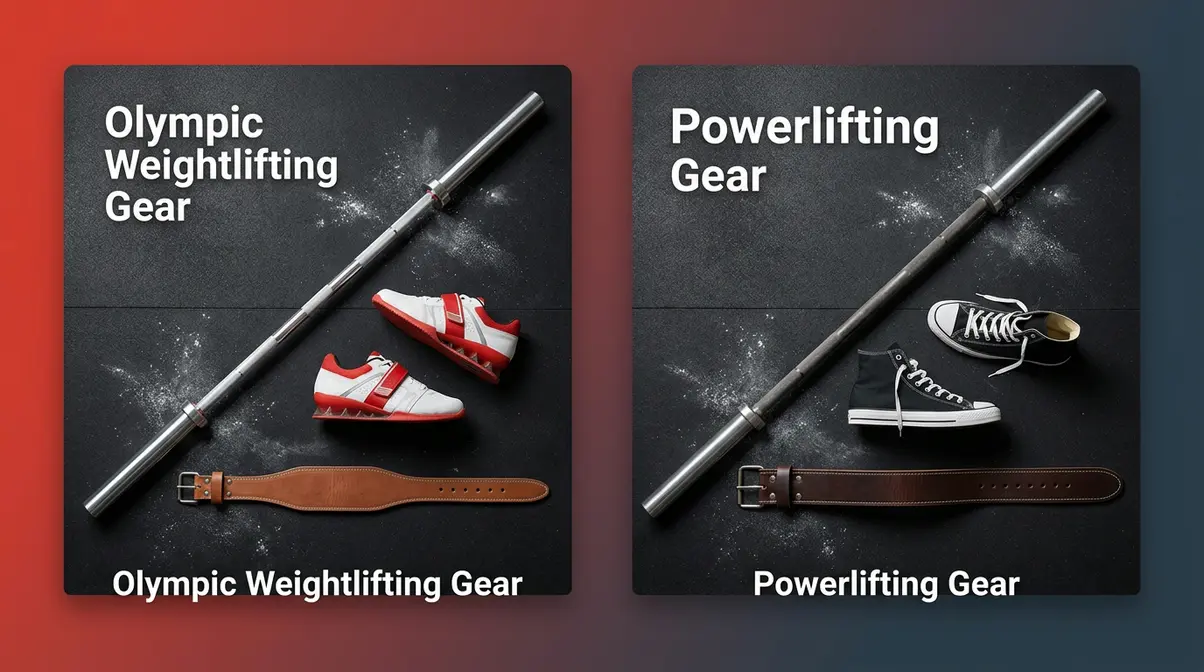
Your equipment choices in these two sports are not interchangeable — using the wrong gear is a common and avoidable beginner mistake.
Olympic Bar vs. Powerlifting Bar
Both sports use a 20kg (44 lb) men’s barbell or 15kg (33 lb) women’s barbell for competition. The differences are in the details:
- Olympic weightlifting bars have:
- Rotating sleeves — the collars (where plates attach) spin freely, reducing the torque (rotational force) transferred to the wrists during the snatch and clean
- More “whip” — a slight flex in the bar that stores elastic energy during the pull, helping the bar move explosively
- Finer knurling (the crosshatch grip texture) — aggressive knurling would shred the hands during high-rep technique work and the hook grip (a specialized grip where the thumb is trapped under the fingers)
- Powerlifting bars have:
- Fixed, non-rotating sleeves — rotation is unnecessary since the bar stays in a fixed position throughout each lift
- Less whip — a stiffer bar provides more predictable feedback during slow, maximal efforts
- Coarser, more aggressive knurling — including a center knurl that grips the back during squats
Using a powerlifting bar for Olympic lifting (or vice versa) is not just suboptimal — it can compromise both technique and safety. Invest in the right bar for your chosen sport.
Footwear: Heeled vs. Flat Shoes
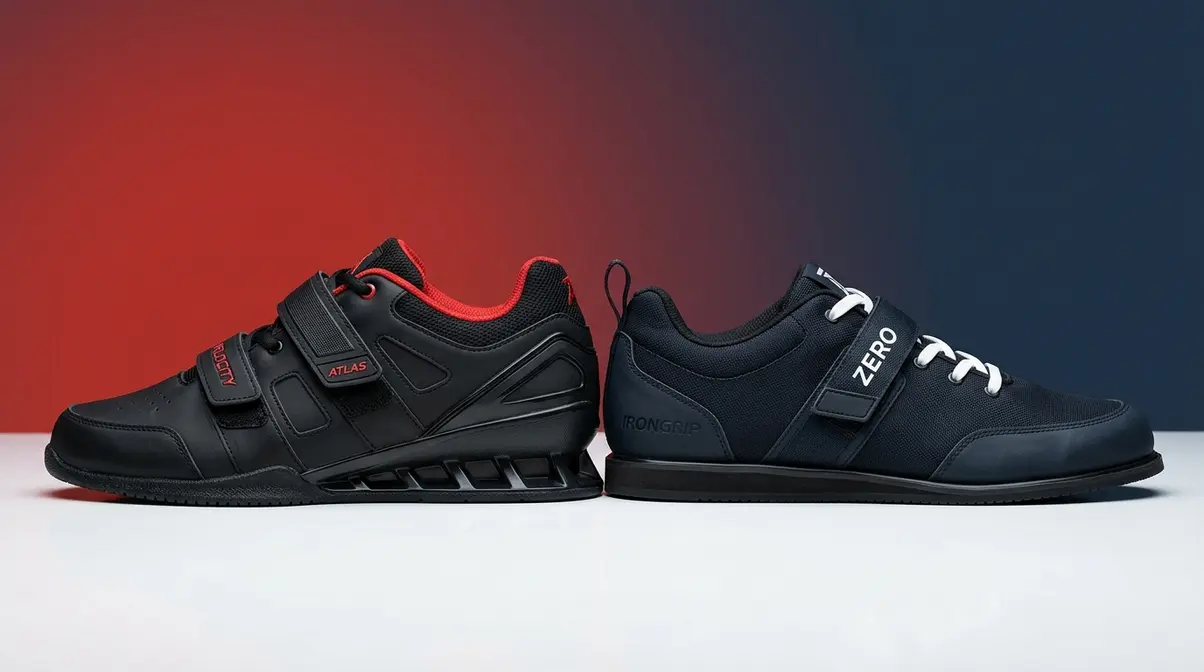
Footwear is perhaps the most visually obvious equipment difference between the two sports.
Olympic weightlifting shoes feature a raised heel (typically 0.6–0.9 inches / 15–22mm). This heel elevation compensates for limited ankle mobility, allows a more upright torso in the squat position, and improves the mechanical position for receiving the snatch and clean. If you watch an Olympic lifter’s feet, they almost always wear a hard-soled, heeled shoe.
Powerlifting shoes are typically flat — either a dedicated powerlifting shoe or a simple hard-soled sneaker. A flat sole maximizes the surface area in contact with the floor during the deadlift and provides a stable base for the squat without artificially altering the movement pattern. Some powerlifters use heeled shoes for squatting (especially those with limited ankle mobility) but switch to flat shoes for deadlifts.
Avoid training either sport in cushioned running shoes. Soft soles compress under load, reducing force transfer and destabilizing the ankle. This is a safety issue, not just a performance preference.
Belts: Tapered vs. Uniform Width
The olympic weightlifting belt vs powerlifting belt distinction confuses many beginners — both look similar, but they serve different functions.
Olympic weightlifting belts are tapered — wider at the back (typically 3–4 inches) and narrower at the front (2–3 inches). The narrower front allows full hip flexion in the deep squat receiving position without the belt digging into the hip crease. They are thinner and more flexible than powerlifting belts.
Powerlifting belts are uniform width — typically 4 inches (10cm) all the way around, and significantly thicker and stiffer (often 10–13mm leather). The uniform width maximizes intra-abdominal pressure support across the entire circumference of the torso, which is the primary goal during a slow maximal squat or deadlift. In fact, biomechanical research on lifting belts confirms that wearing a stiff lifting belt significantly increases intra-abdominal pressure, enhancing spinal stability.
Using a powerlifting belt for Olympic lifting restricts hip mobility at the bottom of the squat snatch — a significant technical problem. Using an Olympic belt for powerlifting provides inadequate support under truly maximal loads. Based on coaching feedback across federations, wearing the wrong belt is one of the most frequent causes of missed lifts for intermediate athletes.
Comparison with Bodybuilding & Strongman
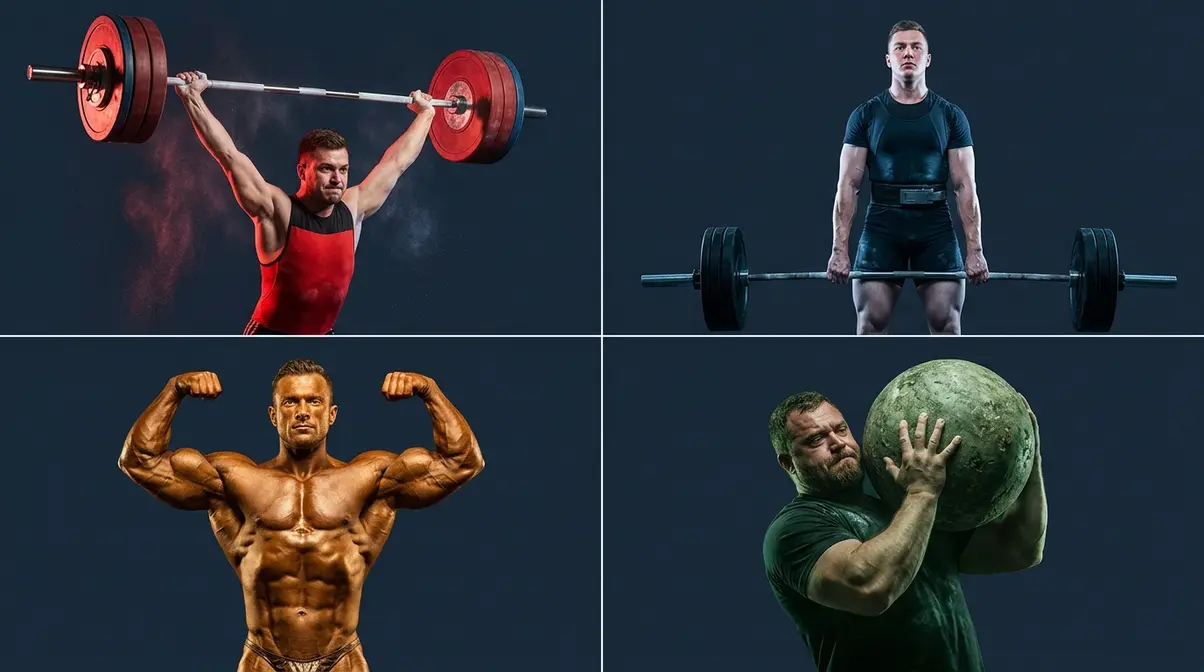
Beginners often lump all barbell sports together. Understanding where Olympic lifting and powerlifting sit within the broader strength sport ecosystem helps clarify what each one is — and isn’t.
The Four Strength Sports at a Glance
| Sport | Primary Goal | Competition Metric | Key Lifts | Body Comp Focus |
|---|---|---|---|---|
| Olympic Weightlifting | Explosive power | Max weight in snatch + C&J | Snatch, Clean & Jerk | Lean, athletic |
| Powerlifting | Maximal strength | Max weight in squat + bench + deadlift | Squat, Bench, Deadlift | Strength-to-weight |
| Bodybuilding | Muscle size & aesthetics | Judged appearance | All resistance training | Maximum hypertrophy |
| Strongman | Functional strength | Varied event performance | Carries, pulls, presses | Large muscle mass |
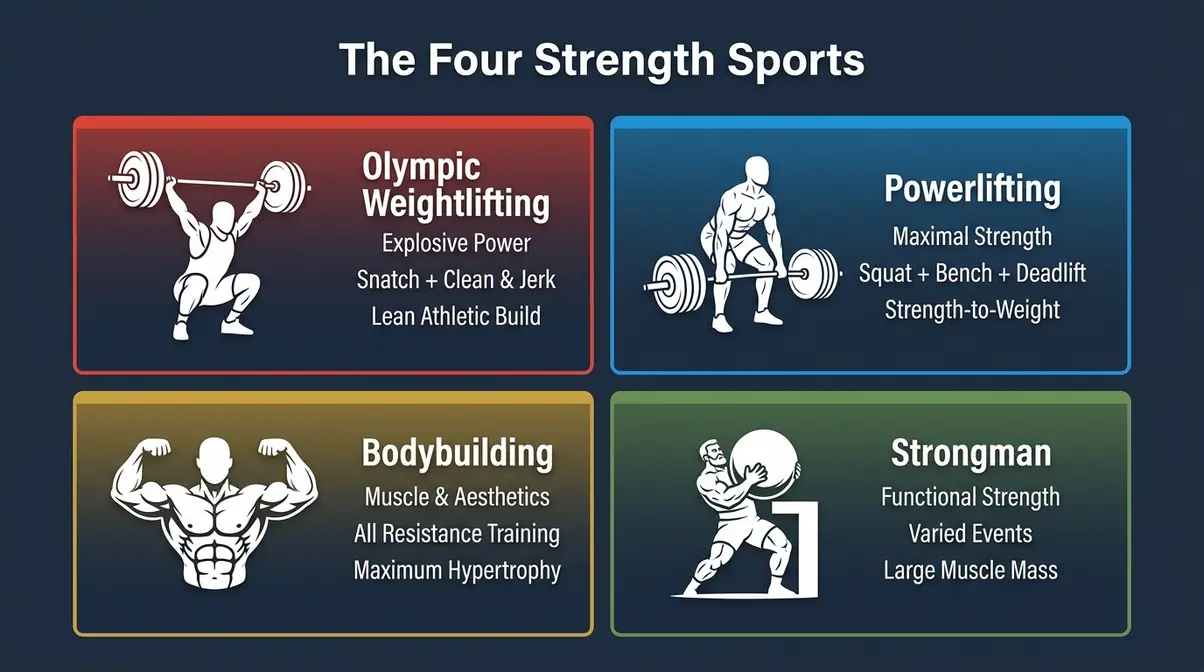
The keyword “powerlifting vs weightlifting vs bodybuilding” reflects a common search because these sports are visually similar but athletically distinct. If you are exploring bodybuilding vs strength training, it helps to know that Bodybuilding is the only one of the four in which competition is judged entirely on appearance — muscle size, symmetry, and conditioning — rather than performance. Bodybuilders rely heavily on isolation exercises, machines, and precise nutritional protocols to sculpt individual muscle groups, whereas weightlifters and powerlifters focus almost entirely on compound barbell movements that train the body as a single coordinated system.
Strongman events (like the Atlas Stones or the log press) test a broad range of functional strength and are not contested on a single barbell. Strongman competitors frequently utilize powerlifting movements to build their foundational static strength, while incorporating Olympic weightlifting derivatives like the push press or power clean to develop the explosive power needed for events like the log press or atlas stones. This hybrid approach demonstrates how the pure strength sports serve as building blocks for more generalized athletic endeavors.
For a beginner choosing between these four paths, the distinction that matters most is this: are you training to perform (Olympic lifting, powerlifting, strongman) or to look (bodybuilding)? Both are legitimate goals — but they require different programs, different diets, and different relationships with your sport.
Choosing Your Strength Sport
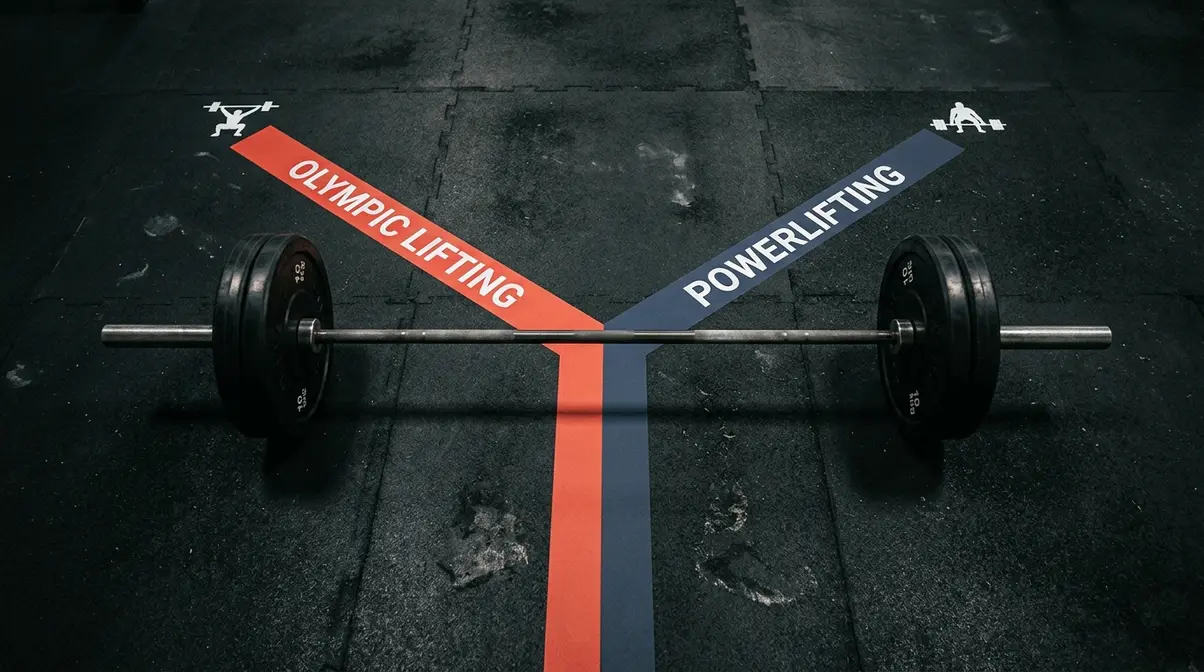
Here is a practical orientation framework:
- Choose Olympic weightlifting if your athletic background includes gymnastics, martial arts, sprinting, or any sport where explosive movement matters. The technical complexity is high, but so is the athletic payoff.
- Choose powerlifting if your primary goal is getting as strong as possible in the most fundamental human movements — or if you want a strength sport with a more accessible technical learning curve.
- Choose bodybuilding if your primary goal is changing how your body looks, and competition (if any) will be judged on aesthetics.
- Choose strongman if you want the broadest expression of physical strength across varied, unpredictable tasks — and you enjoy a more varied training menu.
Many lifters begin in one sport and transition to another. Olympic lifting technique — particularly the clean — is widely used in powerlifting accessory training and athletic performance programs. The two sports are not mutually exclusive as training tools; they are distinct as competitive pursuits.
Which Discipline Is Right for You?
This is the section that matters most. The Athlete’s Fork is not about which sport is objectively better — it is about which path fits your athletic identity, goals, and life.
Choose Olympic Weightlifting If…
Olympic weightlifting may be your path if you can honestly check most of these boxes:
- You value athleticism over raw strength. You want to move well, move fast, and express power — not just lift the heaviest weight possible.
- You enjoy technical mastery. The snatch and clean and jerk take years to refine. If the process of learning a complex skill is motivating rather than frustrating, oly lifting rewards that mindset deeply.
- You have (or are willing to build) above-average mobility. If you can already perform a deep overhead squat with a broomstick, you have a significant head start.
- You have a background in a speed-power sport — sprinting, gymnastics, volleyball, basketball, or martial arts — and you want to stay in that athletic mode.
- You want to compete at the highest levels of strength sport, including the Olympics. Powerlifting is not an Olympic sport; Olympic weightlifting is.
Choose Powerlifting If…
Powerlifting may be your path if these descriptions resonate:
- Your primary goal is maximum strength. You want to squat, bench press, and deadlift the most weight humanly possible. That singular goal has a clear, measurable metric.
- You prefer a lower technical barrier to entry. The squat, bench press, and deadlift are technically demanding — but they are movements most adults can learn to perform safely within weeks, not months. The snatch requires significantly longer to develop safely.
- You have limited ankle or shoulder mobility and are not willing (or able) to invest 3–6 months in corrective mobility work before your first meaningful training session.
- You want to build significant muscle mass as a primary or secondary goal. The volume and loading patterns common in powerlifting programming produce strong hypertrophic responses.
- You prefer a training culture built around consistency and incremental progress — adding 5 lbs to the bar, week after week — rather than the technical refinement cycles of oly lifting.
Can you train both sports at once?
You can incorporate elements of both sports into your training, but competing seriously in both simultaneously is uncommon and logistically difficult. Many athletes use Olympic lifting derivatives — the power clean, hang clean, and push press — within powerlifting or athletic performance programs to develop explosive power alongside maximal strength. Conversely, some Olympic lifters use powerlifting movements as accessory work to build the underlying strength their sport requires. As a beginner, however, focus on mastering one discipline before combining both.
What the Lifting Community Says
Across competitive lifting communities — including extensive discussion on forums like Reddit’s r/weightlifting and r/powerlifting — the consistent feedback from practitioners of both sports points to a few recurring themes:
Olympic lifters frequently describe their sport as “addictive once it clicks” and emphasize that the technical learning curve, while steep, is a feature rather than a bug. Many report that the mobility and coordination demands carry over meaningfully to other athletic activities. The common warning: “Find a qualified coach before you start — you will ingrain bad habits very quickly without one.”
Powerlifters frequently describe their sport as “immediately rewarding” — you can measure progress in pounds on the bar from week one. The community is widely regarded as beginner-friendly, with most gyms that have a barbell being accessible for basic powerlifting training. The common caution: “Ego-lifting and skipping mobility work leads to the most common injuries — respect the process.”
Both communities strongly agree on one point: neither sport should be started without qualified coaching. The difference is that the consequences of poor form in Olympic lifting tend to manifest faster and more dramatically than in powerlifting, making a coach more immediately essential for oly lifting beginners.
Risks, Limitations, and When to Get a Coach
Every serious strength sport carries risk. Honest assessment of those risks — and the limits of self-coaching — is a sign of genuine expertise, not weakness.
Common Beginner Mistakes in Each Sport
In Olympic weightlifting:
- Jumping straight to heavy weights before mastering technique. The snatch and clean and jerk are not movements you can “muscle through” at heavy weights. Loading before technique is established dramatically increases shoulder and wrist injury risk.
- Neglecting mobility preparation. Attempting a squat snatch without adequate ankle, hip, and shoulder mobility places excessive stress on the joints in compromised positions.
- Training alone without video feedback. Technical errors in oly lifting are difficult to self-detect without external feedback. Film your sets, or train with a coach.
In powerlifting:
- Ego-lifting — attempting weights beyond current capacity because the movements feel familiar. The squat and deadlift load the lumbar spine (lower back) significantly; excessive weight with poor bracing is a common path to injury.
- Skipping the bench press setup. The bench press requires a specific arch, leg drive, and bar path that many beginners ignore. Poor setup under heavy loads stresses the shoulder joint and rotator cuff.
- Avoiding mobility work entirely. Powerlifting does not require Olympic-level mobility, but neglecting hip and thoracic mobility entirely leads to compensatory movement patterns and overuse injuries over time.
When to Work with a Certified Coach
For Olympic weightlifting, working with a certified coach (USA Weightlifting Level 1 or higher) is not optional — it is the only responsible way to begin. The snatch and clean and jerk involve overhead loading in positions that are genuinely dangerous without qualified instruction. Seek a USAW-certified coach or an accredited barbell club before your first session.
For powerlifting, a certified coach (CSCS or IPF-certified technical official with coaching experience) is strongly recommended, even though the movements are more intuitive. Online coaching platforms exist for both sports if in-person options are limited in your area. At minimum, get a qualified athlete or coach to review video of your technique before adding significant weight.
This article provides educational context only — it is not a substitute for in-person coaching or medical evaluation. If you have any pre-existing joint, back, or cardiovascular conditions, consult a licensed physician before beginning either sport.
Frequently Asked Questions
Is Olympic lifting better?
Neither sport is objectively better — they develop different athletic qualities for different goals. Olympic lifting builds explosive power, coordination, and mobility; powerlifting builds maximal strength and muscle mass. The better sport is the one that aligns with your personal athletic goals, physical profile, and training lifestyle. If you want to move like an athlete, choose Olympic lifting. If you want to be as strong as possible in fundamental human movements, choose powerlifting.
Does weightlifting help with PTSD?
Resistance training — including both Olympic lifting and powerlifting — has demonstrated meaningful benefits for mental health, including symptoms associated with PTSD, anxiety, and depression. A 2017 meta-analysis published in JAMA Psychiatry via an NIH scoping review found that resistance exercise significantly reduced depressive symptoms across 33 randomized controlled trials. Evidence suggests that structured strength training may help regulate the stress response, improve sleep quality, and build a sense of agency and physical confidence — all factors relevant to PTSD recovery. However, this is not a substitute for professional mental health treatment; consult a licensed therapist alongside any exercise program.
Did Arnold do powerlifting?
Arnold Schwarzenegger competed in powerlifting early in his career, before his iconic bodybuilding success. He competed in the 1966 Junior European Powerlifting Championship in Stuttgart, Germany, reportedly totaling over 1,000 lbs across the three lifts. He later transitioned entirely to bodybuilding, winning the Mr. Olympia title seven times. His early powerlifting foundation is frequently cited as a contributor to the exceptional base of strength he brought to bodybuilding competition.
Why didn’t Mike Tyson lift weights?
Mike Tyson largely avoided heavy barbell training on the advice of his trainer Cus D’Amato and later Kevin Rooney, who believed that excessive muscle mass would slow his hand speed and reduce his boxing endurance. Tyson’s conditioning focused on calisthenics (push-ups, dips, neck bridges), roadwork, and sparring — training modalities that built functional power without adding bulk. This reflects a genuine debate in combat sports: the difference between strength-to-weight ratio (how much force you can produce relative to your bodyweight) and absolute muscle mass. Most modern boxing coaches take a more nuanced view and incorporate some resistance training.
Why do girls love deadlifts?
The deadlift is one of the most popular barbell movements among women because it trains the posterior chain — glutes, hamstrings, and lower back — more effectively than most other exercises, producing the aesthetic and functional results many women prioritize. It requires no specialized equipment, scales progressively from beginner to advanced, and is highly inclusive across body types. Research also shows that deadlifting and compound strength training improve bone density, reduce the risk of injury in daily activities, and produce favorable hormonal responses. The movement’s reputation has grown significantly as strength training culture has shifted away from the misconception that heavy lifting is “not for women.”
What is Steph Curry’s max deadlift?
Steph Curry’s exact deadlift maximum has not been publicly confirmed in any verified source. His training, overseen by strength coach Bruce Fraser, emphasizes functional strength, mobility, and injury prevention over maximum barbell lifts — a common approach for professional basketball players where joint health and on-court performance take priority over strength sport numbers. Reports suggest he incorporates trap bar deadlifts and single-leg movements rather than conventional powerlifting-style deadlifts. His training philosophy aligns more with athletic performance development than competitive powerlifting.
Time to learn the Olympic lifts?
Most beginners require 3–6 months of consistent coaching before performing the snatch and clean and jerk at competition standard, and 1–2 years before the movements feel genuinely natural. This timeline varies significantly based on athletic background, mobility, and coaching quality. Athletes with gymnastics or martial arts backgrounds often progress faster. The powerlifting competition lifts — squat, bench press, and deadlift — typically reach a safe and technically sound standard within 8–12 weeks of coached practice for most adults.
Equipment needed to start each sport?
To start powerlifting, you need access to a barbell, a squat rack, a bench, and weight plates — equipment available at most commercial gyms. A flat-soled shoe and a lifting belt (for heavier work) are the main gear investments. To start Olympic weightlifting, you ideally need a dedicated weightlifting platform, bumper plates (rubber plates designed to be dropped safely), an Olympic barbell with rotating sleeves, and weightlifting shoes. This equipment is typically found at dedicated weightlifting clubs or well-equipped strength and conditioning facilities, not standard commercial gyms.
The Fork in the Road – Which Path Will You Take?
Olympic weightlifting and powerlifting are two of the most rewarding athletic pursuits available to anyone willing to pick up a barbell. As this guide has shown, the choice between them is not about which sport is harder or better — it is about which path fits your athletic identity.
The Athlete’s Fork is real: one path leads toward explosive power, technical mastery, and elite mobility; the other leads toward raw maximal strength, progressive overload, and a more accessible entry point. Both paths build exceptional physical capacity, competitive community, and a relationship with the barbell that most gym-goers never develop. Research consistently supports both sports as safe, effective, and mentally beneficial when practiced with proper coaching and intelligent programming.
If you are still uncertain after reading this guide, take the simplest first step: find a local weightlifting club or powerlifting gym and attend one introductory session in each. Most clubs offer beginner clinics at low or no cost. The sport that feels right in your hands — and under your feet on the platform — is almost always the right answer. Your barbell path starts with a single session. Book it this week.